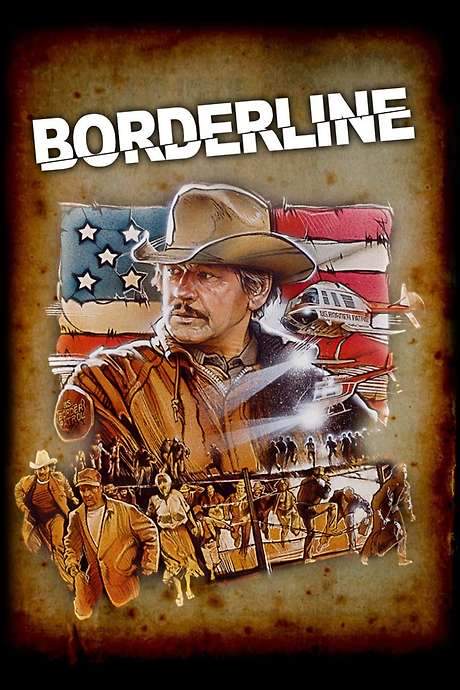
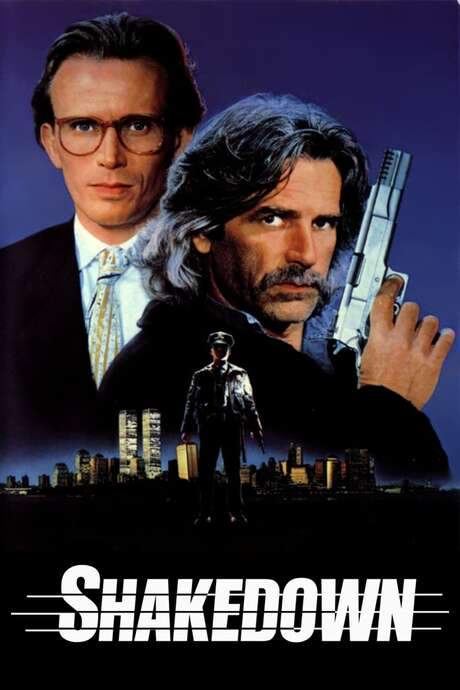
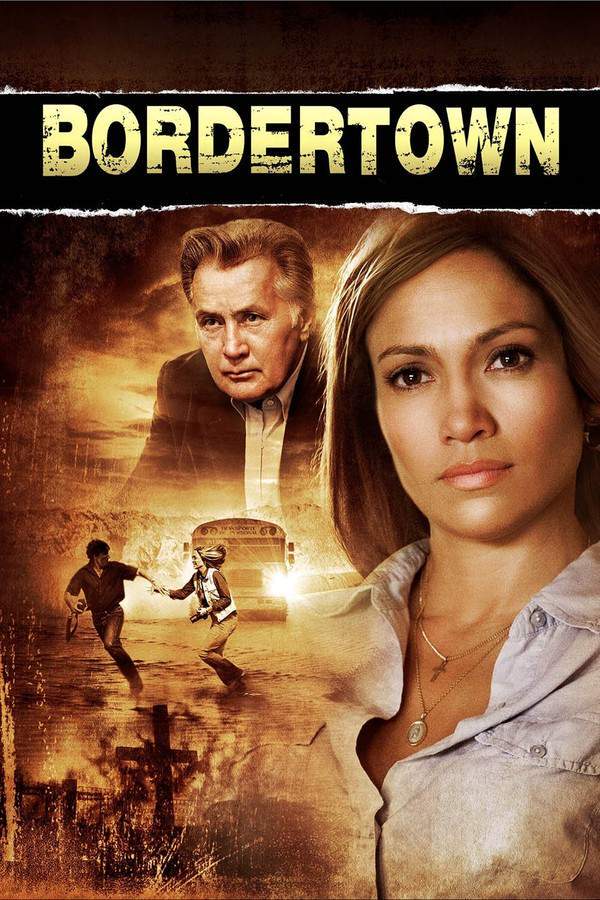
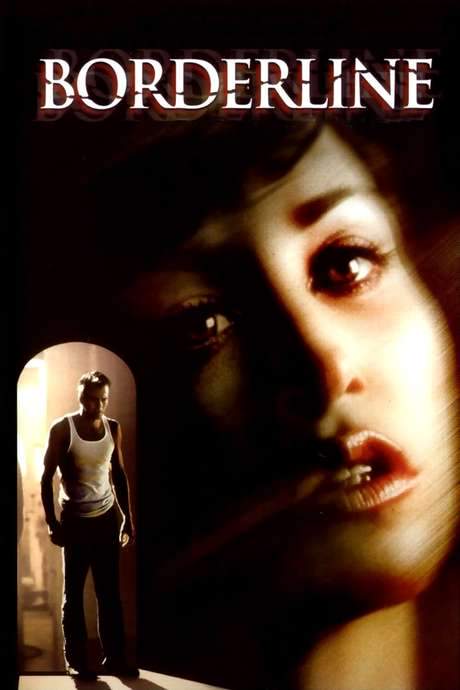
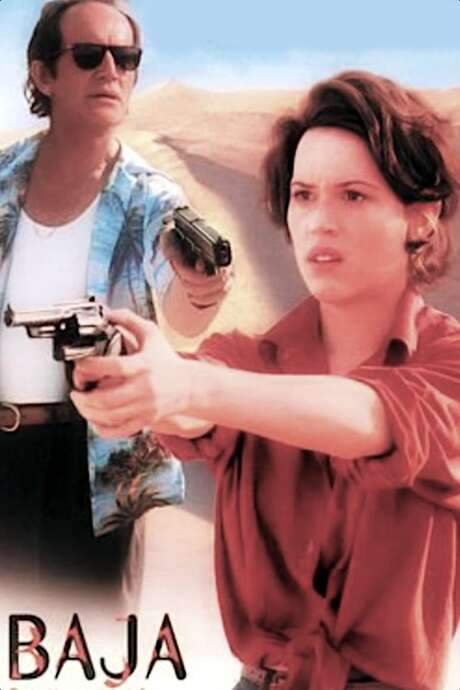
Patrol Agent in Charge Jeb Maynard oversees Otay Border Patrol Station, a rugged outpost perched above the hills east of San Diego, as he pursues the killers of a young Mexican boy and his friend, USBP Senior Patrol Agent Scooter Jackson. The case draws in the boy’s mother, Elena Morales, and a eager rookie, Jimmy Fantes, who join Maynard in a trail that grows deeper and more dangerous than a routine smuggling investigation. Hotchkiss, an infamous illegal-alien smuggler, is known to the aliens only as “the Marine,” and he operates under the nose of local rancher Carl Richards, a man with a reputation for exploiting illegal workers and using his fruit business as a front for a far-reaching operation.
On a routine road patrol, Jackson stops Hotchkiss’s truck, which carries a hidden compartment full of aliens and, beneath tomato boxes, a gruesome secret. When the driver refuses to open the back, Hotchkiss – riding in the back with the detainees – shoots Jackson at point-blank range, then kills the wounded boy with another blast and drags both bodies away. The FBI lands the case because it involves federal agents, but Maynard’s theory that the murders are tied to alien smuggling clashes with official assumptions that the scene points to drug-smuggling. The truck’s cargo of marijuana is left behind, a clue Maynard and Fantes latch onto that pushes them toward a different line of inquiry.
The investigation intensifies as Maynard and Fantes discover fresh tomato evidence, sent to an agricultural lab, that points to a pesticide brand used by a handful of large farms. They trace the brand to Richards’s ranch and begin a careful surveillance that reveals a sophisticated, profitable network. Dry, boot-cutting footprints in the dirt—the telltale marks of a military boot—confirm that Hotchkiss has a more organized, high-skilled operation at work. Maynard, with his team, pieces together that the Marine’s men operate with discipline learned in the field, a clue that deepens the mystery beyond simple drug-smuggling.
Seeking a breakthrough, Maynard identifies a San Diego address found on the boy’s clothing andlocates Elena. She becomes a crucial ally, taking Maynard undercover as her cousin to cross into Mexico and reacquaint him with the smuggling world that brought her here. Though Maynard can pass as Mexican, he speaks little Spanish, so Elena explains that her “cousin” is simple-minded and quiet, a cover that helps them slip past danger and meet the smuggling contact who knows Hotchkiss’s circle. They cross with a group of migrants, and the encounter is tense, but they survive the ambush and press on toward the San Diego suburbs. Elena earns Maynard’s gratitude, and he promises to help her immigration status if she returns to his office later.
Back in the United States, the team digs deeper into the pesticide link and follows the trail to Richards’s ranch. Maynard and Fantes persuade a wary Richards to face them in person, as they piece together how the illicit network uses the ranch as a hub. The agents enlist the support of Border Patrol colleagues Lambert and Monroe to set up a nighttime raid, capturing a large group of smugglers and migrants in the barn. When Hotchkiss arrives with the final load at dawn, he opens fire with a MAC-10, forcing the agents to dive for cover. A high-stakes pursuit ends in a brutal confrontation in the trees and brush surrounding the ranch.
In a decisive moment, Maynard corners Hotchkiss on a dead-end road. The hunter becomes the hunted as Maynard closes in with his revolver drawn. When Hotchkiss turns again and fires, Maynard fires first and ends the chase with a single, fatal shot.
As the dust settles, Richards is escorted from the area and faces a federal prison sentence of two to five years. The ranch boss’s superior is tried but not convicted on “lack of evidence,” leaving Maynard to reflect on the complexity of justice in a world where exploitation and crime persist. In a quiet, hard-won moment of resolve, Maynard tells his rookie ally, [Jimmy Fantes], that the fight will continue for everyone on both sides of the border, and that “It’s okay kid, so will we.” The closing images linger on the small human costs of the conflict, reminding viewers that the line between duty and danger is never perfectly clear, even as the border remains a constant test of will, courage, and accountability.
> The end of the road.