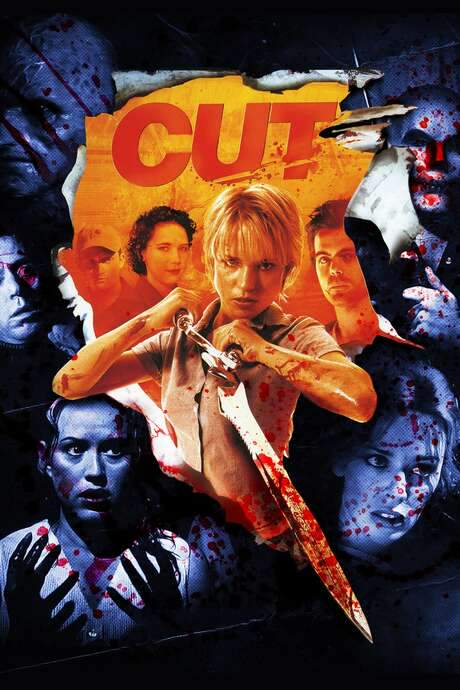
Laura babysits her little brother while her parents are away for the weekend, and a routine night in suddenly spirals into a weekend she won’t forget. To shake things up, two high school graduates, Teddy Bender and Craig Wilson, sweet-talk a clerk into selling them liquor, inviting Laura and her best friend, Rachel, along for a quick, reckless escape. Dragging her little brother along, the five of them set out for what should be a carefree camping trip, hunting for a moment of freedom away from chores, curfews, and boring weekends.
As dusk settles in, the mood shifts. The first night on the road is awkward and unsettled: Laura’s date ends up entangled with one guy in the car, while the other is too drunk to participate in anything meaningful. The atmosphere thickens with whispered rumors about a factory worker who was horribly burned and vanished after a blaze, a tale that one older man swears is true due to a grandfather’s memory of something or someone that killed livestock and drove him to madness. That local lore seeds a creeping dread over the camp, hinting that not everything about this trip will stay as light as a campfire.
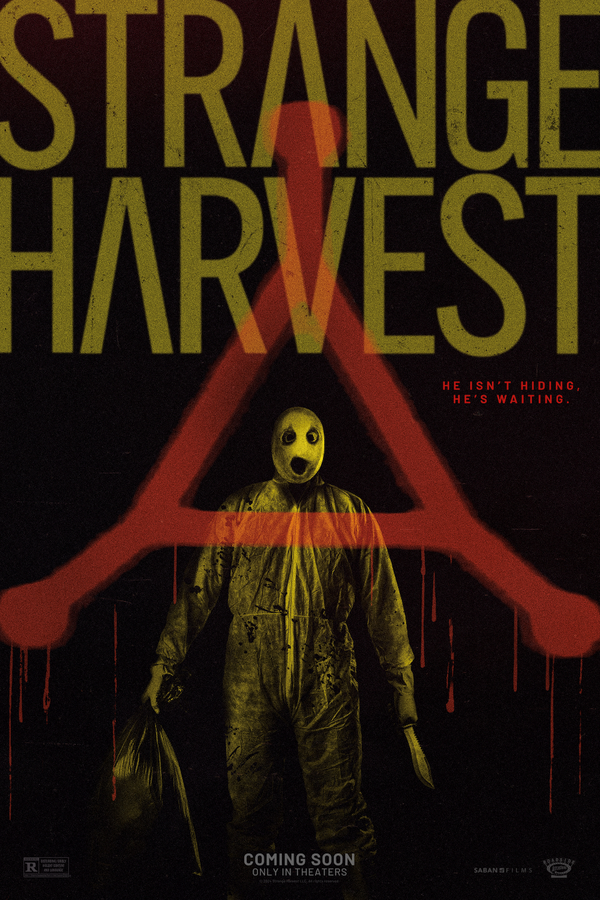
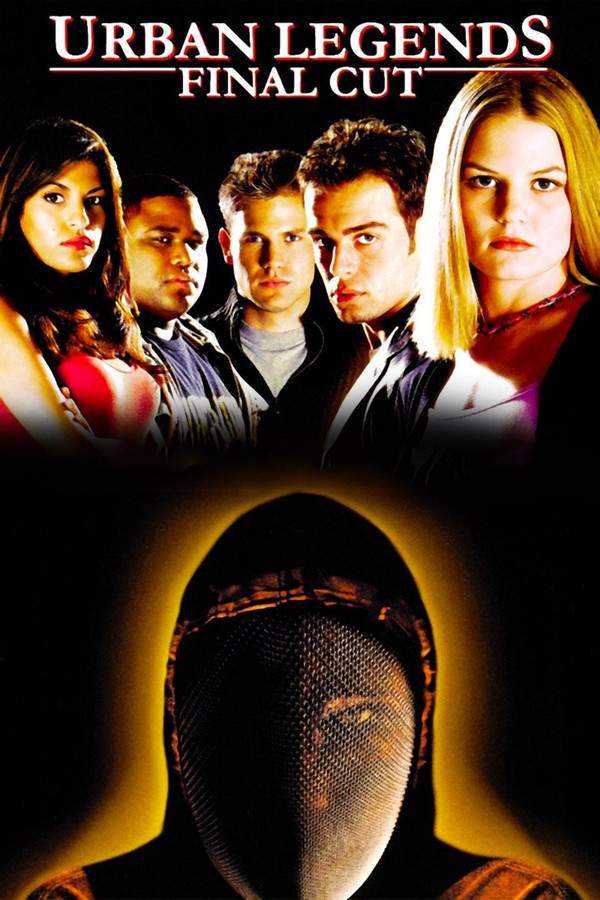
The next day, Laura and Rachel explore an abandoned factory building, drawn by the quiet mystery of crumbling bricks and rusted machinery. When Laura’s friend stays behind, she’s seized by a masked figure wearing a gas mask and armed with something more chilling than a blade—a predator who moves with unsettling calm. The killer abducts Laura, pulling her into the shadows as the camp’s laughter dies away. The little brother follows in a panic, and the others rush back to find the car wrecked and their friends missing. A desperate search leads them toward the old factory where the danger escalates into tragedy. The killer strikes with cold efficiency, taking the lives of those who tried to resist or escape, including Rachel and one of the male companions who had hoped for a quick return to safety. The killer’s brutality appears almost ritual—the room fills with a grim silence as the truth sinks in: this is no random attack, but a calculated, blood-soaked hunger.
The killer’s dark appetite is described in unsettling terms: he is portrayed as someone who drinks or injects blood, a grotesque addiction that seems to fuel every murder. The sequence grows more horrifying as the boy who remains—Andrew—watches the horror unfold. The story reveals his own troubling fascination with horror movies, predator analysis, and the brutal beauty of survival, hints that his childhood impulses have twisted into something dangerous. In a cruel turn of fate, the killer’s rampage ends with a final, theatrical deliverance: the boy finds courage and uses a gun that belonged to one of the men to shoot the killer dead. A puff of black smoke seems to rise from the killer’s head, and the body appears to disintegrate in a chilling visual, as if the film itself is erasing the threat in a final, spectral breath.
With the killer gone, Andrew guides the police to the scene, yet the evidence seems non-existent. The investigation stalls, and he becomes a person of interest, a suspect in a case that has no clear body, no obvious motive, and no credible fingerprints to pin on him. The movie then shifts to a hospital room where Andrew lies under observation, watching the news flash across the screen. The reports recount the brutal crime and the aftermath, but they also show him in a new light—as if memories that aren’t fully his own are surfacing. Visions or recollections haunt him, suggesting that the line between victim, witness, and possible perpetrator may be blurrier than anyone wants to admit.
Throughout this tense and twisted journey, the film layers suspense with a troubling exploration of fear, guilt, and the limits of what a person can endure when confronted with a monster that is both human and unthinkably brutal. The abandoned factory, the gas-mmasked killer, and the sudden, devastating losses create a claustrophobic environment where every shadow could hide another threat. The narrative follows the survivors as they navigate the wreckage of a weekend that should have been about friendship and freedom, only to become a brutal confrontation with the darkest parts of human nature. In the end, the story lingers on the fragile line between heroism and accusation, leaving the audience to confront what memory, guilt, and survival can do to a person when the truth becomes as elusive as smoke in the wind.