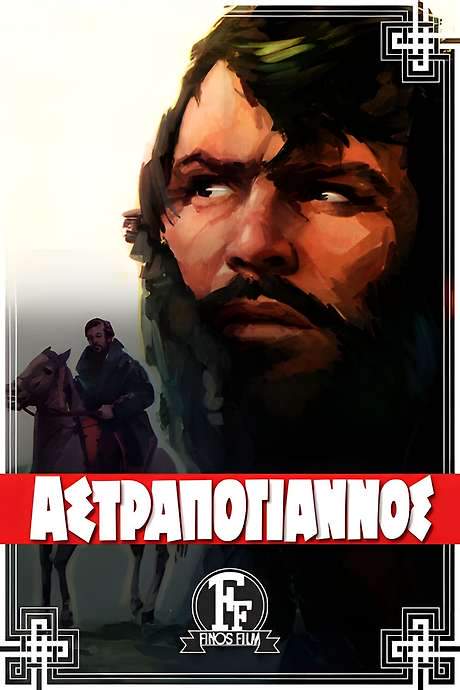
Blood on the Land

Blood on the Land

Year: 1966

Runtime: 130 mins

Language: Greek

Director: Vasilis Georgiadis

DramaAdventure

Two brothers compete for the same woman as peasant uprisings erupt in their Greek homeland. Set in Thessaly in 1907, a firebrand agitator urges impoverished farmers to seize the land they till from the wealthy landowners. Odysseus (Nikos Kourkoulos), whose father (Manos Katrakis) is a landowner, refuses to join the clash, torn between family loyalty and the farmers’ cause.

Warning: spoilers below!

Haven’t seen Blood on the Land yet? This summary contains major spoilers. Bookmark the page, watch the movie, and come back for the full breakdown. If you're ready, scroll on and relive the story!

Blood on the Land (1966) – Full Plot Summary & Ending Explained

Read the complete plot breakdown of Blood on the Land (1966), including all key story events, major twists, and the ending explained in detail. Discover what really happened, and what it all means.

Odysseas Hormovas Nikos Kourkoulos returns home by train, only to be turned away by the police because of a past imprisonment. As he travels back, he encounters a group of homeless people, the Koligoi, who are desperate to cross a river that marks the edge of his father’s property. Faced with barriers erected by his brother’s men and a shattered bridge, the Koligoi momentarily stand at the river’s edge, but Odysseas steps in to help them find a way forward, smoothing passage where there is none and becoming a unexpected mediator in a land divided by circumstance and memory.

A striking moment of communal renewal unfolds at a church service held atop the towering Meteora rocks, where the image of reconciliation resonates as if echoing the biblical prodigal son. In this ceremonial glow, Odysseas reconnects with his father, and the estate’s celebrations momentarily bridge a gulf that had grown between bloodlines and social classes. The reunion, however, cannot erase underlying tensions. The elder Hormovas’ younger brother, Rigas Hormovas Giannis Voglis, who runs the estate, resents the return of the former prisoner and stirs discord to protect his own authority.

Rigas maneuvers the Koligoi into labor-like agreements, drawing protests from the local teacher, Marinos Antypas Notis Peryalis, who objects to the coercive terms and the way the homeless are being treated. What follows is a cascade of confrontations that flare into violence, forcing the creation of a makeshift refugee camp on the fringes of the property. The narrative threads widen as a Koligo woman slips away from Rigas’ men, while Eirini Mairi Hronopoulou resists the advances of the estate manager, adding layers of personal risk and resistance to the political struggle around land, loyalty, and dignity.

Odysseas becomes entangled in a web of betrayal and vengeance, the kind that tests loyalties and blurs lines between justice and revenge. The conflicts culminate in a dramatic confrontation atop the Meteora rocks, a symbolically charged peak where grievances, promises, and the future of the land collide in a tense, decisive moment. Across these interwoven strands, the film circles themes of restitution, humanity, and the uneasy possibility of reconciliation between former enemies.

In the final, resolute act, Odysseas chooses to prioritize justice and unity over personal gain, offering his land to the homeless and affirming a broader vision of community over possession. The gesture reverberates with a historical echo, invoking the sentiment famously attributed to Eleftherios Venizelos: “Slaves could not free slaves.” This closing moment reframes the story from a tale of conflict to a hopeful, collective reinvention of a home that belongs to all who seek shelter there.


Last updated: March 05, 2026 at 18:40

Was this helpful?

Blood on the Land (1966) Plot Questions Answered – Summary FAQ

Explore frequently asked questions about Blood on the Land (1966) with spoiler-rich answers covering the full plot summary, major story beats, character motivations, hidden details, and ending meaning. This movie summary FAQ helps explain confusing scenes, plot twists, and narrative decisions in clear, searchable detail.

Q1

Why does Odysseas help the Koligoi cross the river?

A.

Odysseas intervenes because he recognizes the Koligoi's desperate situation - they are homeless people blocked from crossing the river that marks his father's estate boundary. Although he is the landowner's son and his brother's men erected the barriers, Odysseas chooses justice over family loyalty, acting as a mediator to help them find passage where none exists. This early act establishes his moral conflict between his family background and his sympathy for the impoverished farmers.

This act of helping the homeless sets the stage for Odysseas's final decision to give his land away to the Koligoi.

odysseaskoligoiriver crossinghomelesslandless farmers
Q2

Why is Odysseas turned away at the train station?

A.

Odysseas is rejected by police at the train station because of his past imprisonment. The police eject him from the train when he tries to return home, showing that his prior incarceration carries significant social stigma in his community. This rejection underscores the barriers he must overcome to reintegrate into society and reconnect with his family.

odysseasprisontrainrejectionpolice
Q3

What are the Koligoi in the movie?

A.

The Koligoi are a group of homeless, landless people desperate to cross the river into the estate's territory. They represent the impoverished farmers and rural poor whom the agitator is urging to seize land from wealthy landowners. Their desperate situation and struggle for passage symbolize the larger social conflict between the wealthy landowners and the land-hungry peasant population in 1907 Thessaly.

koligoihomelesslandlesspeasantsfarmerspoor
Q4

Why does Rigas oppose Odysseas returning home?

A.

Rigas, Odysseas' younger brother who manages the estate, resents the return of the former prisoner because he fears Odysseas's presence threatens his own authority and position. The text explicitly states that Rigas stirs discord to protect his authority. Additionally, Rigas likely worries that Odysseas's return could disrupt the power dynamics he has established, especially regarding his treatment of the Koligoi and control over the estate.

rigasodysseasbrotherestateauthorityopposition
Q5

What forced labor scheme does Rigas create?

A.

Rigas manipulates the vulnerable Koligoi into labor-like agreements, essentially exploiting their desperation to force them into working on the estate under coercive terms. This exploitation tightens Rigas's control over both the land and the homeless people seeking shelter. The local teacher, Marinos Antypas, actively objects to these unfair arrangements, calling out the mistreatment of the Koligoi.

rigaskoligoiforced laborexploitationestatemarinos antipas
Q6

Why does violence erupt at the estate?

A.

Violence erupts as a result of escalating tensions between Rigas's exploitative labor schemes and the growing opposition from the teacher Marinos Antypas and others who object to the coercive treatment of the Koligoi. The confrontations flare into violence, forcing the creation of a makeshift refugee camp on the fringes of the property where those affected by the conflict seek shelter.

violenceestaterefugee campkoligoiconfrontation
Q7

What happens during the Meteora rocks confrontation?

A.

The Meteora rocks serve as the setting for a dramatic, symbolically charged confrontation where Odysseas becomes entangled in betrayal and vengeance. This tense moment brings together grievances, broken promises, and the future of the land into a single decisive clash. The confrontation tests loyalties and pushes the story toward its resolution, representing the climactic point where all conflicts collide.

meteoraconfrontationbetrayalvengeanceclimaxrocks
Q8

Why does Odysseas give his land to the homeless in the ending?

A.

Odysseas chooses justice and unity over personal gain by allocating his land to the homeless. This final act represents his complete transformation from a landowner's son who was initially torn between family loyalty and the farmers' cause, to someone who prioritizes the broader community over possession. The gesture embodies the film's thematic message about restitution, humanity, and reconciliation between former enemies.

odysseaslandhomelessresolutionjusticecommunityending
Q9

What does the Venizelos quote mean in the ending?

A.

The ending invokes Eleftherios Venizelos's statement that "Slaves cannot free slaves" to frame Odysseas's decision. The quote suggests that true liberation and change cannot come from within the existing oppressive system - it requires someone with privilege or power to actively relinquish that position for the benefit of the oppressed. By giving his land to the Koligoi, Odysseas acts as the privileged figure who can help free those trapped by circumstance, transforming the story from conflict to hopeful collective reinvention.

venizelosquoteslavesfreedomlandendingtheme
Q10

What is the conflict between Odysseas and Rigas about?

A.

The conflict between the two brothers centers on their opposing views toward the Koligoi and the farmers' cause. Odysseas sympathizes with the landless poor and helps them, while Rigas exploits them for personal power and control over the estate. Their rivalry represents the broader ideological divide between those who hold onto privilege and those who seek to dismantle systemic oppression. Rigas's manipulation of the Koligoi and his opposition to Odysseas's return drive much of the film's tension.

odysseasrigasbrothersconflictestatepoweropposition
Q11

Why is the Meteora church scene significant?

A.

The church service held atop the Meteora rocks represents a striking moment of communal renewal and reconciliation. During this ceremony, Odysseas reconnects with his father, and the estate's celebrations momentarily bridge the gulf between bloodlines and social classes. The scene echoes the biblical prodigal son motif, suggesting redemption and the possibility of healing rifts within the family and community. However, the reunion cannot erase underlying tensions that continue to simmer.

meteorachurchreconciliationfatherprodigal sonceremony
Q12

Why does Irini resist Rigas's advances?

A.

Irini resists the advances of the estate manager (Rigas), aligning herself with the growing call for dignity and fair treatment. Her resistance adds a personal stake to the community's broader political struggle, showing that the fight against oppression extends beyond land rights to include personal autonomy and respect. Her stance parallels the resistance of the Koligo woman who escapes from Rigas's men, highlighting the personal risks faced by those who defy the estate's power.

irinirigasresistancedignityestateadvances
Mobile App Preview

Coming soon on iOS and Android

The Plot Explained Mobile App

From blockbusters to hidden gems - dive into movie stories anytime, anywhere. Save your favorites, discover plots faster, and never miss a twist again.

Sign up to be the first to know when we launch. Your email stays private, always.

Explore Movie Threads

Discover curated groups of movies connected by mood, themes, and story style. Browse collections built around emotion, atmosphere, and narrative focus to easily find films that match what you feel like watching right now.

Revolutionary struggle dramas like Blood on the Land

Characters torn between family loyalty and a just social cause.A selection of movies like Blood on the Land that explore themes of social justice, peasant uprisings, and characters caught between family and a greater cause. If you enjoyed the steady moral tension, you'll find these stories compelling.

rebellioustensedramaticsocially consciousdeterminedmoral conflict

Narrative Summary

Stories typically follow a protagonist who begins complicit in or indifferent to an oppressive system, but gradually becomes radicalized by witnessing injustice. The central conflict is internal, a moral and emotional struggle that culminates in a decisive act of solidarity.

Why These Movies?

These movies share a focus on systemic oppression and the difficult birth of collective consciousness. They are united by a dark, socially conscious tone, a steady pacing that builds emotional weight, and a central character arc of ethical awakening.

Intense family conflict dramas similar to Blood on the Land

Brothers divided by love and ideology during a historical crisis.Discover films like Blood on the Land that center on intense family conflict, inheritance disputes, and romantic rivalry set against a backdrop of historical turmoil. Perfect for viewers who appreciate emotionally heavy stories.

dramaticoppressivemelancholictensefamily conflictinheritance

Narrative Summary

The narrative revolves around a family, often landowners or a privileged class, whose stability is shattered by external political forces and internal friction, particularly between siblings. Love triangles and inheritance disputes amplify the stakes, set against a sweeping, authentic backdrop.

Why These Movies?

This thread groups films characterized by their oppressive atmosphere, complex family dynamics, and the heavy emotional weight of characters making impossible choices. They share a melancholic mood and a focus on how large-scale conflict fractures intimate relationships.

Unlock the Full Story of Blood on the Land

Don't stop at just watching - explore Blood on the Land in full detail. From the complete plot summary and scene-by-scene timeline to character breakdowns, thematic analysis, and a deep dive into the ending - every page helps you truly understand what Blood on the Land is all about. Plus, discover what's next after the movie.

Blood on the Land Timeline

Track the full timeline of Blood on the Land with every major event arranged chronologically. Perfect for decoding non-linear storytelling, flashbacks, or parallel narratives with a clear scene-by-scene breakdown.

Blood on the Land Timeline

Characters, Settings & Themes in Blood on the Land

Discover the characters, locations, and core themes that shape Blood on the Land. Get insights into symbolic elements, setting significance, and deeper narrative meaning - ideal for thematic analysis and movie breakdowns.

Characters, Settings & Themes in Blood on the Land

Blood on the Land Spoiler-Free Summary

Get a quick, spoiler-free overview of Blood on the Land that covers the main plot points and key details without revealing any major twists or spoilers. Perfect for those who want to know what to expect before diving in.

Blood on the Land Spoiler-Free Summary

More About Blood on the Land

Visit What's After the Movie to explore more about Blood on the Land: box office results, cast and crew info, production details, post-credit scenes, and external links - all in one place for movie fans and researchers.

More About Blood on the Land

Similar Movies to Blood on the Land

Discover movies like Blood on the Land that share similar genres, themes, and storytelling elements. Whether you’re drawn to the atmosphere, character arcs, or plot structure, these curated recommendations will help you explore more films you’ll love.