Plot Explained Spoilers guaranteed!
Plot Explained

Browse by genre

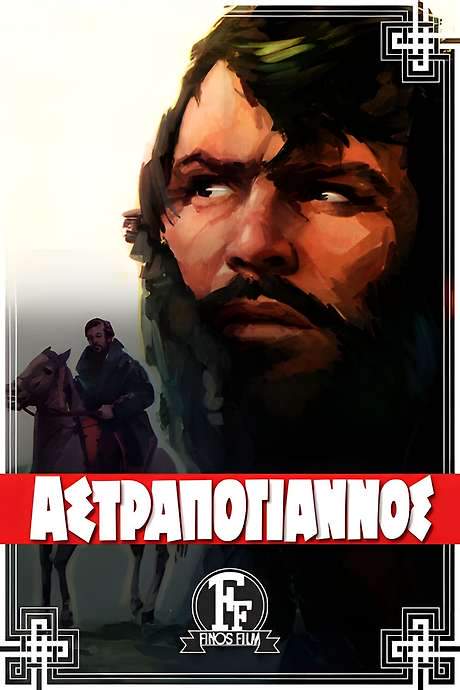
Blood on the Land (1966) movie poster

Characters & Themes

Blood on the Land (1966) Characters, Setting & Themes Explained

Release, runtime and language
1966 · 130 mins · Greek
Directed by
Vasilis Georgiadis
Starring
Giannis Voglis, Nikos Kouros, Angelos Antonopoulos, Manos Katrakis, Vasos Andronidis, Faidon Georgitsis

Two brothers compete for the same woman as peasant uprisings erupt in their Greek homeland. Set in Thessaly in 1907, a firebrand agitator urges impoverished farmers to seize the land they till from the wealthy landowners. Odysseus (Nikos Kourkoulos), whose father (Manos Katrakis) is a landowner, refuses to join the clash, torn between family loyalty and the farmers’ cause.

On this page (7)
  1. 1 Characters explained (6)
  2. 2 Where & when it takes place
  3. 3 Themes & meaning (3)
  4. 4 Character & meaning questions
  5. 5 Movie threads
  6. 6 Movies like Blood on the Land
  7. 7 Every angle

6 main characters · contains spoilers

Blood on the Land Characters Explained: Who Is Who

The main characters of Blood on the Land (1966), heroes and villains: what drives them, how they change over the course of the story and what each of them reveals about the film's bigger ideas.

  • Odysseas Hormovas (Nikos Kourkoulos)

    A recently released prisoner who returns to his family's estate and confronts stigma while trying to broker justice for the homeless Koligoi. He evolves from a symbol of past wrongs into a leader who uses moral authority to bridge divides and heal wounds.

    • 🎭 Protagonist
    • 🕊️ Redemption
  • Rigas Hormovas

    played by Giannis Voglis

    The younger brother and estate manager who resents Odysseas’ return and manipulates the Koligoi into forced labor to maintain control. His actions reveal a calculating, power-driven will that clashes with familial ties and communal wellbeing.

    • ⚖️ Power
    • 🗡️ Manipulation
  • Father Hormovas

    played by Manos Katrakis

    Patriarch of the family who embodies tradition and authority. He represents the old social order and the pull between ancestral duty and changing times, setting up the moral stakes for the family’s conflict.

    • 🙏 Faith
    • 🕊️ Tradition
  • Marinos Antypas

    played by Notis Peryalis

    A teacher who objects to the forced labor imposed on the Koligoi, voicing moral restraint and civic responsibility. He acts as a conscience figure who challenges oppression and advocates for humane treatment.

    • 🧭 Moral Compass
    • 📚 Teacher
  • Eirini

    played by Mairi Hronopoulou

    A Koligo woman who resists the advances of Rigas and embodies resilience within a vulnerable community. Her defiance mirrors the larger struggle for autonomy and dignity.

    • 💃 Resilience
    • 🕊️ Rebellion
  • Thymios Pazis

    played by Nikos Kouros

    A Shoemaker among the Koligoi who helps organize passage and embodies the everyday craft and solidarity of the homeless group. His practical skills anchor the community’s ability to survive the crossing and the conflict.

    • 🪡 Craftsman

Last updated: March 05, 2026 at 18:18

Was this helpful?

Setting

Where and When Does Blood on the Land Take Place?

The setting of Blood on the Land (1966): the year and time period, the places and locations, and how they shape the characters, the mood and the tension of the story.

Time period

Location

Greece, Meteora region, Estate by the river

Set against the rugged landscapes of Greece, with the iconic Meteora rocks forming a dramatic backdrop. The action unfolds on a private estate that sits on a river boundary, dividing land and community. The church atop Meteora serves as a focal point for reunion and conflict. The setting combines sacred sites with a stark rural milieu that shapes the characters' destinies.

  • 🗺️ Greece
  • 🏞️ Meteora region
  • 🏡 Rural estate

Last updated: March 05, 2026 at 18:18

Was this helpful?

3 major themes

Blood on the Land Meaning: Themes & Message Explained

What is Blood on the Land (1966) really about? The emotional, social and philosophical themes the film keeps returning to, its symbolism and the message beneath the surface.

  • Justice

    The film frames social inequality through the conflict between the landed family and the homeless Koligoi, culminating in Odysseas' decision to allocate land to those in need. It echoes calls for reform and emphasizes the idea that law and mercy must align to heal a fractured community. The Venizelos quote appears as a thematic anchor for collective emancipation rather than individual gain.

  • Betrayal

    Family loyalties collide with self-interest as Rigas manipulates the Koligoi and exploits power to maintain control of the estate. Odysseas faces puncturing trust from his brother and the social order that prefers domination over justice. The narrative threads reveal how personal betrayal can escalate into wider communal conflict and violence. Ultimately, trust is restored through a redefined sense of responsibility.

  • Solidarity

    The homeless community bands together, turning a fragile camp into a statement of dignity and resilience. Teachers, workers, and villagers challenge oppression, forging alliances across class lines. The climactic confrontation on the Meteora rocks tests loyalties and leads to a pledge to share the land. The ending champions unity and the idea that shared resources can empower the marginalized.

Last updated: March 05, 2026 at 18:18

Was this helpful?

Character & theme questions

Blood on the Land Characters & Meaning: Your Questions Answered

The questions people ask about Blood on the Land (1966): who the characters really are, their relationships, what the symbols mean, where it takes place and what the movie is really about. Each answer contains spoilers.

Q1

Where is the movie set?

The film takes place in the Meteora region of Greece, specifically on a private estate situated by a river in Thessaly. The iconic Meteora rocks provide a dramatic backdrop, with the church atop the rocks serving as a focal point for both reunion and conflict. This setting combines sacred sites with a stark rural milieu that shapes the characters' destinies.

Foreshadowing: The landscape's harshness is established early, emphasizing the struggle between the landed elite and the homeless Koligoi.

  • meteora
  • greek setting
  • thessaly
  • estate
  • landscape
Q2

When does the story take place?

The film is set in Thessaly, Greece in 1907, during a period of significant social unrest. This era was marked by widespread peasant uprisings as impoverished farmers demanded land reform from wealthy landowners. The specific historical context grounds the film's themes of social inequality and class struggle in real events.

  • 1907
  • thessaly
  • greek history
  • peasant uprising
  • land reform
Q3

Who are the Koligoi?

The Koligoi are the homeless community of impoverished farmers who work the land but own nothing. They are depicted as a fragile yet dignified group that bands together to challenge oppression. The community includes teachers, workers, and villagers who forge alliances across class lines, ultimately demanding the right to till land they have worked for generations.

Foreshadowing: Their camp is introduced early as a symbol of resilience despite their vulnerable position.

  • koligoi
  • homeless community
  • peasants
  • landless farmers
Q4

Who is Odysseas Hormovas?

Odysseas Hormovas is a recently released prisoner who returns to his family's estate and must confront the stigma of his past. He evolves from a symbol of past wrongs into a moral leader who uses his authority to broker justice for the Koligoi. His central conflict lies in choosing between family loyalty to his landowner father and the farmers' cause for land rights.

Foreshadowing: His return immediately creates tension with his brother Rigas over the estate's future.

  • odysseas hormovas
  • protagonist
  • released prisoner
  • landowner family
Q5

What role does Rigas play in the story?

Rigas Hormovas is the younger brother and estate manager who resents Odysseas's return and manipulates the Koligoi into forced labor to maintain control. His calculating, power-driven nature creates conflict with both his brother and the communal wellbeing. His actions reveal how personal betrayal can escalate into wider communal violence and tension.

Foreshadowing: His resentment toward Odysseas is visible from the start, hinting at his manipulative actions.

  • rigas hormovas
  • estate manager
  • younger brother
  • antagonist
  • power
Q6

What does the film say about justice?

The film frames social inequality through the conflict between the landed Hormovas family and the homeless Koligoi. Justice is depicted as requiring both law and mercy to align in order to heal a fractured community. The story culminates in Odysseas's decision to allocate land to those in need, emphasizing collective emancipation rather than individual gain.

Foreshadowing: The Venizelos quote appears early as a thematic anchor for this message.

  • justice
  • social inequality
  • land reform
  • law and mercy
Q7

How does the film explore betrayal?

Family loyalties collide with self-interest as Rigas manipulates the Koligoi and exploits power to maintain control of the estate. Odysseas faces broken trust from his brother and the social order that prefers domination over justice. The narrative shows how personal betrayal can escalate into wider communal conflict and violence before ultimately restoring trust through redefined responsibility.

Foreshadowing: Rigas's manipulation of the Koligoi is shown early, establishing his betrayals.

  • betrayal
  • family conflict
  • brother rivalry
  • power manipulation
Q8

What does the solidarity theme represent?

The homeless community bands together, transforming a fragile camp into a statement of dignity and resilience. Teachers, workers, and villagers challenge oppression and forge alliances across class lines. The climactic confrontation at Meteora tests these loyalties, leading to a pledge to share the land and empowering the marginalized through unity and shared resources.

Foreshadowing: The Koligoi's collective strength is hinted at through their organization and mutual support.

  • solidarity
  • unity
  • community
  • class alliance
  • empowerment
Q9

Who is Father Hormovas?

Father Hormovas is the patriarch of the Hormovas family, embodying tradition and authority. He represents the old social order and the tension between ancestral duty and changing times. His character sets up the moral stakes for the family's conflict, as his traditional values clash with the modern demands for land reform and justice.

  • father hormovas
  • patriarch
  • tradition
  • landowner family authority
Q10

What role does Marinos Antypas play?

Marinos Antypas is a teacher who objects to the forced labor imposed on the Koligoi, voicing moral restraint and civic responsibility. He acts as a conscience figure who challenges oppression and advocates for humane treatment. His character provides the moral voice that questions the ethics of the landowner's power over the homeless community.

  • marinos anypas
  • teacher
  • moral conscience
  • civic responsibility
Q11

Who is Eirini in the story?

Eirini is a Koligo woman who resists the advances of Rigas, embodying resilience within a vulnerable community. Her defiance mirrors the larger struggle for autonomy and dignity faced by the homeless farmers. She represents how the oppressed resist not just through collective action but through individual acts of resistance against exploitation.

  • eirini
  • koligo woman
  • resistance
  • autonomy
  • dignity
Q12

What is the significance of the church at Meteora?

The church atop the Meteora rocks serves as a focal point for both reunion and conflict in the narrative. It represents the intersection of the sacred and the political, where the characters confront moral dilemmas. The climactic confrontation occurs at this sacred site, highlighting the themes of justice and redemption against the backdrop of spiritual symbolism.

Foreshadowing: The church is established early as a place where key moments of reconciliation and conflict unfold.

  • meteora church
  • sacred site
  • confrontation
  • reunion
  • conflict

Movie threads

More Movies Like Blood on the Land, by Mood & Story

Curated lists built around what makes Blood on the Land tick: the same mood, the same kind of story or the same emotional payoff. Each list explains why these movies belong together.

Revolutionary struggle dramas like Blood on the Land

Characters torn between family loyalty and a just social cause. A selection of movies like Blood on the Land that explore themes of social justice, peasant uprisings, and characters caught between family and a greater cause. If you enjoyed the steady moral tension, you'll find these stories compelling.

  • rebellious
  • tense
  • dramatic
  • socially conscious
  • determined
  • moral conflict
  • Tone: dark, tense, socially conscious
  • Pacing: steady, methodical
Why these movies?

The story pattern: Stories typically follow a protagonist who begins complicit in or indifferent to an oppressive system, but gradually becomes radicalized by witnessing injustice. The central conflict is internal, a moral and emotional struggle that culminates in a decisive act of solidarity.

Why they belong together: These movies share a focus on systemic oppression and the difficult birth of collective consciousness. They are united by a dark, socially conscious tone, a steady pacing that builds emotional weight, and a central character arc of ethical awakening.

Intense family conflict dramas similar to Blood on the Land

Brothers divided by love and ideology during a historical crisis. Discover films like Blood on the Land that center on intense family conflict, inheritance disputes, and romantic rivalry set against a backdrop of historical turmoil. Perfect for viewers who appreciate emotionally heavy stories.

  • dramatic
  • oppressive
  • melancholic
  • tense
  • family conflict
  • inheritance
  • Tone: dramatic, oppressive, melancholic
  • Pacing: steady, character-driven
Why these movies?

The story pattern: The narrative revolves around a family, often landowners or a privileged class, whose stability is shattered by external political forces and internal friction, particularly between siblings. Love triangles and inheritance disputes amplify the stakes, set against a sweeping, authentic backdrop.

Why they belong together: This thread groups films characterized by their oppressive atmosphere, complex family dynamics, and the heavy emotional weight of characters making impossible choices. They share a melancholic mood and a focus on how large-scale conflict fractures intimate relationships.

If you liked this

Movies Like Blood on the Land

Similar movies to Blood on the Land: the same genre, themes or kind of story. Each one comes with its own plot summary, timeline and ending explained.

Browse all movie summaries

Every angle

Blood on the Land (1966) Explained: Plot, Timeline & Characters

Everything about Blood on the Land in one place: what happens in the plot summary, the timeline in chronological order, the characters and meaning and a spoiler-free summary. What's After the Movie adds the cast, box office and post-credit scenes.

Coming soon on iOS and Android

The Plot Explained Movie Summary App

Plot summaries, endings explained and timelines on your phone. Catch up on any movie in minutes, save your favorites and never miss a twist again.

Be the first to know when we launch. Your email stays private, always.

Learn more about the app