Plot Explained Spoilers guaranteed!
Plot Explained

Browse by genre

Bingo: The King of the Mornings (2017) movie poster

Plot Summary

Bingo: The King of the Mornings (2017) Plot Summary Explained

Release, runtime and language
2017 · 113 mins · Portuguese
Directed by
Daniel Rezende
Starring
Emanuelle Araújo, Luiz Bolognesi, Roberto Audio, Leandra Leal, Rodrigo Fernandes, Tainá Müller

During the 1980s, as Brazilian television embraced color and audience-driven programs, Augusto Mendes, a young actor, pursued his dreams. He navigated the entertainment industry, from adult films to soap operas, before achieving recognition as "Bingo," a popular children's television host clown. Behind the makeup and cheerful persona, however, lies a hidden identity and a complex personal story.

On this page (6)
  1. 1 What happens: full plot
  2. 2 Plot questions answered
  3. 3 Movie threads
  4. 4 Movies like Bingo: The King of the Mornings
  5. 5 Categories
  6. 6 Every angle

Full plot summary · contains spoilers

What Happens in Bingo: The King of the Mornings: Full Plot Summary

The whole story of Bingo: The King of the Mornings (2017) explained, from the opening scene to the final frame: every key event, every twist and what it all adds up to. Read it as a quick recap before the sequel, to check a scene you missed, or to finally understand what really happened.

Inspired by a true story, Bingo: The King of the Mornings is a film about the man behind the mask. Augusto Vladimir Brichta is an artist searching for his place under the spotlight, following in the footsteps of his mother Ana Lúcia Torre, a stage performer in the 1950s. Restless for applause, he stumbles onto a life-changing opportunity when he becomes Bingo, a TV host clown on a popular children's show in the 1980s, guided by the director Leandra Leal and the American producer Søren Hellerup. With makeup on, Augusto becomes a nationwide sensation, bringing joy to children across the country, but a binding contract forbids him to reveal his identity, turning him into an anonymous celebrity whose face belongs to the character rather than the man.

Behind the smiles, the story follows a man whose public triumph hides a growing personal cost. Bingo’s success lights up the screens, yet the clause in his contract erases the boundary between Augusto and Bingo, leaving him to perform while keeping his true self out of sight. The film paints a vivid and ironic backstage panorama of 1980s Brazilian television, where directors, producers, and stars choreograph a relentless dance for ratings, spectacle, and laughter. In this world, the joy he distributes to countless children begins to weigh on his relationships and sense of self.

The emotional heart of the film is the impact of fame on family. Augusto’s son, Gabriel Cauã Martins, watches his father transform into a public symbol while feeling the distance grow between them. The boy’s perspective offers a quiet counterpoint to the carnival of applause, making the audience question what is earned in the name of entertainment and what is sacrificed in the process. As the days turn into nights of performances, the line between mask and reality blurs, and the story lingers on the idea that recognition can come at a personal and intimate price.

With its sharp wit, bold visuals, and a touch of surreal humor, the film delivers a portrait of ambition that is both affectionate and critical. It captures the energy, the colors, and the larger-than-life mood of the era, all while probing a universal question: what happens to a person when the world loves the character more than the man? The result is a memorable, layered portrait of a performer who finds fame at the cost of his own ordinary life, inviting viewers to reflect on the true value of art, love, and identity.

Last updated: February 20, 2026 at 12:19

Was this helpful?

Plot questions answered

Bingo: The King of the Mornings Plot Explained: Your Questions Answered

The questions people ask most about Bingo: The King of the Mornings (2017): what happens in the confusing scenes, why the characters do what they do, the twists, hidden details and what the ending means. Each answer contains spoilers.

Q1

Why does Augusto have to stay anonymous as Bingo?

A binding clause in his contract with the TV network forbids Bingo from revealing his real identity. The producers insisted on this to protect the character - they wanted the clown persona to belong to the show, not to any individual actor. This meant Augusto became a nationwide sensation whose face was unknown to the public, forcing him to live as two separate people.

Foreshadowing: The film establishes early that Augusto is desperate for recognition, making the irony of forced anonymity even more painful.

  • anonymity
  • contract
  • clown identity
  • television show
Q2

Why does Augusto's relationship with his son Gabriel deteriorate?

As Bingo's popularity grows, Augusto spends less time at home and more time performing and maintaining the secret identity. Gabriel watches his father transform into a public symbol while feeling increasingly abandoned in private. The boy feels pride mixed with resentment as his father chooses the spotlight over family.

Foreshadowing: The film shows Gabriel watching TV shows from home while Augusto performs, establishing the distance early.

  • son
  • gabriel
  • family
  • abandonment
  • fame cost
Q3

Why does Augusto accept the Bingo role despite the anonymity requirement?

Augusto had been searching for recognition throughout his career, even appearing in adult films, and the Bingo role offered instant fame and national exposure. The opportunity to become a beloved children's host represented the breakthrough he had been seeking. He believed the fame was worth the sacrifice of privacy.

Foreshadowing: The film opens with Augusto's restless pursuit of applause and his desire to escape his mother's shadow.

  • career
  • opportunity
  • fame
  • children's television
Q4

What is the contract clause that forces Bingo to stay anonymous?

The contract included a specific clause that prohibited the actor playing Bingo from revealing his real name or face to the public. This was a standard practice to ensure the character remained proprietary to the show - if Bingo ever left, another actor could take over without the audience knowing. Augusto signed it without fully understanding the long-term emotional cost.

  • contract
  • legal
  • identity
  • clown character
Q5

How does Bingo's success affect Augusto's personal life?

While Bingo brings joy to millions of children, Augusto's personal life unravels. He becomes increasingly isolated, unable to share his true feelings with anyone because of the secret identity. The line between mask and reality blurs, and his inner life decays as he performs happiness while feeling empty at home.

Foreshadowing: The film contrasts the laughter on set with Augusto's lonely moments backstage.

  • identity crisis
  • inner life
  • isolation
  • performance
Q6

What is the significance of Augusto's mother being a stage performer?

Augusto's mother Ana Lúcia Torre was a stage performer in the 1950s, and Augusto grew up under her shadow, longing for his own moment in the spotlight. This family history drives his restlessness and desperation for applause. Becoming Bingo is his attempt to achieve the recognition his mother once had, but on a much larger, televised scale.

Foreshadowing: The film opens with the 1950s backstory establishing this foundational motivation.

  • mother
  • family background
  • legacy
  • performing arts
Q7

What is the central conflict between Augusto and his son Gabriel?

Gabriel struggles with watching his father become a beloved public figure while being absent from his life. He feels torn between pride in his father's success and resentment for being abandoned. The conflict represents the broader theme of what is sacrificed in the name of entertainment - Augusto chooses the children's audience over his own child.

  • father son conflict
  • neglect
  • pride
  • resentment
Q8

Does Bingo ever reveal his true identity?

The film depicts Augusto facing a pivotal choice about how long to maintain the anonymity. The climax centers on whether the mask has come to define him more than his art, and whether he can reconcile his public persona with his private life and fatherhood. The ending leaves this tension unresolved in a bittersweet way, showing the lasting cost of his choice.

Foreshadowing: The contract clause and growing distance from Gabriel build toward this confrontation.

  • identity reveal
  • ending
  • confrontation
  • choice
Q9

How does the film portray the cost of fame?

The film contrasts Bingo's bright, joyful performances for children with Augusto's growing loneliness and identity loss at home. The irony is deliberate: the man who brings happiness to countless families cannot find happiness in his own life. The narrative shows fame as both a gift and a burden - it provides recognition but extracts a painful personal price.

Foreshadowing: The juxtaposition of studio lights and empty home scenes runs throughout the film.

  • fame
  • irony
  • sacrifice
  • celebrity
  • success
Q10

What is the ending of the movie about?

The ending leaves Augusto at a crossroads between his public identity and private self. While he achieves artistic recognition as Bingo, he has damaged his relationship with his son and lost his authentic identity. The final reflection poses the question: does fame justify the personal cost? The film answers bittersweetly - success came at the price of ordinary life and family connection.

Foreshadowing: The buildup of tension between the two lives culminates in this final choice.

  • ending
  • resolution
  • sacrifice
  • artistic value
Q11

What acting jobs did Augusto do before becoming Bingo?

Before landing the Bingo role, Augusto was a struggling actor who took various jobs to survive in the entertainment industry, including appearing in adult films. This period represents his desperate search for any kind of recognition or breakthrough. The Bingo opportunity marked his first major success, though it came with the severe constraint of anonymity.

  • career path
  • struggling actor
  • adult films
  • breakthrough

Movie threads

More Movies Like Bingo: The King of the Mornings, by Mood & Story

Curated lists built around what makes Bingo: The King of the Mornings tick: the same mood, the same kind of story or the same emotional payoff. Each list explains why these movies belong together.

Movies about celebrity persona paradox like Bingo: The King of the Mornings

Stories where public success comes with private identity loss. Explore films similar to Bingo: The King of the Mornings featuring actors or performers whose public success comes at the cost of their private identity. This thread includes movies about fictional celebrities, television personalities, and entertainers navigating fame's irony.

  • identity crisis
  • fame paradox
  • creative sacrifice
  • melancholic success
  • ironic humor
  • personal cost
  • Tone: ironic, bittersweet
  • Pacing: steady character study
Why these movies?

The story pattern: These narratives typically follow artists who create wildly successful public personas that gradually overshadow their real identities. The story unfolds as they balance increasing fame with diminishing personal connections, often culminating in a bittersweet realization that their greatest achievement has become their prison.

Why they belong together: Movies in this thread share a specific emotional paradox: the simultaneous experience of public adoration and private isolation. They explore how fame can create a gulf between the performer and their authentic self, using ironic humor to highlight the absurdity of being simultaneously famous and anonymous.
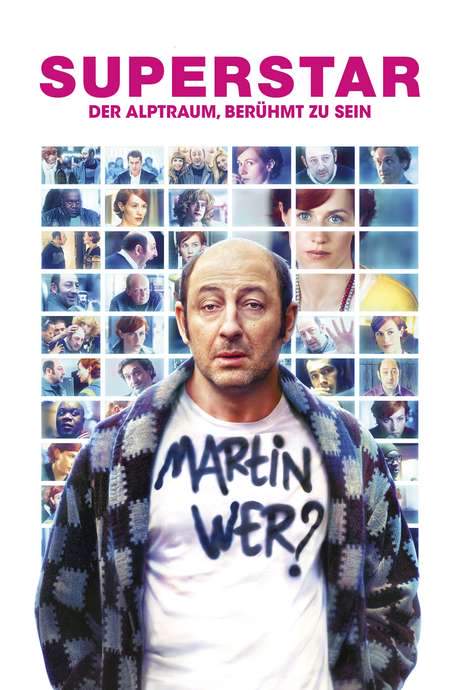
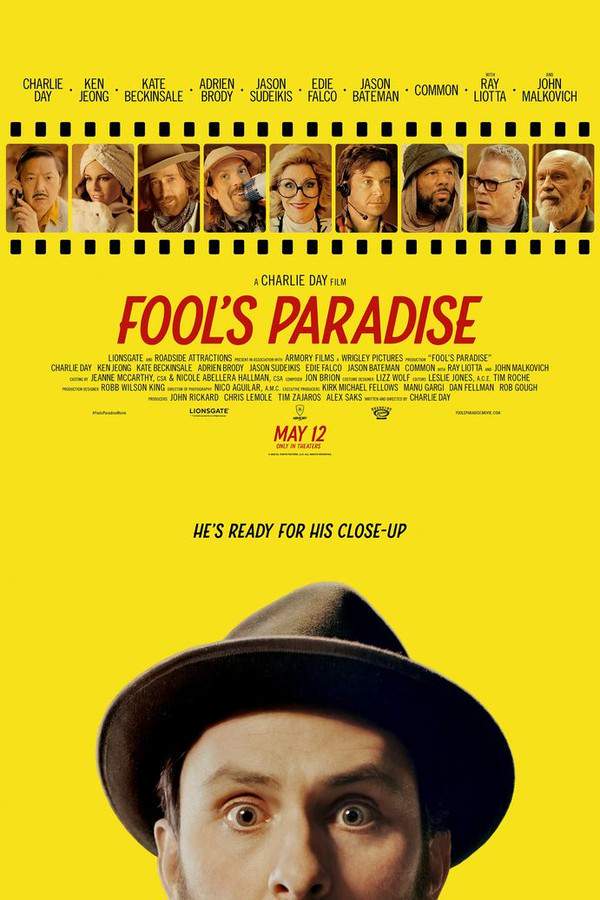
Movies exploring 1980s media like Bingo: The King of the Mornings

Stories set against the vivid backdrop of 1980s television and pop culture. Discover films similar to Bingo: The King of the Mornings that use 1980s television and pop culture as both setting and thematic focus. If you enjoyed the nostalgic yet critical look at 80s media, these movies capture that specific vibe.

  • 80s nostalgia
  • media critique
  • television era
  • pop culture
  • yearning
  • family tension
  • Tone: nostalgic, thoughtful
  • Pacing: steady period pacing
Why these movies?

The story pattern: Stories in this thread typically unfold against the backdrop of 1980s media explosion, following characters navigating the shifting landscape of television, music, or entertainment. The era's distinctive aesthetic serves as more than just setting—it becomes a character that shapes the protagonists' journeys and moral dilemmas.

Why they belong together: These films share a specific blend of nostalgic affection for 1980s pop culture with a critical eye toward its excesses and contradictions. They use the decade's vibrant visual language and cultural touchstones to explore themes of identity, authenticity, and the cost of entertainment.

If you liked this

Movies Like Bingo: The King of the Mornings

Similar movies to Bingo: The King of the Mornings: the same genre, themes or kind of story. Each one comes with its own plot summary, timeline and ending explained.

Browse all movie summaries

Categories

Movie Lists Featuring Bingo: The King of the Mornings

Bingo: The King of the Mornings appears in these hand-built movie categories. Each one groups movies by a specific mood, theme or story type, with their plot summaries and endings explained.

View all movie categories

Every angle

Bingo: The King of the Mornings (2017) Explained: Plot, Timeline & Characters

Everything about Bingo: The King of the Mornings in one place: what happens in the plot summary, the timeline in chronological order, the characters and meaning and a spoiler-free summary. What's After the Movie adds the cast, box office and post-credit scenes.

Coming soon on iOS and Android

The Plot Explained Movie Summary App

Plot summaries, endings explained and timelines on your phone. Catch up on any movie in minutes, save your favorites and never miss a twist again.

Be the first to know when we launch. Your email stays private, always.

Learn more about the app