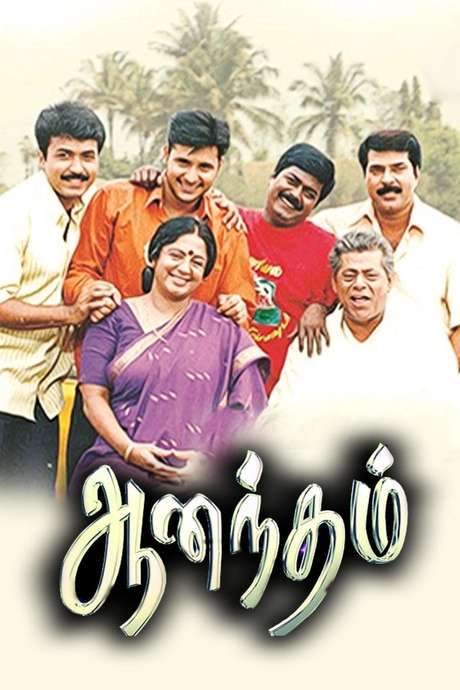
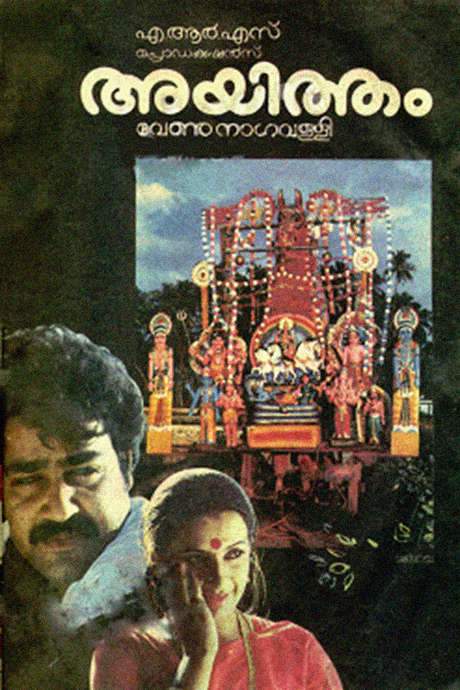
Set in a home where Carnatic music shapes every moment, Gopi Mohanlal (Kalloor Gopinathan) carries the fire of a rich family tradition. His elder brother, Ramanathan Murali, is not only a gifted singer but also a guiding pillar and a stern mentor who has steered the household for years. Ramanathan is married to Ramani Lakshmi, and together they raise a son named Appu Vineeth Kumar. Gopi’s heart also holds a quiet love for Devi Urvashi, Ramani’s sister, which threads tenderness through the brothers’ musical world. The balance of tradition, duty, and affection defines their days as the family’s melodies spill into the wider community.
But the harmony begins to fray when Ramanathan’s life is clouded by alcoholism. Despite repeated efforts by the family to urge him to quit — appeals, promises, and steadfast support — his struggle spirals, leaving everyone to pick up the pieces in his wake. The house remains a sanctuary of music, yet the mood shifts as Ramanathan’s drinking dulls his once-brilliant influence and threatens the legacy he has built.
When a pivotal concert approaches, Gopi steps forward and becomes an instant, undeniable sensation. Freed from the shadow of his famous brother, his voice blooms with a raw, compelling power that captivates the masses. The scene carries a symbolic weight, a turning point when Gopi’s own artistry comes roaring to the fore, a moment beautifully underscored by the song Sree Vinayagam. This triumph sharpens Ramanathan’s envy even as it strengthens Gopi’s resolve to stay true to his craft, and it sets in motion a painful, comic-tragic struggle over who truly carries the family’s musical heritage.
Ramanathan’s pride wavers, and the tension between the brothers intensifies. He grows jealous of the audience’s devotion to Gopi and becomes determined to reclaim his place at the center of their world. The competition intensifies, culminating in the Tyagaraja Aaradhana, a revered festival where the elder brother’s bitterness threatens to derail the younger’s moment in the spotlight. Gopi chooses to test the limits of his own ambition, considering stepping back from singing to spare the family further heartbreak.
Yet history has its own reckoning. When Ramanathan finally concedes and asks Gopi to perform at Tyagaraja Aaradhana, a fragile reconciliation seems possible. The concert becomes a crucible: Ramanathan, intoxicated, makes a dramatic entrance on stage, and in a symbolic gesture of lineage and continuity, he removes his ancestral necklace and places it on Gopi before walking away toward an uncertain horizon. The moment speaks of legacy more than rivalry, a wish that the younger generation should carry the flame forward even as the elder steps aside.
What follows is a pilgrimage of guilt, redemption, and sacrifice. Ramanathan’s disappearance ends in tragedy when he dies in an accident, leaving Gopi to bear the burden of truth. He chooses to shield Devi and the rest of the family from the harsh reality, especially to protect his vocally disabled sister’s marriage prospects. Devi, who knows the truth, provides steady support as the family begins to understand the weight of Gopi’s burden. In the end, the family reaches a quiet acceptance of his intention to guard their legacy, and the film closes on a hopeful note of continuity. Gopi’s journey comes full circle as he begins training Appu to carry forward the family’s musical lineage, ensuring that their shared tradition remains a living, breathing art for generations to come.