Plot Explained Spoilers guaranteed!
Plot Explained

Browse by genre

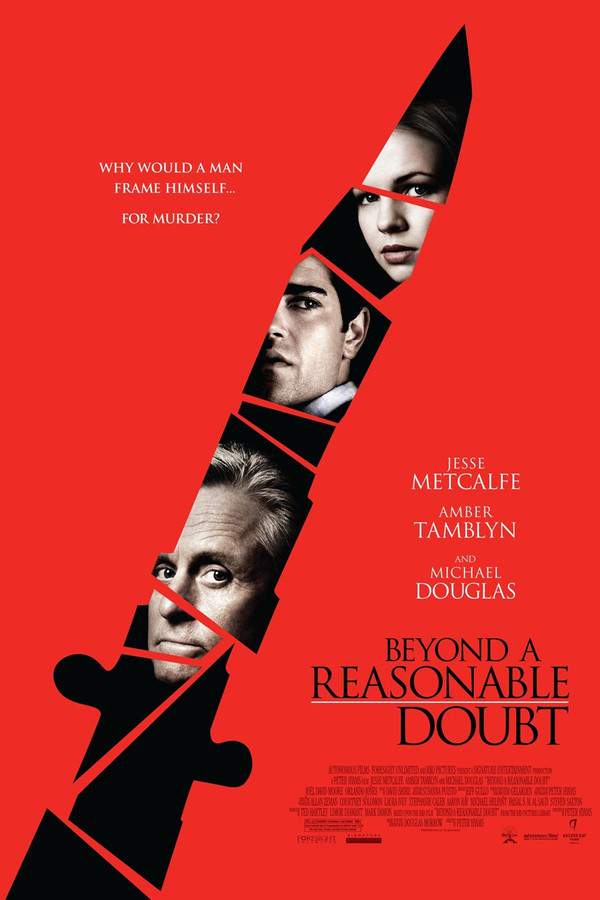
Beyond a Reasonable Doubt (1956) movie poster

Characters & Themes

Beyond a Reasonable Doubt (1956) Characters, Setting & Themes Explained

Release, runtime and language
1956 · 80 mins · English
Directed by
Fritz Lang
Starring
Dana Andrews, Edward Binns, Joan Fontaine, Arthur Franz, Carleton Young, Sidney Blackmer

A newspaper publisher, determined to show that circumstantial evidence is unreliable, convinces his son‑in‑law Tom to stage a hoax. Tom plants false clues implicating him in the murder of a nightclub dancer, aiming to trap city’s hardline district attorney. After Tom’s conviction, the publisher plans to reveal the ruse and humiliate DA.

On this page (8)
  1. 1 Where to watch
  2. 2 Characters explained (7)
  3. 3 Where & when it takes place
  4. 4 Themes & meaning (4)
  5. 5 Character & meaning questions
  6. 6 Movie threads
  7. 7 Movies like Beyond a Reasonable Doubt
  8. 8 Every angle

Where to watch

Where to Watch Beyond a Reasonable Doubt (1956)

Where can you watch Beyond a Reasonable Doubt? Stream, rent or buy it in the US, including on Plex, Amazon Video and Apple TV Store: current JustWatch availability with up-to-date prices.

Streaming availability powered by JustWatch

7 main characters · contains spoilers

Beyond a Reasonable Doubt Characters Explained: Who Is Who

The main characters of Beyond a Reasonable Doubt (1956), heroes and villains: what drives them, how they change over the course of the story and what each of them reveals about the film's bigger ideas.

  • Tom Garrett (Dana Andrews)

    Successful novelist and former employee who agrees to a staged hoax to expose overzealous prosecution. He is charming and resourceful, able to blend into the role of a suspect while staying one step ahead. His calculations drive the plot, but his own secret past complicates his fate. By the end, Tom's contrived innocence clashes with a real crime he has committed.

    • 🧠 Clever
    • 🕵️‍♂️ Calculating
    • 💼 Ambitious
  • Susan Spencer (Joan Fontaine)

    Editor and the driving force behind the newspaper's response to the case. She shifts from observer to active force, using reporting to challenge the district attorney and mobilize public opinion. Her loyalty to Tom is tested as the truth about his past emerges. She ultimately chooses to reveal the crime even as it threatens her relationship with Tom.

    • 📰 Investigative
    • 💪 Determined
    • 🗣️ Courageous
  • Austin Spencer (Sidney Blackmer)

    Wealthy newspaper publisher and reform-minded patron who believes in exposing flaws in the justice system. He orchestrates the hoax to demonstrate how easily a case can be manipulated. His death in a car accident abruptly ends the plan, leaving others to face the consequences.

    • 🎭 Visionary
    • 💼 Powerful
    • 🧭 Calculated
  • Roy Thompson (Philip Bourneuf)

    Ambitious district attorney who drives the case with zeal and self-assurance. He becomes a casualty of the hoax when the planted evidence looks convincing. He is forced to confront the limits of prosecutorial power as the truth emerges.

    • ⚖️ Prosecution
    • 🕵️ Overzealous
    • 🧩 Flawed judgment
  • Patty Gray

    Nightclub dancer whose murder provides the central setup for the hoax. Her death is the catalyst that drives the prosecution and the media's involvement. She represents the real victim that reveals the fragility of fabricated evidence.

    • 🎭 Nightlife
    • 💔 Victim
    • 🕵️‍♂️ Catalyst
  • Governor (Charles Evans)

    Political authority who ultimately decides whether to pardon Tom. His decision is influenced by new information and the newspaper's campaign to reveal the truth.

    • 🏛️ Authority
    • 🗳️ Politics
  • Judge (Rusty Lane)

    Presiding judge who initially resists reopening the case, embodying the formal limits of the system. His decisions shift under pressure from new evidence and public sentiment.

    • ⚖️ Judicial system
    • 🕰️ Deliberation

Last updated: October 04, 2025 at 14:36

Was this helpful?

Setting

Where and When Does Beyond a Reasonable Doubt Take Place?

The setting of Beyond a Reasonable Doubt (1956): the year and time period, the places and locations, and how they shape the characters, the mood and the tension of the story.

Time period

1950s

Set in the 1950s, the story mirrors postwar debates on capital punishment and media-driven justice. It captures the era's fast-paced news cycle and the sense that headlines can determine outcomes. The setting emphasizes the fragility of due process when public sentiment becomes a player in a case.

Location

Courtroom, Newspaper Office, Prison, Nightclub, City Streets

Set against a bustling urban backdrop, the film moves through a courthouse, a newspaper office, and the streets of a big American city. Key scenes unfold in a nightclub where clues are gathered, a newsroom where public opinion is shaped, and a prison where the protagonist faces execution. The locations together form a web of public power, media influence, and legal procedure.

  • 🗽 Urban setting
  • 🕰️ 1950s era
  • ⚖️ Legal drama

Last updated: October 04, 2025 at 14:36

Was this helpful?

4 major themes

Beyond a Reasonable Doubt Meaning: Themes & Message Explained

What is Beyond a Reasonable Doubt (1956) really about? The emotional, social and philosophical themes the film keeps returning to, its symbolism and the message beneath the surface.

  • Justice & Manipulation

    Justice in the film is shown to be vulnerable to strategy and manipulation. Austin Spencer's plan turns a real murder into a staged lesson about the system, exposing how circumstantial clues can be manufactured. Tom Garrett's conviction demonstrates how quickly truth can be bent when power and publicity are at stake. The twist—Spencer's death and Tom's eventual confession—leaves the audience questioning whether the ends ever justify the means.

  • Media Power

    The newspaper is a battleground where editors wield influence over public perception. Susan Spencer inherits the paper and uses it to challenge the district attorney and mobilize opinion against wrongful prosecution. The hoax is designed to play to readers and judges alike, showing the media's capacity to shape a case. The climax reveals that press coverage can both reveal truth and push toward questionable shortcuts.

  • Guilt & Truth

    Several layers of guilt complicate the story beyond a straightforward murder case. Tom's original crime (Emma) is only disclosed through a carefully placed revelation, forcing characters to reconsider what they believed. The plot keeps shifting the line between innocence and responsibility, making the audience question who truly deserves mercy. The film suggests truth is fragile, often built on what gets publicly proven rather than what is secretly true.

  • Public Punishment

    Capital punishment becomes a central motif, highlighting the performative nature of justice. The forged evidence and hurried executions reveal how fear of crime can drive extreme measures. When a pardon is nearly secured and then canceled, the system's fallibility is exposed. The governor's intervention underscores that punishment is not only legal but deeply political.

Last updated: October 04, 2025 at 14:36

Was this helpful?

Character & theme questions

Beyond a Reasonable Doubt Characters & Meaning: Your Questions Answered

The questions people ask about Beyond a Reasonable Doubt (1956): who the characters really are, their relationships, what the symbols mean, where it takes place and what the movie is really about. Each answer contains spoilers.

Q1

Where is Beyond a Reasonable Doubt set?

The film takes place in a bustling urban American city, primarily spanning locations like a courthouse, a newspaper office, a nightclub, prison, and city streets. These settings create a web of public power, media influence, and legal procedure that drives the story's tension.

  • setting
  • locations
  • urban
  • courthouse
  • newspaper office
  • nightclub
  • prison
Q2

When does the story take place?

Beyond a Reasonable Doubt is set in the 1950s, mirroring postwar debates on capital punishment and media-driven justice. The era's fast-paced news cycle and the sense that headlines can determine outcomes are central to the film's commentary on due process.

  • 1950s
  • era
  • time period
  • postwar
Q3

What are the main themes of Beyond a Reasonable Doubt?

The film explores several interconnected themes including justice and manipulation, media power, guilt and truth, and public punishment. The core theme examines how the justice system can be manipulated through circumstantial evidence and how truth becomes fragile when public sentiment influences legal outcomes.

  • themes
  • justice
  • manipulation
  • media
  • guilt
  • truth
  • punishment
Q4

How does the film portray media power?

The newspaper serves as a battleground where editors wield significant influence over public perception. Through Susan Spencer's actions, the film shows how media can both challenge authority and shape public opinion, revealing the media's capacity to influence a case, both positively and through questionable shortcuts.

  • media
  • newspaper
  • press
  • public opinion
  • editor
Q5

What does Beyond a Reasonable Doubt say about capital punishment?

Capital punishment is a central motif highlighting the performative nature of justice. The film reveals how forged evidence and hurried executions expose the system's fallibility when fear of crime drives extreme measures. The political nature of punishment becomes clear through the governor's involvement.

  • capital punishment
  • death penalty
  • execution
  • justice system
Q6

Who is Tom Garrett in the film?

Tom Garrett is a successful novelist and former newspaper employee who agrees to stage a hoax to expose overzealous prosecution. He is charming and resourceful, planting false clues to demonstrate how easily a case can be manipulated. However, his own secret past complicates his fate, introducing questions of genuine guilt beneath his contrived innocence.

  • Tom Garrett
  • novelist
  • protagonist
  • hoax
Q7

Who is Susan Spencer in Beyond a Reasonable Doubt?

Susan Spencer is the editor of the newspaper and daughter of publisher Austin Spencer. She evolves from observer to active force, using reporting to challenge the district attorney and mobilize public opinion. Her loyalty to Tom is tested when his past crime emerges, ultimately leading her to reveal the truth despite threatening her relationship.

  • Susan Spencer
  • editor
  • newspaper
  • Austin Spencer
Q8

What drives Austin Spencer's actions?

Austin Spencer is a wealthy newspaper publisher and reform-minded patron who believes in exposing flaws in the justice system. He orchestrates the elaborate hoax to demonstrate how circumstantial evidence can be manufactured, aiming to prove that the system relies too heavily on inconclusive proof.

  • Austin Spencer
  • publisher
  • newspaper
  • hoax
  • justice system
Q9

Who is Roy Thompson in the film?

Roy Thompson is the ambitious district attorney who drives the prosecution with zeal and self-assurance. He becomes a casualty of the hoax when planted evidence appears convincing. Thompson is forced to confront the limits of prosecutorial power as the truth emerges, representing the system's overreach that the film critiques.

  • Roy Thompson
  • district attorney
  • prosecutor
  • DA
Q10

What genre is Beyond a Reasonable Doubt?

Beyond a Reasonable Doubt is a crime drama and thriller that falls into the murder mystery category. It is specifically styled as a suspenseful crime thriller designed to keep audiences questioning the nature of evidence, guilt, and justice throughout.

  • genre
  • crime
  • drama
  • thriller
  • mystery
Q11

What is the tone of Beyond a Reasonable Doubt?

The film maintains a consistently tense tone driven by the high-stakes gamble of the hoax and the constant threat of irreversible execution. The emotional journey moves from intellectual idealism to raw survival, culminating in a bleak conclusion where no character achieves clear victory and the justice system emerges fundamentally tarnished.

  • tone
  • mood
  • tense
  • suspense
  • bleak

Movie threads

More Movies Like Beyond a Reasonable Doubt, by Mood & Story

Curated lists built around what makes Beyond a Reasonable Doubt tick: the same mood, the same kind of story or the same emotional payoff. Each list explains why these movies belong together.

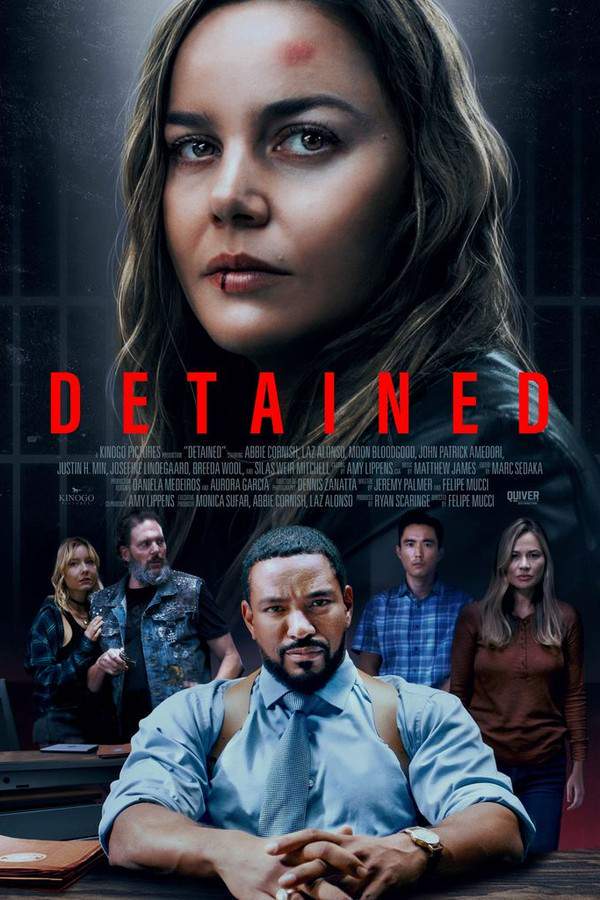
Movies about risky justice games like Beyond a Reasonable Doubt

Plans to expose systemic flaws spiral into uncontrollable personal ruin. If you enjoyed the dangerous intellectual gamble of Beyond a Reasonable Doubt, this thread features similar movies where characters attempt to manipulate the legal system, only for their plans to backfire with severe consequences. Expect tense, morally complex stories about hubris, betrayal, and the unpredictable nature of truth.

  • high stakes
  • tense
  • cynical
  • morally ambiguous
  • race against time
  • betrayal
  • Tone: tense, cynical, bleak
  • Pacing: steady, methodical build
Why these movies?

The story pattern: The narrative typically begins with a calculated plan, often based on an idealistic or cynical premise about a flawed institution. The protagonist actively sets the wheels in motion, confident in their ability to control the outcome. However, an unforeseen event—a twist of fate, a betrayal, or the system's raw power—turns the experiment into a grim reality, forcing a shift from intellectual exercise to a visceral race against time.

Why they belong together: They are grouped by their shared foundation of a high-concept, risky plot that critiques authority, combined with a tone of escalating dread as the protagonist's clever plan becomes a life-or-death prison. The pacing is steady and methodical, building towards a bleak revelation about the futility of trying to outsmart chaos.
Bleak critiques of justice like in Beyond a Reasonable Doubt

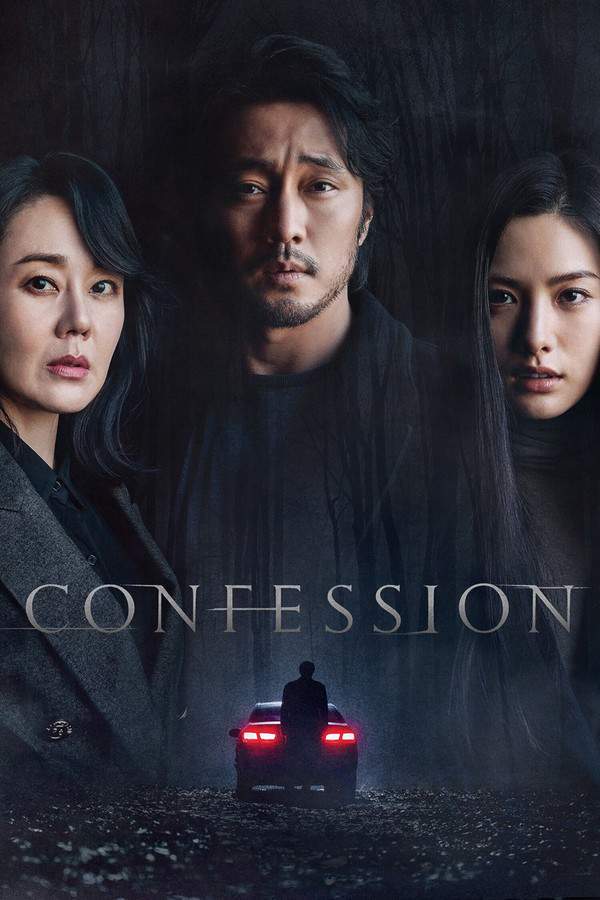
Stories where the search for truth only reveals a deeper corruption. For viewers who appreciated the cynical conclusion of Beyond a Reasonable Doubt, this collection features movies that similarly challenge the integrity of the legal system. Explore tense dramas and thrillers where the pursuit of justice leads to moral collapse, exposing corruption and leaving a lasting sense of ambiguity and disillusionment.

  • cynical
  • grim
  • morally ambiguous
  • suspenseful
  • anxious
  • judicial injustice
  • Tone: grim, tense, morally ambiguous
  • Pacing: steady, deliberate
Why these movies?

The story pattern: The emotional journey in these films is one of declining faith. Characters may start with a belief in the system, but through a process of manipulation, exposed lies, and institutional failure, they arrive at a grim new understanding. The conflict is often less about catching a culprit and more about revealing how truth is constructed and weaponized, resulting in endings where no one is truly vindicated.

Why they belong together: They share a heavy emotional weight and a complex, often twisting narrative that deconstructs the idea of objective truth. The tone is consistently tense and grim, driven by themes of political manipulation, media influence, and the devastating human cost of judicial failure. The pacing is steady, allowing the moral unease to build methodically.

If you liked this

Movies Like Beyond a Reasonable Doubt

Similar movies to Beyond a Reasonable Doubt: the same genre, themes or kind of story. Each one comes with its own plot summary, timeline and ending explained.

Browse all movie summaries

Every angle

Beyond a Reasonable Doubt (1956) Explained: Plot, Timeline & Characters

Everything about Beyond a Reasonable Doubt in one place: what happens in the plot summary, the timeline in chronological order, the characters and meaning and a spoiler-free summary. What's After the Movie adds the cast, box office and post-credit scenes.

Coming soon on iOS and Android

The Plot Explained Movie Summary App

Plot summaries, endings explained and timelines on your phone. Catch up on any movie in minutes, save your favorites and never miss a twist again.

Be the first to know when we launch. Your email stays private, always.

Learn more about the app