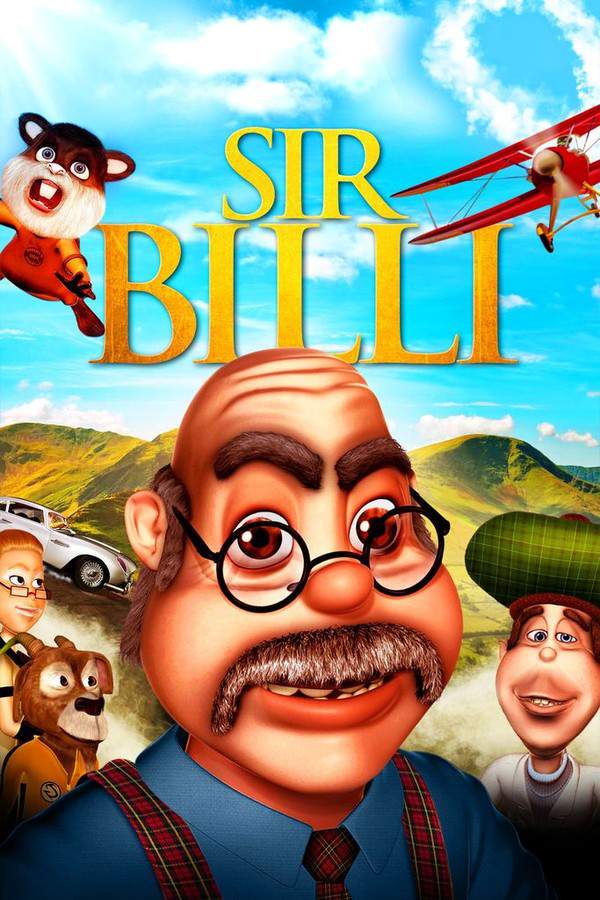
Captain William Horatio Ambrose longs to live up to the proud family naval tradition, but a debilitating problem stands in his way: violent seasickness. As a result, his contribution during the Second World War consists of testing cures for this malady. When he retires from the Royal Navy, he invests his life savings in a dilapidated late Victorian era amusement pier, the closest thing he has to a command of his own. The project draws in a relatively indifferent crew, led by Figg, an insolent figure who quits as soon as Ambrose begins laying down a firmer set of rules. With the help of a new second-in-command, Tommy, a former RN rating, and a lively group of bored local teenagers, the pier slowly begins to take shape and stand up to the elements and apathy alike.
Ambrose’s progress soon runs into the friction of local politics. The town council, steered by the crooked Mayor Crowley and the prickly Arabella Barrington, clashes with his plans at every turn. Barrington, in particular, mistakes Ambrose for a Peeping Tom during their first encounter, complicating an already delicate recovery effort. Each time Ambrose conceives a new idea to make the pier profitable, the council finds a way to outlaw it, testing his resolve and his ingenuity.
The conflict intensifies when Crowley moves to seize and demolish Ambrose’s pier and Barrington’s bathing huts under a broader “compulsory purchase” scheme designed to advance his own interests. In a sharp counter-move, Ambrose registers his property as a “foreign” naval vessel, christening it the Arabella and flying the flag of convenience of a laid-back country called Liberama. This audacious maneuver effectively shields his enterprise from the town’s jurisdiction and opens the door to a novel, stationary cruise that attracts paying passengers, offering a sense of adventure and novelty in the seaside landscape.
Undeterred, Crowley escalates his tactics by hiring Figg to operate a dredger and demolish the structure under cover of night. The setback could have crushed Ambrose, but thanks to a seasickness remedy suggested by Barrington, he is able to take to sea and thwart the plan. In this moment, his ghostly ancestors appear to lend their approval, lending a touch of reverie to the maritime rescue. Yet the victory comes at a price: part of the pier tears loose and floats away while Ambrose remains aboard to prevent salvagers from claiming it.
The tale closes on an almost buoyant note as Ambrose drifts toward France, where his bold stand and unorthodox nautical stunt earn him the unexpected accolade of a naval hero. The journey reframes his lifelong aspiration—turning a personal limitation into a public spectacle of ingenuity and courage, and leaving the town to reckon with the consequences of ambition, revenge, and resilience.