Plot Explained Spoilers guaranteed!
Plot Explained

Browse by genre

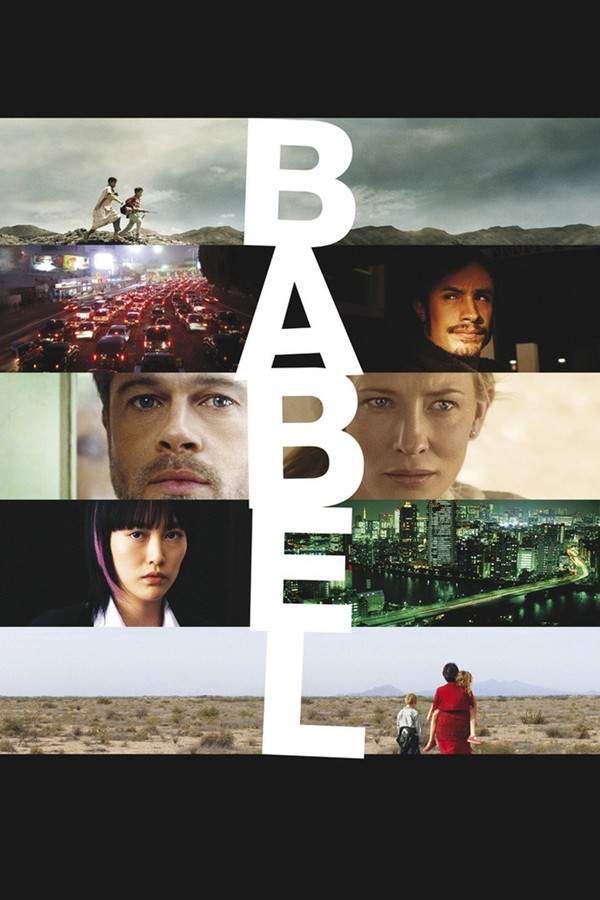
Babel (2006) movie poster

Plot Summary

Babel (2006) Plot Summary Explained

Release, runtime and language
2006 · 143 min · Arabic
JustWatch #5,675 91
Directed by
Alejandro González Iñárritu
Starring
Cate Blanchett, Brad Pitt

A single gunshot in Morocco sets off a chain of events that connect the lives of four families spanning continents. An American couple faces a dangerous situation, while two young boys in Morocco commit an unintentional crime. A nanny undertakes a challenging journey with two American children, and in Japan, a teenager struggles against societal expectations and parental control. Each family's story is deeply affected by the others, highlighting the complexities of communication and connection in a fractured world.

On this page (6)
  1. 1 Where to watch
  2. 2 What happens: full plot
  3. 3 Plot questions answered
  4. 4 Movie threads
  5. 5 Movies like Babel
  6. 6 Every angle

Where to watch

Where to Watch Babel (2006)

Where can you watch Babel? Stream, rent or buy it in the US, including on Paramount Plus Essential, Paramount Plus Premium and Hoopla: current JustWatch availability with up-to-date prices.

Streaming availability powered by JustWatch

Full plot summary · contains spoilers

What Happens in Babel: Full Plot Summary

The whole story of Babel (2006) explained, from the opening scene to the final frame: every key event, every twist and what it all adds up to. Read it as a quick recap before the sequel, to check a scene you missed, or to finally understand what really happened.

A Moroccan Arab sells a shotgun to a goat herder, who plans to use it against the jackals threatening his herd. He hands the rifle to his sons, who practice shooting at various targets during their herding. In a reckless move, the youngest takes aim at a passing tour bus and fires a shot, causing the bus to halt abruptly.

Meanwhile, a Mexican nanny named Amelia is in charge of two young American children. While they play, she receives a phone call informing her that the man she works for will need her to care for the kids longer than expected. Despite explaining that she has to attend her son's wedding that night, he insists she stay. With no one else available to help, Amelia reluctantly packs the children and heads to Mexico, driving with her nephew.

In Morocco, an American couple, Richard and Susan, sit in a cafe, where Susan expresses her agitation and sadness, accusing Richard of trying to escape their troubles. As they ride through the desert on a tour bus, tragedy strikes when Susan is shot through the window, the bullet lodging into her shoulder.

Across the globe, a deaf and mute Japanese teenager, Chieko, struggles with her emotions after her volleyball team blames her for their loss. While her father attempts to connect with her over lunch, she is drawn to the attention of some boys, only to be left frustrated by their inability to communicate. In a desperate bid for connection, she exposes herself in a provocative moment with them.

Back in Morocco, the goat herding boys rush home earlier than usual, where they learn that a terrorist has killed an American woman. Amelia and the kids easily cross into Mexico, where wedding festivities are already underway, and the children revel in the celebrations.

Richard and Susan are in a frantic state, deciding where to take her for medical aid. The closest hospital is four hours away, while a clinic is 90 minutes distant. With desperation mounting, they aim for a local village where a doctor resides. Although other passengers on the bus want to leave, Richard insists on staying for Susan’s sake. Upon the arrival of the village doctor, he quickly assesses her condition: her shoulder bone is broken, and stitching is necessary to prevent fatal blood loss, all done without anesthesia.

Back in Japan, Chieko has her own dilemmas; she experiences a highly inappropriate incident during a dental appointment, highlighting her struggle for emotional expression and connection. She later encounters police inquiring about her father, whose name has arisen in the aftermath of the Moroccan shooting incident.

As tensions rise, the Moroccan boys conceal the firearm, while police investigations unfold. An officer uncovers gun shells at the site where the bus was shot at, leading to a violent confrontation where the father and his sons fight to defend themselves against the pursuing authorities.

The wedding party in Mexico continues, but Amelia's day spirals. Dismissing the groom’s concerns about her nephew's sobriety, they evade border checks, leading to perilous consequences. Richard and a tour guide discuss parenting while Susan rests, highlighting their shared traumas as Richard learns about the delays imposed by the American embassy in dispatching medical help.

Chieko’s world swirls with loneliness as she attempts to forge connections with those around her. The web of incidents across multiple narratives intertwine, from the tragic consequences of a stray bullet to familial bonds stretching across countries. As the chaos unfolds, choices made lead to lasting repercussions, both expected and unforeseen.

Susan and Richard, amid uncertainty about the future, pledge not to abandon each other in their darkest moments. Chieko confronts her own issues with her father's authority amidst questions related to a hunting rifle linked to tragedy. The film culminates in a heart-wrenching exchange, where deeply buried emotions surface, revealing the tangled connections each character has to the others.

Ultimately, it is a morning after darkness has descended—Amelia and the children await rescue in the desert, while the looming specter of tragedy reminds everyone of the fragility of life and kinship, echoing through their choices and the lives they touch. In the end, connections are resolved and unresolved alike, demonstrating the far-reaching echoes of each event rippling across borders and hearts.
Last updated: November 03, 2024 at 23:54

Was this helpful?

Plot questions answered

Babel Plot Explained: Your Questions Answered

The questions people ask most about Babel (2006): what happens in the confusing scenes, why the characters do what they do, the twists, hidden details and what the ending means. Each answer contains spoilers.

Q1

Why did the youngest son shoot at the tour bus in Morocco?

The youngest son of the goat herder was practicing with the shotgun his father gave him for protecting the herd from jackals. In a reckless moment, he aimed at a passing tour bus and fired, not intending to hit anyone but causing the bullet to strike Susan through the window. The act was playful recklessness rather than intentional violence.

Foreshadowing: The boys had been practicing shooting at various targets throughout the day, making the bus just another target in their eyes.

  • moroccan boys
  • shotgun
  • bus shooting
  • reckless child
Q2

Why did Amelia take the American children to Mexico against their father's wishes?

Amelia's employer told her he needed her to care for the children longer than expected. When Amelia explained she needed to attend her son's wedding that night, he insisted she stay with no alternative help available. With no other choice and feeling obligated, she reluctantly packed the children and drove to Mexico with her nephew, bringing them to the wedding against explicit instructions.

Foreshadowing: Amelia's dilemma establishes the conflict between her professional obligations and her personal life, setting her on a tragic path.

  • amelia
  • nanny
  • mexico
  • children
  • wedding
  • boundary crossing
Q3

What is the connection between Chieko's father and the shooting in Morocco?

Chieko's father is a wealthy Japanese businessman who purchased the shotgun from the Moroccan Arab. The gun he bought is the same one that ended up with the goat herder and was used by his sons to fire the shot that injured Susan. This connection explains why police question Chieko about her father during the film.

Foreshadowing: The film hints at the gun's origin through the investigation sequences, revealing how a purchase in Japan directly enables tragedy in Morocco.

  • chieko
  • father
  • shotgun
  • japan
  • morocco
  • gun trace
Q4

Why is Susan so agitated and upset at the beginning of the film?

Susan is emotionally distressed because she believes Richard, her husband, is using their trip to Morocco as an escape from their marital problems. In the cafe scene, she accuses him of trying to run away from their troubles rather than facing them together. This tension between the couple provides emotional context for the tragedy that follows.

Foreshadowing: Their fractured relationship at the cafe sets up the emotional stakes before the shooting abruptly changes everything.

  • susan
  • richard
  • marital tension
  • emotional distress
  • escape
Q5

Why did Amelia's nephew drive drunk with the children in the car?

Amelia's nephew had been drinking at the wedding celebration. When they needed to cross back into the United States, Amelia's nephew was intoxicated but chose to drive anyway. He was also distracted by a disagreement with the groom about his sobriety. This dangerous decision leads to the children being stranded in the desert after a crash.

Foreshadowing: Earlier tension over the nephew's drinking at the wedding foreshadows this catastrophic choice.

  • nephew
  • drunk driving
  • children
  • border
  • desert
  • consequences
Q6

Why did the police confront the goat herder and his sons so violently?

Police discovered spent shotgun shells at the scene where the bus was shot. They traced the gun back to the goat herder and went to his home to question him and his sons. When the family resisted arrest and fought back to protect themselves, the confrontation turned violent. The father and sons defended against what they perceived as aggressive authority intrusion.

Foreshadowing: The investigation scenes earlier showed officers collecting evidence and following the gun's trail.

  • police
  • goat herder
  • sons
  • confrontation
  • arrest
  • resistance
Q7

Why did Richard insist on staying with Susan when other passengers wanted to leave?

After Susan was shot, Richard refused to abandon her despite other bus passengers wanting to continue their journey. He demanded they wait for medical help, showing his commitment to standing by her. This moment transforms their relationship, as Richard proves he will not leave her side even in life-threatening circumstances.

Foreshadowing: Their earlier marital tension makes this dedication even more significant as a turning point.

  • richard
  • susan
  • bus
  • stay
  • commitment
  • medical help
Q8

Why does Chieko expose herself to the boys at the convenience store?

Chieko is a deaf-mute teenager who feels profoundly isolated and unable to connect with others. After her volleyball team blamed her for their loss and her father struggles to communicate with her, she acts provocatively toward boys at a convenience store in a desperate attempt to feel noticed and connected. Her actions stem from emotional desperation and loneliness rather than sexual intent.

Foreshadowing: Her earlier frustration with her father's inability to communicate and her team's rejection set up this breaking point.

  • chieko
  • isolation
  • deaf
  • mute
  • provocative
  • desperation
  • connection
Q9

How did the village doctor treat Susan's bullet wound?

The village doctor assessed Susan's condition and determined her shoulder bone was broken and she needed stitches to prevent fatal blood loss. He performed the procedure without anesthesia, causing her intense pain but saving her life. Richard stayed by her side throughout the traumatic treatment.

Foreshadowing: The desperate drive to find any medical help built tension toward this grim necessity.

  • doctor
  • village
  • susan
  • wound
  • treatment
  • anesthesia
  • pain
Q10

Why was there a delay in getting medical help for Susan?

Richard and Susan's situation was complicated by the fact that they were American tourists in Morocco. The American embassy was slow to dispatch medical assistance, creating frustration. The tour guide discussed these delays with Richard, highlighting bureaucratic challenges in getting emergency help for foreign nationals in a remote area.

Foreshadowing: This delay motivated Richard's desperate decision to seek local help rather than wait for official channels.

  • embassy
  • medical help
  • delay
  • bureaucracy
  • american
  • morocco
Q11

What happens to Amelia and the children at the end of the film?

After the crash, Amelia and the two children are stranded in the desert, waiting for rescue. This moment represents the consequences of her poor decision to bring them across the border. The ending is bittersweet, while they survive, they face an uncertain rescue in a harsh landscape, symbolizing the fragility of their situation.

Foreshadowing: The earlier border crossing and dangerous driving set up this climactic moment of reckoning.

  • amelia
  • children
  • desert
  • rescue
  • ending
  • crash
  • survival
Q12

What does the title Babel mean in relation to the film?

Babel refers to the biblical Tower of Babel, a story about humanity's attempt to build a tower reaching heaven and the resulting confusion of languages that fractured communication. The film explores how miscommunication, cultural barriers, and inability to understand each other across languages and cultures lead to tragedy, a modern interpretation of that ancient story of fractured connection.

Foreshadowing: The film's multiple storylines across different countries with different languages establish this theme from the opening scenes.

  • babel
  • title
  • meaning
  • communication
  • language
  • cultural barriers
  • theme

Movie threads

More Movies Like Babel, by Mood & Story

Curated lists built around what makes Babel tick: the same mood, the same kind of story or the same emotional payoff. Each list explains why these movies belong together.

Interwoven global tragedies like in Babel

Single events ripple across continents, connecting disparate lives through tragedy. If you liked the complex, interconnected narrative of Babel, you'll find similar movies here. These films use multiple storylines across different cultures to explore how small events can trigger large-scale, tragic consequences, creating a powerful and emotionally heavy viewing experience.

  • interconnected
  • tragic
  • somber
  • provocative
  • desperate
  • frustrating
  • Tone: melancholic, tragic
  • Pacing: variable, contemplative
Why these movies?

The story pattern: Stories in this thread typically follow a non-linear or mosaic structure, jumping between geographically and culturally separate narratives that are subtly or directly linked. The plot unfolds through cause-and-effect, where the actions of one character profoundly affect the lives of others they will never meet, often highlighting themes of miscommunication and fate.

Why they belong together: These movies are grouped together because they share a specific narrative architecture and thematic focus. They create a similar viewing experience of piecing together a grand, tragic puzzle from fragmented human stories, leading to a profound reflection on global interdependence and shared humanity.

Movies about high-stakes miscommunication like Babel

Characters pushed to the brink by their inability to connect or be understood. For viewers who appreciated the tense desperation in Babel caused by characters failing to understand each other. These movies feature high-pressure situations where the inability to communicate leads to tragic mistakes, intense drama, and a deep exploration of isolation and the human need for connection.

  • anxious
  • desperate
  • frustrating
  • lonely
  • tense
  • tragic
  • Tone: tense, melancholic
  • Pacing: variable, tense
Why these movies?

The story pattern: The narrative pattern revolves around a critical situation where clear communication is vital for survival or resolution, but is impossible to achieve. This creates a snowball effect of misunderstandings, poor decisions, and mounting tension. The character journey is often one of profound frustration and isolation, battling against circumstances exacerbated by their alienation.

Why they belong together: These films share a core emotional engine: the visceral anxiety and tragedy that results when people cannot bridge the gaps between them. They deliver a similar vibe of high tension mixed with melancholic reflection on the barriers—both external and internal—that prevent human understanding.

If you liked this

Movies Like Babel

Similar movies to Babel: the same genre, themes or kind of story. Each one comes with its own plot summary, timeline and ending explained.

Browse all movie summaries

Every angle

Babel (2006) Explained: Plot, Timeline & Characters

Everything about Babel in one place: what happens in the plot summary, the timeline in chronological order, the characters and meaning and a spoiler-free summary. What's After the Movie adds the cast, box office and post-credit scenes.

Coming soon on iOS and Android

The Plot Explained Movie Summary App

Plot summaries, endings explained and timelines on your phone. Catch up on any movie in minutes, save your favorites and never miss a twist again.

Be the first to know when we launch. Your email stays private, always.

Learn more about the app