Year: 1995
Runtime: 125 mins
Language: Tamil
Kuppusamy, a man, dreams of joining Pandi’s troupe that performs at Hindu festivals. After Baasi is expelled, Pandi accepts him. Ponnamma, Pandi’s blind daughter, falls for him. Pandi dies onstage, splitting the troupe. Kuppusamy and Ponnamma go for film, where Baasi rapes and kills Ponnamma. Kuppusamy is in a mental hospital, escapes, and seeks revenge.
Warning: spoilers below!
Haven’t seen Avatharam yet? This summary contains major spoilers. Bookmark the page, watch the movie, and come back for the full breakdown. If you're ready, scroll on and relive the story!
Read the complete plot breakdown of Avatharam (1995), including all key story events, major twists, and the ending explained in detail. Discover what really happened, and what it all means.
Nassar plays Kuppusamy, an innocent man whose quiet dream is to join Paandi’s folk theatre troupe, a group that travels from festival to festival, bringing vibrant performances to rural Tamil Nadu during Hindu celebrations. The troupe carries a rough edge as well, and Baasi, a troublemaking member, is expelled from the group for his ill behavior. Yet hope persists: the troupe’s charismatic leader, Delhi Ganesh as Paandi, eventually welcomes Kuppusamy into the fold, and Ponnama, Paandi’s blind daughter, played by Revathi, finds herself drawn to Kuppusamy’s earnest spirit. The budding romance between Kuppusamy and Ponnama adds a fragile warmth to the troupe’s daily grind, a life spent chasing stages and festival lights in a landscape where luck can flip in an instant.
As the temple committee undergoes a change in leadership, the festival organizers tilt in favor of female dancers, sidelining Paandi’s troupe despite their long-standing presence at village temple celebrations. The shift brings new strains and open mistreatment, with Baasi and the new temple chairman turning the troupe into a target of abuse. Paandi makes a heartfelt plea, arguing that the troupe’s performances are part of the village’s cultural fabric and have sustained generations of artists. But the plea comes too late: the hard reality of economic dependence on folk drama bites hard, and the tragedy of a stage death strikes during a crucial festival performance. Paandi dies on stage, a blow that reverberates through the troupe and fractures their unity; with pride wounded and livelihoods at stake, the members drift apart, each facing an uncertain future outside the familiar echo of drums and chants.
Driven by a stubborn hope, Kuppusamy and Ponnama leave the village for Chennai, dreaming of a break into cinema. Their journey brings them to the doorstep of an advocate who offers shelter for the night and counsel about returning to the village to rebuild what might still be salvaged. The advocate, portrayed by Srividya, becomes a pivotal but fleeting beacon in their attempt to navigate a cruel, indifferent city. One last encounter with Baasi tests their fragile plans: Baasi offers a dangerous alliance, and his willingness to accommodate them comes with a horrifying price. He rapes and kills Ponnama, leaving Kuppusamy crushed and the world around him spinning with outrage and injustice.
Wrongly accused, Kuppusamy is branded a lunatic by a harsh judge and is confined to a mental hospital, from which he eventually escapes. The escape fuels a singular, consuming resolve: to avenge Ponnama and to confront the man who shattered their fragile dreams. Baasi, sensing the danger closing in, seeks police protection to shield himself as the net tightens around Kuppusamy. The chase culminates in a brutal confrontation: Kuppusamy eliminates the first line of opposition by killing the policemen who stand in his way, and a violent clash with Baasi follows. In the end, the conflict reaches its deadly peak as Kuppusamy defeats Baasi, a grim closure to a story built on faith, artistry, betrayal, and the merciless price of revenge.
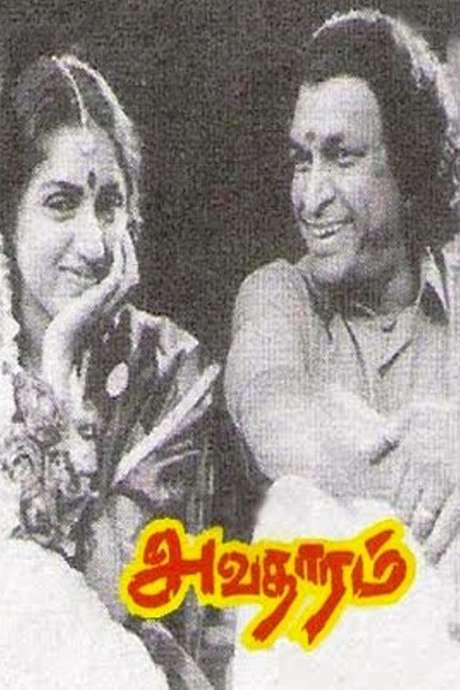
Last updated: February 17, 2026 at 19:58
Explore frequently asked questions about Avatharam (1995) with spoiler-rich answers covering the full plot summary, major story beats, character motivations, hidden details, and ending meaning. This movie summary FAQ helps explain confusing scenes, plot twists, and narrative decisions in clear, searchable detail.
Baasi was expelled from Paandi's folk theatre troupe due to his persistent bad behavior and disruptive influence on the group. His expulsion created a vacancy that allowed Kuppusamy to join the troupe later.
Earlier scenes establish Baasi as a troublemaker, making his violent actions against Ponnamma foreshadowed by his known destructive tendencies.
The temple committee underwent a leadership change, and the new organizers preferred female dancers over Paandi's traditional folk troupe. This shift economically harmed the troupe and led to their mistreatment by Baasi and the new temple chairman.
The change in leadership is mentioned before the festival season begins, establishing the economic threat that will later devastate the troupe.
Paandi died on stage during a crucial festival performance. The exact medical cause isn't specified, but the death came as a devastating blow amid the troupe's mounting pressures from losing festival bookings and facing public abuse.
The mounting stress from the temple committee's rejection and the troupe's uncertain future creates the emotional strain that leads to this tragic moment.
After Paandi died on stage, the troupe fractured because members could not sustain themselves financially through folk drama alone. Without their charismatic leader and with their livelihood threatened by the changing festival landscape, each member drifted apart to face an uncertain future.
The earlier loss of festival bookings and the economic pressure on the troupe foreshadows their inability to survive without Paandi's leadership.
Kuppusamy and Ponnamma left for Chennai seeking opportunities in cinema, hoping to find a livelihood beyond the village's diminishing festival stages. They dreamed of breaking into film acting as a way to rebuild their lives after the troupe's collapse.
Their romantic relationship and the troupe's dissolution create the desperate hope that drives them to pursue an uncertain future in the city.
Baasi raped and murdered Ponnamma when she and Kuppusamy sought his help in Chennai. The act represents the culmination of his predatory nature and the dangerous price of their desperation. Baasi's offer to accommodate them came with a horrifying intention, showing his calculated cruelty.
Baasi's expulsion for bad behavior and his opportunistic return establish him as a dangerous threat lurking in the background of their journey.
Kuppusamy was wrongly accused of Ponnamma's murder and branded a lunatic by a harsh judge, who ordered him confined to a mental hospital rather than sending him to regular prison. This wrongful confinement reflects the judge's prejudice against him despite the lack of proper evidence.
The framing ties directly to Baasi's crime, as he set Kuppusamy up to take the blame for his own atrocity.
After being falsely imprisoned, branded a lunatic, and losing Ponnamma to Baasi's brutality, Kuppusamy escaped from the mental hospital with a singular determination to avenge Ponnamma and clear his name. His psychological breakdown transformed into a consuming quest for vengeance against the man who destroyed his life.
The sequence of traumatic events, Ponnamma's murder, wrongful conviction, and institutionalization, builds Kuppusamy's transformation from innocent dreamer to vengeful avenger.
Baasi sought police protection after sensing the danger from Kuppusamy, who had escaped from the mental hospital and was closing in on him. Knowing Kuppusamy would come for revenge, Baasi used the police as a shield to protect himself from the confrontation.
Baasi's awareness of Kuppusamy's determination to avenge Ponnamma creates the cat-and-mouse tension that drives the final act.
Kuppusamy systematically eliminated those protecting Baasi, starting with the policemen who stood in his way during his hunt. In the climactic confrontation, Kuppusamy overpowered and killed Baasi, achieving the deadly revenge he had pursued since escaping the mental hospital.
The film builds tension as Kuppusamy trains and plans his confrontation, showing his transformation from victim to capable avenger.
Discover curated groups of movies connected by mood, themes, and story style. Browse collections built around emotion, atmosphere, and narrative focus to easily find films that match what you feel like watching right now.
Brutal stories where brutal violence leaves no redemption.If you enjoyed Avatharam's dark tale of revenge and tragedy, you'll appreciate these films focused on characters pushed to violent vengeance after enduring unimaginable personal horrors.
These narratives typically follow a protagonist who experiences profound loss—often involving the murder or assault of a loved one—which triggers a descent into a violent quest for revenge. The journey is bleak, filled with moral decay and escalating brutality, usually culminating in a tragic outcome that offers no real closure or redemption.
Movies in this thread share a focus on grim revenge arcs driven by graphic violence and profound personal loss. They explore themes of moral collapse and the destructive nature of vengeance, maintaining a consistently dark tone with high emotional intensity.
When professional worlds shatter under internal and external pressure.Explore other films that depict the downfall of professional groups or institutions, perfect for fans of the troupe's collapse in Avatharam.
These stories typically explore how a once-stable institution—whether a theater troupe, company, or family business—faces disintegration through betrayal, death, or betrayal by its members. The narrative follows the aftermath, including how characters cope with the loss and seek to rebuild or seek retribution.
These films are united by their focus on the collapse of professional or artistic communities, examining how personal ambitions, betrayals, or tragedies lead to institutional downfall.
Don't stop at just watching - explore Avatharam in full detail. From the complete plot summary and scene-by-scene timeline to character breakdowns, thematic analysis, and a deep dive into the ending - every page helps you truly understand what Avatharam is all about. Plus, discover what's next after the movie.
Track the full timeline of Avatharam with every major event arranged chronologically. Perfect for decoding non-linear storytelling, flashbacks, or parallel narratives with a clear scene-by-scene breakdown.
Discover the characters, locations, and core themes that shape Avatharam. Get insights into symbolic elements, setting significance, and deeper narrative meaning - ideal for thematic analysis and movie breakdowns.