Plot Explained Spoilers guaranteed!
Plot Explained

Browse by genre

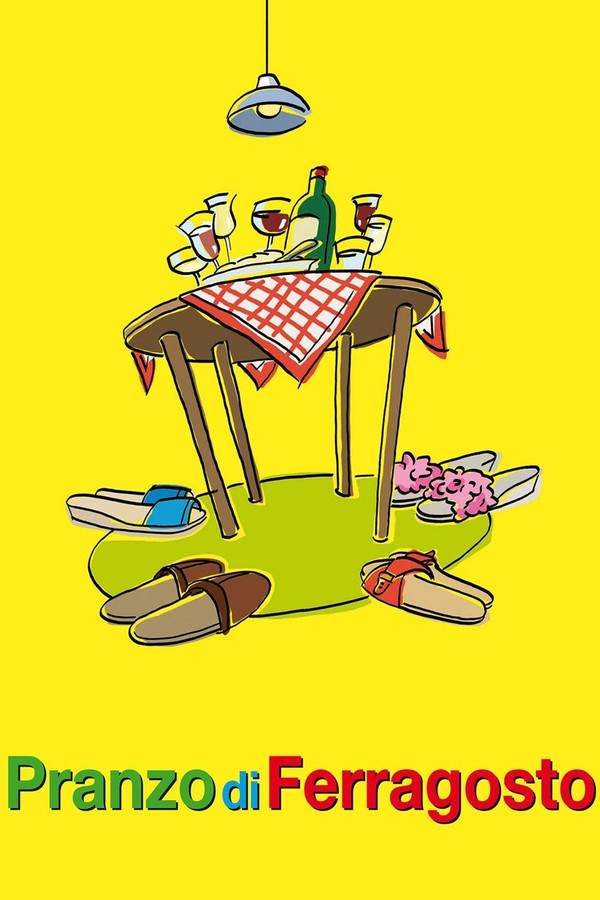
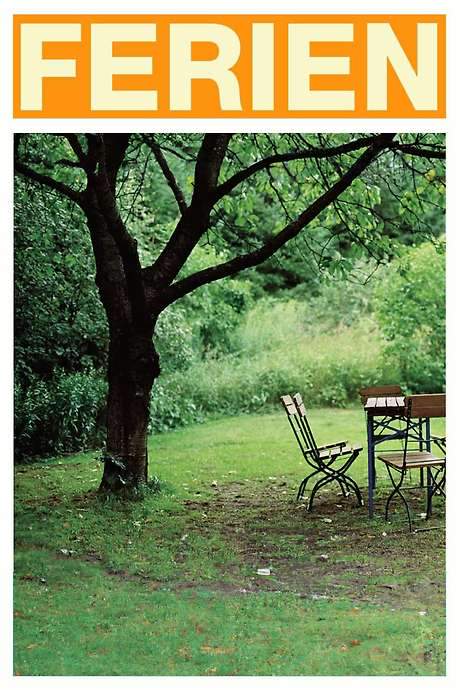
August Vacation (1996) movie poster

Plot Summary

August Vacation (1996) Plot Summary Explained

Release, runtime and language
1996 · 106 mins · Italian
Directed by
Paolo Virzì
Starring
Teresa Saponangelo, Antonella Ponziani, Laura Morante, Rocco Papaleo, Ennio Fantastichini, Silvio Orlando

Every August, journalist Sandro, his family and friends travel to the island of Ventotene for their annual holiday. This year they discover the neighboring house is occupied by a lower‑middle‑class family whose blunt habits and conventional values quickly come into conflict with Sandro’s more intellectual, progressive outlook.

On this page (6)
  1. 1 What happens: full plot
  2. 2 Plot questions answered
  3. 3 Movie threads
  4. 4 Movies like August Vacation
  5. 5 Categories
  6. 6 Every angle

Full plot summary · contains spoilers

What Happens in August Vacation: Full Plot Summary

The whole story of August Vacation (1996) explained, from the opening scene to the final frame: every key event, every twist and what it all adds up to. Read it as a quick recap before the sequel, to check a scene you missed, or to finally understand what really happened.

On the picturesque island of Ventotene, the summer unfolds with two groups of visitors staying in adjacent houses, each representing different social and personal worlds. One group is led by Sandro Molino, a journalist and self-styled intellectual, accompanied by his partner Cecilia Sarcoli. Their companions include her ex-partner, Mauro, who is also an actor, along with their young daughter Martina; Francesca, who was once romantically involved with Sandro; Betta and Graziella, who are friends of Cecilia; Ivan, Graziella's son; and Roberto, an enigmatic traveler claiming to be on "official" assignments, who often flits between Africa, Cuba, and other distant locations.

The other group is headed by Ruggero Mazzalupi, a wealthy and traditional armory owner, typical of Rome's old-money aristocracy. His entourage includes his wife Luciana, their teenage daughter Sabrina, their younger son, Ruggero's elderly mother showing signs of senility, and Marisa, Ruggero’s provocative sister-in-law whom Ruggero has secretly admired for years. Marisa's husband Marcello, a former nightclub singer turned perfume shop owner, owes Ruggero a substantial debt of fifty million lira. Ruggero, despite his apparent generosity, despises Marcello but hides his disdain, manipulating the situation to keep Marcello submissive and to influence Marisa's choices.

The dynamic between these two groups is immediately tense. Sandro’s group finds the boisterous, superficial behavior of their neighbors irritating yet are simultaneously condescending, treating their attempts at friendship with sarcasm and aloofness. An incident occurs when Ruggero, in a reckless prank, fires a gun, unintentionally injuring an immigrant. This incident leads to police intervention, with Sandro filing a report that sparks political debates and moral judgments among the characters.

Throughout the summer, the characters’ personal dramas unfold amid the backdrop of the island’s tranquility. Societal tensions, unspoken resentments, and hidden passions come to the surface, all set against the starry sky that seems to witness their confessions and confrontations. Ruggero's reckless act triggers a series of events where accusations fly, and political and personal issues collide in a confusing, chaotic fashion. The film portrays a sense of disorientation, emphasizing that many conflicts are rooted more in individual insecurities and long-standing grudges than in political ideologies.

As the season draws to a close, Cecilia confesses to Sandro that she is eight weeks pregnant with his child. His reaction is one of happiness and reassurance, promising to love the new life as he does Martina. Meanwhile, Mauro, unable to regain Cecilia's affection, gets drunk at the village festival, falls, and hits his head. He's taken in by a local family, where the daughter becomes infatuated with him, suggesting the beginning of a new chapter. Francesca, realizing she cannot rekindle her relationship with Sandro, bonds instead with Marcello, who feels misunderstood and is undergoing his own personal crisis. After a night of secret passion with Marisa, Roberto leaves for Africa, leaving her devastated.

Ruggero witnesses Marisa's betrayal and intervenes just in time to prevent his daughter Sabrina, who is in love with Ivan but unrequited, from taking her own life. These moments of compassion bring Ruggero and his wife Luciana closer, softening years of emotional distance. The immigrant, after being involved in the reckless shooting incident and the subsequent media uproar, is eventually expelled by law enforcement for failing to comply with regulations.

As summer ends, most characters depart from the island, returning to their respective lives. The only person left at the dock, tearful yet hopeful, is Sabrina, who shouts "I love you" towards the ferry carrying Ivan, expressing her unfulfilled love and the bittersweet emotions of the season.

This film delicately explores the intertwined complexities of personal relationships, social class, and human flaws, all set against a backdrop of scenic beauty and summer's ephemeral nature. Each character’s journey reflects themes of love, regret, reconciliation, and the search for meaning in transient moments, leaving viewers with a contemplative view of human vulnerability and connection.


Last updated: August 19, 2025 at 05:16

Was this helpful?

Plot questions answered

August Vacation Plot Explained: Your Questions Answered

The questions people ask most about August Vacation (1996): what happens in the confusing scenes, why the characters do what they do, the twists, hidden details and what the ending means. Each answer contains spoilers.

Q1

Why does Sandro report Ruggero to the police after the shooting?

Sandro reports Ruggero because he feels morally obligated. As a journalist and intellectual, Sandro sees the accidental shooting of an immigrant as a serious incident that warrants accountability, especially since Ruggero's reckless behavior could have killed someone. The police investigation also sparks broader political debates among the vacationers, with some defending Ruggero's status and others criticizing his actions.

  • sandro
  • ruggero
  • police report
  • shooting
  • immigrant
  • carabinieri
Q2

Why does Ruggero fire the gun during a prank?

Ruggero fires the gun as part of a reckless, impulsive prank that reflects his privileged upbringing and lack of consideration for consequences. Coming from Rome's old-money aristocracy, he behaves carelessly without thinking about the danger to others. The incident highlights the class divide, his thoughtless actions contrast with the more cautious behavior of the intellectual group.

  • ruggero
  • gun
  • prank
  • shooting
  • accident
Q3

Why does Roberto leave Marisa after their night together?

Roberto leaves because his lifestyle is fundamentally transient. He describes himself as someone who constantly moves between Africa, Cuba, and other distant locations on "official" assignments. After one night of passion with Marisa, he simply departs for Africa, demonstrating that he cannot or will not settle emotionally. This reflects his character as an enigmatic traveler who avoids deep attachments.

  • roberto
  • marisa
  • affair
  • africa
  • departure
Q4

Why does Sabrina attempt suicide on the island?

Sabrina attempts suicide because her love for Ivan goes unrequited. Despite her feelings for him, Ivan does not reciprocate her affection, leaving her emotionally devastated. The combination of teenage emotional intensity and the isolated island setting pushes her to a desperate act. Her father Ruggero intervenes just in time, preventing her from harming herself.

  • sabrina
  • suicide
  • ivan
  • unrequited love
  • attempt
Q5

Why does Ruggero save Sabrina from killing herself?

Ruggero saves Sabrina because despite his emotional distance from his family throughout the film, paternal instinct overcomes his usual detachment. His intervention during this crisis becomes a turning point, it softens him emotionally and brings him closer to his wife Luciana, who has suffered from his coldness for years. The near-tragedy forces him to confront what truly matters.

  • ruggero
  • sabrina
  • suicide
  • daughter
  • rescue
  • luciana
Q6

Why does Francesca become friends with Marcello?

Francesca befriends Marcello because she realizes she cannot rekindle her past relationship with Sandro. Both characters are experiencing personal crises, Francesca has accepted Sandro will not take her back, while Marcello feels misunderstood by his wife Marisa and is burdened by the debt he owes Ruggero. Their shared sense of emotional isolation creates a natural bond.

  • francesca
  • marcello
  • friendship
  • relationship
  • sandro
Q7

Why is the immigrant expelled from Ventotene?

The immigrant is expelled because, following the shooting incident and the media uproar, law enforcement investigates his status on the island. He fails to comply with regulations regarding his documentation or residency, leading authorities to remove him. His expulsion underscores the film's themes of class hierarchy and how the legal system often penalizes those without power or status.

  • immigrant
  • expulsion
  • shooting
  • police
  • regulations
Q8

Why is Sandro happy about Cecilia's pregnancy?

Sandro reacts positively because he genuinely embraces fatherhood. When Cecilia tells him she is eight weeks pregnant with his child, he immediately expresses happiness and promises to love the new life as much as he loves Martina, his existing daughter. His reaction demonstrates his commitment to building a family with Cecilia despite the chaotic summer they've experienced.

  • sandro
  • cecilia
  • pregnancy
  • baby
  • reaction
  • happiness
Q9

Why do the two families clash throughout their vacation?

The families clash because they represent opposing social worlds. Sandro's group consists of artists and intellectuals who view themselves as progressive and superior, while Ruggero's group embodies wealthy Roman aristocracy with traditional values. The intellectual group finds their neighbors superficial and noisy, yet they remain condescending and mock their social pretensions. This mutual disdain creates ongoing friction rooted in class prejudice and cultural differences.

  • class conflict
  • families
  • tension
  • sandro
  • ruggero
  • social differences
Q10

Why do Ruggero and Luciana grow closer by the end of the summer?

Ruggero and Luciana reconcile because their daughter's near-tragedy forces them to confront their emotional distance. Throughout the film, Luciana has suffered from Ruggero's coldness and his secret admiration for her sister Marisa. When Ruggero intervenes to save Sabrina's life, he demonstrates genuine emotion for the first time in years, breaking down the wall between him and his wife and bringing them closer.

  • ruggero
  • luciana
  • reconciliation
  • marriage
  • sabrina
  • emotional distance
Q11

Why does Mauro get drunk and injure himself at the festival?

Mauro gets drunk because he cannot accept that Cecilia will not take him back. As Cecilia's ex-partner who still harbors feelings for her, he sees his chance of reconciliation vanish when she confesses her pregnancy with Sandro. Unable to cope with this rejection, he drinks heavily at the village festival, falls, and hits his head. Local villagers take him in, where a daughter becomes infatuated with him, offering a glimpse of new hope.

  • mauro
  • cecilia
  • drunk
  • festival
  • injury
  • rejection
Q12

Why does Sabrina shout "I love you" toward the ferry?

Sabrina shouts her love toward the ferry because she remains hopeful despite Ivan leaving without reciprocating her feelings. As the ferry departs carrying Ivan and the other vacationers, Sabrina stands alone at the dock, tearful but expressing her unfulfilled love. This final moment captures the bittersweet tone of the film, her declaration represents hope amidst unresolved longing and the bittersweet emotions of summer's end.

  • sabrina
  • ivan
  • ferry
  • love
  • farewell
  • unrequited

Movie threads

More Movies Like August Vacation, by Mood & Story

Curated lists built around what makes August Vacation tick: the same mood, the same kind of story or the same emotional payoff. Each list explains why these movies belong together.

Bittersweet summer dramas like August Vacation

Where idyllic holiday settings mask simmering personal and social conflicts. Discover movies like August Vacation that use a summer holiday as a backdrop for exploring family dynamics, social divides, and personal crises. These character-driven stories often feature a slow pace, atmospheric settings, and a mix of hope and melancholy.

  • bittersweet
  • contemplative
  • nostalgic
  • atmospheric
  • melancholic
  • tense
  • Tone: bittersweet, contemplative
  • Pacing: slow, atmospheric
Why these movies?

The story pattern: Stories in this thread typically center on a confined group, often on holiday, whose interactions are intensified by their environment. The narrative unfolds through quiet moments and conversations, building towards personal realizations about love, class, and identity, rather than a dramatic, plot-driven conclusion.

Why they belong together: These films are grouped together for their shared atmosphere of warm, nostalgic summers underpinned by emotional complexity. They balance scenic beauty with the discomfort of social and personal friction, creating a uniquely bittersweet and contemplative viewing experience.

Movies about class conflict like August Vacation

Stories where two different social worlds collide with poignant consequences. If you liked the social friction in August Vacation, explore these movies where intellectual and working-class values clash. These ensemble dramas focus on the tension, satire, and bittersweet humanity that emerges from cultural divides.

  • tense
  • thought-provoking
  • dramatic
  • satirical
  • melancholic
  • social commentary
  • Tone: tense, bittersweet
  • Pacing: slow, character-driven
Why these movies?

The story pattern: The narrative pattern involves two distinct groups—often defined by class, education, or worldview—whose coexistence creates a central conflict. The story explores the perspectives of multiple characters, revealing their flaws and sympathies, and typically concludes without a clear victor, leaving relationships changed but fundamental divides unresolved.

Why they belong together: This thread unites movies that use character ensembles to dissect social stratification. The similarity comes from a shared focus on the nuanced, often uncomfortable dynamics of class interaction, a moderate emotional weight, and a tone that blends critique with human empathy.

If you liked this

Movies Like August Vacation

Similar movies to August Vacation: the same genre, themes or kind of story. Each one comes with its own plot summary, timeline and ending explained.

Browse all movie summaries

Categories

Movie Lists Featuring August Vacation

August Vacation appears in these hand-built movie categories. Each one groups movies by a specific mood, theme or story type, with their plot summaries and endings explained.

View all movie categories

Every angle

August Vacation (1996) Explained: Plot, Timeline & Characters

Everything about August Vacation in one place: what happens in the plot summary, the timeline in chronological order, the characters and meaning and a spoiler-free summary. What's After the Movie adds the cast, box office and post-credit scenes.

Coming soon on iOS and Android

The Plot Explained Movie Summary App

Plot summaries, endings explained and timelines on your phone. Catch up on any movie in minutes, save your favorites and never miss a twist again.

Be the first to know when we launch. Your email stays private, always.

Learn more about the app