







Plot Explained Spoilers guaranteed!
Plot Explained

Browse by genre

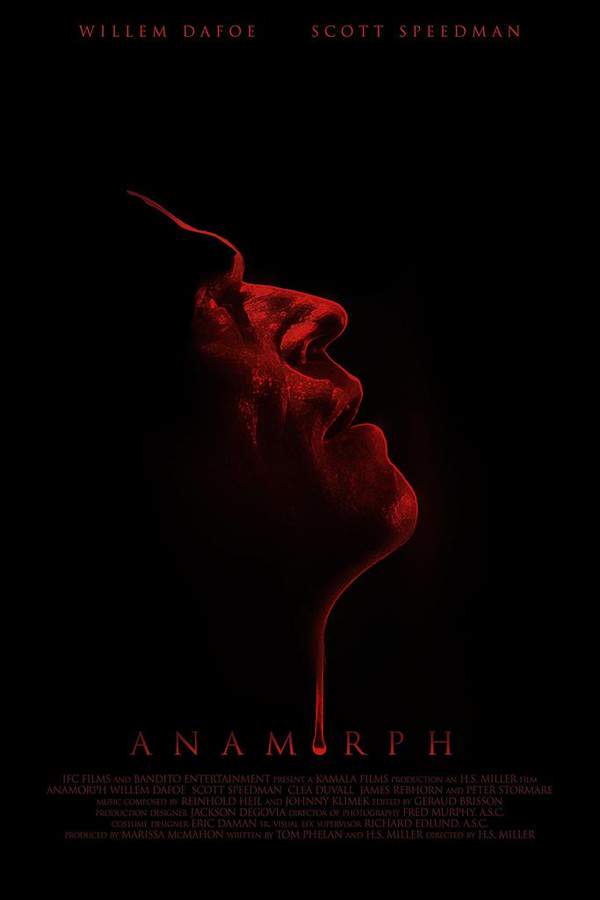
Anamorph (2008) movie poster

Plot Summary

Anamorph (2008) Plot Summary Explained

Release, runtime and language
2008 · 107 min · English
JustWatch #15,311 11
Directed by
Henry Miller

Five years after bringing down notorious serial killer Uncle Eddie, NYPD Detective Stan Aubray struggles with alcoholism and is assigned to teaching duties, a stark contrast to his former role. When a new murder mirrors the methods of Uncle Eddie, Stan is pulled back into the investigation, battling his inner demons and facing suspicion. He must confront disturbing memories and clear his name as the case intensifies and a trail of unsettling clues emerges.

On this page (6)
  1. 1 Where to watch
  2. 2 What happens: full plot
  3. 3 Plot questions answered
  4. 4 Movie threads
  5. 5 Movies like Anamorph
  6. 6 Every angle

Where to watch

Where to Watch Anamorph (2008)

Where can you watch Anamorph? Stream, rent or buy it in the US, including on AMC+, Philo and Sundance Now: current JustWatch availability with up-to-date prices.

Streaming availability powered by JustWatch

Full plot summary · contains spoilers

What Happens in Anamorph: Full Plot Summary

The whole story of Anamorph (2008) explained, from the opening scene to the final frame: every key event, every twist and what it all adds up to. Read it as a quick recap before the sequel, to check a scene you missed, or to finally understand what really happened.

A haunted New York City detective is compelled to confront his troubled past in a desperate attempt to catch a serial killer whose gruesome yet artistic methods disturbingly resemble those of a notorious murderer from five years ago. Following the traumatic events where the reclusive detective, Stan Aubray, shot down the suspect believed to be behind the "Uncle Eddie" murders, he had hoped to leave his nightmares behind. However, a new wave of victims emerges, each bearing the unmistakable signature of a madman that everyone believed to be dead.

Just like the unfortunate souls claimed by "Uncle Eddie," the latest bodies are meticulously positioned in a way that echoes the artistic technique known as anamorphosis, where hidden messages can only be deciphered by observing the scenes from various angles. The chilling question looms: Is this a copycat killer at play, or has Detective Aubray made a grave mistake by killing the wrong man several years ago? As the investigation unfolds, it becomes increasingly evident that these recent killings are ominously directed at Detective Aubray himself, forcing him to reopen old wounds and grapple with the haunting questions he has long tried to bury.

In this tense atmosphere, Detective Aubray faces challenges from two significant figures: on one hand, a bright yet ambitious young detective, played by Scott Speedman, who possesses his own set of ideas about these chilling crimes, and on the other, a deeply troubled young woman portrayed by Clea Duvall, whose unpredictable connection to Detective Aubray complicates the mystery further. As he embarks on this harrowing journey, it becomes crucial for Detective Aubray to confront the very fears that have haunted him, as only through facing the truth about the most brutal and artistic killings ever witnessed in New York City can he liberate himself from the suffocating grip of guilt that has held him captive for so long.

Last updated: May 13, 2025 at 20:30

Was this helpful?

Plot questions answered

Anamorph Plot Explained: Your Questions Answered

The questions people ask most about Anamorph (2008): what happens in the confusing scenes, why the characters do what they do, the twists, hidden details and what the ending means. Each answer contains spoilers.

Q1

Why does Stan Aubray feel guilty about the Uncle Eddie case

Stan Aubray feels guilty because he believes he may have killed the wrong man five years ago. After shooting who he thought was Uncle Eddie, the killer responsible for gruesome artistic murders, new victims have surfaced with the same signature killing style. This raises the disturbing possibility that Stan either killed an innocent person or failed to stop the real killer, leading him to question his own judgment and actions.

Foreshadowing: Early in the film, Stan is shown struggling with alcoholism and haunted by memories of the original case, suggesting deep-seated doubt about his past actions.

  • stan a ubray guilt
  • uncle eddie
  • wrong man
  • copycat killer
Q1

The young detective played by Scott Speedman becomes suspicious of Stan for several reasons. First, Stan's unusual behavior and personal demons raise questions about his reliability. Second, the possibility that Stan killed the wrong man years ago makes the young detective wonder if Stan either intentionally or inadvertently allowed the real killer to escape. Additionally, the young detective has his own theories about the murders that conflict with Stan's interpretation, creating professional tension. This dynamic adds an external layer of scrutiny to Stan's already troubled state.

Foreshadowing: The young detective's alternate theories suggest he has noticed inconsistencies in Stan's account of the original case.

  • young detective
  • scott speedman
  • suspicion
  • stan aubray
Q2

What evidence suggests Stan may have killed the wrong person

Several pieces of evidence emerge suggesting Stan may have killed the wrong man. The return of identical murders five years later implies either the original killer survived or someone with detailed knowledge of the case is responsible. The anamorphotic arrangements require specialized knowledge that the supposed killer may not have possessed. Additionally, Stan's own growing doubts and need to reexamine old evidence indicate he recognizes gaps in his original investigation. The possibility that he killed an innocent person to end to the case haunts his every step in the new investigation.

Foreshadowing: Stan decides to reexamine evidence from the original case, suggesting he himself suspects procedural errors.

Q2

What is anamorphosis and why does the killer use it

Anamorphosis is an artistic technique where a distorted image only becomes recognizable when viewed from a specific angle or with a special device. The killer uses this method to arrange victims in ways that reveal hidden messages or images when viewed from particular perspectives, blending violence with artistic expression. This signature approach connects the new murders to the original Uncle Eddie killings and forces investigators to look at crime scenes from unconventional angles to decode the killer's messages.

Foreshadowing: The artistic nature of the murders suggests the killer sees themselves as an artist rather than a common murderer, explaining the meticulous positioning of bodies.

  • anamorphosis
  • artistic murder
  • crime scene
  • hidden messages
Q3

Is the new killer the same person as Uncle Eddie or a copycat

The central mystery of the film revolves around determining whether Uncle Eddie truly died five years ago or if a copycat is emulating his distinctive method. Evidence mounts suggesting either possibility: the precise replication of anamorphotic crime scenes could indicate the original killer survived, while others argue only someone with intimate knowledge of the first case could replicate it so perfectly. The investigation ultimately forces Stan to confront whether he made a fatal error by killing the wrong person.

Foreshadowing: The uncertainty about whether the killer is dead creates persistent tension throughout the investigation, with each new body raising more questions.

  • copycat
  • uncle eddie
  • original killer
  • serial killer
Q3

How do the new murders force Stan to confront his past

The new murders force Stan to confront his past by requiring him to reopen and reexamine the original Uncle Eddie case. Each new body with the same anamorphotic signature brings back suppressed memories and forces him to question everything he believed about that night. The investigation demands that Stan look at old evidence with fresh eyes, potentially uncovering mistakes he made or truths he avoided. The troubled young woman's connection to his past further accelerates this confrontation, forcing him to face the psychological wounds he has been numbing with alcohol.

Foreshadowing: Stan must reopen old wounds by reexamining evidence, a process that forces him to relive the traumatic events.

  • confront past
  • trauma
  • uncle eddie case
  • memories
  • guilt
Q4

Who is the young woman connected to Stan Aubray's past

The disturbed young woman who enters the investigation proves to be a significant link to Stan Aubray's past. Her erratic behavior and cryptic comments suggest she either witnessed alledged events from the original Uncle Eddie case or has some personal connection to Stan that he has suppressed. Her presence forces Stan to confront memories he has tried to bury, and her unpredictable nature adds complexity to the mystery while deepening Stan's sense of guilt and responsibility.

Foreshadowing: The woman's cryptic comments early in the investigation hint at information she possesses about the original case that Stan has been avoiding.

  • young woman
  • stan aubray
  • past connection
  • mysterious woman
Q4

What is the truth about Uncle Eddie in the climax

In the climactic revelation, Stan discovers the truth about whether Uncle Eddie truly died or if a copycat is responsible. The film builds to a moment where Stan must face the painful reality of what actually happened five years ago. This revelation either confirms or shatters Stan's understanding of his own actions, forcing him to reconcile with the possibility that he may have killed an innocent person or failed to stop a dangerous killer. The climax brings all the clues together while forcing Stan to make a critical choice that will determine his own redemption.

Foreshadowing: The investigation heats up as each clue brings Stan closer to a truth he has been avoiding for five years.

  • climax
  • revelation
  • uncle eddie truth
  • final choice
Q5

Why does Stan Aubray struggle with alcoholism

Stan Aubray's alcoholism stems from his struggle to cope with the psychological trauma of the original Uncle Eddie case. After shooting the suspected killer, Stan was left with nagging doubts about whether he got it right. The guilt of potentially killing an innocent person, combined with exposure to the gruesome artistic murders, has driven him to alcohol as a numbing mechanism. His assignment to teaching duties represents a demotion from his former investigative role, reflecting how his personal demons have affected his professional capabilities.

Foreshadowing: Stan is shown drinking early in the film, establishing his coping mechanism before the new murders force him back into the investigation.

  • alcoholism
  • stan aubray
  • guilt
  • trauma
  • ny pd
Q6

Why does the killer seem to target Stan Aubray specifically

The new murders appear increasingly directed at Stan Aubray personally rather than being random killings. The anamorphotic arrangements at crime scenes seem to contain messages or references that specifically challenge Stan's understanding of the original case. This suggests the killer has a personal vendetta against Stan, possibly believing Stan either killed the wrong person or was responsible for the original killer's actions in some way. The targeting forces Stan to question whether the killer is someone he encountered during the original investigation.

Foreshadowing: The increasingly personal nature of the clues points to someone who knows Stan's specific actions and vulnerabilities from five years ago.

  • killer targets stan
  • personal vendetta
  • crime scenes
  • message

Movie threads

More Movies Like Anamorph, by Mood & Story

Curated lists built around what makes Anamorph tick: the same mood, the same kind of story or the same emotional payoff. Each list explains why these movies belong together.

Haunted detective thrillers like Anamorph

Troubled detectives confront their past while hunting killers who mirror their trauma. If you liked the psychological turmoil of Stan Aubray in Anamorph, this list features movies about troubled investigators whose personal demons are central to the case. These similar crime stories explore trauma, guilt, and the haunting nature of unsolved pasts, creating a gripping, character-driven suspense.

  • gritty
  • paranoid
  • melancholic
  • psychological
  • tense
  • haunting
  • Tone: tense, melancholic, gritty
  • Pacing: steady, methodical
Why these movies?

The story pattern: Stories in this thread follow a linear investigative structure, but the protagonist's psychological state is the primary driver of tension. The plot forces the character to directly confront a trauma from their past, often through a copycat killer or a case with eerie similarities, leading to a journey of self-confrontation amid the procedural details.

Why they belong together: Movies are grouped here for their shared focus on a deeply flawed protagonist whose internal struggles—be it alcoholism, trauma, or guilt—are intrinsically linked to the external crime. The similarity lies in the heavy emotional weight and the tense, paranoid atmosphere where the detective's reliability is constantly in question.

Thrillers with artistic serial killers like in Anamorph

Thrillers where murder is a twisted art form, leaving cryptic clues for detectives. For viewers who appreciated the anamorphosis clues in Anamorph, this collection features movies where serial killers use art, patterns, or intellectual puzzles as part of their crimes. Discover similar tense and complex thrillers that challenge detectives and audiences with symbolic, psychologically disturbing murder scenes.

  • unsettling
  • cerebral
  • tense
  • dark
  • suspenseful
  • haunting
  • Tone: dark, tense, unsettling
  • Pacing: steady, clue-based
Why these movies?

The story pattern: The narrative pattern involves a series of murders staged as elaborate tableaus or containing intricate symbolic clues. The investigation becomes a process of decoding these artistic or intellectual signatures, raising the stakes from a simple manhunt to a battle of wits against a highly intelligent and theatrically cruel adversary.

Why they belong together: These movies are connected by the central motif of murder as a perverse art form. They share a high-intensity, tense tone derived from the intellectual challenge of the crime scenes and the disturbing fusion of creativity with brutality, creating a uniquely cerebral and chilling vibe.

If you liked this

Movies Like Anamorph

Similar movies to Anamorph: the same genre, themes or kind of story. Each one comes with its own plot summary, timeline and ending explained.

Browse all movie summaries

Every angle

Anamorph (2008) Explained: Plot, Timeline & Characters

Everything about Anamorph in one place: what happens in the plot summary, the timeline in chronological order, the characters and meaning and a spoiler-free summary. What's After the Movie adds the cast, box office and post-credit scenes.

Coming soon on iOS and Android

The Plot Explained Movie Summary App

Plot summaries, endings explained and timelines on your phone. Catch up on any movie in minutes, save your favorites and never miss a twist again.

Be the first to know when we launch. Your email stays private, always.

Learn more about the app