Year: 2012
Runtime: 130 mins
Language: Malayalam
Director: B. Unnikrishnan
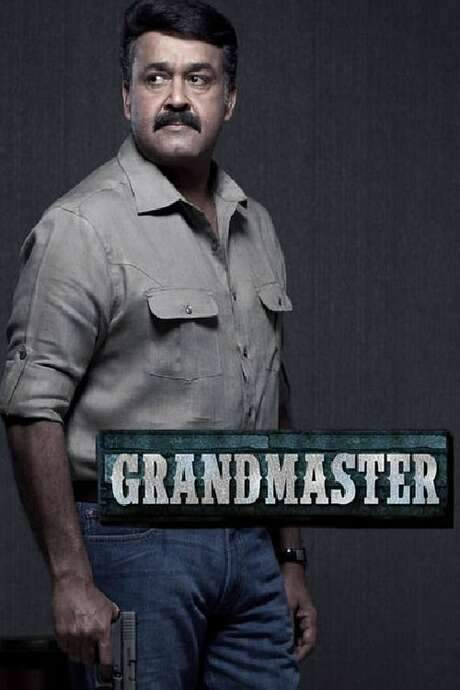
Chandrashekhar, living a solitary life in a troubled city, avoids involvement with the surrounding crime. His quiet existence is disrupted when he’s drawn into the pursuit of a serial killer. Operating with the calculated precision of a chess grandmaster, he anticipates his adversary's actions. However, a single, critical error threatens to unravel his carefully constructed plan and put him in grave danger.
Find where to stream, rent, or buy Grandmaster (2012) in the US with current JustWatch availability, up-to-date pricing, and platform listings for subscription, rental, and digital purchase options.
Warning: spoilers below!
Haven’t seen Grandmaster yet? This summary contains major spoilers. Bookmark the page, watch the movie, and come back for the full breakdown. If you're ready, scroll on and relive the story!
Read the complete plot breakdown of Grandmaster (2012), including all key story events, major twists, and the ending explained in detail. Discover what really happened, and what it all means.
IG Chandrasekhar, Mohanlal, heads the newly formed Metro Crime Stopper Cell in Kochi. He arrests Jerome, a psychologically deviant man, and rescues three girls he had kidnapped, but his ex-wife Deepthi, Priyamani, a lawyer, intervenes and secures Jerome’s placement in a psychiatric facility run by her friend Dr. Jacob, rather than a prison sentence. It later becomes clear that the three girls had been taunting and harassing Jerome, which contributed to his actions. The case sets off a chilling game of cat-and-mouse, where motive and misdirection blur the line between victim and perpetrator.
Chandrasekhar receives a taunting note from an anonymous figure who signs off as “Z,” challenging him to anticipate how a single target will be eliminated after another. This mysterious antagonist pulls him into a brutal string of murders: Alice, a coffee shop owner; Beena Thomson, a famous singer; and Chandrika Narayanan, a leading businesswoman. Each victim bears a cross slit on the forehead, and the killings unfold with an eerie, almost scripted, alphabetical pattern. First comes Alice, then Beena Thomson, followed by Chandrika Narayanan, each death tightening the noose around the detective as the city scrambles to understand the pattern. Throughout these investigations, Chandrasekhar’s focus remains unwavering even as personal life intrudes; his school-going daughter Dakshayani is meanwhile preparing for a play under the lead of the renowned actor Mark Roshan. The juxtaposition of a family moment and a deadly pursuit heightens the stakes.
Deepthi and Chandrasekhar’s backstory adds a layer of tension: they divorced ten years earlier when he discovered Deepthi had been using information from him for professional gain. In a revealing confession, Deepthi tells him that the three murdered women were involved in the murder-for-suicide of a wealthy NRI named Paul Mathew, and that Chandrasekhar, in his earlier role as SP, had been the investigating officer on that case. This revelation reframes the present killings as connections to past events, and Chandrasekhar suspects that Deepthi herself may be targeted next. Siddique appears in the backstory as the link to Paul Mathew’s case, anchoring the loop between past and present crimes.
Seeking protection for Deepthi, Chandrasekhar accompanies her to their daughter’s play, where they encounter a religious fanatic named Victor Rosetti who had already appeared at the crime scenes, disguised as a salesman and shadowing Deepthi. The pursuit takes on a chess-like texture, with Chandrasekhar noting the recurring recurrence of the game between him and the mysterious Z. The detective recognizes that a mastermind is orchestrating the violence and decides to counter with a strategic, calculated move—a “queen’s gambit” of his own, as he puts it. The tension of warring intellects is palpable, and the audience is kept guessing about who truly controls the board.
The hunt leads to a rooftop confrontation where Chandrasekhar corners Victor, and the would-be mastermind takes his own life by leaping to the pavement below. With Victor out of the picture, Chandrasekhar interrogates Dr. Jacob and believes he has a solid case against him, taking the doctor into custody. Anoop Menon’s portrayal of Jacob anchors a crucial turn in the investigation, as the physician’s role becomes central to unraveling the truth behind the murders.
Dakshayani’s disappearance after these events compounds the peril, and Deepthi returns to the school to search for her daughter. A real serial killer then emerges and attempts to strangle Deepthi with a red scarf, heightening the danger and forcing Chandrasekhar to close the net once more. He finally corners the killer on stage, where a dramatic reveal shifts the entire course of the case. The culprit is Mark Roshan, played by Arjun Nandhakumar in a chilling twist; the young actor is revealed as Paul Mathew’s younger brother Roshan Mathew, who had manipulated Victor and misled Chandrasekhar’s investigation. Mark admits to orchestrating the murders and to framing Dr. Jacob to misdirect the investigation, while relocating Dakshayani with the help of his associate Rasheed to draw Deepthi away from the theater.
Mark’s motive—holding a grudge against the women tied to his brother’s death—unfolds in a confession, and the killer even admits to having used a disguised persona, Father Alexander, to mold Victor into believing he was the killer. He hoped to execute the final murder of Deepthi during the play, using the stage’s scenery as a weapon. In a climactic struggle, Chandrasekhar fires, killing Mark and saving Deepthi from a fatal blow. The truth in these moments reveals Mark’s calculated manipulations and the long shadow of Paul Mathew’s death over a web of past and present crimes.
The film ends on a note of family reunion and renewed solidarity: Chandrasekhar, Deepthi, and Dakshayani are finally together again in their home, where the broken threads of the past begin to mend in the warmth of a united family. The narrative, anchored by a relentless pursuit of truth and a chess-inspired battleground of wits, leaves the audience with a sense of closure even as it lingers on the moral complexities of justice, vengeance, and forgiveness.
Last updated: October 09, 2025 at 16:10
Explore frequently asked questions about Grandmaster (2012) with spoiler-rich answers covering the full plot summary, major story beats, character motivations, hidden details, and ending meaning. This movie summary FAQ helps explain confusing scenes, plot twists, and narrative decisions in clear, searchable detail.
These three women were targeted because they were directly involved in the murder-for-suicide of a wealthy NRI named Paul Mathew years earlier. Chandrasekhar had investigated that case when he was SP, and the women were revealed to be complicit in Paul's death, which became the motive for the present killings.
The alphabetical sequence of victims mirrors the calculated, theatrical approach that would later be revealed as Mark's signature.
Z is the anonymous figure who taunts Chandrasekhar with notes challenging him to anticipate how targets will be eliminated. The identity is never directly revealed through these messages, as Z operates through cryptic notes while orchestrating the murders from behind the scenes.
The taunting notes establish the chess-like cat-and-mouse dynamic that defines the investigation.
Mark Roshan is actually Roshan Mathew, the younger brother of Paul Mathew. He orchestrated the murders of Alice, Beena Thomson, and Chandrika Narayanan as revenge for their role in his brother's death years earlier. The killings were part of his elaborate plan to avenge Paul Mathew.
Mark's involvement as a beloved actor directing the school play creates a deceptive cover for his true identity and motives.
Victor Rosetti was a religious fanatic who was manipulated by Mark Roshan. Mark disguised himself as Father Alexander to mold Victor into believing he was the actual killer, using him as a pawn to carry out the killings while misdirecting the investigation. Victor appeared at crime scenes disguised as a salesman and followed Deepthi.
Victor's presence at all crime scenes and his fixation on Deepthi suggest a deeper manipulation at play.
Deepthi was targeted because she was involved in securing Jerome's placement in Dr. Jacob's psychiatric facility, making her connected to the present investigation. Additionally, as the lawyer who had previously helped in the Paul Mathew case cover-up, she was the next logical target in the revenge plot. Mark planned to kill her during his staged play performance.
Chandrasekhar's realization that Deepthi may be targeted sets up the protective measures at the school play.
Mark framed Dr. Jacob by using Victor Rosetti as a puppet to make the killings appear connected to the psychiatric facility. By manipulating Victor through his Father Alexander persona, Mark created evidence pointing to Dr. Jacob, leading Chandrasekhar to temporarily arrest him as the prime suspect.
The false evidence against Jacob misdirects the investigation and delays the discovery of the true mastermind.
When Chandrasekhar cornered Victor on the theater rooftop, Victor realized his plan had been exposed and his identity as a pawn was uncovered. Rather than be captured, Victor chose to end his own life by jumping to the pavement below.
Victor's fanaticism and belief in his mission made suicide a likely outcome when confronted.
Chandrasekhar's 'queen's gambit' refers to his decision to turn the investigation into a strategic counter-offensive against the mastermind. Recognizing the chess-like cat-and-mouse game, he shifted from reactive investigation to proactive maneuvering, using the antagonist's own patterns against them.
The chess motif runs throughout the film, with Z challenging Chandrasekhar to anticipate moves.
Mark kidnapped Chandrasekhar's daughter Dakshayani to draw Deepthi away from the theater and the protective presence of Chandrasekhar. With Deepthi isolated, Mark could attempt to kill her during the play without interference, using the stage scenery as a weapon.
Dakshayani's disappearance triggers Deepthi to leave the safety of the theater, playing into Mark's plan.
Mark was revealed as the mastermind when Chandrasekhar cornered him on the theater stage during the confrontation. The killer was identified as Mark Roshan Mathew, Paul Mathew's younger brother, and he confessed to orchestrating the murders, framing Dr. Jacob, and manipulating Victor Rosetti.
Mark's position as the beloved actor directing the play provided him both access and cover for his elaborate scheme.
Discover curated groups of movies connected by mood, themes, and story style. Browse collections built around emotion, atmosphere, and narrative focus to easily find films that match what you feel like watching right now.
Intellectual duels between brilliant adversaries where strategy is the ultimate weapon.For fans of Grandmaster seeking movies with similar high-stakes mind games. These films feature brilliant, methodical protagonists pitted against cunning adversaries in tense, strategic battles. If you liked the intellectual duel and calculated pacing of Grandmaster, you'll find more gripping, chess-like thrillers here.
Stories in this thread revolve around a clash of intellects, often between a detective or investigator and a highly intelligent criminal. The plot unfolds through a series of strategic moves and countermoves, with the outcome hinging on a single critical mistake. The narrative is driven by anticipation, puzzles, and the psychological profiling of the antagonist.
These movies are grouped by their shared focus on intellectual confrontation. They deliver a specific kind of tension that is cerebral and suspenseful, appealing to viewers who enjoy puzzles, strategy, and stories where the battle is won with brains, creating a coherent and intellectually stimulating viewing experience.
Gripping investigations where the hunter's own life or family becomes the target.Discover films like Grandmaster where a tense criminal investigation directly threatens the hero's family or sense of self. These movies blend high-stakes action with deep emotional drama, perfect if you liked the combination of a serial killer plot and the personal danger to the detective's ex-wife and daughter in Grandmaster.
The narrative pattern involves a protagonist drawn into a dangerous investigation that quickly escalates from professional duty to personal vendetta. The antagonist often targets the hero's family or past, forcing a confrontation that is as emotionally charged as it is physically dangerous. The journey is heavy, focusing on themes of justice, protection, and the cost of pursuing the truth.
This thread connects films that share a potent mix of procedural thriller and intimate drama. The similarity lies in the elevated stakes—the threat isn't abstract but personally devastating. This creates a consistently heavy, anxious, and gripping mood where the emotional investment is as high as the narrative tension.
Don't stop at just watching - explore Grandmaster in full detail. From the complete plot summary and scene-by-scene timeline to character breakdowns, thematic analysis, and a deep dive into the ending - every page helps you truly understand what Grandmaster is all about. Plus, discover what's next after the movie.
Track the full timeline of Grandmaster with every major event arranged chronologically. Perfect for decoding non-linear storytelling, flashbacks, or parallel narratives with a clear scene-by-scene breakdown.
Discover the characters, locations, and core themes that shape Grandmaster. Get insights into symbolic elements, setting significance, and deeper narrative meaning - ideal for thematic analysis and movie breakdowns.