
Aishite Imasu 1941: Mahal Kita
Year: 2004
Runtime: 107 mins
Language: Tagalog
Director: Joel Lamangan
Inya, a Philippine resistance heroine during WWII, reflects on wartime events with her husband Edilberto and childhood friend Ignacio. Ignacio, a transvestite who adopts the female identity of Inya, becomes the lover of the local Japanese commander Ichiru, while struggling between his espionage duties for his country and friends and his reluctant, growing affection for Ichiru.
Where to Watch Aishite Imasu 1941: Mahal Kita?
Find where to stream, rent, or buy Aishite Imasu 1941: Mahal Kita (2004) in the US with current JustWatch availability, up-to-date pricing, and platform listings for subscription, rental, and digital purchase options.

Streaming availability powered by 
Warning: spoilers below!
Haven’t seen Aishite Imasu 1941: Mahal Kita yet? This summary contains major spoilers. Bookmark the page, watch the movie, and come back for the full breakdown. If you're ready, scroll on and relive the story!
Timeline – Aishite Imasu 1941: Mahal Kita (2004)
Trace every key event in Aishite Imasu 1941: Mahal Kita (2004) with our detailed, chronological timeline. Perfect for unpacking nonlinear stories, spotting hidden connections, and understanding how each scene builds toward the film’s climax. Whether you're revisiting or decoding for the first time, this timeline gives you the full picture.
Last updated: October 09, 2025 at 15:14
Aishite Imasu 1941: Mahal Kita (2004) Timeline Questions Answered – Chronology FAQ
Find frequently asked questions about the Aishite Imasu 1941: Mahal Kita (2004) timeline, including chronological order, nonlinear jumps, cause-and-effect links, and scene sequence clarifications. This timeline FAQ helps explain when key events happen, how moments connect, and why the story unfolds in that specific order.
Why does Igna agree to become a spy inside the Japanese forces?
Igna becomes a spy to support the Filipino resistance against the Japanese occupation. Working within the Japanese circles allows her to gather crucial intelligence for the guerrilla forces led by her childhood sweetheart Edilberto (Berto). Her position provides vital information about troop movements and planned raids, though her role becomes increasingly complicated when she develops feelings for Japanese officer Ichiru.
Early scenes establish Igna's deep feelings for Edilberto, which motivates her to take risks for the resistance.
How does Igna's relationship with Japanese commander Ichiru develop?
Despite being on opposing sides of the war, Igna and Ichiru grow close during the early occupation years. Ichiru returns Igna's affection, and their bond deepens through secret meetings within Japanese circles. The relationship exists alongside Igna's espionage work, creating a dangerous emotional layer to the underground war. Ichiru eventually accepts Igna's transgender identity, choosing to love her as a person rather than based on gender.
The timeline notes their growing closeness during 1941-1942 as the occupation intensifies.
Why does Inya become the leader of the guerrilla forces after Berto's death?
Inya takes command of the guerrilla forces in 1943 after her husband Berto is killed in action. As the resistance leader's widow and someone already involved in the underground work, she steps forward to carry on the struggle. Her leadership represents the torch being passed as the war escalates and the movement needs someone determined to continue fighting.
Inya's involvement in the resistance precedes Berto's death, showing she was already prepared for leadership.
What does Ichiru's nightmare about his father's blood signify?
Ichiru experiences a nightmare of witnessing his father's blood before American eyes, which deeply unsettles him. This nightmare foreshadows his growing questioning of the occupation's costs and his certainty about the war. The dream represents his internal conflict and marks a turning point where he begins to doubt the righteousness of the Japanese cause, affecting his trust in the occupation and his relationship with Igna.
This nightmare occurs mid-occupation, directly preceding his shift in loyalty and acceptance of Igna.
Why does Igna die protecting Inya during the escape?
When Inya and Igna escape after the town hall raid, Japanese forces under Maura's command shoot Inya. Igna throws herself between Inya and the bullets, sacrificing herself to shield her friend. This act represents the ultimate expression of loyalty and friendship, with Igna choosing to save Inya even at the cost of her own life. Their bond transcends the complex love triangle and wartime loyalties.
Earlier scenes establish the deep connection between Inya and Igna, with Igna's devotion evident throughout.
What role does Maura play as a collaborator with the Japanese?
Maura serves as a Filipino collaborator with the Japanese occupation forces. She assists in identifying suspected guerrillas and participates in brutal interrogations. Maura enables the Japanese to carry out retaliatory attacks on villages and helps capture resistance members. Her collaboration makes her a symbol of betrayal within the community, and she ultimately faces vengeance from Inya's guerrilla comrades who kill her alongside the remaining Japanese forces.
Maura's collaboration is mentioned in early timeline entries about retaliatory burns and executions.
How does Inya rescue Igna from the Japanese garrison?
Inya leads a guerrilla raid on the town hall where Igna is being held captive and interrogated. The attack rescues Igna from imprisonment while simultaneously pressing the assault to eliminate the Japanese garrison in the area. The operation successfully frees Igna but comes at a heavy cost for the guerrilla fighters, showing the high price of resistance operations.
The timeline builds tension toward this rescue attempt after Igna's capture following her warning to Inya.
Why do Ichiru and Akihiro commit seppuku?
While sheltering at a house, Ichiru and Akihiro choose to commit seppuku rather than fall into enemy hands when capture becomes imminent. This act reflects the Japanese military code of honor where death is preferable to surrender and disgrace. Their decision underscores the personal costs of loyalty and the tragic consequences of the war, particularly for those caught between duty and personal relationships.
This follows their capture alongside Igna, highlighting the desperation of their situation.
What is the nature of Inya and Igna's relationship?
Inya and Igna are childhood friends who share a deep bond. Igna harbored romantic feelings for Edilberto (Berto), Inya's husband, complicating their friendship. However, their connection evolves through wartime hardship, culminating in Igna's ultimate sacrifice to save Inya. The film explores whether their relationship transcended friendship into something more, but the central truth is their unbreakable bond forged through shared resistance work.
The opening scenes establish their childhood friendship and Igna's complicated feelings.
How does the resistance defeat the Japanese garrison in San Nicolas?
Inya's guerrilla forces successfully raid the town hall, rescue Igna, and press their attack against the Japanese garrison. Following the rescue, Inya's comrades launch an assault on Maura's vehicle and remaining Japanese forces, killing them. This marks a local victory for the resistance and signals the fall of the occupiers in San Nicolas, though the war continues elsewhere.
The successful rescue operation sets the stage for the final confrontation.
What happens to Inya decades after the war?
An elderly Inya decades later recounts the truth about wartime events to a historian and the town mayor. Together, they discuss plans for a memorial to honor the victims of the resistance. Inya's testimony preserves the historical record and acknowledges the legacy of those who fought and died, while she herself continues to carry the memory of the war as it shapes the community's identity.
The epilogue brings closure to the narrative, connecting past events to present memory.
How does Igna's transgender identity affect her relationship with Ichiru?
Igna's secret, that she is a transgender woman, is revealed to Japanese officer Hiroshi, who informs Ichiru. Rather than rejecting Igna, Ichiru openly accepts her identity and continues their relationship. He demonstrates that he cares for Igna not because of gender but because of who she is as a person. This acceptance becomes a fragile but important shift in their relationship, offering a personal counterpoint to the broader violence of the occupation.
This revelation occurs during the period of Inya's torture and suspicion.

Explore Movie Threads
Discover curated groups of movies connected by mood, themes, and story style. Browse collections built around emotion, atmosphere, and narrative focus to easily find films that match what you feel like watching right now.
Movies about forbidden wartime romance like Aishite Imasu 1941: Mahal Kita
Love stories that defy enemy lines, creating impossible loyalties.If you liked the complex love story in Aishite Imasu 1941: Mahal Kita, explore more movies where romance defies the boundaries of war. These films feature characters caught between their hearts and their loyalties, creating tense, bittersweet, and dramatic narratives set during historical conflicts.
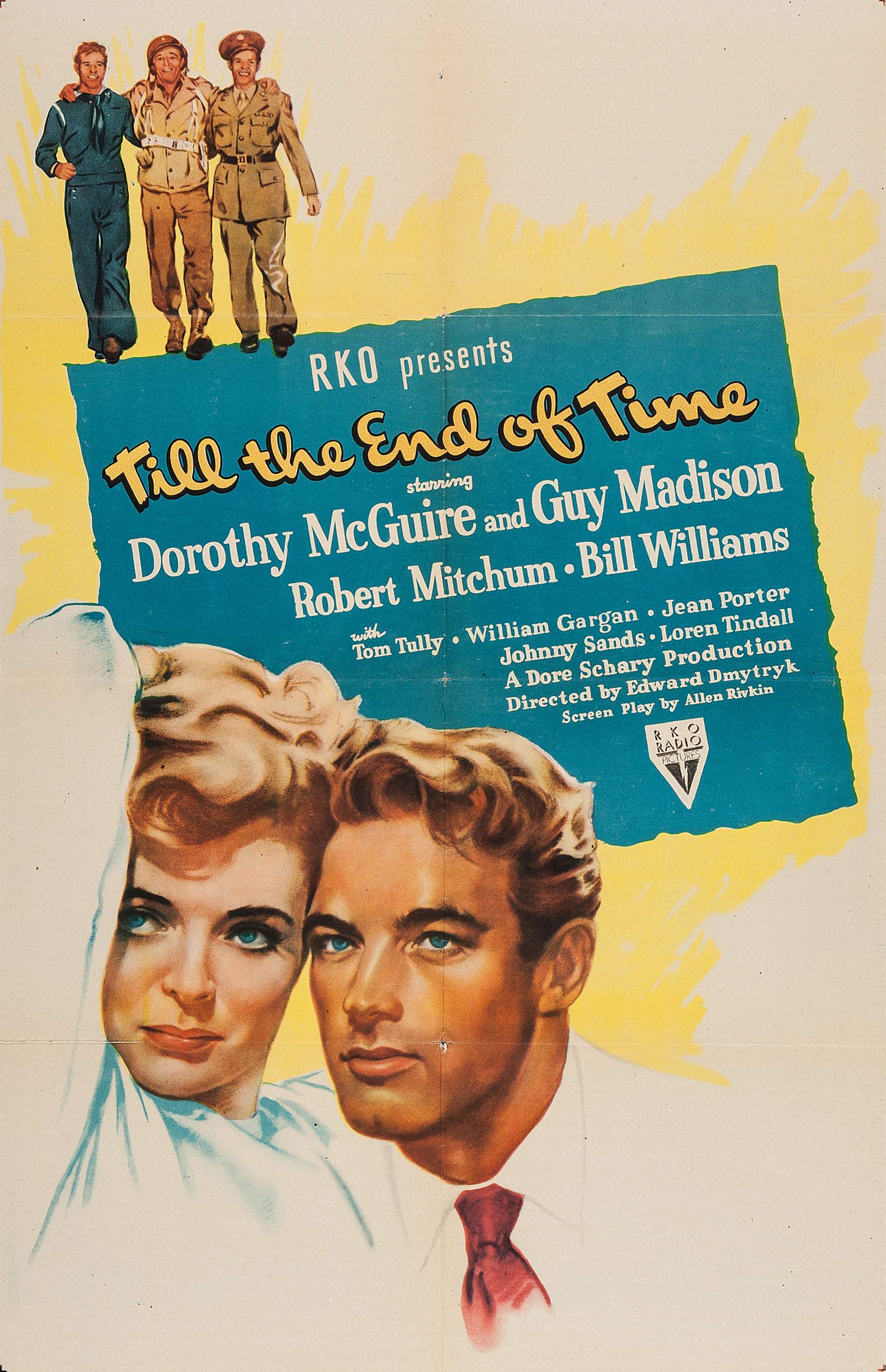
Till the End of Time
1946

Two Men Went to War
2004

Suite Française
2014
Aishite Imasu 1941: Mahal Kita
2004

Every Time We Say Goodbye
1986

In Love and War
1958

Darling Lili
1970

Until They Sail
1957

The Black Tent
1956

Violent Summer
1959

The Forbidden Street
1949

Hearts in Bondage
1936

Perfect Strangers
1945

Winged Victory
1944

For the Moment
1993
Narrative Summary
The narrative typically follows characters from opposing sides of a war who develop a deep, often secret, romantic connection. This creates a central conflict where personal happiness is pitted against national duty, friendship, and survival, leading to morally complex choices and a high-stakes emotional journey.
Why These Movies?
These films are grouped by their core premise of an impossible love affair during wartime. They share a bittersweet tone, medium-to-high emotional weight, and a focus on the psychological toll of navigating affection amidst betrayal and danger.
Espionage and deception stories like Aishite Imasu 1941: Mahal Kita
Stories of undercover agents living a lie, risking everything.Find movies similar to Aishite Imasu 1941: Mahal Kita that explore the world of espionage and hidden identities. These stories feature spies navigating moral grey areas, where their undercover lives create internal conflict and test their relationships, set against suspenseful backdrops like war or political intrigue.
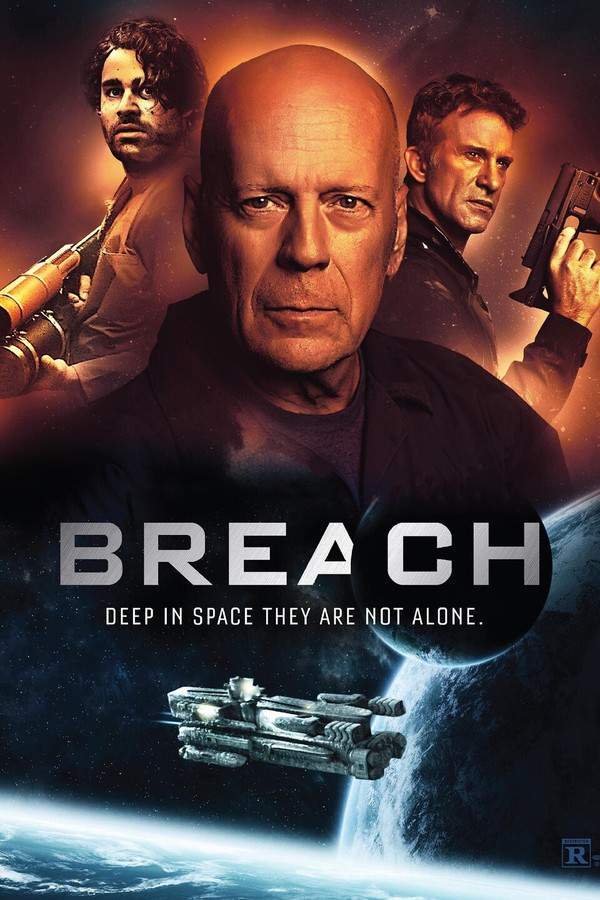
Breach
2007

The Operative
2019

A Foreign Affair
2004

His Double Life
2016

To Catch a Spy
2021

Stamboul Quest
1934

The Scarlet Coat
1955

A Dandy in Aspic
1968

The Spy in Black
1939

Blindfold
1966

The Two-Headed Spy
1958

Secret Agent
1936

Confessions of a Nazi Spy
1939

British Intelligence
1939

An Officer and a Spy
2025
Narrative Summary
These narratives focus on a protagonist living a double life as a spy. The plot revolves around the challenges of their mission, the constant threat of discovery, and the internal conflict that arises as their fake identity and relationships become uncomfortably real, leading to crises of loyalty and self.
Why These Movies?
This thread groups films by the core experience of espionage-driven identity deception. They share a steady, suspenseful pacing, a medium level of narrative complexity, and a focus on the psychological themes of betrayal, moral ambiguity, and the cost of living a lie.
Unlock the Full Story of Aishite Imasu 1941: Mahal Kita
Don't stop at just watching - explore Aishite Imasu 1941: Mahal Kita in full detail. From the complete plot summary and scene-by-scene timeline to character breakdowns, thematic analysis, and a deep dive into the ending - every page helps you truly understand what Aishite Imasu 1941: Mahal Kita is all about. Plus, discover what's next after the movie.
Aishite Imasu 1941: Mahal Kita Summary
Read a complete plot summary of Aishite Imasu 1941: Mahal Kita, including all key story points, character arcs, and turning points. This in-depth recap is ideal for understanding the narrative structure or reviewing what happened in the movie.


