












Year: 2009
Runtime: 120 min
Language: English
Director: Antonio Campos
A student tasked with creating a video memorializing his deceased prep school friends finds himself confronting the darker side of privilege and the pressures of adolescence. As he investigates, he uncovers unsettling truths about the group and the events leading to their deaths, forcing him to examine the consequences of their actions and his own role in the tragedy.
Warning: spoilers below!
Haven’t seen Afterschool yet? This summary contains major spoilers. Bookmark the page, watch the movie, and come back for the full breakdown. If you're ready, scroll on and relive the story!
Explore the full timeline and setting of Afterschool (2009). Follow every major event in chronological order and see how the environment shapes the story, characters, and dramatic tension.
Last Updated: October 22, 2024 at 22:09
Meet the key characters of Afterschool (2009), with detailed profiles, motivations, and roles in the plot. Understand their emotional journeys and what they reveal about the film’s deeper themes.
Last Updated: October 22, 2024 at 22:09
Explore the central themes of Afterschool (2009), from psychological, social, and emotional dimensions to philosophical messages. Understand what the film is really saying beneath the surface.
Last Updated: October 22, 2024 at 22:09
Discover curated groups of movies connected by mood, themes, and story style. Browse collections built around emotion, atmosphere, and narrative focus to easily find films that match what you feel like watching right now.
Stories that dissect privilege and moral failure within closed systems.Discover movies like Afterschool that use a clinical lens to examine the moral decay within elite, closed-off worlds. These films share a slow, deliberate pace, a detached tone, and a heavy emotional weight, focusing on privileged settings where表面的 order masks profound dysfunction.
Narratives in this thread often follow a passive observer—a student, a new employee, an investigator—as they are gradually drawn into the corrupt heart of an insular community. The plot unfolds through discovery and implication rather than action, leading to a conclusion that underscores the system's resilience and the individual's powerlessness.
These films are grouped by their shared commitment to a specific aesthetic: clinical cinematography, slow pacing, and a tone of bleak detachment. They explore similar themes of alienation, the abuse of privilege, and the failure of authority, creating a cohesive vibe of intellectualized dread.
Films where a shocked protagonist pieces together a fractured truth.If you liked Afterschool's focus on a student investigating a tragedy through video, you'll find similar stories here. These films feature protagonists dealing with grief and guilt, using a slow, investigative pace to explore memory, trauma, and the elusive nature of objective reality.
The journey typically begins with a shocking incident that destabilizes the protagonist. The plot then follows their fragmented investigation, which doubles as a psychological unpacking of their own culpability or trauma. The structure is often introspective and non-linear, mimicking the process of memory, and frequently leads to an ambiguous or bleak resolution.
This grouping is defined by a specific character arc and narrative structure: the traumatized observer. The shared mood is one of profound anxiety, guilt, and melancholy, supported by a slow pacing that allows the psychological weight to build and a tone that is invariably dark and intense.
Don't stop at just watching — explore Afterschool in full detail. From the complete plot summary and scene-by-scene timeline to character breakdowns, thematic analysis, and a deep dive into the ending — every page helps you truly understand what Afterschool is all about. Plus, discover what's next after the movie.
Read a complete plot summary of Afterschool, including all key story points, character arcs, and turning points. This in-depth recap is ideal for understanding the narrative structure or reviewing what happened in the movie.
Track the full timeline of Afterschool with every major event arranged chronologically. Perfect for decoding non-linear storytelling, flashbacks, or parallel narratives with a clear scene-by-scene breakdown.
Get a quick, spoiler-free overview of Afterschool that covers the main plot points and key details without revealing any major twists or spoilers. Perfect for those who want to know what to expect before diving in.
Visit What's After the Movie to explore more about Afterschool: box office results, cast and crew info, production details, post-credit scenes, and external links — all in one place for movie fans and researchers.
Discover movies like Afterschool that share similar genres, themes, and storytelling elements. Whether you’re drawn to the atmosphere, character arcs, or plot structure, these curated recommendations will help you explore more films you’ll love.
Afterschool (2009) Plot Summary & Movie Recap
Afterschool (2009) Scene-by-Scene Movie Timeline
Afterschool (2009) Spoiler-Free Summary & Key Flow
Movies Like Afterschool – Similar Titles You’ll Enjoy
The Here After (2017) Film Overview & Timeline
American Teen (2008) Complete Plot Breakdown
1:54 (2018) Movie Recap & Themes
What Goes Up (2009) Ending Explained & Film Insights
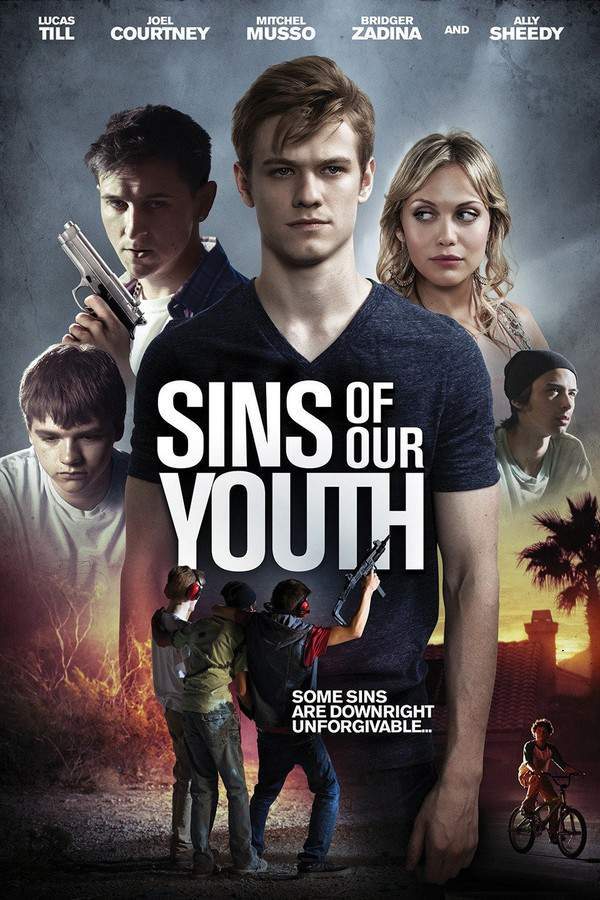
Sins of Our Youth (2016) Full Movie Breakdown
After School Special (2017) Full Movie Breakdown
School’s Out (2018) Full Movie Breakdown
2:37 (2006) Movie Recap & Themes
High School Record (2005) Complete Plot Breakdown
Dorm (2006) Plot Summary & Ending Explained
After School (1988) Full Summary & Key Details
if… (1968) Detailed Story Recap
My Suicide (2009) Movie Recap & Themes
Teenage Angst (2008) Spoiler-Packed Plot Recap
After School (2023) Plot Summary & Ending Explained