









Plot Explained Spoilers guaranteed!
Plot Explained

Browse by genre

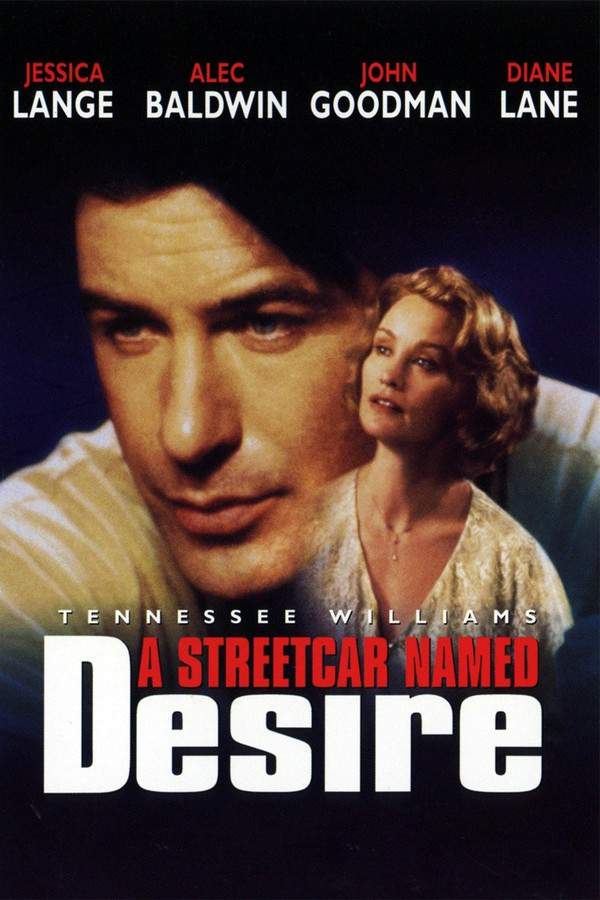
A Streetcar Named Desire (1951) movie poster

Spoiler-Free Summary

A Streetcar Named Desire (1951) Spoiler-Free Summary – What It's About

Release, runtime and language
1951 · 122 min · English
JustWatch #1,423 25
Directed by
Elia Kazan
Starring
Karl Malden, Marlon Brando, Rudy Bond, Vivien Leigh, Kim Hunter, Nick Dennis

In 1940s New Orleans, the arrival of fragile Blanche DuBois disrupts the lives of her sister Stella and Stella's husband, Stanley Kowalski. Blanche, a fading socialite, attempts to conceal her troubled past while navigating the stifling heat and tensions of their close-quarters living situation. As Blanche's illusions clash with Stanley's blunt reality, a destructive conflict emerges, threatening to shatter the family’s precarious stability and expose long-held secrets.

On this page (7)
  1. 1 Where to watch
  2. 2 What it is about
  3. 3 Is it worth watching?
  4. 4 After you watch
  5. 5 Movie threads
  6. 6 Movies like A Streetcar Named Desire
  7. 7 Every angle

Where to watch

Where to Watch A Streetcar Named Desire (1951)

Where can you watch A Streetcar Named Desire? Stream, rent or buy it in the US, including on HBO Max, YouTube TV and Mometu: current JustWatch availability with up-to-date prices.

Streaming availability powered by JustWatch

Spoiler-free summary · safe to read

What Is A Streetcar Named Desire About? (No Spoilers)

The plot of A Streetcar Named Desire (1951) without spoilers: what it is about, who it follows and where it takes place, told without the twists or the ending. Enough to decide whether it is your next watch, not enough to ruin it.

In the sweltering summer of 1940s New Orleans, the city’s humid streets and cramped French‑Quarter apartments pulse with a mix of jazz‑filled vitality and oppressive heat. The world feels both intoxicatingly alive and claustrophobic, a place where whispered histories cling to peeling walls and the scent of magnolia mingles with the sharp tang of sweat. Within this charged atmosphere, a modest, aging tenement becomes the focal point for a delicate drama that hinges on the thin line between illusion and reality.

Blanche DuBois arrives on a streetcar aptly named “Desire,” a fragile former socialite carrying the weight of a genteel past that now feels out of step with her surroundings. She seeks refuge with her younger sister, Stella, who lives in the modest flat with her husband, Stanley Kowalski, a man of raw physicality and unapologetic directness. The contrast between Blanche’s cultivated manners and Stanley’s blunt, earthy presence creates an undercurrent of tension that ripples through every interaction, while Stella navigates the pull of loyalty to both siblings.

The tone of the story is one of simmering unease, a psychological ballet set against the backdrop of a city that never quite lets its characters escape the heat—both external and internal. As Blanche attempts to conceal the fractures in her own history, the surrounding world seems ready to expose them, hinting at hidden forces that could reshape the fragile balance of this tightly wound household. The film promises a rich exploration of desire, illusion, and the fragile veneer that holds people together in a world that demands raw truth.

Last updated: August 11, 2025 at 07:49

Was this helpful?

What to expect

Is A Streetcar Named Desire Worth Watching? What It Feels Like

Is it dark, sad, slow, intense or confusing? The mood of A Streetcar Named Desire (1951) in a few tags, without a word about how it ends. Each tag opens a list of movies that feel the same.

After you watch

Seen A Streetcar Named Desire? Now Read the Spoilers

Once you have watched A Streetcar Named Desire (1951), come back for the full story: the plot summary with spoilers, the timeline in chronological order, the characters and meaning.

Movie threads

More Movies Like A Streetcar Named Desire, by Mood & Story

Curated lists built around what makes A Streetcar Named Desire tick: the same mood, the same kind of story or the same emotional payoff. Each list explains why these movies belong together.

Claustrophobic domestic tragedies like A Streetcar Named Desire

Where family tensions in a confined space escalate to shattering destruction. For viewers who appreciated the suffocating tension and destructive family dynamics in A Streetcar Named Desire. Discover movies with similar high-intensity, character-driven stories set in confined spaces, where personal illusions clash with harsh realities, leading to bleak conclusions.

  • claustrophobic
  • oppressive
  • volatile
  • shattering
  • anxious
  • melancholic
  • Tone: dark, oppressive
  • Pacing: steady, escalating
Why these movies?

The story pattern: Narratives in this thread typically follow a steady, escalating structure. They begin by establishing a precarious domestic equilibrium, which is disrupted by an outside force or an internal secret. The story then methodically tightens the screws through intense character confrontations, revealing deep-seated flaws and toxic dependencies, culminating in a catastrophic collapse of the central relationships.

Why they belong together: Movies are grouped here due to their shared high emotional intensity, dark tone, and oppressive, claustrophobic mood. They all feature a steady pacing that builds dread, a focus on psychologically complex characters trapped in close quarters, and narratives that explore the devastating impact of truth, desire, and mental fragility on the family structure.

Movies about illusion versus reality like A Streetcar Named Desire

Stories about characters whose delicate fantasies are shattered by an unyielding world. If you liked the central conflict in A Streetcar Named Desire, where Blanche's fantasy world clashes with Stanley's raw realism, you'll find similar narratives here. These films feature characters on the brink, whose self-deception is challenged, resulting in heavy emotional journeys and often tragic outcomes.

  • melancholic
  • anxious
  • shattering
  • psychological
  • desperate
  • tragic
  • Tone: dark, melancholic
  • Pacing: steady, character-driven
Why these movies?

The story pattern: The narrative pattern involves a deluded or fragile protagonist attempting to maintain a facade. A catalyst character, embodying raw truth or cynicism, systematically dismantles this illusion. The story arc is one of inevitable decline, following the protagonist's gradual or sudden psychological collapse as their constructed reality is stripped away, leaving them exposed and broken.

Why they belong together: These movies share a focus on the thematic conflict between deception and truth, often with a moderate narrative complexity that delves into psychology. They possess a melancholic and anxious mood, a steady pacing that allows for a methodical deconstruction of a character's psyche, and deliver a heavy emotional weight with overwhelmingly bleak or bittersweet conclusions.

If you liked this

Movies Like A Streetcar Named Desire

Similar movies to A Streetcar Named Desire: the same genre, themes or kind of story. Each one comes with its own plot summary, timeline and ending explained.

Browse all movie summaries

Every angle

A Streetcar Named Desire (1951) Explained: Plot, Timeline & Characters

Everything about A Streetcar Named Desire in one place: what happens in the plot summary, the timeline in chronological order, the characters and meaning and a spoiler-free summary. What's After the Movie adds the cast, box office and post-credit scenes.

Coming soon on iOS and Android

The Plot Explained Movie Summary App

Plot summaries, endings explained and timelines on your phone. Catch up on any movie in minutes, save your favorites and never miss a twist again.

Be the first to know when we launch. Your email stays private, always.

Learn more about the app