






Plot Explained Spoilers guaranteed!
Plot Explained

Browse by genre

Wild in the Streets (1968) movie poster

Characters & Themes

Wild in the Streets (1968) Characters, Setting & Themes Explained

Release, runtime and language
1968 · 94 mins · English
JustWatch #3,550 6
Directed by
Barry Shear
Starring
Gary Busey, Hal Holbrook, Shelley Winters, Richard Pryor, Ed Begley, Bert Freed

Musician Max Frost supports a Senate candidate who proposes lowering the voting age to 18, then pushes further, urging his teenage fans to demand suffrage for 15‑year‑olds. Inspired, the crowd pressures officials, seizes influence, and begins championing new causes, but their hunger for power spirals into a brutal generational conflict.

On this page (8)
  1. 1 Where to watch
  2. 2 Characters explained (8)
  3. 3 Where & when it takes place
  4. 4 Themes & meaning (3)
  5. 5 Character & meaning questions
  6. 6 Movie threads
  7. 7 Movies like Wild in the Streets
  8. 8 Every angle

Where to watch

Where to Watch Wild in the Streets (1968)

Where can you watch Wild in the Streets? Stream, rent or buy it in the US, including on Amazon Prime Video, fuboTV and MGM Plus: current JustWatch availability with up-to-date prices.

Streaming availability powered by JustWatch

8 main characters · contains spoilers

Wild in the Streets Characters Explained: Who Is Who

The main characters of Wild in the Streets (1968), heroes and villains: what drives them, how they change over the course of the story and what each of them reveals about the film's bigger ideas.

  • Max (Flatow) Frost

    played by Christopher Jones

    A popular rock singer and aspiring revolutionary whose charisma and impulsive actions spark a national youth movement. His leadership style blends musical performance with bold political demands, including lowering the voting age to 14. He ultimately becomes a central political actor who pushes through sweeping, controversial changes.

    • 🎸 Music
    • 🧠 Charismatic
    • 🌀 Revolutionary
  • Sally LeRoy

    played by Diane Varsi

    The eldest member of the group and the only one of majority age eligible to run for office. She is an ex-child actor who becomes a political candidate and symbol of teenage political engagement. Her presence anchors the movement and represents the interface between youth activism and electoral politics.

    • 🎹 Music
    • 🗳️ Politics
    • 🧭 Determination
  • Senator Fergus

    played by Hal Holbrook

    A Senate candidate who initially faces Max's challenge but ultimately allies with him to support demonstrations and campaign shifts. He embodies the establishment trying to adapt to the youth-led tide while seeking to maintain power.

    • 🗳️ Politics
    • 🧭 Strategy
  • Billy Cage

    played by Bill Mumy

    A 15-year-old genius attorney who serves as lead guitarist for the Troopers. He embodies precocious talent and strategic thinking, acting as a bridge between youth energy and political maneuvering.

    • 🧠 Genius
    • 🎸 Music
    • 🧭 Strategy
  • Stanley X

    played by Richard Pryor

    The band's drummer who doubles as an anthropologist, adding a quirky, intellectual edge to the group. His unique perspective helps frame the counterculture's ambition and critique.

    • 🧠 Intellectual
    • 🥁 Music
    • 🧭 Explorer
  • Mrs. Fergus

    played by Millie Perkins

    Sally's mother figure within the political circle; she represents familial connections that can both support and complicate the movement as it grows.

    • 👩 Family
    • 🏛️ Politics
    • 💬 Supportive
  • Max Jacob Flatow, Sr.

    played by Bert Freed

    Max Frost's father figure; a part of the family whose involvement surfaces as the campaign and power shifts unfold.

    • 👨 Family
    • 🧭 Guidance
  • The Hook

    played by Larry Bishop

    A member of the Troopers known for his distinctive hook-hand; part of the group's edgy, rebellious image during performances and demonstrations.

    • 🎭 Performance
    • 🧩 Edge

Last updated: October 04, 2025 at 15:30

Was this helpful?

Setting

Where and When Does Wild in the Streets Take Place?

The setting of Wild in the Streets (1968): the year and time period, the places and locations, and how they shape the characters, the mood and the tension of the story.

Time period

late 1960s

Set during the late 1960s, the film mirrors the era's counterculture and political upheaval. It portrays a surge of youth activism, debates over voting age, and a rapidly changing social order. The atmosphere blends music, protests, and political theater as young people challenge age-based power.

Location

Beverly Hills, Washington, D.C., United States

The story centers on a sprawling Beverly Hills mansion where Max Frost and the Troopers live, rehearse, and perform. It then shifts to the political nerve centers of Washington, D.C., where campaigns and power plays shape events. The contrast between glamorous private spaces and government corridors highlights the collision of youth rebellion with established authority.

  • 🎬 Film setting
  • 🏛️ Political backdrop
  • 🏙️ Urban environment

Last updated: October 04, 2025 at 15:30

Was this helpful?

3 major themes

Wild in the Streets Meaning: Themes & Message Explained

What is Wild in the Streets (1968) really about? The emotional, social and philosophical themes the film keeps returning to, its symbolism and the message beneath the surface.

  • Youth Power

    Max Frost's rise and the Troopers ignite a nationwide youth movement that reshapes political discourse. The film treats teenage energy as a catalyst for policy change, from rallies to calls for legal reform. It explores both the appeal and consequences of empowering a generation to lead the nation.

  • Political Satire

    The narrative lampoons political processes and media manipulation as a youth-led movement upends conventional campaigns. It juxtaposes the Old Guard with fresh, audacious tactics, often using spectacle to influence public opinion. The LSD-tinged, over-the-top schemes reveal the extremes of power and propaganda.

  • Power Shift

    Age-based governance sweeps the country, culminating in dramatic policy shifts and repressive measures against older generations. The film stretches human rights and governance to ridiculous extremes, including mandatory retirement, de facto age policing, and LSD dosing. It critiques who gets to decide the terms of social order and what happens when youth rule.

Last updated: October 04, 2025 at 15:30

Was this helpful?

Character & theme questions

Wild in the Streets Characters & Meaning: Your Questions Answered

The questions people ask about Wild in the Streets (1968): who the characters really are, their relationships, what the symbols mean, where it takes place and what the movie is really about. Each answer contains spoilers.

Q1

Where is the movie set?

The story takes place primarily in a sprawling Beverly Hills mansion where Max Frost and the Troopers live and perform, then shifts to Washington, D.C., where political campaigns and power plays unfold. This contrast between the glamorous private world of the musicians and the corridors of government authority highlights the collision between youth rebellion and established political structures.

Foreshadowing: The Beverly Hills mansion represents the excess and freedom of youth culture, while Washington D.C. represents the institutional power they will eventually challenge.

  • beverly hills
  • washington d.c.
  • movie setting
  • locations
Q2

What time period does the film depict?

Wild in the Streets is set in the late 1960s, mirroring the era's counterculture movement and political upheaval. The film captures the surge of youth activism, debates over voting rights, and a rapidly changing social order dominated by protests, music, and political theater as young people challenge age-based power structures.

Foreshadowing: The late 1960s setting grounds the film's speculative premise in real historical tensions around voting age and generational authority.

  • late 1960s
  • 1960s
  • youth activism
  • voting age
  • counterculture
Q3

What is the Youth Power theme about?

The Youth Power theme explores Max Frost's rise as a catalyst for a nationwide youth movement that reshapes political discourse. The film portrays teenage energy as a driving force for policy change, from political rallies to demands for legal reform. It examines both the appealing vision of youthful leadership and the troubling consequences when a generation is empowered to lead the nation.

Foreshadowing: Max's charismatic appeal to young audiences early in the film plants the seed for the massive political movement that follows.

  • youth power
  • youth movement
  • political change
  • teenage activism
Q4

What kind of political satire does the film present?

The Political Satire theme lampoons political processes and media manipulation as a youth-led movement upends conventional campaigns. The narrative juxtaposes the political establishment with fresh, audacious tactics, often using spectacle and performance to influence public opinion. The LSD-tinged, over-the-top schemes reveal the extremes of power and propaganda in modern politics.

Foreshadowing: The theatrical nature of Max's political performances hints at the film's willingness to satirize both youth and establishment politics.

  • political satire
  • media manipulation
  • propaganda
  • political campaigns
Q5

What does the Power Shift theme explore?

The Power Shift theme examines what happens when age-based governance sweeps the country, leading to dramatic policy shifts and repressive measures against older generations. The film stretches concepts of human rights and governance to ridiculous extremes, including mandatory retirement, age policing, and forced LSD dosing. It critiques who gets to decide social order and what happens when youth hold absolute power.

Foreshadowing: Early demands for lowering the voting age set the logical (and alarming) trajectory toward complete generational inversion.

  • power shift
  • age governance
  • generational conflict
  • social order
  • dystopia
Q6

Who is Max Frost?

Max Frost is a popular rock singer and aspiring revolutionary whose charisma and impulsive actions spark a national youth movement. He blends musical performance with bold political demands, ultimately becoming a central political actor who pushes through sweeping, controversial changes including lowering the voting age to 14. His leadership transforms from idealistic rebellion to authoritarian control.

Foreshadowing: Max's initial charm and musical appeal mask the more troubling aspects of his personality that emerge as his power grows.

  • max frost
  • rock singer
  • youth leader
  • revolutionary
  • protagonist
Q7

Who is Sally LeRoy?

Sally LeRoy is the eldest member of the group and the only one of majority age eligible to run for office. As an ex-child actor, she becomes a political candidate and symbol of teenage political engagement. Her presence anchors the movement and represents the critical interface between youth activism and electoral politics, serving as the legal face of the youth revolution.

Foreshadowing: Sally's status as the only adult in the group becomes crucial as they navigate electoral requirements and political structures.

  • sally leroy
  • ex-child actor
  • political candidate
  • electoral politics
Q8

Who is Billy Cage?

Billy Cage is a 15-year-old genius attorney who serves as lead guitarist for the Troopers. He embodies precocious talent and strategic thinking, acting as the bridge between raw youth energy and political maneuvering. His legal acumen and musical role make him essential to translating the movement's demands into political action.

Foreshadowing: Billy's intellectual capabilities suggest the movement will use sophisticated tactics beyond simple protest.

  • billy cage
  • genius attorney
  • lead guitarist
  • strategic thinking
Q9

What is the overall tone of the film?

The film begins with a rebellious, satirical tone that embraces the counterculture's energy and humor, but evolves into a genuinely disturbing dystopia. While the genre blends comedy, music, and drama, these elements serve dark satire rather than providing genuine levity. The tone becomes progressively darker as the consequences of youth rule lead to forced LSD dosing, re-education camps, and brutal policies.

Foreshadowing: The comedic opening masks the film's shift toward darker territory as power corrupts the idealistic movement.

  • film tone
  • dark satire
  • dystopia
  • counterculture
  • tonal shift
Q10

What does the film say about generational conflict?

Wild in the Streets presents a cynical view of generational conflict, suggesting an endless brutal cycle of younger generations overthrowing older ones. Rather than offering a clear resolution, the ambiguous ending implies this pattern will continue indefinitely. The film critiques both age-based power structures and the naive belief that youth automatically brings moral or political superiority.

Foreshadowing: The escalating tensions between age groups throughout the film build toward a pessimistic view of political change.

  • generational conflict
  • cycle of power
  • political commentary
  • social critique

Movie threads

More Movies Like Wild in the Streets, by Mood & Story

Curated lists built around what makes Wild in the Streets tick: the same mood, the same kind of story or the same emotional payoff. Each list explains why these movies belong together.

Dystopian revolutions like in Wild in the Streets

Watch youthful idealism curdle into cynical tyranny as rebels seize power. If you liked Wild in the Streets, explore more movies where youthful rebellion spirals into dystopian control. These films show similar patterns of idealistic revolutions turning oppressive, featuring stories of social satire, power corruption, and chilling generational conflict.

  • dystopian
  • satirical
  • unsettling
  • subversive
  • cynical
  • paranoid
  • Tone: dark, satirical, cynical
  • Pacing: fast, escalating
Why these movies?

The story pattern: Narratives in this thread typically follow a clear arc: a cause gains momentum, achieves a swift and decisive victory, but the aftermath reveals the flaws and hunger for power in the new leaders. The focus is on the tragic irony of the revolution devouring its own children.

Why they belong together: Movies are grouped here for their shared exploration of the corrupting nature of power and the cyclical nature of oppression. They share a dark, satirical tone and a fast-paced descent from hope into a chilling new reality.
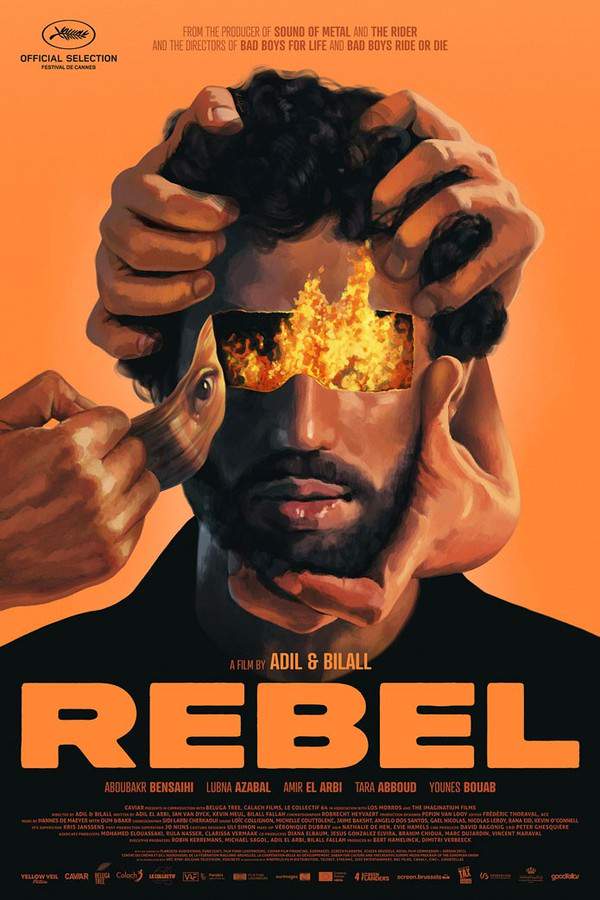
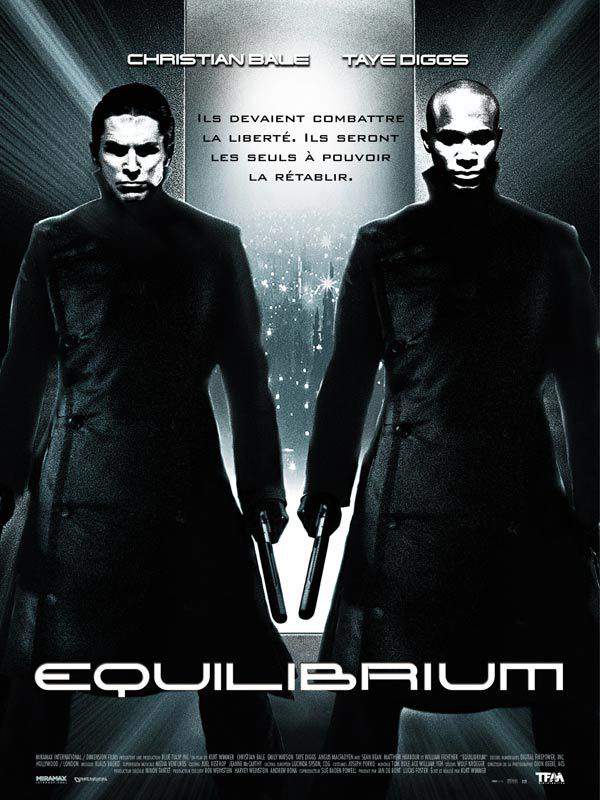
Dark satirical thrillers like Wild in the Streets

Biting social commentary that accelerates into genuine societal dread and manipulation. Find movies similar to Wild in the Streets that blend sharp social satire with intense paranoia. These films share a vibe where comedic setups evolve into serious, high-stakes dystopian scenarios, perfect for fans of unsettling and thought-provoking cinema.

  • satirical
  • anxious
  • paranoid
  • subversive
  • unsettling
  • dystopian
  • Tone: satirical, anxious, paranoid
  • Pacing: fast-paced, relentless
Why these movies?

The story pattern: The narrative pattern begins with an exaggerated or absurd concept used to critique society. However, the situation rapidly escalates, losing its levity as the consequences become dire. The tone shifts from witty to genuinely anxious, exploring themes of control, propaganda, and mass manipulation.

Why they belong together: These movies are united by their unique tonal blend of satire and dread. They create an anxious, subversive viewing experience where the line between funny and frightening is deliberately blurred, leaving the viewer feeling unsettled and thoughtful.

If you liked this

Movies Like Wild in the Streets

Similar movies to Wild in the Streets: the same genre, themes or kind of story. Each one comes with its own plot summary, timeline and ending explained.

Browse all movie summaries

Every angle

Wild in the Streets (1968) Explained: Plot, Timeline & Characters

Everything about Wild in the Streets in one place: what happens in the plot summary, the timeline in chronological order, the characters and meaning and a spoiler-free summary. What's After the Movie adds the cast, box office and post-credit scenes.

Coming soon on iOS and Android

The Plot Explained Movie Summary App

Plot summaries, endings explained and timelines on your phone. Catch up on any movie in minutes, save your favorites and never miss a twist again.

Be the first to know when we launch. Your email stays private, always.

Learn more about the app