Year: 2005
Runtime: 21 mins
Language: English
Director: Ari Sandel
A musical comedy that blends song, dance and plenty of hummus, set amid the bustling rival falafel stalls of the West Bank. Israeli soldier David falls for Fatima, a Palestinian cashier, even as their families’ competing restaurants clash. Their romance is tested by centuries‑old tensions and both sides’ ambition to dominate the chickpea market.
Warning: spoilers below!
Haven’t seen West Bank Story yet? This summary contains major spoilers. Bookmark the page, watch the movie, and come back for the full breakdown. If you're ready, scroll on and relive the story!
Read the complete plot breakdown of West Bank Story (2005), including all key story events, major twists, and the ending explained in detail. Discover what really happened, and what it all means.
The film opens with a playful collision of two cultures, as Palestinians and Jews snap their fingers in a lighthearted nod to West Side Story. The two groups head to their own family-owned falafel stands—Hummus Hut and Kosher King—and sing about their shared livelihood and rivalry in a cheeky duet that frames the community’s daily life. In the daylight hours, a quiet desire simmers between Fatima and David, who drift into a romantic dreamscape during the duet When I See Him. A chance encounter while Fatima is rushing to retrieve a customer’s forgotten leftovers makes their chemistry undeniable, setting the stage for a forbidden attraction that could complicate everything.
Back at the shop, tensions rise when Fatima’s brother reveals that the Kosher King has a machine that inches into their property, triggering a standoff between the families. The moment escalates when the head of Hummus Hut hurls a rock at the machine, causing it to malfunction and forcing a tense confrontation. The conflict proves to be a truce-breaker that only David and Fatima can cool, underscoring how love might bridge or break a fragile peace. In response to the encroachment, Ariel, the head of Kosher King, declares a bold plan to build a wall, signaling a deeper wedge between the communities. After the heated confrontation, the two lovers steal a moment alone, and [David] hints that he will come to Fatima’s balcony that night, signaling a budding hope amid rising stakes.
As construction begins, the Palestinians threaten to thwart the project with renewed vigor in the number We’re Gonna Build It, a chorus of determination that fills the air with both defiance and dread. [David] visits Fatima at her home in This Moment Is All We Have, expressing a longing to kiss her, but Fatima refuses, arguing that an impulsive romance could explode into violence and loss for everyone involved. They sneak away to intervene in a growing conflict, and the revelation—to Fatima’s family and the two communities—that they are in love compounds the danger surrounding them. A sudden fight spills into a store, tipping over a gasoline canister and igniting a fire that threatens the entire falafel stand ecosystem, turning a shared dream into a communal crisis.
The blaze draws mixed reactions from the two sides. [David] races to warn the Israelis, who initially celebrate the confusion, only for the embers to threaten Kosher King as well. The moment of triumph quickly soured into a sobering realization that their actions have consequences for both communities. Fatima voices a hard truth: their celebratory mood is hollow if the cost is more hardship for their families and neighbors. In the aftermath, the residents of Hummus Hut salvage what remains and, with effort and resourcefulness, begin to merge the two falafel stands rather than see them burn apart. This uneasy fusion marks a turning point, with both sides learning to share space and food, even as they navigate lingering distrust and the complexity of loyalty to family.
In the quieter hours that follow, the street starts to resemble a single, divided market—yet a glimmer of unity emerges as [David] and Fatima cooperate to feed the neighborhood. The couple’s kiss becomes a symbolic treaty, a tiny, fragile seed of reconciliation planted amid a landscape of competing allegiances. The film closes on a note of ambiguous optimism: a peek into a future where the two communities might coexist through courage, compromise, and shared meals, even as the memory of conflict remains a shadow over every fresh bite.
Take you to a place called… Beverly Hills.
Last updated: October 09, 2025 at 16:34
Explore frequently asked questions about West Bank Story (2005) with spoiler-rich answers covering the full plot summary, major story beats, character motivations, hidden details, and ending meaning. This movie summary FAQ helps explain confusing scenes, plot twists, and narrative decisions in clear, searchable detail.
Fatima refuses because she believes an impulsive romance could explode into violence and loss for everyone involved. She understands that their relationship, happening amid the heightened tensions between their families and communities, would not be seen as innocent, it would be perceived as a betrayal and could trigger severe consequences for both sides. Despite her feelings for David, she prioritizes the safety of their families and the fragile peace between the communities.
Earlier, the film hints at the danger of cross-community relationships through the escalating property dispute and the families' heated confrontation.
A sudden fight between members of the two communities spills into a store, tipping over a gasoline canister. The canister ignites, setting the Hummus Hut stand on fire. The embers then spread to the Kosher King stand, causing it to catch fire as well. The fire destroys both stands, turning what started as a celebratory moment into a communal crisis that threatens the entire falafel market.
The escalating tensions and confrontations throughout the film build toward this violent eruption, with the property dispute and wall construction serving as catalysts.
After the fire destroys both stands, David and Fatima salvage what remains and choose to merge them into a single operation rather than let both businesses burn apart. This decision represents a turning point, they realize that continued rivalry only leads to destruction for everyone. The merger becomes a tangible act of cooperation, showing that sharing space and food is possible even when trust is still fragile.
The fire is the culmination of the conflict, and Fatima's earlier warning that their celebratory mood is hollow if the cost is more hardship for their families foreshadows the need for a new approach.
Fatima's brother discovers that Kosher King has deployed a machine that inches onto the Hummus Hut property, encroaching on their territory. This discovery sparks a tense standoff between the two families, with the Hummus Hut owner reacting by throwing a rock at the machine, causing it to malfunction. The confrontation escalates into a broader conflict that threatens to break the truce between the communities.
The opening scene establishes the parallel worlds and daily rivalry between the two stands, making this territorial infringement a natural escalation of existing tensions.
Ariel, the head of Kosher King, decides to build a wall after the property dispute escalates and the Hummus Hut owner throws a rock at their machine. The wall is meant to physically separate the two communities and their businesses, creating a permanent barrier. This decision reflects the deeper wedge between the groups and heightens the stakes for David and Fatima's relationship, as the wall symbolizes the obstacle their love must overcome.
The property dispute and malfunctioning machine directly provoke Ariel's response, showing how small conflicts can escalate into larger divisions.
In the final scene, David tells Fatima he will take her to Beverly Hills, a direct reference to West Side Story, which the film parodies throughout. This line represents hope and escapism, imagining a place beyond the conflict where their love might flourish freely. The ending is intentionally ambiguous but optimistic: it suggests that courage, compromise, and shared meals might eventually lead to coexistence, even if the memory of conflict lingers.
The opening scene mirrors West Side Story with its finger-snapping nod to the classic musical, establishing the homage that pays off in this final reference.
David and Fatima's relationship begins with quiet attraction during daytime encounters at their respective falafel stands. A chance encounter when Fatima rushes to retrieve a customer's forgotten leftovers makes their chemistry undeniable. They share a romantic dreamscape during the duet 'When I Ste Him,' and David promises to visit Fatima's balcony at night. However, their relationship is constantly tested by family tensions, the property dispute, and the looming wall, each obstacle forcing them to choose between their love and their communities.
The opening scene establishes the undercurrent of attraction between them before any conflict erupts, signaling that their connection will be central to the story.
The musical comedy format serves as a deliberate choice to make the subject matter more accessible and to highlight the absurdity of the conflict through parody. By blending song, dance, and humor with the West Bank setting, the film mirrors West Side Story's approach, using entertainment to explore real tensions. The playful tone doesn't diminish the gravity of the conflict but rather emphasizes that beneath the rivalry, both communities share similar daily lives, livelihoods, and ultimately, the same dreams for peace.
The opening sequence immediately establishes this tone with its cheeky finger-snapping duet that frames the community's daily life as both humorous and relatable.
When Fatima's family discovers her secret love for David, the revelation intensifies the emotional stakes and complicates loyalties on both sides. The family is understandably concerned about the implications, dating someone from the rival side, especially an Israeli soldier, could be seen as betrayal. This revelation adds danger to their relationship and forces David and Fatima to confront whether their love is worth the risk of alienating their families and potentially sparking further violence.
Earlier, Fatima warns David that an impulsive romance could explode into violence and loss, showing her awareness of the stakes even before the revelation.
David and Fatima's kiss at the merged falafel stand becomes a symbolic treaty, a tiny, fragile seed of reconciliation planted amid a landscape of competing allegiances. It represents not just their personal love but the possibility of peace between their communities. The kiss happens in plain view, suggesting they are no longer hiding their relationship, and it marks the first visible act of unity between the two sides. However, the film leaves their future open, acknowledging that while the kiss symbolizes hope, the conflict's memory still lingers.
The earlier moment when Fatima refuses David's kiss, citing the potential for violence, makes this eventual kiss even more meaningful, it represents a choice to risk everything for the possibility of peace.
Discover curated groups of movies connected by mood, themes, and story style. Browse collections built around emotion, atmosphere, and narrative focus to easily find films that match what you feel like watching right now.
Hopeful love stories that use charm and humor to bridge deep societal divides.Find more movies like West Bank Story, where a charming and hopeful romance blossoms amidst serious political or cultural conflict. These films balance lightheartedness with meaningful themes, perfect if you love stories about star-crossed lovers finding common ground through humor and optimism.
These narratives follow a classic star-crossed lovers arc, often inspired by tales like Romeo and Juliet. Protagonists from opposing sides of a conflict meet and fall in love, challenging their communities' prejudices. The journey involves secret meetings, comical misunderstandings, and a climactic crisis that forces both sides to reconsider their rivalry, often leading to a bittersweet but hopeful resolution.
Movies are grouped here for their unique blend of a serious, divisive setting with a playful, romantic tone. They share a hopeful core message about reconciliation, achieved through a mix of whimsy, music, or comedy that softens the edges of the central conflict without ignoring its weight.
Uplifting song and dance numbers that explore serious themes with heart.Discover musicals similar to West Bank Story that tackle serious themes like political conflict or cultural rivalry through song and dance. If you enjoyed how it blended humor and music with a meaningful message, you'll find more films here that entertain while making you think.
The narrative often centers on a community facing a conflict, using musical numbers to express internal emotions, external tensions, and collective hopes. Characters find their voices through song, leading to a climax where performance or artistic expression becomes a catalyst for understanding or change. The story structure is straightforward, ensuring the message is clear and emotionally resonant.
These films are united by their use of the musical genre as a vehicle for social commentary. They share a specific vibe: a steady, engaging pace driven by musical numbers, a medium emotional weight that balances serious themes with levity, and a core intention to inspire hope and reflection through entertainment.
Don't stop at just watching - explore West Bank Story in full detail. From the complete plot summary and scene-by-scene timeline to character breakdowns, thematic analysis, and a deep dive into the ending - every page helps you truly understand what West Bank Story is all about. Plus, discover what's next after the movie.
Track the full timeline of West Bank Story with every major event arranged chronologically. Perfect for decoding non-linear storytelling, flashbacks, or parallel narratives with a clear scene-by-scene breakdown.
Discover the characters, locations, and core themes that shape West Bank Story. Get insights into symbolic elements, setting significance, and deeper narrative meaning - ideal for thematic analysis and movie breakdowns.
Discover movies like West Bank Story that share similar genres, themes, and storytelling elements. Whether you’re drawn to the atmosphere, character arcs, or plot structure, these curated recommendations will help you explore more films you’ll love.
West Bank Story (2005) Scene-by-Scene Movie Timeline
West Bank Story (2005) Movie Characters, Themes & Settings
West Bank Story (2005) Spoiler-Free Summary & Key Flow
Movies Like West Bank Story – Similar Titles You’ll Enjoy
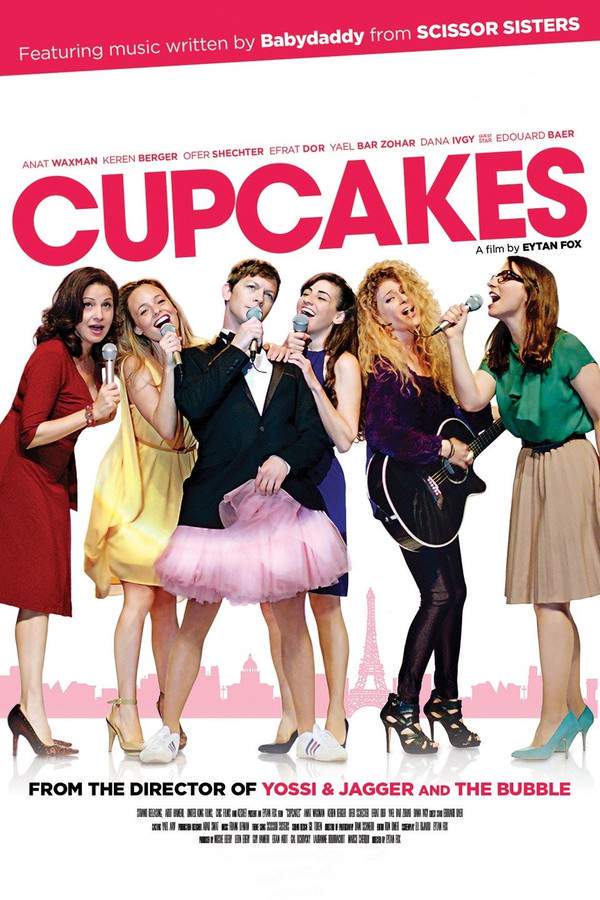
Cupcakes (2015) Full Summary & Key Details
Omar (2014) Spoiler-Packed Plot Recap
Lemon Tree (2009) Full Summary & Key Details
Divine Intervention (2003) Full Movie Breakdown
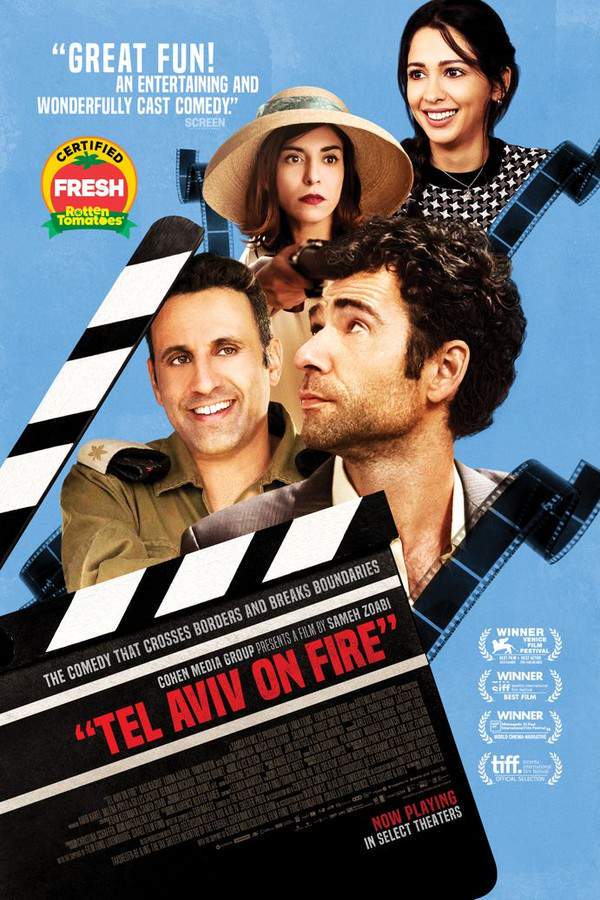
Tel Aviv on Fire (2019) Full Movie Breakdown
O Jerusalem (2007) Complete Plot Breakdown
It Must Be Heaven (2019) Spoiler-Packed Plot Recap
David & Layla (2005) Detailed Story Recap
Wedding in Galilee (1987) Story Summary & Characters
East and West (1923) Complete Plot Breakdown
Haifa (1995) Story Summary & Characters
West Beirut (1998) Full Summary & Key Details
The West Point Story (1950) Ending Explained & Film Insights
The Song of the Siren (1994) Story Summary & Characters
Palestine Islands (2023) Ending Explained & Film Insights