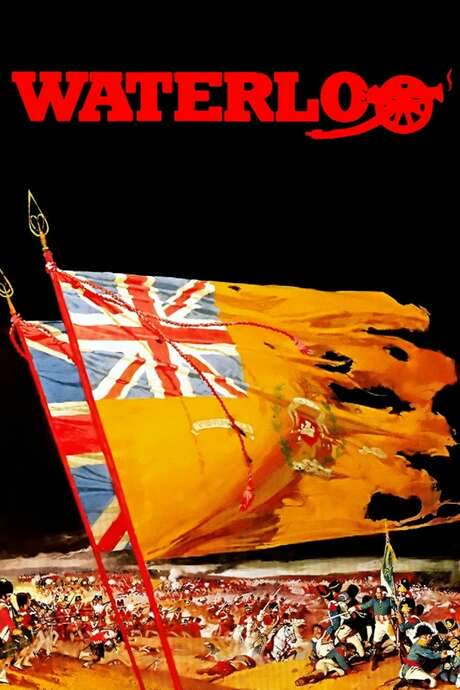
Waterloo
Year: 1970
Runtime: 134 mins
Language: English
Director: Sergey Bondarchuk
On an unforgettable afternoon at Waterloo, Napoleon confronts the Duke of Wellington. After his defeat and exile to Elba, Europe is stunned when he escapes, wins back the loyalty of the French army, and threatens the restored monarch. Wellington, who had outmaneuvered Napoleon’s forces in Spain and Portugal, now leads an Anglo‑Allied army to meet the French emperor in a decisive battle.
Warning: spoilers below!
Haven’t seen Waterloo yet? This summary contains major spoilers. Bookmark the page, watch the movie, and come back for the full breakdown. If you're ready, scroll on and relive the story!
Timeline & Setting – Waterloo (1970)
Explore the full timeline and setting of Waterloo (1970). Follow every major event in chronological order and see how the environment shapes the story, characters, and dramatic tension.
Last Updated: October 04, 2025 at 15:35
Main Characters – Waterloo (1970)
Meet the key characters of Waterloo (1970), with detailed profiles, motivations, and roles in the plot. Understand their emotional journeys and what they reveal about the film’s deeper themes.
Last Updated: October 04, 2025 at 15:35
Major Themes – Waterloo (1970)
Explore the central themes of Waterloo (1970), from psychological, social, and emotional dimensions to philosophical messages. Understand what the film is really saying beneath the surface.
Last Updated: October 04, 2025 at 15:35

Explore Movie Threads
Discover curated groups of movies connected by mood, themes, and story style. Browse collections built around emotion, atmosphere, and narrative focus to easily find films that match what you feel like watching right now.
Movies like Waterloo: Epic Historical Battle Dramas
Sweeping depictions of famous conflicts that changed the course of history.If you were captivated by the grand scale and tactical focus of Waterloo, you'll find similar experiences in these epic historical battle dramas. These films recreate pivotal conflicts with immense attention to detail, high emotional stakes, and a focus on the commanders and soldiers who shaped history.
Red Cliff
2009
Henry V
1989
The Eight Hundred
2020

Kesari
2019
300
2007

Fortress of War
2010

War of the Arrows
2011

The Lost Battalion
2001

The Lighthorsemen
1987

The Beast of War
1988
Gettysburg
1993
Waterloo
1970

The Pride and the Passion
1957

Battle of the Bulge
1965

The Charge of the Light Brigade
1936
Narrative Summary
Stories in this thread typically center on a single, decisive historical battle or campaign. The narrative follows the strategic planning, the unfolding chaos of the engagement, and the key figures on both sides, building towards an outcome with significant historical consequences.
Why These Movies?
Movies are grouped here for their shared focus on recreating a major historical battle with authenticity and scale. They share a high-intensity, tense atmosphere, heavy emotional weight from depicting mass casualties, and a narrative driven by military strategy and leadership under pressure.
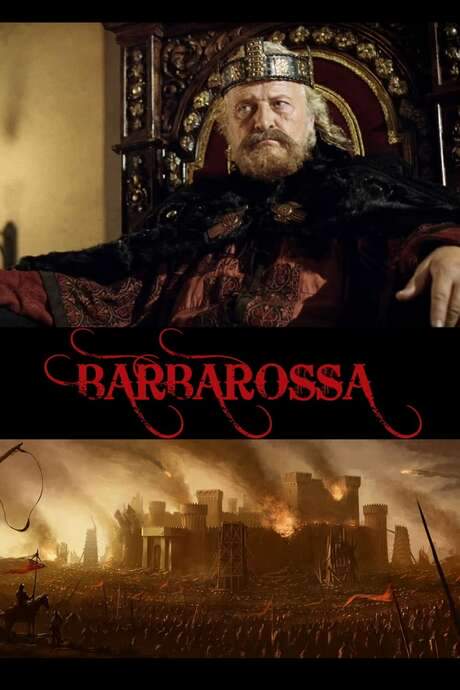
Stories of Tragic Downfall like in Waterloo
Stories of powerful figures whose fatal flaws lead to their inevitable collapse.If you were drawn to Napoleon's tragic arc of hubris and defeat in Waterloo, explore these films about powerful figures whose greatest strengths become their fatal weaknesses. These stories blend high-stakes drama with a melancholic tone, leading to a bittersweet or bleak ending.


Narrative Summary
The narrative pattern follows a rise-and-fall structure. A formidable individual achieves great power, but their arrogance, stubbornness, or inability to adapt leads to a monumental failure. The focus is on the psychological unraveling and the tragic inevitability of the downfall.
Why These Movies?
These movies are connected by their central theme of hubris and the tragic downfall of a protagonist. They share a tense, heavy tone, fast or steady pacing that builds towards climax, and a bittersweet or bleak ending that reflects on the consequences of pride.
Unlock the Full Story of Waterloo
Don't stop at just watching — explore Waterloo in full detail. From the complete plot summary and scene-by-scene timeline to character breakdowns, thematic analysis, and a deep dive into the ending — every page helps you truly understand what Waterloo is all about. Plus, discover what's next after the movie.
Waterloo Summary
Read a complete plot summary of Waterloo, including all key story points, character arcs, and turning points. This in-depth recap is ideal for understanding the narrative structure or reviewing what happened in the movie.

Waterloo Timeline
Track the full timeline of Waterloo with every major event arranged chronologically. Perfect for decoding non-linear storytelling, flashbacks, or parallel narratives with a clear scene-by-scene breakdown.

Similar Movies to Waterloo
Discover movies like Waterloo that share similar genres, themes, and storytelling elements. Whether you’re drawn to the atmosphere, character arcs, or plot structure, these curated recommendations will help you explore more films you’ll love.






Explore More About Movie Waterloo
Waterloo (1970) Plot Summary & Movie Recap
Waterloo (1970) Scene-by-Scene Movie Timeline
Waterloo (1970) Spoiler-Free Summary & Key Flow
Movies Like Waterloo – Similar Titles You’ll Enjoy
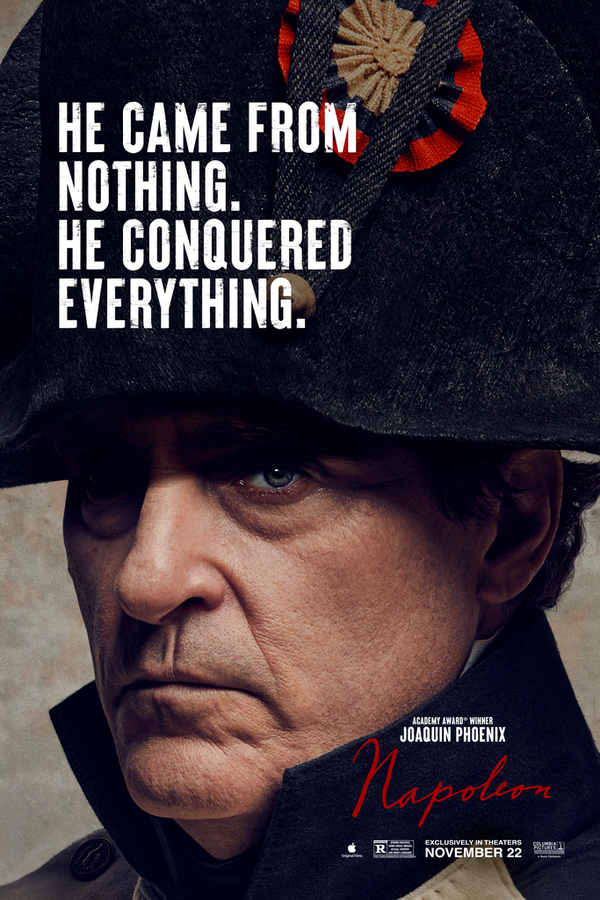
Napoleon (2023) Complete Plot Breakdown
A Battle In Waterloo (2019) Full Summary & Key Details
Sabotage!! (2000) Detailed Story Recap
Napoleon (1000) Detailed Story Recap
The Battle of Austerlitz (1960) Complete Plot Breakdown
Waterloo (1929) Detailed Story Recap
Napoleon (1955) Complete Plot Breakdown
The Pride and the Passion (1957) Full Movie Breakdown
War and Peace (1965) Story Summary & Characters
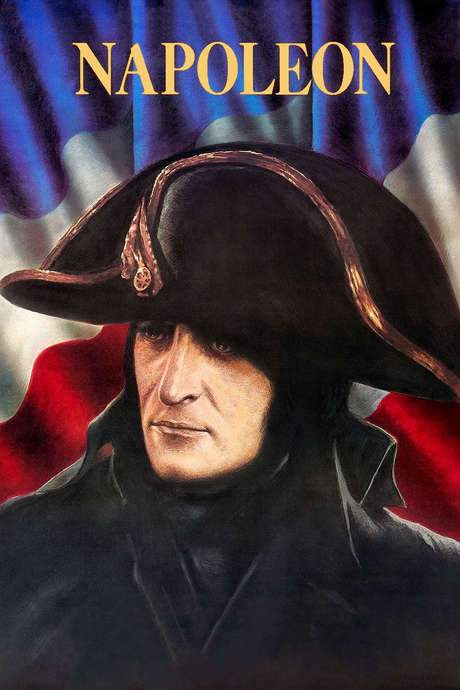
Napoleon (1927) Plot Summary & Ending Explained
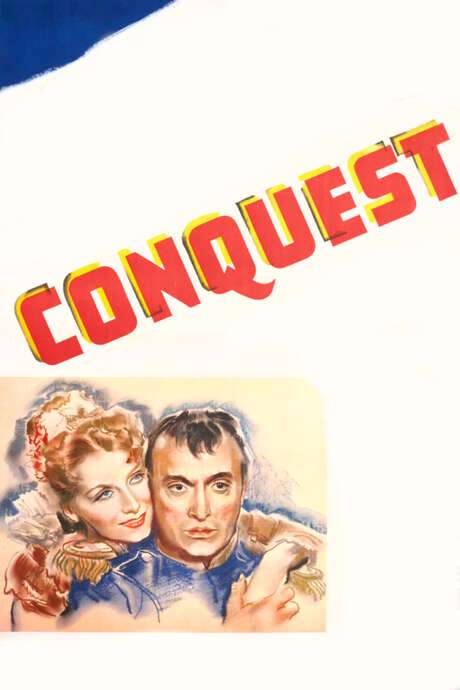
Conquest (1937) Plot Summary & Ending Explained
Sharpe’s Waterloo (1997) Complete Plot Breakdown
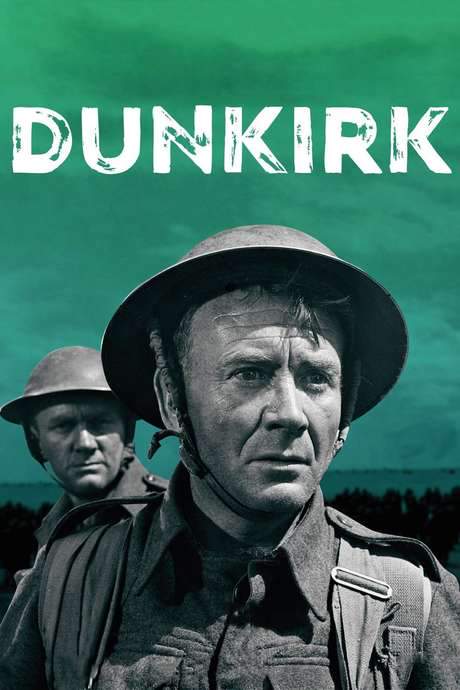
Dunkirk (1958) Film Overview & Timeline
Waterloo Bridge (1931) Full Movie Breakdown
War and Peace (1956) Ending Explained & Film Insights