Year: 2023
Runtime: 14 mins
Language: English
Director: Nina Gantz
Set in the 1980s, the children’s television series Wander to Wonder features Mary, Billybud and Fumbleton as its beloved hosts. When the program’s founder unexpectedly passes away, the trio is left alone in the empty studio, confronting the loss and the daunting task of keeping the show alive for its young audience.
Find where to stream, rent, or buy Wander to Wonder (2023) in the US with current JustWatch availability, up-to-date pricing, and platform listings for subscription, rental, and digital purchase options.
Warning: spoilers below!
Haven’t seen Wander to Wonder yet? This summary contains major spoilers. Bookmark the page, watch the movie, and come back for the full breakdown. If you're ready, scroll on and relive the story!
Trace every key event in Wander to Wonder (2023) with our detailed, chronological timeline. Perfect for unpacking nonlinear stories, spotting hidden connections, and understanding how each scene builds toward the film’s climax. Whether you're revisiting or decoding for the first time, this timeline gives you the full picture.
Last updated: February 06, 2026 at 10:54
Find frequently asked questions about the Wander to Wonder (2023) timeline, including chronological order, nonlinear jumps, cause-and-effect links, and scene sequence clarifications. This timeline FAQ helps explain when key events happen, how moments connect, and why the story unfolds in that specific order.
The trio has no way to leave the studio, which is also Uncle Gilly's private home. As child actors who lived and worked in this isolated space, they have no connection to the outside world, no transportation, and no idea how to fend for themselves in the real world. Their tiny size would also make outdoor survival extremely dangerous, so they remain despite the deteriorating conditions.
The summary establishes early that the studio functions as both their workplace and their entire world, making escape feel impossible.
Mary is in deep denial about their situation and uses the old routines as a way to process her grief. By continuing to rehearse lines, watch old episodes, and read fan letters, she maintains a connection to the life she knew and avoids accepting that Uncle Gilly will never return. This ritualized behavior is her coping mechanism for loss.
The timeline notes that Mary is 'deeply mourning Uncle Gilly and in denial that their lives have changed.'
Food runs out completely, leaving the trio with no other options for sustenance. The flies, having fed on the corpse, represent the grim reality of their desperation and isolation. This disturbing choice highlights how far they have fallen from their former lives as beloved children's television stars.
The timeline establishes that 'food grows scarce' before this moment, building to the grim meal.
During an argument between Mary and Fumbleton about their future, Billybud is juggling leftover props while holding lit matches. The combination of the open flame and his juggling act causes the fire to spread uncontrollably, trapping the trio in the burning studio.
Billybud is repeatedly introduced as 'juggling leftover props' throughout the early narrative, making this accident a tragic escalation of his habitual behavior.
The oven is the only enclosed space that can protect them from the rapidly spreading flames. With the studio filling with fire and smoke, they cram inside the oven to shield themselves from the heat and buy time until the fire dies down enough for them to escape.
The claustrophobic nature of their trapped situation has been building throughout the story, with the studio feeling increasingly like a prison.
The broken camera symbolizes the permanent end of their old life and the children's show they knew. It was their connection to the outside world and to Uncle Gilly's guidance. With it destroyed, they can no longer pretend their reality is the same, forcing them to confront the outside world.
The camera has been central to Mary continuing her performances, making its destruction a pivotal moment.
After the studio burns down, a predatory bird appears through a hole in the wall, threatening the vulnerable trio. Fumbleton takes decisive action to protect the group by fashioning a spear and killing the bird. This moment marks his transition from performer to protector, showing personal growth and taking responsibility for their survival.
The timeline shows this as a pivotal moment where 'Fumbleton defeats the immediate predator by improvising a spear,' marking a shift from dependence to resilience.
The ending represents acceptance of their changed circumstances and a hopeful step toward an uncertain but potentially better future. By leaving the burned studio, they release their grip on the past and the show that defined them. The breeze and sunlight symbolize new possibilities, growth, and the promise of a life beyond their confined existence.
The narrative arc moves from denial and grief (Mary clinging to old performances) toward acceptance, culminating in this forward-looking conclusion.
Billybud is portrayed as mute and 'spacey,' seemingly existing in his own world. He continues his juggling habit throughout the crisis, suggesting he processes the world differently than Mary and Fumbleton. His muteness adds to the surreal, childlike quality of the narrative and makes his accidental fire-causing action feel like an innocent but tragic mistake.
Billybud is introduced as 'mute, spacey' from the beginning, establishing his unique character throughout the story.
Fumbleton uses Shakespeare monologues as his personal creative outlet and coping mechanism while stranded. Unlike Mary's denial-based performances, Fumbleton's monologues represent his attempt to maintain his identity and artistry in a dire situation. His half-dressed appearances and theatrical delivery show his resilience and attempt to find meaning through performance.
The summary establishes early that 'Fumbleton entertains himself by performing Shakespeare monologues' as his unique way of processing the crisis.
Discover curated groups of movies connected by mood, themes, and story style. Browse collections built around emotion, atmosphere, and narrative focus to easily find films that match what you feel like watching right now.
Characters trapped in decaying spaces, clinging to hope and routine.Discover films similar to Wander to Wonder, where characters are physically or emotionally trapped in a single location. If you liked the survival tension and claustrophobic mood of the decaying TV studio, you'll find these stories of isolation and resilience compelling.
The narrative follows characters isolated in a single, often decaying, location. Their story is one of survival, both physical and psychological, as they create rituals and routines to maintain sanity. The conflict is typically internal and environmental, culminating in a moment of change that forces them to confront the outside world.
These films are grouped by their shared atmosphere of claustrophobic melancholy and their focus on the surreal, routine-based survival of characters in isolation. They mix grim realities with a strange, often absurd, sense of nostalgia or hope.

Stories where characters find a fragile hope after profound loss.If you were moved by how Wander to Wonder handles grief and loss, explore these similar films. They feature characters processing death through unique coping mechanisms, leading to stories that are both melancholic and ultimately hopeful, much like the journey of the TV show hosts.
The narrative arc is a straightforward journey through the stages of grief. Characters initially deny or cope with loss in surreal, childlike, or ritualistic ways. The story unfolds as they slowly confront reality, with the central conflict being their internal struggle to accept change, leading to a bittersweet but forward-looking conclusion.
These movies share a core focus on the theme of grief and the unusual, often absurd, coping mechanisms characters employ. They balance sadness with a peculiar sense of wonder or nostalgia, resulting in a tone that is ultimately bittersweet rather than purely bleak.
Don't stop at just watching - explore Wander to Wonder in full detail. From the complete plot summary and scene-by-scene timeline to character breakdowns, thematic analysis, and a deep dive into the ending - every page helps you truly understand what Wander to Wonder is all about. Plus, discover what's next after the movie.
Read a complete plot summary of Wander to Wonder, including all key story points, character arcs, and turning points. This in-depth recap is ideal for understanding the narrative structure or reviewing what happened in the movie.
Discover the characters, locations, and core themes that shape Wander to Wonder. Get insights into symbolic elements, setting significance, and deeper narrative meaning - ideal for thematic analysis and movie breakdowns.
Discover movies like Wander to Wonder that share similar genres, themes, and storytelling elements. Whether you’re drawn to the atmosphere, character arcs, or plot structure, these curated recommendations will help you explore more films you’ll love.
Wander to Wonder (2023) Plot Summary & Movie Recap
Wander to Wonder (2023) Scene-by-Scene Movie Timeline
Wander to Wonder (2023) Spoiler-Free Summary & Key Flow
Movies Like Wander to Wonder – Similar Titles You’ll Enjoy
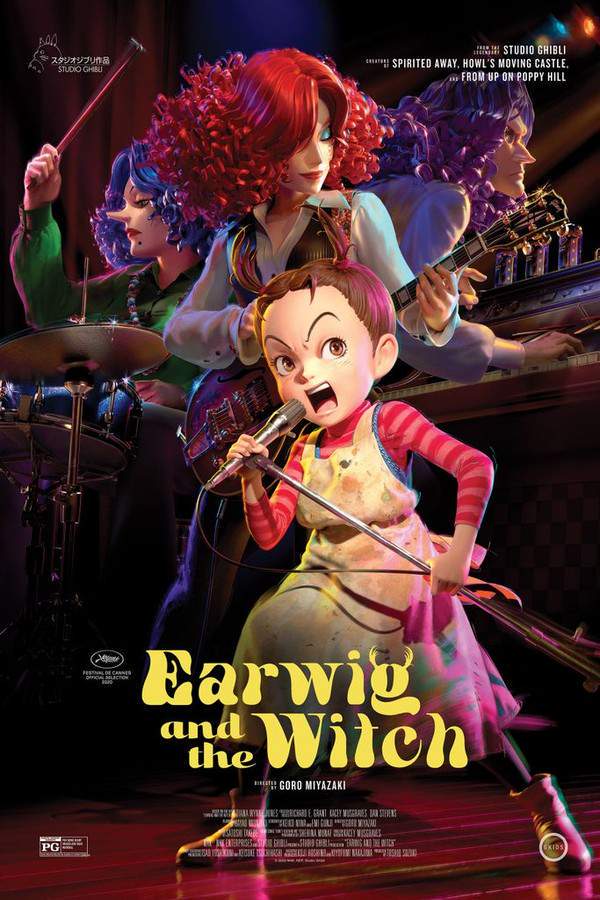
Earwig and the Witch (2021) Story Summary & Characters
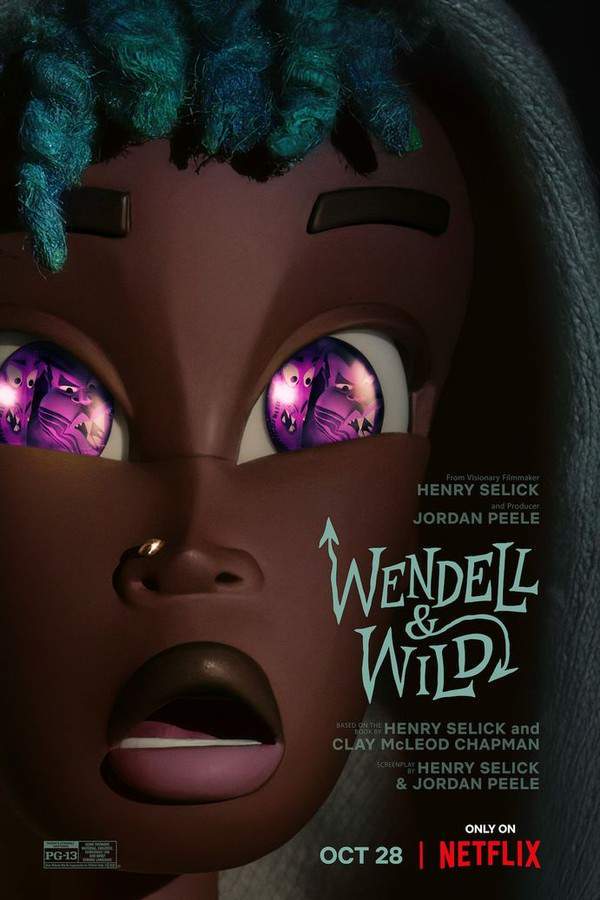
Wendell & Wild (2022) Full Summary & Key Details
Wendy (2020) Detailed Story Recap
The Wonderland (2019) Film Overview & Timeline
Dead Water (2001) Full Movie Breakdown
The Totenwackers (2007) Movie Recap & Themes
War of the Birds (1990) Spoiler-Packed Plot Recap
A Wish for Wings That Work (1991) Movie Recap & Themes
Willo the Wisp (1981) Full Summary & Key Details
Enchanted Journey (1981) Full Movie Breakdown
In Search of the Wow Wow Wibble Woggle Wazzie Woodle Woo (1985) Plot Summary & Ending Explained
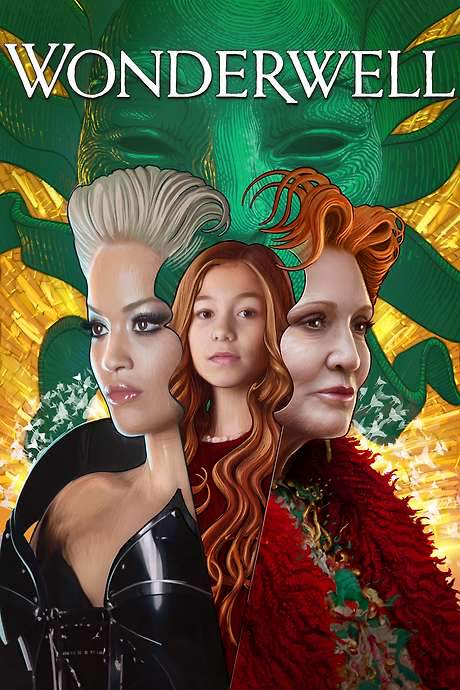
Wonderwell (2023) Spoiler-Packed Plot Recap
A Matter of Loaf and Death (2008) Full Movie Breakdown
The Curious Adventures of Mr. Wonderbird (1952) Full Movie Breakdown
A Tiny Voyage (2023) Complete Plot Breakdown