Walt Before Mickey
Year: 2015
Runtime: 107 mins
Language: English
Director: Khoa Le
Walt Disney’s journey to becoming a global icon began long before Mickey Mouse. This film explores the early years of his life, revealing a childhood marked by hardship and determination. It recounts the challenges he faced and the obstacles he overcame, ultimately paving the way for his groundbreaking career and the creation of a beloved entertainment empire. The story is based on the book "Walt Before Mickey" and offers a glimpse into the foundations of a legendary legacy.
Warning: spoilers below!
Haven’t seen Walt Before Mickey yet? This summary contains major spoilers. Bookmark the page, watch the movie, and come back for the full breakdown. If you're ready, scroll on and relive the story!
Walt Before Mickey (2015) – Full Plot Summary & Ending Explained
Read the complete plot breakdown of Walt Before Mickey (2015), including all key story events, major twists, and the ending explained in detail. Discover what really happened—and what it all means.
Walt Disney, Thomas Ian Nicholas, is introduced through a reflective narration that threads his early curiosity with animation into a sweeping, human portrait of perseverance and imagination. As a teenager, the story follows the arc from a Kansas City living room to the feelings and ambitions that will shape a creator’s future. In 1919, after serving with the Red Cross, the young animator moves in with his older brother Roy, and Roy’s girlfriend Edna, Natasha Sherritt, in a crowded Kansas City apartment where sketches begin to feel like a lifeline. Roy’s health takes him west to California, leaving Walt to fend for himself while coping with his brother’s tuberculosis and a city that seems to demand more than talent alone.
In this fragile period, Walt lands a job as an artist at Pesmen-Rubin Commercial Art Studio, where he first crosses paths with Armando Gutierrez as Ub Iwerks. The pair quickly find their potential limited by the studio’s slipping finances, and soon both are let go as the company contracts tighten. Undeterred, Walt and Ub start their own venture, Iwerks-Disney Commercial Artists, housed in a weathered barn that becomes their creative sanctuary. Joined by Friz Freleng and Rudy Ising, the team pitches a batch of short, lively experiments called the “Laugh-O-Grams” to local theaters run by Frank L. Newman, Arthur L. Bernstein in the role of Frank Newman. The idea is bright, but the cash flow is thin, and the studio’s rent and payroll debts begin to mount. A stray mouse, a quiet symbol of resilience, becomes a quiet mentor to Walt, reminding him that the smallest things can spark the biggest ideas. In parallel, Walt reaches out to a New York distributor, Margaret Winkler, and the proposal for a live-action–animated Alice series looks promising, especially with Winkler’s backing. Yet, the dreams are tempered by the harsh reality that the Laugh-O-Grams struggle to survive, and the studio ultimately declares bankruptcy.
The slate shifts as Walt relocates to Los Angeles in 1923, living with relatives while Roy provides critical financial support. He wraps up the original Alice project, which Winkler greenlights, and along with Roy, he lays the groundwork for a fresh studio—Disney Brothers Studio. The operation brings Ub Iwerks back into the fold, along with a new crew of animators, and this time the atmosphere feels more determined than desperate. Lillian Bounds, Kate Katzman, is hired as an ink artist, and Walt’s personal life evolves in tandem with his professional one: he and Lillian fall in love and marry in 1925, while Roy also ties the knot with Edna. The Alice Comedies, starring Virginia Davis, are produced with distribution through Charles Mintz’s outfit, and the dynamic inside the studio grows tense as Mintz’s confidence in Walt’s leadership wavers.
As the Alice series progresses, the sting of ownership—Mintz and his distributors keeping key rights—puts pressure on the fledgling team. The plot thickens when Mintz, worried about the studio’s viability, invites the animation crew to join his own venture at a new studio, a move that would sever the Disney brothers from their own creations. Ub stands firm, but the rest consider the offer. The turning point arrives when Walt, Lillian, and their team learn that accepting could surrender ownership of their work. They depart with a heavy but clear sense of purpose, and the Oswald the Lucky Rabbit shorts become the last straw that pushes them to strike out on their own. On a fateful return train to Los Angeles, a spark of audacity and hope ignites: Walt conceives a character he can truly own, a mouse that becomes the emblem of a new era. This is the birth of Mickey Mouse, a creation born from a rejected contract and a renewed conviction to own one’s own work.
The narrative crescendos with the first successful public screening of Mickey’s debut, Plane Crazy, in 1928, where the audience’s reaction signals more than applause—it signals a turning point in the industry. The film closes with a montage of the people who helped shape the new studio culture: Walt Thomas Ian Nicholas and his team, Roy (the steadfast brother whose support kept the dream afloat), Ub Iwerks (whose distinctive drawings pushed the character’s personality), and the other animators who would go on to redefine entertainment. The applause marks not just a victory for a single character but a broader revolution in animation, one that began in a crumbling barn and culminated in a legacy that would influence studios for generations.
In this portrait, the personal is inseparable from the professional. The romance of Lillian Kate Katzman and Walt’s long partnership with Roy Jon Heder illuminate a dynamic home life that stands beside the relentless work ethic that built the empire. The early collaborations with Ub Iwerks Armando Gutierrez and the creative drive of Friz Freleng Taylor Gray and Rudy Ising David Henrie show how a group of innovators can turn a shy mouse into a cultural icon. Even the shuffle with Margaret Winkler Flora Bonfanti and the complicated web of rights with Charles Mintz Conor Dubin and Frank Winkler’s circle remind us that behind every beloved cartoon figure lies a tapestry of people, contracts, and risks.
The film’s final credits underscore a simple truth: invention is born from resilience, partnerships, and the courage to walk away when the terms no longer serve the dream. The story of Walt Disney, framed by his early collaborations and the stubborn belief that imagination can reshape reality, remains a testament to pursuing a vision with tenacity, while acknowledging the people who helped bring that vision to life.
Last Updated: October 03, 2025 at 06:47

Explore Movie Threads
Discover curated groups of movies connected by mood, themes, and story style. Browse collections built around emotion, atmosphere, and narrative focus to easily find films that match what you feel like watching right now.
True Stories of Creative Struggle like Walt Before Mickey
Inspiring true stories of famous creators overcoming hardships to achieve their vision.If you enjoyed Walt Before Mickey, explore more movies like it that depict the real-life challenges of famous artists and innovators. This section features similar biographical dramas about persistence, creative vision, and overcoming adversity to achieve legendary success.

The Concert
2010
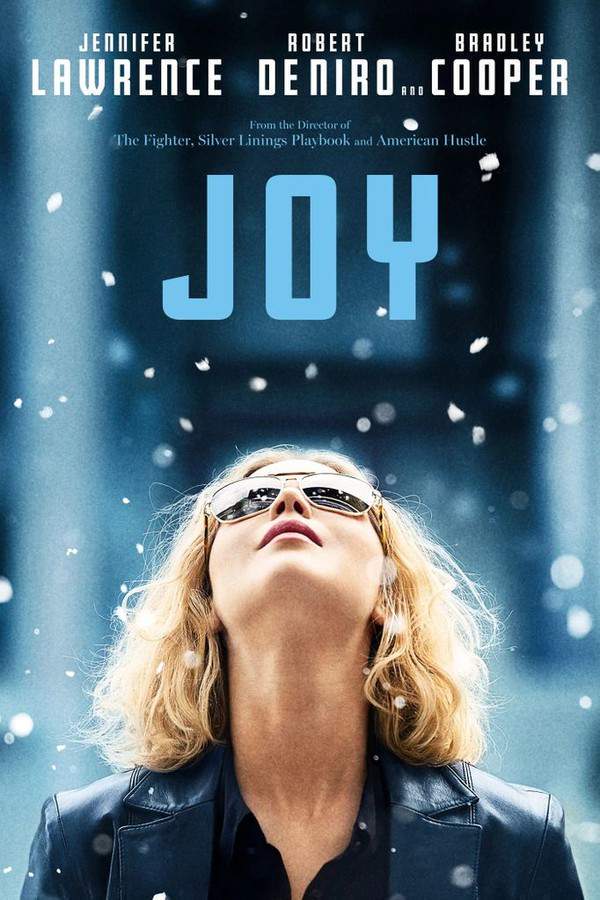
Joy
2015
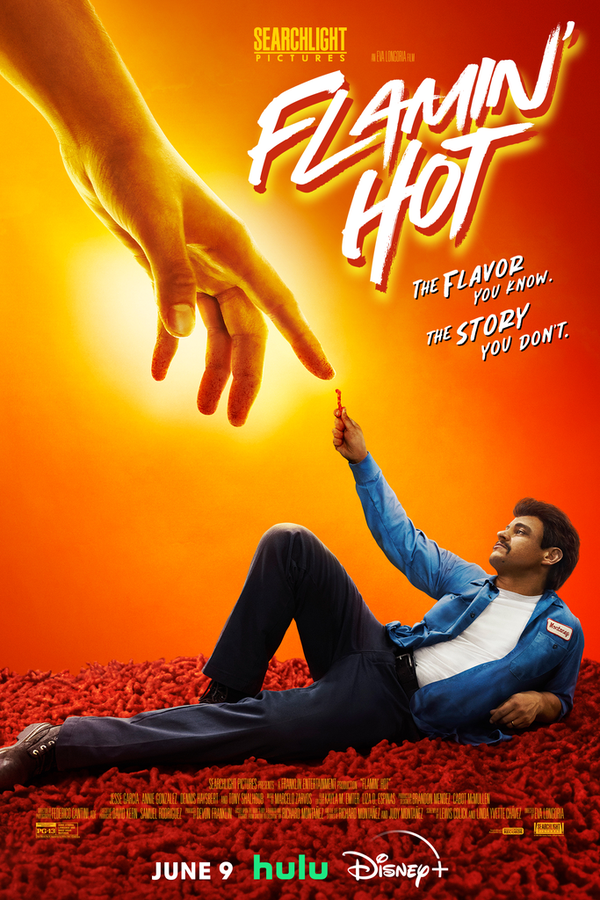
Flamin' Hot
2023
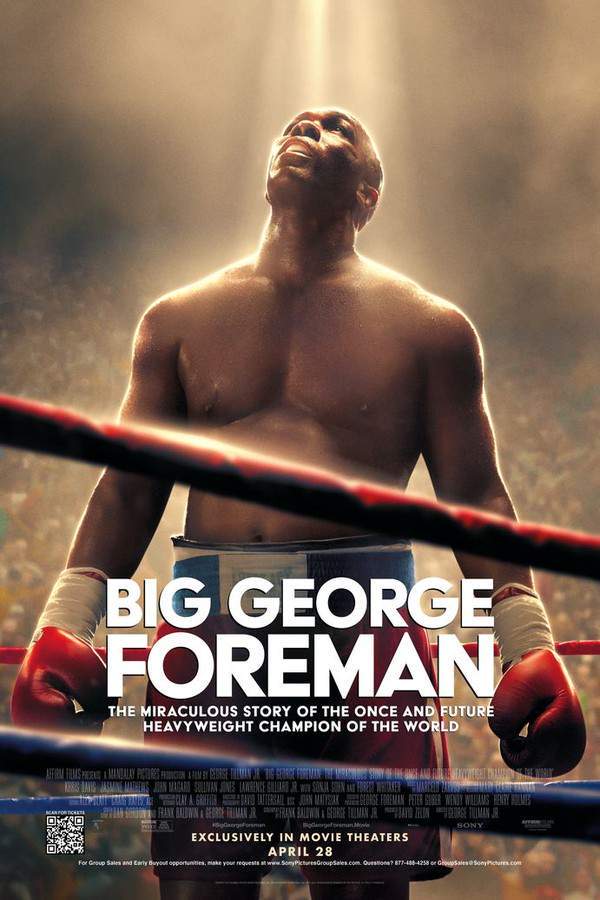
Big George Foreman: The Miraculous Story of the Once and Future Heavyweight Champion of the World
2023
High Strung
2016

The Champion
2024

The Billionaire
2011
Challenge
1984

The Actress
2021

Deeper!
2020

Interrupted Melody
1955

We Can Do That
2008

Lovers Courageous
1932

The Story of Alexander Graham Bell
1939

The Winning Team
1952
Narrative Summary
These stories often follow a linear, chronological path, beginning with the protagonist's passion and early setbacks. The central conflict involves external obstacles like financial ruin, lack of support, or professional betrayal. The narrative arc is one of gradual, hard-won progress, culminating in a triumphant moment of validation for the creator's vision.
Why These Movies?
They are grouped by their shared focus on the 'before they were famous' phase, emphasizing grit and determination over innate genius. The mood is consistently hopeful and resilient, with a steady pacing that allows the audience to invest in the character's long journey.
Movies About Overcoming Failure like Walt Before Mickey
Emotional stories where characters rebuild from loss and failure to find success.Fans of Walt Before Mickey often enjoy stories with similar emotional arcs of loss and recovery. Discover movies that capture the hopeful and determined spirit of bouncing back from rock bottom to achieve a happy, satisfying conclusion.
Joy
2015
Begin Again
2014

Emmanuel's Gift
2005

From Prada to Nada
2011
The Pursuit of Happyness
2006
I Used to Be Funny
2024

Runway Beat
2011
The Billionaire
2011
Challenge
1984

Second Act
2023

Tumse Na Ho Payega
2023
Deeper!
2020

Middle Class Melodies
2020
We Can Do That
2008

Alappuzha Gymkhana
2025
Narrative Summary
The narrative pattern begins with a major setback, such as bankruptcy or betrayal, establishing a low point for the protagonist. The plot then follows their methodical efforts to recover, often supported by a key partnership. The journey is marked by smaller wins and persistent challenges, steadily building momentum towards a final, uplifting success that redeems the initial failure.
Why These Movies?
These movies share a specific emotional mix: they acknowledge sadness and hardship but are fundamentally defined by hope and perseverance. They provide a comforting and motivating viewing experience, assuring that effort and vision can overcome even the toughest obstacles.
Unlock the Full Story of Walt Before Mickey
Don't stop at just watching — explore Walt Before Mickey in full detail. From the complete plot summary and scene-by-scene timeline to character breakdowns, thematic analysis, and a deep dive into the ending — every page helps you truly understand what Walt Before Mickey is all about. Plus, discover what's next after the movie.
Walt Before Mickey Timeline
Track the full timeline of Walt Before Mickey with every major event arranged chronologically. Perfect for decoding non-linear storytelling, flashbacks, or parallel narratives with a clear scene-by-scene breakdown.

Characters, Settings & Themes in Walt Before Mickey
Discover the characters, locations, and core themes that shape Walt Before Mickey. Get insights into symbolic elements, setting significance, and deeper narrative meaning — ideal for thematic analysis and movie breakdowns.