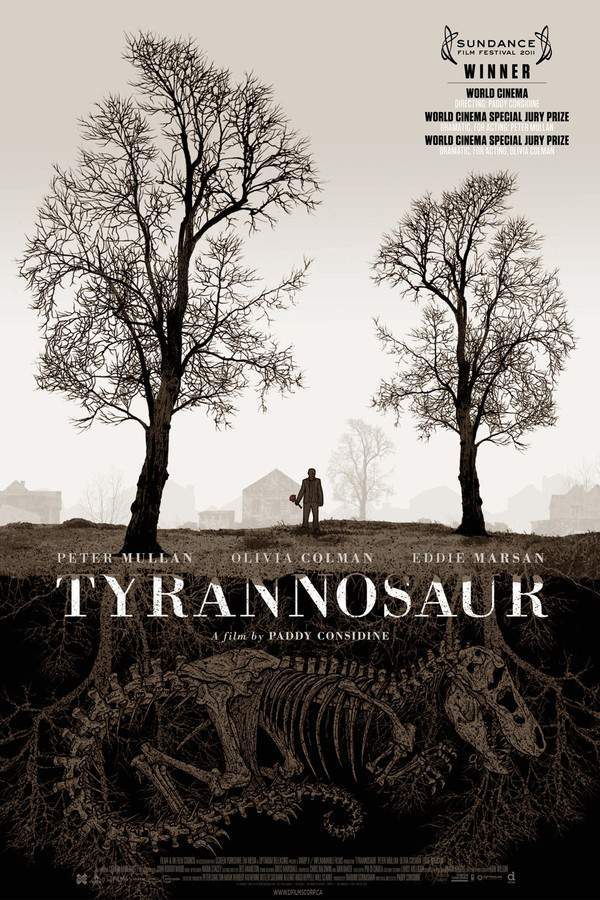
Tyrannosaur

A grieving widower named Joseph unexpectedly connects with Hannah, a charity worker struggling with her own challenges. Their relationship deepens as they offer solace and support to one another, uncovering painful secrets along the way. Joseph becomes a lifeline for Hannah, helping her escape a situation of domestic abuse and find a renewed sense of hope and a path towards a better future.
Where to Watch Tyrannosaur?
Find where to stream, rent, or buy Tyrannosaur (2011) in the US with current JustWatch availability, up-to-date pricing, and platform listings for subscription, rental, and digital purchase options.








Warning: spoilers below!
Haven’t seen Tyrannosaur yet? This summary contains major spoilers. Bookmark the page, watch the movie, and come back for the full breakdown. If you're ready, scroll on and relive the story!
Tyrannosaur (2011) – Full Plot Summary & Ending Explained
Read the complete plot breakdown of Tyrannosaur (2011), including all key story events, major twists, and the ending explained in detail. Discover what really happened, and what it all means.
In a drunken rage, widower Joseph kicks his dog Bluey to death, an act he immediately regrets. He then heads to the local post office, where a confrontation unfolds with several Pakistani employees, setting off a tense clash. Later, at his local pub, he confronts three men who were teasing him and then flees, choosing to hide in a nearby charity shop. Inside, he meets Hannah, a compassionate employee whose devout Christian faith guides how she treats him. Her prayers for his relief and guidance provide a quiet counterpoint to the chaos of his life.
Joseph returns home and comes face to face with his six-year-old neighbour Samuel outside, while Samuel’s mother is inside with an abusive boyfriend. The evening takes another dark turn when, later, the Pakistani men from the post office surprise him and beat him unconscious, underscoring a pattern of violence that threads through his world. The following day, Joseph visits Hannah’s shop, where she tends to his injuries with care. Yet, when he speaks, he mocks her faith and taunts her for not being able to have children, leaving her visibly upset. She goes home, drinks wine, and falls asleep, only to be awakened by a troubling scene when her husband James returns and, unable to wake her, urinates on her.
The next morning, Joseph goes back to the shop to apologize for his earlier behavior, and the two of them share a drink. On returning home, James insinuates that someone saw Hannah with another man, a hoax she denies. The following day, Hannah arrives at work with a black eye and explains that she fell in the bath, attempting to normalize the injury. The tension grows when Joseph’s friend Jack dies of cancer, prompting Joseph to return to the shop for a suit for the funeral. James enters, and after seeing them laugh together, quietly threatens Hannah.
That night, a violent confrontation erupts at Hannah and James’s home: James knocks Joseph out, then rapes Hannah while she is barely conscious. After this, Hannah leaves James and asks Joseph if she can stay with him for a while, and he agrees. The two form a closer bond and become good friends. Joseph opens up about his past, revealing that his obese wife has been dead for five years due to complications from diabetes. He admits he once used the nickname “Tyrannosaur” for his wife—a cruel joke about her weight that now weighs on him with regret.
As time passes, Joseph warns Hannah that she is not safe with him and suggests she should leave for her own safety. After attending Jack’s funeral, Joseph resolves to confront James. He takes Hannah’s keys and goes to her house, where he discovers James’s bloody corpse in the bedroom. Shocked, he returns home and confronts Hannah. She initially feigns confusion, but then breaks down, revealing that James had brutally abused her for a long time; he even penetrated her with a broken piece of glass, leaving her unable to bear children.
A year later, Joseph writes a letter to Hannah recounting that Samuel was mauled by his mother’s boyfriend’s dog. In retaliation, Joseph beheads the dog with a machete. He also confesses that he had always admired Hannah from afar, as she was the only person in town who smiled at him and showed him kindness—the very reason he approached her in the first place. The film ends with Joseph visiting Hannah in prison, and despite everything, a sense of cautious hope for a better future lingers for both of them.
Last updated: October 09, 2025 at 16:23
Tyrannosaur (2011) Plot Questions Answered – Summary FAQ
Explore frequently asked questions about Tyrannosaur (2011) with spoiler-rich answers covering the full plot summary, major story beats, character motivations, hidden details, and ending meaning. This movie summary FAQ helps explain confusing scenes, plot twists, and narrative decisions in clear, searchable detail.
Why does Joseph kick his dog to death in the opening scene?
Joseph kills his dog Bluey in a drunken rage while grieving his obese wife who died five years earlier from diabetes complications. The act is impulsive and represents the culmination of his grief, alcohol-fueled volatility, and self-destructive tendencies. He immediately regrets it, but the damage is done, setting the tone for his spiraling night of violence and confusion.
The violent death of Bluey foreshadows Joseph's later beheading of another dog in retaliation for Samuel's mauling, showing his pattern of responding to violence with more violence.
Why does Joseph mock Hannah's faith and fertility after she helps him?
Joseph mocks Hannah despite her kindness because he is uncomfortable with genuine compassion after years of isolation and grief. His taunts about her faith and inability to have children are defensive mechanisms, he pushes away people who show him warmth because he feels unworthy of it. This contradictory behavior reveals his inner conflict between desperately needing connection and self-sabotaging that need.
His cruelty toward Hannah plant seeds of guilt that later drive his protective instincts toward her.
Why does Hannah lie about her black eye and cover up James's abuse?
Hannah lies about her black eye, claiming she fell in the bath, because she is trapped in an abusive relationship and too afraid or emotionally manipulated to reveal the truth. Her Christian faith likely teaches her to maintain the marriage, and she may also fear retaliation from James if she seeks help. The lie also reflects her internalized shame about being abused.
Her cover-up foreshadows the escalating violence that culminates in James raping her while unconscious.
Why does James urinate on Hannah while she sleeps?
James urinates on Hannah to assert dominance and degrade her in a way that strips away her dignity. This act is meant to humiliate her and remind her of his absolute control over her. It demonstrates the extreme psychological and physical abuse she endures, showing that his cruelty knows no bounds even during her most vulnerable moments.
This degrading act escalates the abuse to its most brutal point, James raping Hannah while she is barely conscious.
Why does Joseph warn Hannah that she is not safe with him?
Joseph warns Hannah because he recognizes his own capacity for violence, he just killed his dog in a rage and has been in multiple confrontations. Despite caring for her, he believes he is dangerous and could hurt her too. This shows rare self-awareness and a genuine desire to protect her, even from himself, revealing his internal struggle between his violent nature and his growing love for Hannah.
His warning proves he is capable of choosing non-violent action when it matters most, he goes to confront James rather than harm Hannah.
How does James die in the film?
The film never explicitly shows who kills James. When Joseph goes to confront him using Hannah's keys, he discovers James's bloody corpse in the bedroom. Hannah later breaks down and admits James had brutally abused her for years, including penetrating her with broken glass, which left her unable to bear children. While the implication is that Hannah killed him in self-defense during another violent attack, the actual moment of death remains ambiguous.
The discovery of James's body is the film's major turning point that shifts the narrative from Joseph protecting Hannah to both of them being complicit in violence.
Why is Hannah in prison at the end of the film?
Hannah is in prison at the end because she most likely killed James to escape his prolonged brutal abuse. While the film leaves the exact circumstances ambiguous, the discovery of James's bloody corpse, combined with Hannah's breakdown admitting years of severe abuse including being penetrated with glass, strongly suggests she killed him in self-defense during another attack. The film implies this was deemed criminal rather than justifiable self-defense, leading to her imprisonment.
This outcome transforms the hopeful ending into bittersweet, it offers Joseph and Hannah a chance at connection, but that connection must now occur through prison visits.
What happens to Samuel in the film?
Samuel is Joseph's six-year-old neighbor who appears early in the film, standing outside while his mother is inside with an abusive boyfriend. One year after the main events, Joseph writes a letter revealing that Samuel was mauled by his mother's boyfriend's dog. In retaliation, Joseph beheads the dog with a machete. This shows the cycle of violence continues to affect the children in the neighborhood and that Joseph, despite his own flaws, still acts to protect the vulnerable.
Samuel's fate connects to the opening scene where Joseph kills his own dog, reinforcing the theme of violence begetting violence.
Why does Joseph behead the dog that mauled Samuel?
Joseph beheads the dog in retaliation for Samuel being mauled, demonstrating his characteristic pattern of responding to violence with extreme violence. Though he recognizes his own dangerous nature and warns Hannah about it, when faced with a child he cares about being harmed, Joseph reacts with the same brutal force that defined his earlier acts. This shows his inability to break free from violent responses, even when trying to protect the innocent.
This act mirrors his killing of Bluey at the start, another example of him using violence to process emotional pain, though here he directs it outward to protect a child.
What does the nickname "Tyrannosaur" mean in the film?
Joseph reveals that he used to call his deceased wife "Tyrannosaur" as a cruel joke about her weight due to her obesity. The name reflects his callousness and insensitivity toward someone he was supposed to love. Now, five years after her death from diabetes complications, the nickname haunts him with regret. The revelation shows Joseph's capacity for cruelty and his deep shame about how he treated his wife, contributing to his overall sense of unworthiness and self-loathing.
This backstory explains Joseph's discomfort with kindness and his belief that he doesn't deserve happiness with Hannah.
Why does Joseph approach Hannah in the charity shop?
Joseph approaches Hannah because she was the only person in town who smiled at him and showed him genuine kindness. In his letter at the end, he confesses he had admired her from afar for this reason. When he fled into the charity shop after the pub confrontation, he wasn't just hiding, he was drawn to the one person who had ever treated him with compassion. This explains why he kept returning despite his hostile behavior, showing his desperate need for human connection despite his self-destructive patterns.
This motivation adds emotional weight to their relationship, it wasn't random but rooted in genuine, if unspoken, admiration.
How does Joseph and Hannah's relationship develop throughout the film?
Their relationship evolves from hostile encounter to tentative friendship to deeper bond through shared trauma. Joseph initially mocks Hannah's faith and fertility, but returns to apologize. They grow closer after Hannah leaves James following the rape. Joseph opens up about his wife's death and the "Tyrannosaur" nickname. Even after Joseph warns Hannah she isn't safe with him, she stays. The discovery of James's body and Hannah's imprisonment transforms their bond into one of mutual understanding and guarded hope, the final prison visit suggests a cautious path toward healing despite everything.
The evolution from hatred to hope mirrors the film's overall theme of redemption possible even after profound violence.

Explore Movie Threads
Discover curated groups of movies connected by mood, themes, and story style. Browse collections built around emotion, atmosphere, and narrative focus to easily find films that match what you feel like watching right now.
Gritty redemption stories like Tyrannosaur
Characters mired in violence seek a fragile path to grace.If you liked Tyrannosaur, explore other movies about damaged characters seeking redemption in bleak worlds. These similar dramas focus on heavy themes like trauma and abuse, offering a raw, emotionally taxing viewing experience where hope is earned through immense struggle.





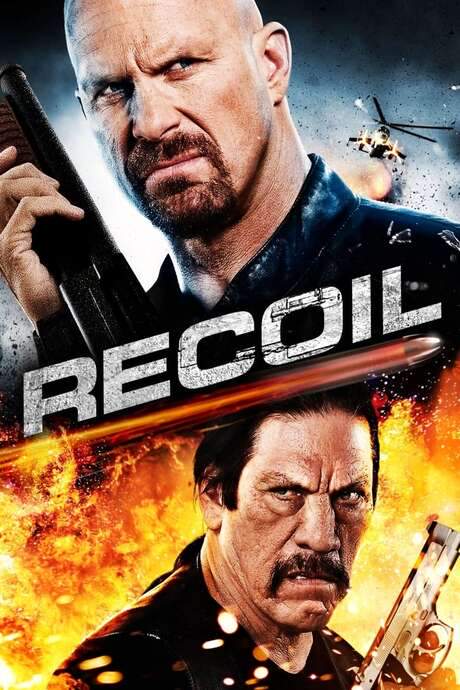
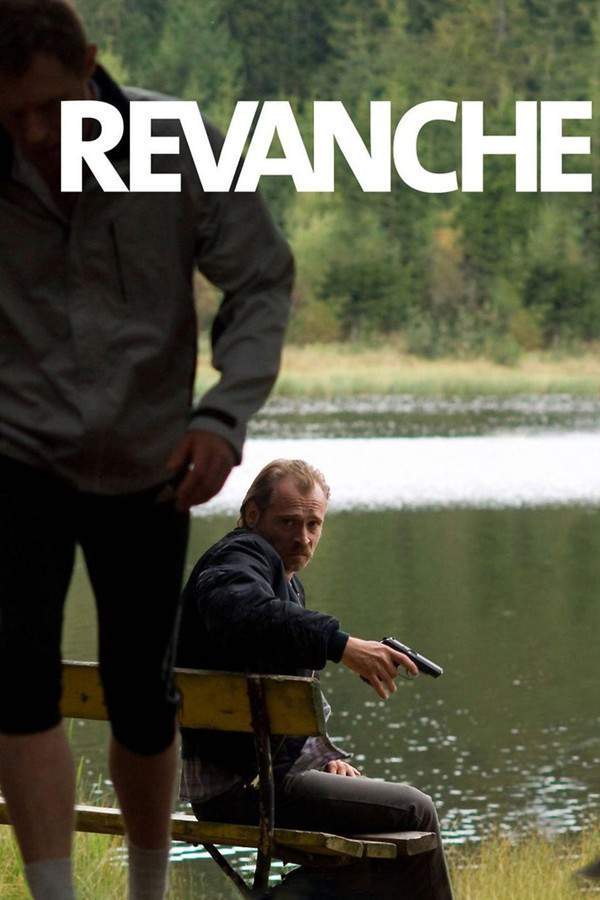



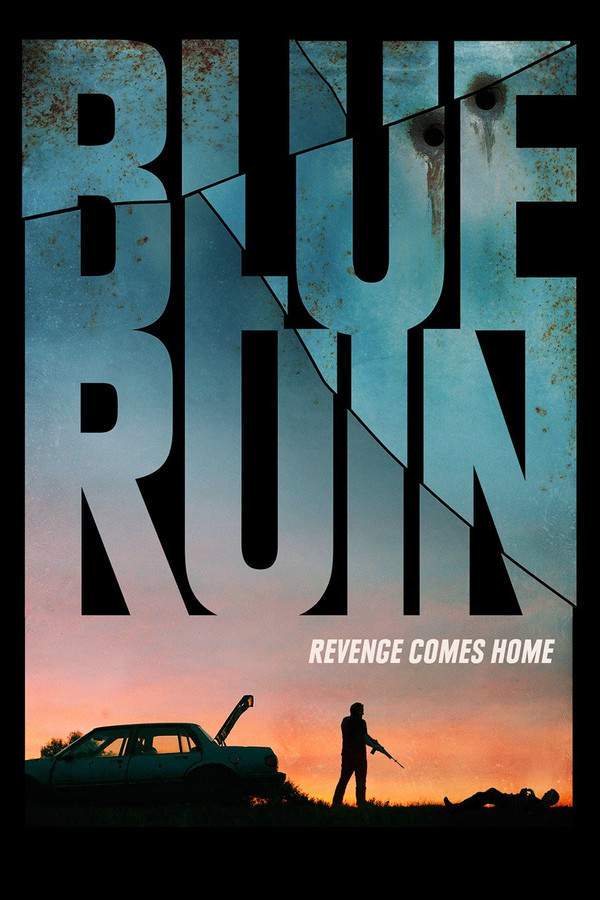
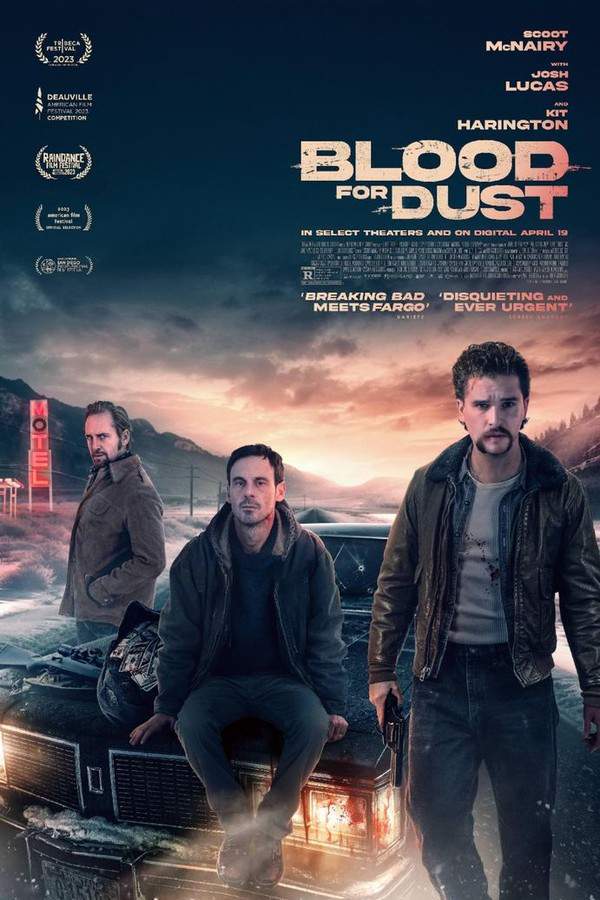
Narrative Summary
Stories typically follow a character consumed by rage or grief, whose violent tendencies isolate them. An unexpected connection with another broken soul provides a catalyst for change, forcing a confrontation with their own trauma and a difficult, often incomplete, journey toward becoming a better person.
Why These Movies?
These films are grouped by their unflinching look at human darkness and the precarious possibility of change. They share a high-intensity, emotionally heavy tone, a steady, deliberate pacing that builds tension, and a focus on the raw, ugly process of finding light in overwhelming darkness.
Raw domestic trauma dramas like Tyrannosaur
Raw, emotionally exhaustive stories that confront abuse head-on.Find movies similar to Tyrannosaur that explore the heavy subject of domestic abuse with unflinching realism. These films are characterized by their dark tone, high intensity, and devastating emotional weight, providing a sobering look at survival and fragile hope.












Narrative Summary
The narrative pattern centers on a victim trapped in a cycle of abuse, detailing the psychological and physical torment. The story often involves a catalyst—sometimes an outsider—that prompts a desperate struggle for escape, focusing on the brutal process of survival rather than a simple rescue.
Why These Movies?
They are united by their commitment to portraying the grim reality of domestic violence without sensationalism. They create a consistently oppressive and somber mood, maintain a steady pace that mimics the inescapable nature of the situation, and carry an overwhelmingly heavy emotional weight.
Unlock the Full Story of Tyrannosaur
Don't stop at just watching - explore Tyrannosaur in full detail. From the complete plot summary and scene-by-scene timeline to character breakdowns, thematic analysis, and a deep dive into the ending - every page helps you truly understand what Tyrannosaur is all about. Plus, discover what's next after the movie.
Tyrannosaur Timeline
Track the full timeline of Tyrannosaur with every major event arranged chronologically. Perfect for decoding non-linear storytelling, flashbacks, or parallel narratives with a clear scene-by-scene breakdown.

Characters, Settings & Themes in Tyrannosaur
Discover the characters, locations, and core themes that shape Tyrannosaur. Get insights into symbolic elements, setting significance, and deeper narrative meaning - ideal for thematic analysis and movie breakdowns.


Similar Movies to Tyrannosaur
Discover movies like Tyrannosaur that share similar genres, themes, and storytelling elements. Whether you’re drawn to the atmosphere, character arcs, or plot structure, these curated recommendations will help you explore more films you’ll love.







Explore More About Movie Tyrannosaur
Tyrannosaur (2011) Scene-by-Scene Movie Timeline
Tyrannosaur (2011) Movie Characters, Themes & Settings
Tyrannosaur (2011) Spoiler-Free Summary & Key Flow
Movies Like Tyrannosaur – Similar Titles You’ll Enjoy
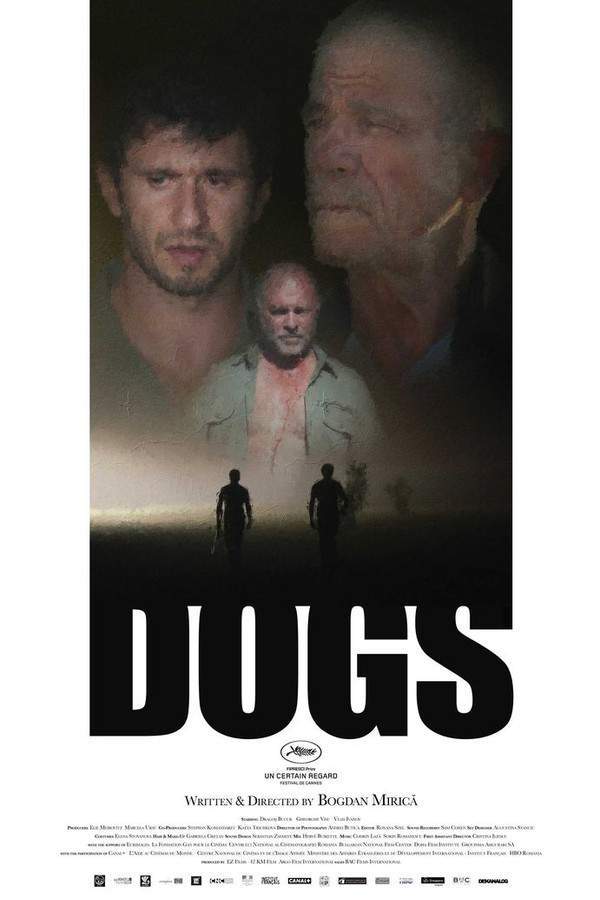
Dogs (2021) Plot Summary & Ending Explained
Straw Dogs (1971) Ending Explained & Film Insights
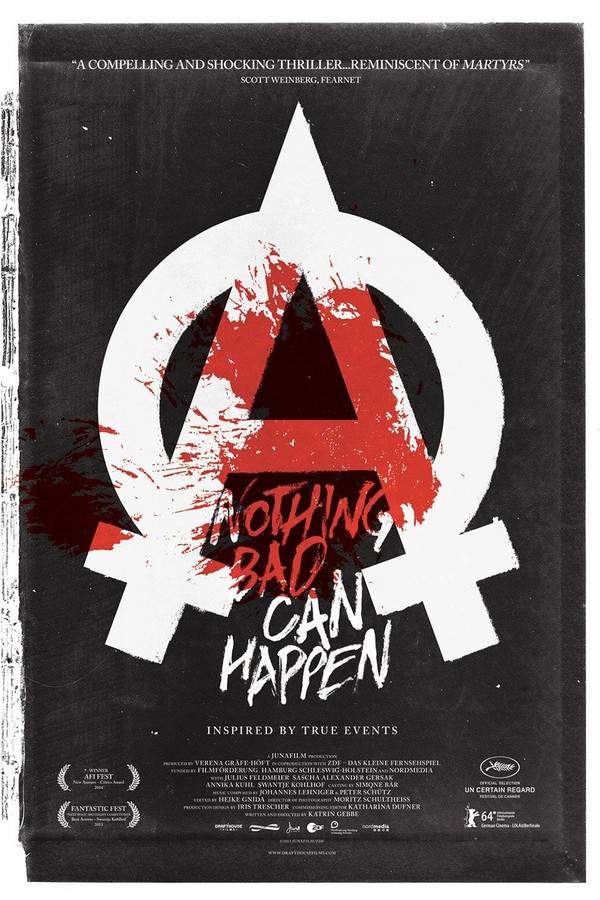
Nothing Bad Can Happen (2014) Complete Plot Breakdown
Joe (2014) Film Overview & Timeline
Undertow (2004) Spoiler-Packed Plot Recap
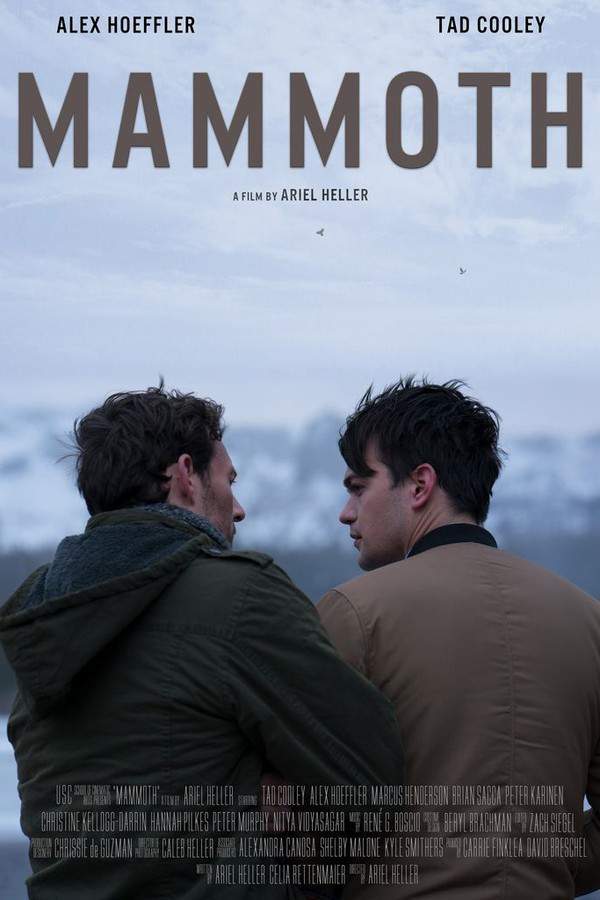
Mammoth (2009) Ending Explained & Film Insights
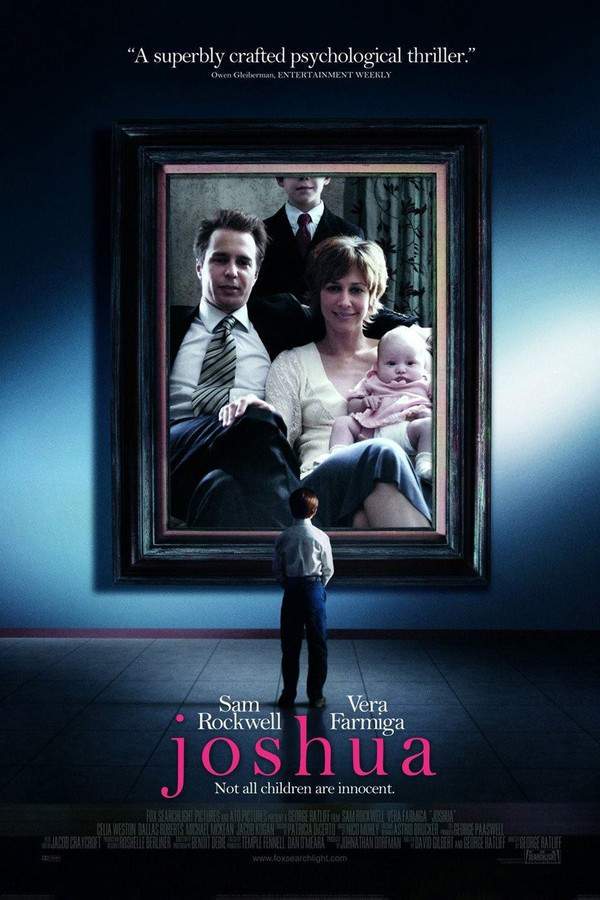
Joshua (2007) Full Movie Breakdown
Tenderness (2009) Spoiler-Packed Plot Recap
Beast Beast (2021) Film Overview & Timeline
The Carnivores (2021) Movie Recap & Themes
Romans (2017) Detailed Story Recap
Raptor (2018) Plot Summary & Ending Explained
UnTrue (2019) Spoiler-Packed Plot Recap
Biktima (1990) Full Summary & Key Details
Rage (1966) Full Summary & Key Details