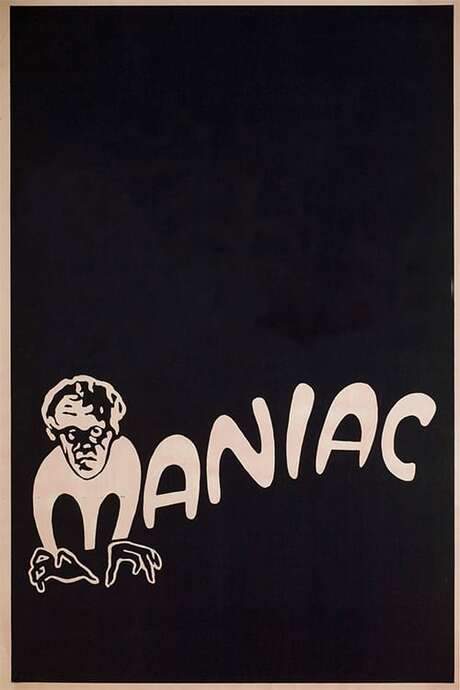
Tony Benson lives alone in a flat on a Dalston council estate tower block. He is a quiet, solitary figure who obsessively collects 1980s violent action movies and spends his days wandering the streets of London in search of human connection he can never quite grasp. His world is ruled by extreme social anxiety and a stilted way of communicating, making ordinary interactions feel like impossible hurdles. He has been unemployed for years, living on state benefits, and the weight of this isolation sits heavily on him as he moves through the city.
As the story unfolds, it becomes clear that Tony is a serial killer, targeting men he happens to meet. He crosses paths with two drug addicts and invites them back to his home to smoke heroin, hoping to spark conversation and companionship. The encounter spirals into violence: he suffocates one of them with a plastic bag and locks the other in a cupboard before releasing him, convinced the terrified man won’t dare report him. The few visitors who do come by often complain about a rotting smell emanating from his house, a detail Tony dismisses by blaming clogged drains.
Alongside these solitary, doomed encounters, Tony finds himself drawn to male bodies he encounters at gay bars, bringing them back to his flat. The interactions usually end with him rejecting their advances and, once again, killing them—his killings echoing the infamous methods of other real-life killers. At a brothel, his loneliness is laid bare: with only £5 in his pocket, he asks for a cuddle and struggles to hold a conversation, which leads to his being dismissed.
Tony disposes of the victims' bodies by horrifying, meticulous means: he butchers torsos and organs in his kitchen sink, bags the remains, and dumps them in the River Thames and the city’s network of canals. He even shares his bed with a rotting corpse, and drags other corpses out of the house to place on the couch so he can sit and watch TV with them, a disturbing tableau that underscores the depth of his detachment from humanity.
The tension peaks when a violent, trigger-tempered drunk named Paul begins to suspect Tony after his son goes missing. Paul bullies Tony with verbal taunts and physical intimidation, even grabbing, shoving, and spitting at him, and he accuses Tony of being a paedophile and wrongly blames him for the child’s disappearance. Tony becomes the prime suspect in the eyes of the neighborhood and the authorities, until a police investigation shifts the moment in a crucial way. A Police Inspector Ian Groombridge arrives to question Tony about the missing boy, and his presence heightens the sense that Tony could be exposed.
Right as the investigation loosens its grip, a call interrupts the detective’s line of inquiry. Tony’s eye lingers on a sharp potato peeler, and the thought of using it to strike a fatal blow lingers in his mind. Then, in a turn of fate, the missing boy is found—apparently safe—and the scene shifts to Tony’s quiet living room window, where the neighborhood’s relief is palpable. The boy’s rescue appears to clear Tony, and the crowd’s applause feels like a veneer over the fear that lingers in the block.
The film closes with Tony ambulating through London streets, free to pursue his murderous impulses once more. The city becomes a vast backdrop to his solitude, a place where he can blend into the crowd, his behavior kept hidden behind a veneer of normality even as his inner world remains disturbingly misaligned with reality. This final image leaves viewers with a chilling sense of how easily a person like Tony can drift through life, seemingly ordinary on the surface but quietly harboring a dangerous, unspeakable truth.