Plot Explained Spoilers guaranteed!
Plot Explained

Browse by genre

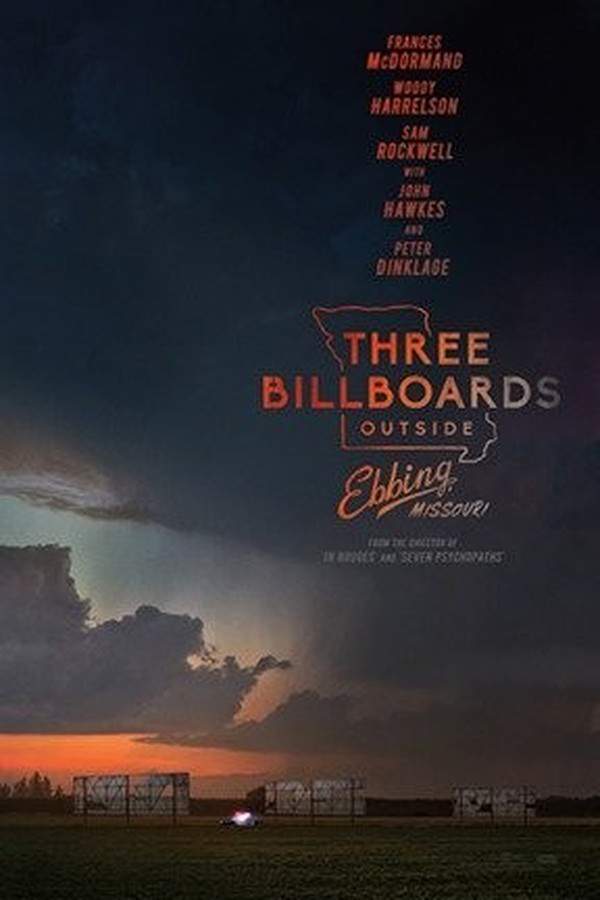
Three Billboards Outside Ebbing, Missouri (2017) movie poster

Plot Summary

Three Billboards Outside Ebbing, Missouri (2017) Plot Summary & Ending Explained

Release, runtime and language
2017 · 115 min · English
Echo score 90
JustWatch #480 114
Directed by
Martin McDonagh
Starring
Clarke Peters, Abbie Cornish, Peter Dinklage, Woody Harrelson, Kathryn Newton, Frances McDormand
Budget
$15M

After her daughter's murder, Mildred Hayes, a grieving mother, challenges the local police force by erecting three billboards with accusatory messages. Her bold act ignites a fierce public debate and puts her on a collision course with the town's chief of police and his volatile officers. As tensions rise, the situation spirals into a complex and darkly comedic exploration of grief, justice, and the flaws within a small community.

On this page (7)
  1. 1 Where to watch
  2. 2 What happens: full plot
  3. 3 Plot questions answered
  4. 4 How it ends
  5. 5 Movie threads
  6. 6 Movies like Three Billboards Outside Ebbing, Missouri
  7. 7 Every angle

Where to watch

Where to Watch Three Billboards Outside Ebbing, Missouri (2017)

Where can you watch Three Billboards Outside Ebbing, Missouri? Stream, rent or buy it in the US, including on HBO Max, Amazon Video and Apple TV Store: current JustWatch availability with up-to-date prices.

Streaming availability powered by JustWatch

Full plot summary · contains spoilers

What Happens in Three Billboards Outside Ebbing, Missouri: Full Plot Summary

The whole story of Three Billboards Outside Ebbing, Missouri (2017) explained, from the opening scene to the final frame: every key event, every twist and what it all adds up to. Read it as a quick recap before the sequel, to check a scene you missed, or to finally understand what really happened.

Mildred Hayes, portrayed by Frances McDormand, is grappling with the profound grief of losing her teenage daughter, Angela, who was tragically murdered seven months earlier. Frustrated by the lack of progress in the investigation, she takes a bold stand by renting three dilapidated billboards near her home. These billboards display powerful messages: "RD WHILE DYING," "AND STILL NO ARRESTS?", and "HOW COME, CHIEF WILLOUGHBY?"* This public outcry incites anger and controversy among the townspeople, including Sheriff Bill Willoughby, played by Woody Harrelson, as well as the racist officer Jason Dixon, portrayed by Sam Rockwell. The situation is further complicated by the knowledge that Willoughby is suffering from terminal pancreatic cancer, which only intensifies their disapproval, as he is generally regarded as a decent man.

Mildred's actions have repercussions for her and her son Robbie, acted by Lucas Hedges, who faces harassment and threats from the community. Despite the pressure, Mildred remains resolute in her pursuit of justice, much to Robbie's distress. While Willoughby empathizes with Mildred’s pain, he feels that her campaign against him is inappropriate and disrespectful. In a fit of anger, Dixon intimidates Red Welby, played by Caleb Landry Jones, the man who facilitated the billboard rental, and unjustly arrests Mildred's friend Denise on minor drug charges.

The conflict escalates as Mildred’s abusive ex-husband Charlie, portrayed by John Hawkes, enters the scene, accusing her of causing their daughter's death. Tensions rise when Willoughby questions Mildred after she injures her dentist during a heated confrontation. In an unsettling turn of events, Willoughby coughs up blood during their conversation. Aware of his deteriorating health, he leaves the hospital unexpectedly, spending a tender day with his wife, Anne, played by Abbie Cornish, and their daughters. Tragically, he ultimately takes his own life, leaving behind notes for several individuals, among which is a personal one for Mildred. In it, he assures her that she was not to blame for his death and reveals that he had secretly funded the billboards to remain up for another month, fully aware of the chaos it would cause.

Following Willoughby's death, Dixon violently confronts Red and his assistant, a scene witnessed by the incoming replacement sheriff, Clarke Peters, who takes swift action to terminate Dixon's employment. In a shocking blow, the billboards are destroyed in an act of arson, prompting Mildred to retaliate by launching Molotov cocktails at the police station under the assumption that it is empty. However, Dixon is present, reflecting on a letter left for him by Willoughby that advocates for the abandonment of hate in order to embrace love as a path to becoming a detective. In the chaos, Dixon barely escapes with serious burns as he tries to salvage Angela's case files.

Meanwhile, James, played by Peter Dinklage, serves as an unexpected ally for Mildred, creating an alibi for her following the explosive incident. As Dixon recuperates, he overhears someone bragging about a suspicious incident echoing Angela's brutal murder and takes the initiative to track down a potential suspect. As their paths cross, Mildred and Dixon begin a complex journey towards resolving their personal vendettas against injustice, embarking on a tense road trip toward Idaho with a gun in hand. Along the way, they share confessions and confront their doubts, grappling with the gravity of their actions as they proceed toward an uncertain conclusion.
Last updated: November 07, 2024 at 23:00

Was this helpful?

Plot questions answered

Three Billboards Outside Ebbing, Missouri Plot Explained: Your Questions Answered

The questions people ask most about Three Billboards Outside Ebbing, Missouri (2017): what happens in the confusing scenes, why the characters do what they do, the twists, hidden details and what the ending means. Each answer contains spoilers.

Q1

Why did Mildred Hayes rent the three billboards?

Mildred rented the billboards seven months after her daughter Angela was murdered because she was frustrated by the lack of progress in the police investigation. The billboards directly challenged Sheriff Willoughby and the local police, displaying messages like "R***D WHILE DYING" and "AND STILL NO ARRESTS?" to publicly pressure them into action.
  • billboards
  • mildred
  • angela
  • police investigation
  • protest
Q2

Why did Sheriff Willoughby kill himself?

Willoughby committed suicide because he was terminally ill with pancreatic cancer and realized he was dying anyway. The relentless public shame from Mildred's billboards, combined with his terminal diagnosis, led him to end his life on his own terms. He left notes explaining his decision to several people.

  • willoughby
  • suicide
  • pancreatic cancer
  • death
  • notes
Q3

Why did Willoughby secretly fund the billboards?

Willoughby anonymously paid to keep the billboards up for another month because he understood Mildred's pain and wanted her to have more time to voice her grievances. In his note to Mildred, he assured her she was not to blame for his death, acknowledging that her billboards would cause chaos but were deserved.

  • willoughby
  • billboards
  • funding
  • note
  • anonymous payment
Q4

Why did Mildred set fire to the police station?

Mildred launched Molotov cocktails at the police station in retaliation after the billboards were destroyed in an act of arson. She believed the police station was empty and wanted to destroy the building as payback for the community's injustice against her. She didn't intend to harm anyone.
  • mildred
  • arson
  • police station
  • molotov
  • billboards destroyed
Q5

Why did Jason Dixon become an ally to Mildred?

Dixon's transformation began after reading Willoughby's letter, which encouraged him to abandon hate and embrace love to become a better detective. When he heard a man bragging about a murder similar to Angela's while recovering in the hospital, he decided to pursue justice rather than continue his old ways, leading him to team up with Mildred.

  • dixon
  • transformation
  • willoughby letter
  • justice
  • road trip
Q6

What did Willoughby's letter to Dixon say?

Willoughby's letter to Dixon urged him to abandon hate and embrace love, suggesting that hate only hurts the person holding onto it. He wrote that Dixon had the ability to become a good detective if he let go of his anger and negativity. This letter profoundly influenced Dixon's character change.

  • willoughby
  • letter
  • dixon
  • advice
  • hate
  • love
Q7

What happens at the end of the movie?

Mildred and Dixon drive together toward Idaho after learning about a potential suspect. During the road trip, they confess their doubts and acknowledge they may kill the suspect or may not. The ending is deliberately ambiguous, they haven't decided whether to actually go through with killing the man they suspect of the crime.

  • ending
  • idaho
  • road trip
  • suspect
  • ambiguous
  • resolution
Q8

Why did Charlie blame Mildred for Angela's death?

Mildred's abusive ex-husband Charlie accused her of causing Angela's murder by refusing to let their daughter stay with him on the night she died. This cruel accusation added another layer of trauma for Mildred, though it was baseless victim-blaming intended to further emotionally harm her.

  • charlie
  • ex-husband
  • angela
  • blame
  • abuse
Q9

Why did James help create an alibi for Mildred?

James, who had a crush on Mildred, provided her with a false alibi after she firebombed the police station because he supported her quest for justice and cared for her personally. His unexpected support demonstrated how some townspeople sympathized with her cause despite the controversy.

  • james
  • alibi
  • support
  • mildred
  • help
Q10

Why does the movie have an ambiguous ending?

The ambiguous ending reflects the film's central theme that justice and healing are messy, non-linear processes. Rather than offering a tidy resolution, the film shows two former enemies tentatively beginning a complicated journey together, leaving viewers uncertain about whether they'll actually harm the suspect or find another form of closure.

  • ending
  • ambiguous
  • justice
  • resolution
  • theme

Ending explained

What Happens at the End of Three Billboards Outside Ebbing, Missouri?

How Three Billboards Outside Ebbing, Missouri (2017) ends, in short: the final scene, the last twist and what it means for the characters. The full ending explained, with every spoiler, lives on its own page.

Read the full ending explained

Three Billboards outside Ebbing, Missouri ends on a note of unresolved tension and emotional complexity. Throughout the film, Mildred Hayes is consumed by her grief and anger over her daughter Angela's murder, seeking justice in a town where the police seem unable or unwilling to find her killer. Dixon, the volatile officer, initially appears as a significant impediment—racist, violent, and reckless—but he ultimately shows a capacity for redemption, solving the case in a violent, bloody confrontation. However, it turns out that Dixon's efforts do not lead to a definitive answer about who actually murdered Angela. The film makes it clear that the identity of the killer remains unknown, emphasizing that the story is less about uncovering a specific culprit and more about the chaotic, imperfect process of seeking justice and understanding in a broken world. The ending leaves viewers with a sense of ongoing grief and moral ambiguity, highlighting that sometimes, justice isn't about clear resolutions but about navigating the pain and confusion that come with loss. In the final scenes, Mildred and Dixon share a moment of fragile connection, both bearing their wounds, implying that perhaps healing won't come from knowing who is truly guilty but from accepting their shared pain and finding some form of peace amidst the unresolved. The film ultimately challenges us to reflect on the limits of justice and the complexities of human forgiveness and reconciliation.

Three Billboards Outside Ebbing, Missouri ending explained in full

Movie threads

More Movies Like Three Billboards Outside Ebbing, Missouri, by Mood & Story

Curated lists built around what makes Three Billboards Outside Ebbing, Missouri tick: the same mood, the same kind of story or the same emotional payoff. Each list explains why these movies belong together.

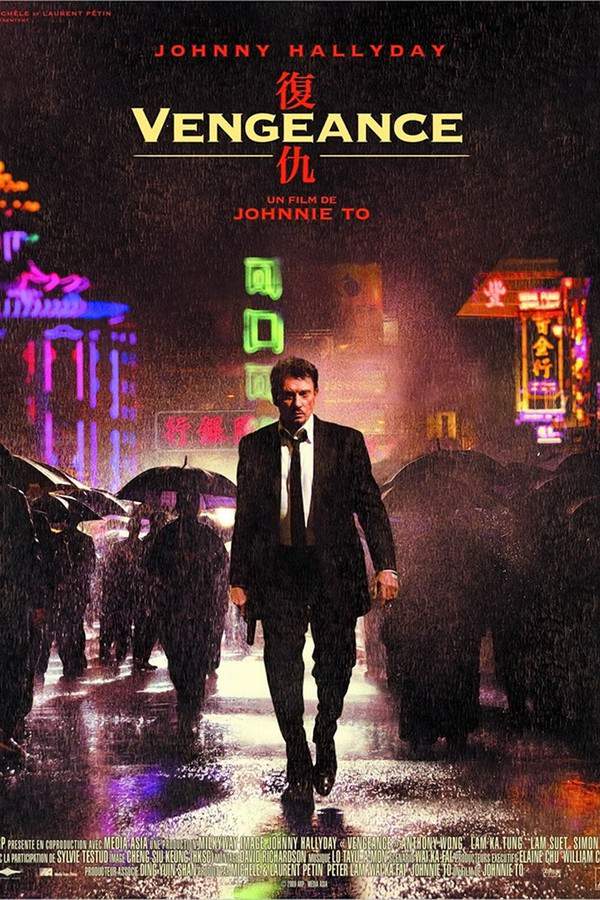
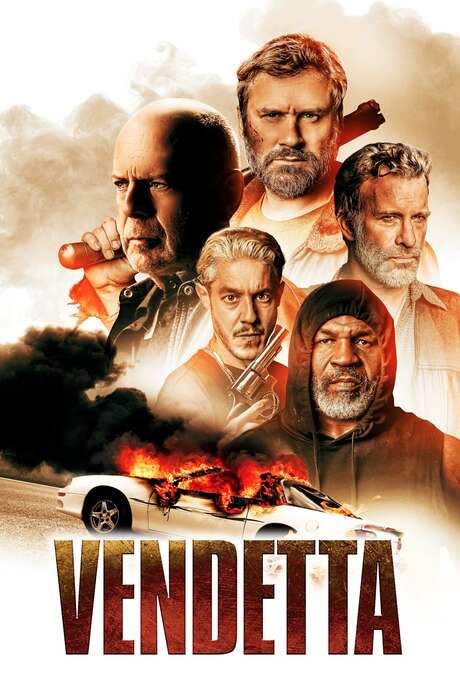
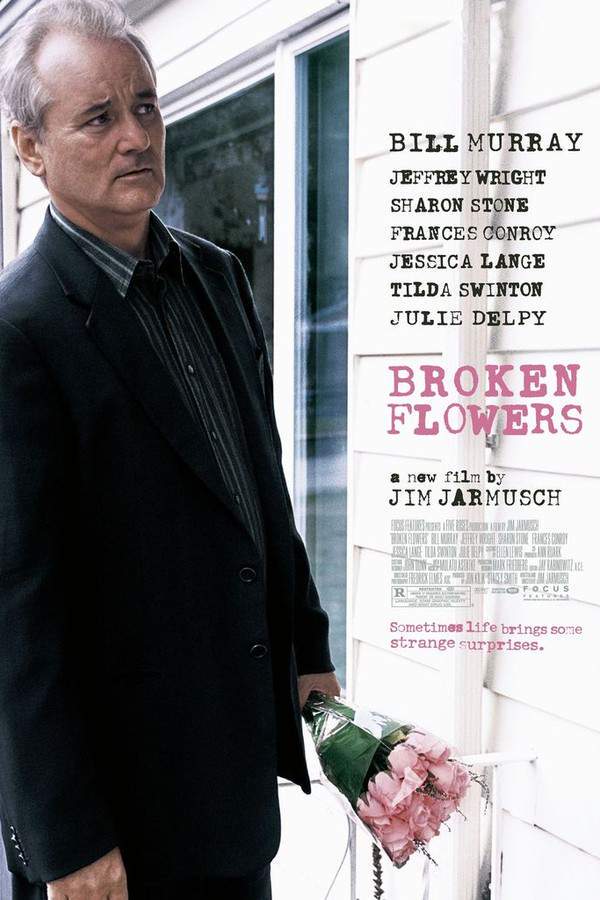
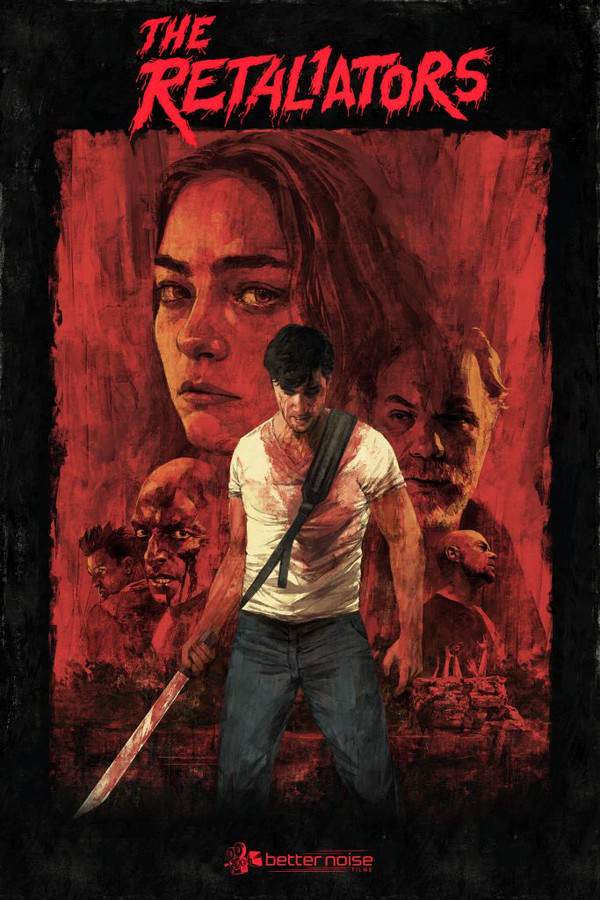
Movies about grief and vengeance like Three Billboards Outside Ebbing, Missouri

Raw, maternal rage collides with flawed systems in a morally complex search for answers. If you liked the fierce maternal rage and morally complex quest for justice in Three Billboards, explore these movies. This thread features similar stories where characters, driven by profound grief, take defiant and often controversial stands, leading to intense emotional journeys and ambiguous resolutions.

  • angry
  • grief-stricken
  • defiant
  • tense
  • darkly comedic
  • unsettled
  • Tone: dark, angry, morally complex
  • Pacing: steady, character-driven escalation
Why these movies?

The story pattern: The narrative typically begins with a catalytic, traumatic event that shatters a character's life. This propels them on a collision course with authority or community, forcing a re-examination of justice, revenge, and personal morality. Stories often feature morally gray characters and conclude with an ambiguous or bittersweet resolution that emphasizes the messy process of healing.

Why they belong together: Movies are grouped here due to their shared focus on raw, justified anger as a response to grief. They explore the blurred lines between justice and vengeance, often set within small-town or closed communities, and maintain a high emotional intensity punctuated by darkly comedic moments.

Dark comedies about small-town secrets like Three Billboards Outside Ebbing, Missouri

A single act of defiance exposes the simmering tensions and flawed inhabitants of a tight-knit community. Fans of the way Three Billboards uses a small-town setting to explore corruption and community conflict will appreciate these movies. This selection features similar darkly comedic dramas where a town's secrets and moral compromises are unraveled by a central, provocative incident.

  • tense
  • oppressive
  • darkly comedic
  • unsettled
  • small-town
  • corrupt
  • Tone: dark, tense, comedic
  • Pacing: steady, escalating tension
Why these movies?

The story pattern: The plot is triggered by an act that challenges the status quo, forcing the community's hidden tensions, secrets, and corruption into the open. The narrative follows multiple intersecting character arcs, revealing the complexities and contradictions within the town. The story builds steadily towards a climax that reflects the fractured nature of the community, often without a tidy resolution.

Why they belong together: These films are united by their setting and tone. They use a small-town environment as a microcosm for larger societal issues, employ a mix of heavy drama and dark humor, and feature an ensemble cast of flawed characters whose lives are interconnected by a central conflict.

If you liked this

Movies Like Three Billboards Outside Ebbing, Missouri

Similar movies to Three Billboards Outside Ebbing, Missouri: the same genre, themes or kind of story. Each one comes with its own plot summary, timeline and ending explained.

Browse all movie summaries

Every angle

Three Billboards Outside Ebbing, Missouri (2017) Explained: Plot, Ending, Timeline & Characters

Everything about Three Billboards Outside Ebbing, Missouri in one place: what happens in the plot summary, the timeline in chronological order, the characters and meaning, the ending explained and a spoiler-free summary. What's After the Movie adds the cast, box office and post-credit scenes.

Coming soon on iOS and Android

The Plot Explained Movie Summary App

Plot summaries, endings explained and timelines on your phone. Catch up on any movie in minutes, save your favorites and never miss a twist again.

Be the first to know when we launch. Your email stays private, always.

Learn more about the app