Plot Explained Spoilers guaranteed!
Plot Explained

Browse by genre

They Came to a City (1944) movie poster

Timeline

They Came to a City (1944) Timeline Explained – Every Event in Order

Release, runtime and language
1944 · 78 mins · English
Loading streaming availability…
Directed by
Basil Dearden
Starring
Raymond Huntley, Ralph Michael, Googie Withers, Brenda Bruce, A.E. Matthews, Renee Gadd

People from different walks of life mysteriously find themselves at the gate of an unknown city

On this page (6)
  1. 1 Where to watch
  2. 2 Events in order (12)
  3. 3 Timeline questions answered
  4. 4 Movie threads
  5. 5 Movies like They Came to a City
  6. 6 Every angle
Loading streaming availability…

12 events in order · contains spoilers

They Came to a City Timeline: Events in Chronological Order

Every key event of They Came to a City (1944) in order, scene by scene, with when and where it takes place. Use it to untangle flashbacks, time jumps and parallel storylines, to refresh your memory before the sequel or to find the exact scene you are thinking of.

  1. Framing tale begins in a field

    The unnamed stranger frames the story by telling it to a young couple in a field overlooking a small British industrial city during World War II. He presents the tale as a parable about how people might live after the war if given a chance at utopia. The moment establishes the narrative as a moral meditation rather than a straightforward tale.

    When
    World War II
    Where
    Field overlooking a small British industrial city
  2. Nine travellers are summoned to a mysterious castle

    Nine people from different walks of life are drawn by unknown forces to a modernistic, empty castle-like structure. The group includes Sir George Gedney, Malcolm Stritton, Dorothy Stritton, Alice Foster, Mr. Cudworth, Lady Loxfield, Philippa, Joe Dinmore, and Mrs. Batley. The setup signals a deliberate social experiment rather than mere chance.

    Where
    Castle interior
  3. The nine are introduced with stark contrasts

    Inside the castle, the characters are delineated by class and temperament—the misanthropic aristocrat, the dissatisfied bank clerk, the domineering wife, the unhappy waitress, the money-obsessed businessman, the privileged mother and daughter, the cynical seaman, and the practical charwoman. Their clashing worldviews promise heated exchanges and tests of character.

    Where
    Castle interior
  4. The castle is revealed as modernistic and empty

    The nine discover the castle’s modernist design and its unsettling emptiness, which invites philosophical contemplation rather than hospitality. The setting functions as a stage for the moral questions they will face. The atmosphere foreshadows the upcoming test of choice.

    Where
    Castle interior
  5. The city glimpsed from the castle; door to access

    The castle overlooks a city, which the nine cannot ignore, and a door opens to admit them to that city. The moment suggests an invitation or escape, heightening the tension between curiosity and possible danger. The unseen city is central to the film’s parable about society.

    Where
    Castle overlook of the city
  6. Entry into the city and the city’s elusiveness

    The nine step through the door into the city, but the film never shows the city in detail. Their impressions hint at a society that may operate on socialist principles, yet the full picture remains out of reach. They eventually retreat back to the castle, their experiences left to interpretation.

    Where
    Doorway to the city / Castle overlook
  7. Return and debate over utopia vs. danger

    Back in the castle, they debate what the city could mean—whether it represents a feasible utopia or a threat to personal autonomy. Each character latches onto different aspects as proof of the city’s promise or peril. The discussion primes the tension before the final decision.

    Where
    Castle interior
  8. The city as a social experiment

    The group contemplates that the city operates on socialist, collective principles, exploring themes of equality and shared responsibility. Some find the idea compelling, while others fear the loss of individuality and old loyalties. The parable invites examination of what utopia would demand from them.

    Where
    Castle interior
  9. Sundown deadline and the final choice

    With sundown approaching, each of the nine faces a permanent choice: stay in the city forever or leave and never return to their original homes. The decision carries a weight beyond personal happiness, reflecting the broader moral of the story. The clock’s urgency forces a blunt confrontation with their deepest values.

    When
    Sundown
    Where
    Castle interior
  10. The consequences unfold after the decision

    The group begins to enact the choices, and the implications ripple through their relationships and social standing. The outcomes are not fully shown, reinforcing the parable’s theme that true utopia’s viability rests on individual willingness to change. The scene underscores the stakes of abandoning or embracing a new social order.

    When
    Evening
    Where
    Castle interior
  11. The parable tightens focus on postwar life

    The stranger’s framing speech ties the tale to postwar anxieties and hopes, suggesting that the willingness to imagine a utopia is itself an act of courage. The story uses the nine’s fates to probe what people are willing to sacrifice or preserve after the war. This meta-commentary links the castle’s test to real-world choices ahead of reconstruction.

    When
    Postwar context
    Where
    Field / storytelling setting
  12. Open-ended finale invites interpretation

    The tale ends with the field storyteller stepping back, leaving the young couple—and the audience—without definitive answers. The parable emphasizes choice, responsibility, and the ambiguities of utopia versus tyranny. Viewers are invited to decide what they would do in such a test of values.

    When
    Unspecified
    Where
    Field

Last updated: February 24, 2026 at 09:41

Was this helpful?

Timeline questions answered

They Came to a City Timeline Explained: Your Questions Answered

When does it happen, and why in that order? The questions people ask about the chronology of They Came to a City (1944): time jumps, flashbacks, cause and effect between scenes and the correct order of events, each answered with spoilers.

Q1

Why are nine different people summoned to the mysterious castle?

The nine travelers are drawn together by an unnamed, almost dreamlike force that brings them from their ordinary lives to a stark, modernistic castle. The purpose appears to be a deliberate social experiment, a test of character where each person must confront their deepest values and decide whether they would embrace a utopian society or cling to their current way of life.

Foreshadowing: The framing tale establishes early on that this will be a moral meditation on how people might choose to live if offered a chance at utopia.

  • summoned
  • castle
  • test
  • utopia
  • choice
  • characters
Q2

What does the city look like and how does it work?

The city is glimpsed from above the castle and appears to operate on socialist, cooperative principles. However, the film deliberately never shows the city in detail, the nine travelers see only hints of a shining skyline that seems to promise equality and shared responsibility. Their impressions of the city remain fragmentary, leaving its full nature ambiguous and open to interpretation.

Foreshadowing: The castle's modernist design and unsettling emptiness foreshadow that this is a space for philosophical contemplation rather than conventional hospitality.

  • city
  • utopia
  • socialist
  • cooperative
  • principles
  • glimpsed
Q3

Why do some characters want to stay in the city while others want to leave?

Those who want to stay, often the dissatisfied and oppressed like Alice the waitress, see the city as a utopia that could deliver the equality and fulfillment they've never found in their current lives. Those who refuse, particularly the aristocrat Sir George and businessman Mr. Cudworth, fear the city would strip away personal freedoms, individual ambition, and the class privileges they hold dear. Each character projects their own hopes and fears onto the unknown world.

Foreshadowing: The character introductions deliberately establish stark contrasts in class and temperament, foreshadowing the ideological clashes that will divide them.

  • stay
  • leave
  • city
  • fear
  • freedom
  • privilege
  • utopia
Q4

What happens to each character at the end of the story?

The film shows the nine facing their irreversible choice as sundown approaches, stay in the city forever or leave and never return. While the outcomes are not fully spelled out, the characters make individual decisions that reflect their deepest values. The ending is deliberately open-ended, with the story emphasizing that true utopia's viability rests on individual willingness to change.

Foreshadowing: The sundown deadline creates urgency that forces a blunt confrontation with each character's deepest values.

  • ending
  • choice
  • stay
  • leave
  • decision
  • characters
Q5

Who is the stranger telling the story in the framing sequence?

The stranger is a passing narrator who appears during World War II in a field overlooking a small British industrial city. He tells the tale as a parable to a young couple, presenting it as a moral meditation on postwar possibilities. His identity remains deliberately mysterious, he represents the storyteller archetype who invites the audience to weigh comfort against conscience in a world still bruised by conflict.

Foreshadowing: The opening frame establishes the narrative as a parable from the very first moment, signaling that this is a moral meditation rather than a straightforward story.

  • stranger
  • narrator
  • framing
  • parable
  • wartime
Q6

What is the city supposed to represent thematically?

The city represents an idealized postwar society, one that operates on collective principles rather than competition and scarcity. Through the parable, the film explores whether a perfected society is possible, and what price individuals must pay to achieve it. The debate between staying and leaving becomes a test of whether people are willing to sacrifice old identities and comforts for the possibility of something better.

Foreshadowing: The framing tale explicitly mentions this is about how people might live after the war if given a chance at utopia.

  • city
  • thematic
  • utopia
  • socialism
  • collective
  • postwar
  • ideal society
Q7

Why must the characters make their choice before sundown?

The sundown deadline creates a stark, irreversible test of character. It functions as a rite of passage rather than a arbitrary constraint, suggesting that true choices require commitment without the possibility of retreat or indecision. The urgency forces each character to confront what they truly desire when faced with a future that offers more than a simple continuation of the present.

Foreshadowing: The film's description emphasizes the choice is presented as a definitive rite of passage that exposes what each person truly desires.

  • sundown
  • deadline
  • choice
  • irreversible
  • test
  • commitment
Q8

Why does Alice Foster want to stay in the city?

Alice Foster is a dissatisfied waitress whose small needs speak to larger social frictions in her ordinary life. She represents those who have experienced the limitations and frustrations of working-class existence under the current social order. The city represents for her a chance at dignity and fulfillment that her current life cannot provide, a utopian promise of equality that appeals to someone who has felt the sting of class hierarchy.

Foreshadowing: Her characterization as a dissatisfied waitress whose small needs speak to larger social fictions hints at her receptiveness to the city's promise.

  • alice foster
  • waitress
  • dissatisfied
  • stay
  • utopia
  • class
Q9

Why does Sir George Gedney refuse to stay in the city?

Sir George Gedney is a coldly misanthropic aristocrat whose dealings with others are shaped by privilege. His refusal stems from a belief that the city would strip away the personal freedoms and class advantages he holds dear. He projects his fear of losing status and autonomy onto the unknown society, reading the shining skyline as a perilous dream rather than a hopeful possibility.

Foreshadowing: His characterization as a misanthropic aristocrat establishes early that he would view any collective society as a threat to his privileges.

  • sir george
  • aristocrat
  • privilege
  • refuse
  • freedom
  • class
Q10

Does the film actually show the city in detail?

No, the film deliberately never shows the city in detail. The nine step through a door into the city, but their impressions remain fragmentary and incomplete. The city operates as a symbol and concept rather than a fully visualized place, its nature is suggested through debate and interpretation rather than visual exposition, leaving it open to the audience's imagination and judgment.

Foreshadowing: The castle's modernist design and its unsettling emptiness create a stage for philosophical contemplation rather than detailed world-building.

  • city
  • shown
  • visual
  • ambiguous
  • imagination
  • not shown
Q11

What is the film's message about utopia and idealism?

The film presents utopia as a complex question rather than a definitive answer. It explores whether people would truly embrace a better society or cling to familiar comforts even when those comforts involve inequality and struggle. The parable suggests that the willingness to imagine and accept utopia is itself an act of courage, but also that true change requires individuals to be willing to abandon their old identities and loyalties.

Foreshadowing: The stranger's framing speech ties the tale to postwar anxieties and hopes, suggesting that the willingness to imagine a utopia is itself an act of courage.

  • utopia
  • idealism
  • message
  • society
  • change
  • comfort
  • bravery

Movie threads

More Movies Like They Came to a City, by Mood & Story

Curated lists built around what makes They Came to a City tick: the same mood, the same kind of story or the same emotional payoff. Each list explains why these movies belong together.

Philosophical Utopian Debate Movies Like They Came to a City

Characters gathering to debate the perfect society and human happiness. Explore movies like They Came to a City where characters engage in thoughtful debates about utopian ideals. These films feature ensemble casts discussing societal models, human nature, and the possibility of perfection, offering intellectually stimulating drama.

  • philosophical
  • thought-provoking
  • dialogue-heavy
  • utopian
  • contemplative
  • intellectual
  • Tone: neutral, philosophical
  • Pacing: slow, dialogue-heavy
Why these movies?

The story pattern: These stories typically gather a representative group of characters in a contained setting to debate societal structures. The narrative unfolds through dialogue rather than action, exploring different ideological perspectives on human fulfillment and social organization.

Why they belong together: They share a focus on intellectual exploration of utopian ideals through character-driven dialogue, creating a thoughtful atmosphere that prioritizes philosophical discussion over plot-driven events.
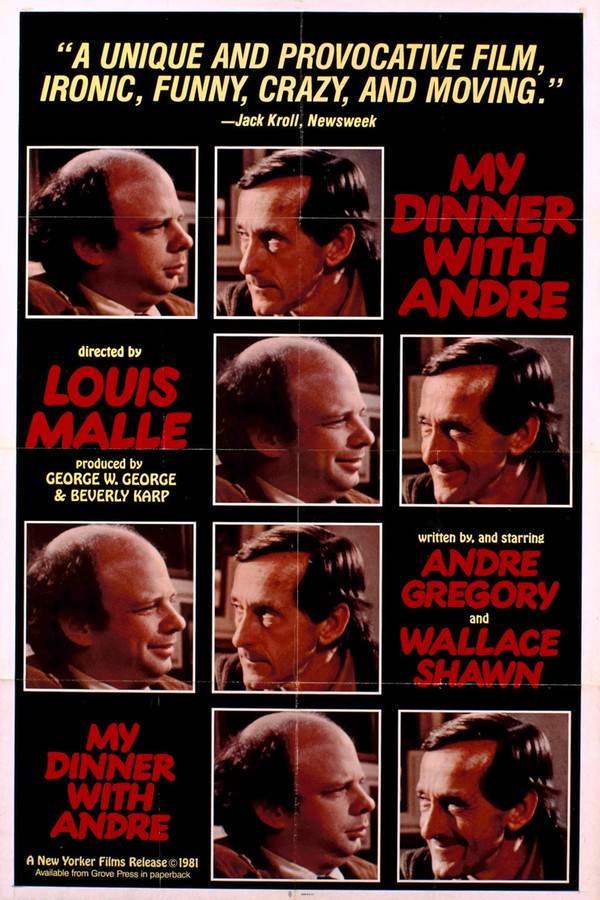
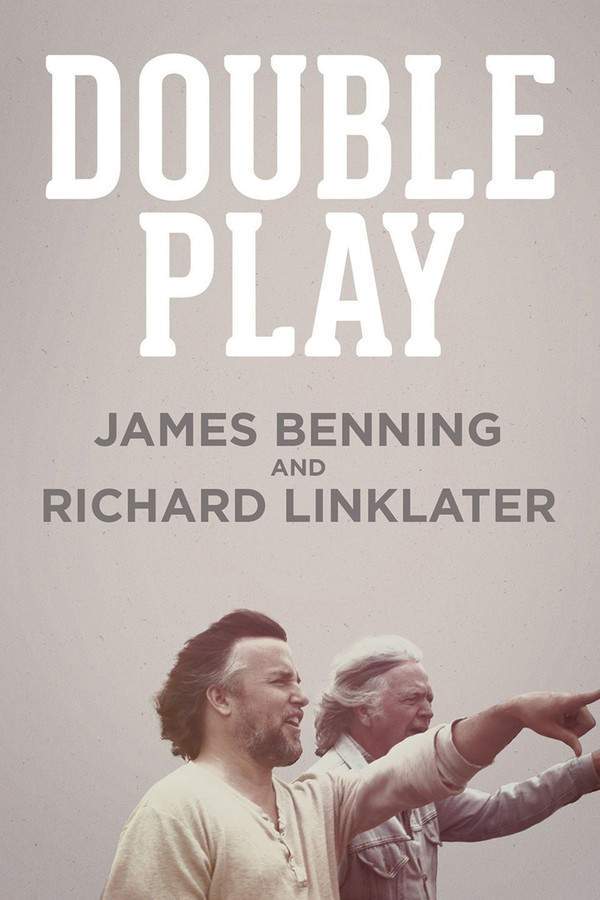
Mysterious Arrival Parable Stories Like They Came to a City

Strangers mysteriously transported to evaluate a new world or way of life. Discover films similar to They Came to a City where strangers are mysteriously brought together to evaluate an unknown society. These thought-provoking parables explore human nature through the lens of characters confronting unfamiliar ideals.

  • allegorical
  • mysterious
  • introspective
  • philosophical
  • speculative
  • symbolic
  • Tone: philosophical, mysterious
  • Pacing: slow, contemplative
Why these movies?

The story pattern: The narrative follows characters who suddenly arrive in an unexplained location that represents some philosophical or societal concept. They must confront this new environment and decide whether to embrace or reject what it offers, leading to personal revelations.

Why they belong together: They share the compelling structure of characters being mysteriously placed in symbolic settings that force introspection about society and personal values, creating allegorical storytelling experiences.

If you liked this

Movies Like They Came to a City

Similar movies to They Came to a City: the same genre, themes or kind of story. Each one comes with its own plot summary, timeline and ending explained.

Browse all movie summaries

Every angle

They Came to a City (1944) Explained: Plot, Timeline & Characters

Everything about They Came to a City in one place: what happens in the plot summary, the timeline in chronological order, the characters and meaning and a spoiler-free summary. What's After the Movie adds the cast, box office and post-credit scenes.

Coming soon on iOS and Android

The Plot Explained Movie Summary App

Plot summaries, endings explained and timelines on your phone. Catch up on any movie in minutes, save your favorites and never miss a twist again.

Be the first to know when we launch. Your email stays private, always.

Learn more about the app