The Tree
Year: 2009
Runtime: 70 mins
Language: Spanish
Director: Carlos Serrano Azcona
After abandoning his wife and children, Santiago drifts through the city’s streets, unmoored and searching for solid ground. He becomes a wanderer, haunted by his choices, and the only seeming escape he sees is to leap from the town’s highest bridge. Yet even as he teeters on that brink, he clings to the hope of rebuilding his shattered life.
The Tree (2009) – Spoiler-Free Movie Summary & Plot Overview
Get a spoiler-free look at The Tree (2009) with a clear plot overview that covers the setting, main characters, and story premise—without revealing key twists or the ending. Perfect for deciding if this film is your next watch.
In a quiet country town, a sprawling house sits beside a towering Moreton Bay Fig that seems to touch the sky, its massive limbs and deep roots framing the daily lives of the O’Neil family. Dawn and Peter raise four children—three boys and a spirited girl—amid the ordinary joys and responsibilities that the tree quietly watches over.
A sudden tragedy shatters the family’s equilibrium, leaving Dawn to navigate the fragile balance of grief and motherhood. Their youngest, Simone, begins to feel her father’s presence lingering in the rustle of leaves, a secret comfort that draws her mother into the canopy’s soothing hush. Their shared reverence for the tree becomes a quiet refuge, blurring the line between memory and the living world.
When George, a practical plumber, arrives to address the tree’s encroaching roots, his presence introduces a subtle tension between fixing the tangible problem and honoring the intangible bond the family has formed with the great fig. As Dawn and George interact, questions of healing, loyalty, and the cost of letting go begin to surface, all while the tree continues its slow, relentless growth around the home.
The atmosphere is one of lingering melancholy softened by the natural world’s gentle insistence. The towering tree stands as both shelter and silent challenger, its presence inviting the characters to contemplate what it means to protect, to remember, and to move forward. As the family gathers beneath its leafy canopy, they find themselves at a crossroads, where love, loss, and the stubborn endurance of nature intertwine, hinting at the fragile yet resilient path that lies ahead.
Last Updated: October 11, 2025 at 19:40

Explore Movie Threads
Discover curated groups of movies connected by mood, themes, and story style. Browse collections built around emotion, atmosphere, and narrative focus to easily find films that match what you feel like watching right now.
Movies about grief and rebuilding life like The Tree
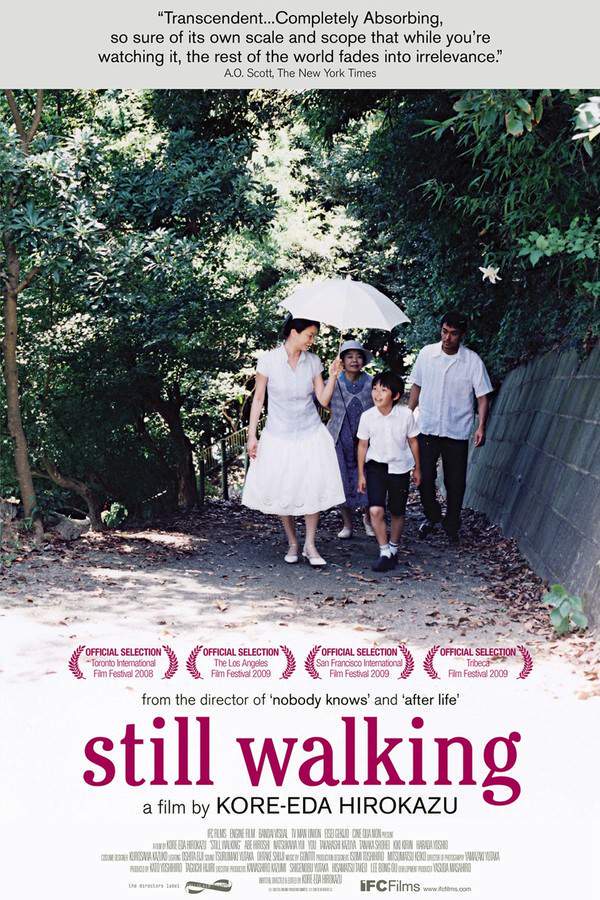
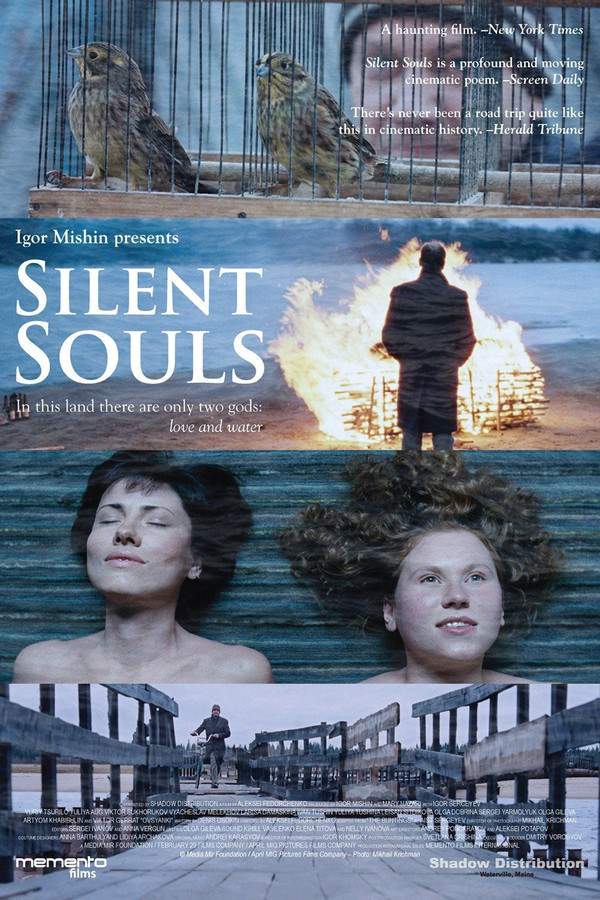
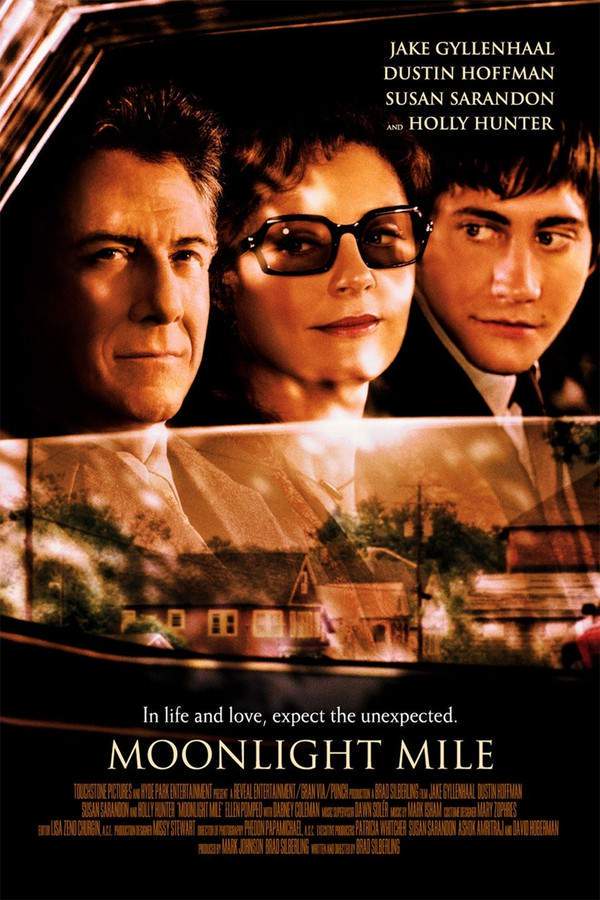
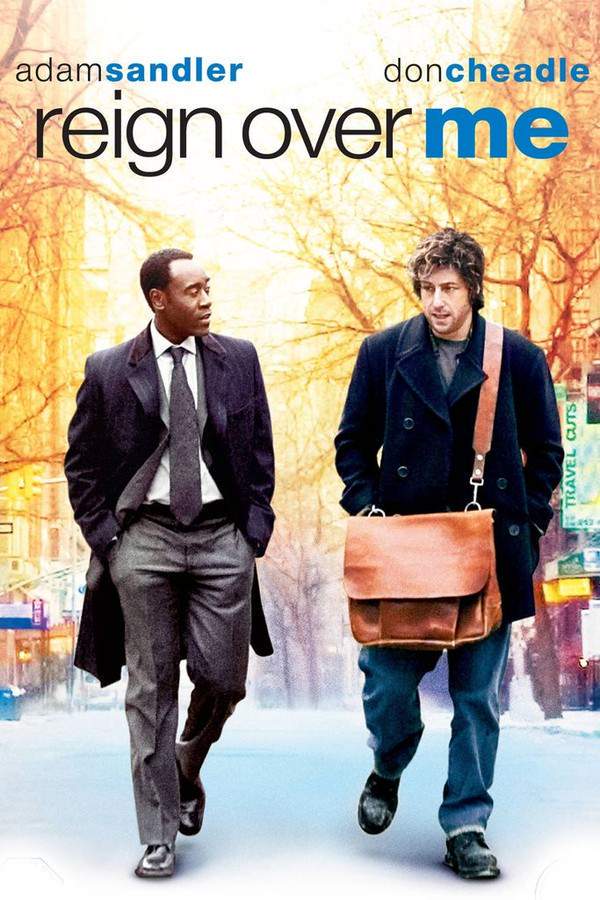
Quiet films about coping with loss and finding the strength to start again.Explore movies like The Tree that center on the quiet, somber process of grieving and the difficult path toward renewal. If you appreciated the heavy emotional weight and melancholic tone of The Tree, you will find similar stories here about family bonds tested by tragedy and the resilience of the human spirit.






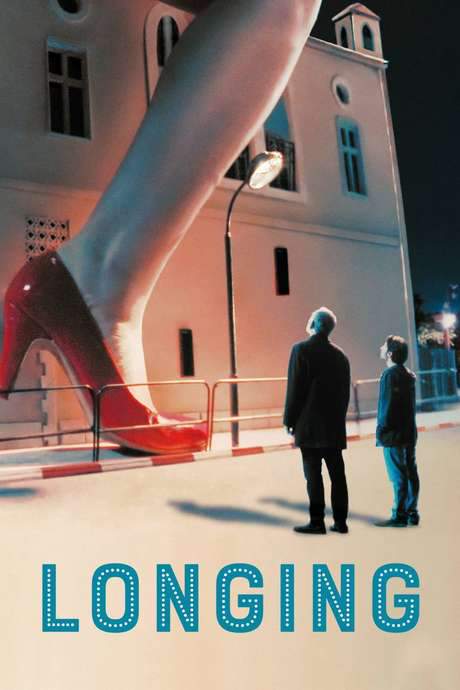



Narrative Summary
Narratives in this thread typically follow a character or family in the immediate aftermath of a tragedy. The conflict is internal and emotional, centered on processing grief rather than external action. The story arc often involves a struggle between preserving the past—sometimes symbolized by a place or object—and the slow, painful steps required to rebuild a life, leading to a bittersweet conclusion that acknowledges both loss and hope.
Why These Movies?
These films are grouped by their shared focus on the raw, quiet aftermath of loss. They share a melancholic tone, slow, deliberate pacing, and a heavy emotional weight that prioritizes authenticity over escapism. The experience is defined by atmospheric stillness, contemplative scenes, and a deep exploration of sorrow and resilience.
Movies where nature is a metaphor like in The Tree
Stories where the natural world reflects a character's inner turmoil and healing.Discover films similar to The Tree that use elements of nature as central metaphors for internal conflict and emotional healing. If you were captivated by how The Tree used the natural world to symbolize grief and resilience, you'll find other poignant stories where the environment mirrors the characters' journeys.
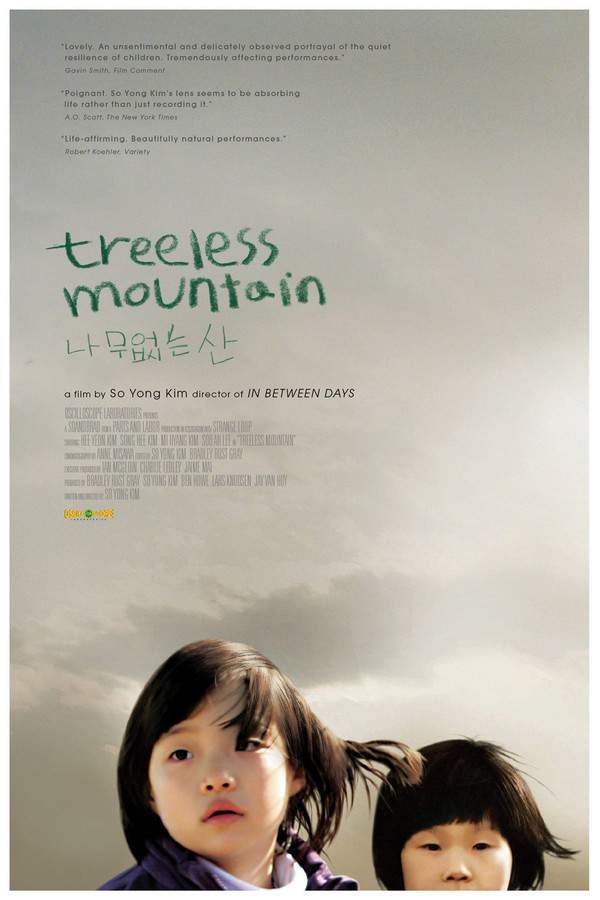
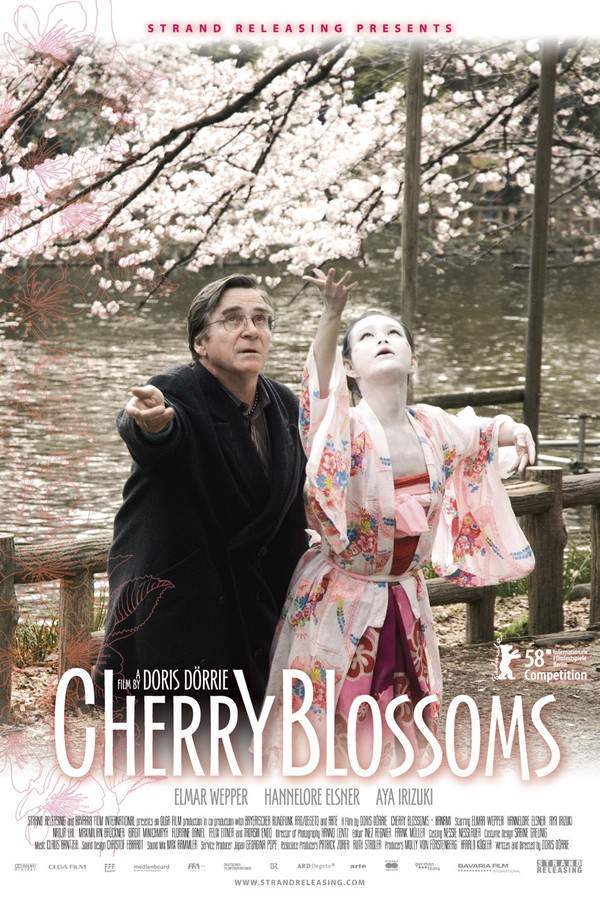
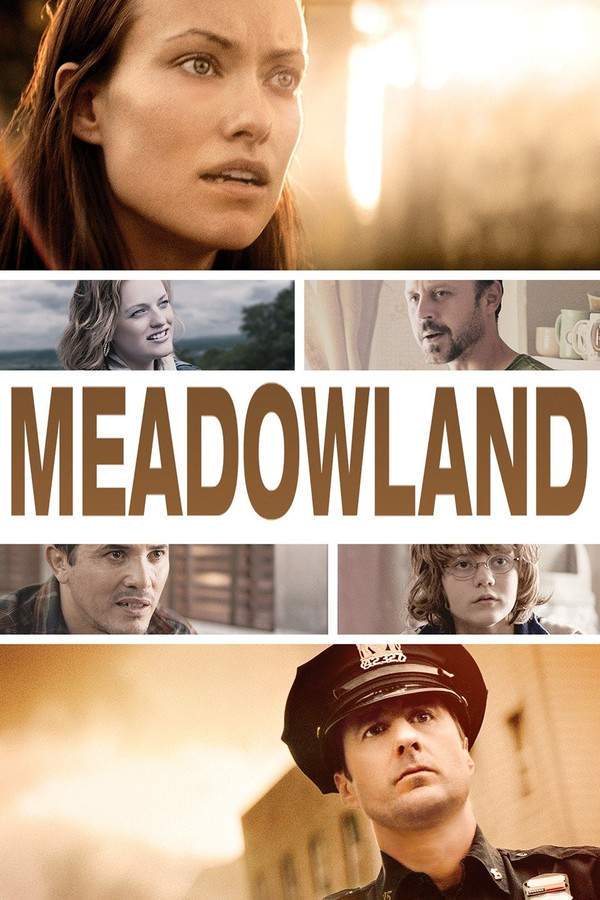




Narrative Summary
The narrative pattern involves a character's internal struggle—often grief, guilt, or a search for meaning—that is externalized and reflected in a specific element of nature. This symbol becomes a point of conflict (something to overcome or accept) and a source of potential healing. The plot unfolds through this relationship, with the resolution often tied to the character's changing perception of the natural symbol.
Why These Movies?
These movies are united by their use of nature as a core narrative device to explore complex emotions. They share a contemplative, often melancholy mood, a slow pace that allows for reflection, and a visual storytelling style that gives the environment symbolic weight, creating a unique blend of psychological drama and almost mystical realism.
Unlock the Full Story of The Tree
Don't stop at just watching — explore The Tree in full detail. From the complete plot summary and scene-by-scene timeline to character breakdowns, thematic analysis, and a deep dive into the ending — every page helps you truly understand what The Tree is all about. Plus, discover what's next after the movie.
The Tree Summary
Read a complete plot summary of The Tree, including all key story points, character arcs, and turning points. This in-depth recap is ideal for understanding the narrative structure or reviewing what happened in the movie.

The Tree Timeline
Track the full timeline of The Tree with every major event arranged chronologically. Perfect for decoding non-linear storytelling, flashbacks, or parallel narratives with a clear scene-by-scene breakdown.