Plot Explained Spoilers guaranteed!
Plot Explained

Browse by genre

The Woman in the Window (1944) movie poster

Characters & Themes

The Woman in the Window (1944) Characters, Setting & Themes Explained

Release, runtime and language
1944 · 99 mins · English
Loading streaming availability…
Directed by
Fritz Lang
Starring
Robert Blake, Alec Craig, Joan Bennett, Don Brodie, Edward G. Robinson, Raymond Massey

It was the look in her eyes that made him think of murder. A seductive woman gets an innocent professor mixed up in murder.

On this page (8)
  1. 1 Where to watch
  2. 2 Characters explained (6)
  3. 3 Where & when it takes place
  4. 4 Themes & meaning (3)
  5. 5 Character & meaning questions
  6. 6 Movie threads
  7. 7 Movies like The Woman in the Window
  8. 8 Every angle
Loading streaming availability…

6 main characters · contains spoilers

The Woman in the Window Characters Explained: Who Is Who

The main characters of The Woman in the Window (1944), heroes and villains: what drives them, how they change over the course of the story and what each of them reveals about the film's bigger ideas.

  • Professor Richard Wanley (Edward G. Robinson)

    A cultured, prudent professor who becomes entangled in a fatal confrontation and a spiraling cover-up. He is intelligent and self-controlled, yet increasingly swallowed by fear and rationalizations as the crime deepens. His inner conflict centers on guilt, responsibility, and the temptation to justify wrongful acts.

    • 🗝️ Dilemma
    • 🧠 Intellect
    • 🕰️ Pressure
  • Alice Reed (Joan Bennett)

    A striking, enigmatic woman who lures Wanley into a dangerous scheme. She exudes sophistication but hides a colder, calculating side as the murder plot unfolds. Her actions reveal a capacity for manipulation that fuels the noir tension.

    • 💃 Allure
    • 🕶️ Mystery
    • 🗺️ Manipulation
  • Claude Mazard / Frank Howard / Charlie the Hatcheck Man (Arthur Loft)

    A wealthy clandestine lover whose ambiguous identity triggers the fatal confrontation and intensifies the cover-up. His shifting roles add complexity to the web of deception surrounding the crime. He embodies duplicity and the peril of living between identities.

    • 🏷️ Deception
    • 🕳️ Trap
    • 🧩 Identity
  • Heidt / Tim, the Doorman (Dan Duryea)

    A crooked ex-cop hired to shadow the lovers; his blackmail schemes propel noir tension. He represents corrupt influence close to the case and becomes a volatile variable in Wanley and Reed's precarious plan. His eventual fate underscores the high stakes of crime and exposure.

    • 🕵️‍♂️ Corruption
    • 💰 Blackmail
    • 🗡️ Danger
  • Frank Lalor, District Attorney (Raymond Massey)

    Wanley’s club friend and a sharp-eyed prosecutor who plays a pivotal role as the investigation unfolds. His awareness of the case adds a disciplined, legal lens to the suspense. He embodies the ever-present possibility of justice catching up with the characters.

    • ⚖️ Law
    • 🧭 Investigation
    • 🕰️ Authority
  • Mrs. Wanley (Dorothy Peterson)

    Wanley’s wife, whose departure and domestic concerns compound the emotional stakes. Her presence foregrounds the personal cost of the crime and the strain on family ties. Her role highlights the tension between public appearances and private truth.

    • 🏠 Family
    • 💔 Betrayal
    • 🧭 Motive

Last updated: October 04, 2025 at 15:58

Was this helpful?

Setting

Where and When Does The Woman in the Window Take Place?

The setting of The Woman in the Window (1944): the year and time period, the places and locations, and how they shape the characters, the mood and the tension of the story.

Time period

Location

New York City area, Private club, Reed's storefront painting scene, Countryside

The film unfolds across a sophisticated urban setting centered on Wanley's private club and a storefront where a striking painting draws him in. Key action moves from the club to Reed's upscale home and then to a rural countryside as the murder and cover-up unfold. The atmosphere blends nocturnal city life with tense, intimate spaces typical of film noir.

  • 🏙️ Urban
  • 🎭 Noir
  • 🏞️ Countryside

Last updated: October 04, 2025 at 15:58

Was this helpful?

3 major themes

The Woman in the Window Meaning: Themes & Message Explained

What is The Woman in the Window (1944) really about? The emotional, social and philosophical themes the film keeps returning to, its symbolism and the message beneath the surface.

  • Reality vs Illusion

    The story constantly challenges what is real versus what is imagined, especially with the dreamlike twist at the end. Wanley grapples with culpability while the events feel simultaneously concrete and spectral. Viewers are left questioning the reliability of perception and the consequences of hidden actions.

  • Crime & Consequences

    A murder sets off a web of cover-ups, blackmail, and calculated moves to avoid exposure. The narrative tightens as witnesses and clues accumulate, threatening to unravel Wanley and Reed’s plan. The presence of legal authority adds a menacing undercurrent that justice is never far away.

  • Dual Identities

    Characters inhabit multiple roles, often blurring lines between truth and performance within the club world and personal lives. The plot hinges on how people present themselves to others and to themselves under pressure. This duplicity drives the tension and propels the moral ambiguity of the story.

Last updated: October 04, 2025 at 15:58

Was this helpful?

Character & theme questions

The Woman in the Window Characters & Meaning: Your Questions Answered

The questions people ask about The Woman in the Window (1944): who the characters really are, their relationships, what the symbols mean, where it takes place and what the movie is really about. Each answer contains spoilers.

Q1

Where is The Woman in the Window set?

The film takes place primarily in a New York City urban setting, centered around an upscale private club. Key locations include Reed's storefront with the striking painting, and the action extends into the countryside as the murder and cover-up unfold. The nocturnal city atmosphere and intimate spaces are characteristic of classic film noir.

Foreshadowing: The private club serves as the initial meeting point where Wanley becomes entangled with Alice Reed.

  • new york city
  • private club
  • film noir setting
  • countryside
  • urban setting
Q2

What time period does the movie depict?

While not explicitly dated, the 1944 film reflects the World War II era through its fashion, automobiles, and club culture. The setting evokes a sophisticated mid-20th century American cityscape typical of classic noir films from that period.

  • 1940s
  • world war ii era
  • mid-20th century
  • classic noir period
Q3

What makes this a film noir?

The Woman in the Window exemplifies film noir through its dark, moody atmosphere, morally ambiguous characters, and themes of crime, blackmail, and psychological obsession. The nocturnal urban setting, femme fatale archetype in Alice Reed, and the deadly web of deception all align with classic noir conventions.

  • film noir
  • femme fatale
  • noir conventions
  • dark thriller
  • 1940s noir
Q4

What is the reality vs illusion theme about?

The film constantly challenges what is real versus what is imagined, particularly with the dreamlike twist at the end. Wanley grapples with culpability while the events feel simultaneously concrete and spectral. The story leaves viewers questioning the reliability of perception and the consequences of hidden actions.

Foreshadowing: The dreamlike quality escalates as the cover-up progresses, blurring the line between Wanley's guilt and imagination.

  • reality vs illusion
  • perception
  • dream twist
  • psychological ambiguity
  • guilt
Q5

What does dual identities mean in this movie?

Characters inhabit multiple roles, often blurring lines between truth and performance within the club world and personal lives. The plot hinges on how people present themselves to others and to themselves under pressure. This duplicity drives the tension and propels the moral ambiguity of the story.

Foreshadowing: Claude Mazard's shifting identities as Frank Howard and Charlie the Hatcheck Man exemplify this theme.

  • dual identities
  • duplicity
  • performance
  • moral ambiguity
  • deception
Q6

How does crime and consequences play out in the story?

A murder sets off a web of cover-ups, blackmail, and calculated moves to avoid exposure. The narrative tightens as witnesses and clues accumulate, threatening to unravel Wanley and Reed's plan. The presence of legal authority, particularly the district attorney, adds a menacing undercurrent that justice is never far away.

  • murder cover-up
  • blackmail
  • crime consequences
  • district attorney
  • legal threat
Q7

Who is Professor Richard Wanley?

Professor Richard Wanley is a cultured, prudent academic portrayed by Edward G. Robinson who becomes entangled in a fatal confrontation and subsequent cover-up. He is intelligent and self-controlled, yet increasingly swallowed by fear and rationalizations as the crime deepens. His inner conflict centers on guilt, responsibility, and the temptation to justify wrongful acts.

Foreshadowing: Wanley's initial sophistication and self-control gradually erode under the weight of the cover-up.

  • professor wanley
  • edward g robinson
  • guilt
  • cover-up
  • intellectual protagonist
Q8

Who is Alice Reed in the movie?

Alice Reed is a striking, enigmatic woman who lures Wanley into a dangerous scheme. Played by Joan Bennett, she exudes sophistication but hides a colder, calculating side as the murder plot unfolds. Her actions reveal a capacity for manipulation that fuels the noir tension.

  • alice reed
  • joan bennett
  • femme fatale
  • manipulation
  • noir heroine
Q9

Does the ending mean the whole story was a dream?

The structural twist reveals the entire plot as a dream, fundamentally recontextualizing the story from a literal crime drama to a psychological allegory. The events, while serious and emotionally impactful, are ultimately not real within the story's logic, functioning more as an expression of Wanley's internal guilt and suppressed desires.

Foreshadowing: The dreamlike quality becomes increasingly apparent as events escalate beyond believable coincidence.

  • dream ending
  • psychological twist
  • allegory
  • surreal ending
  • noir twist
Q10

What is the ambiguous ending about?

The ending is deliberately ambiguous, leaving viewers to ponder Professor Wanley's state of mind and the lingering effects of his imagined transgression. The shift toward melancholic reflection invites interpretation of whether his desires and guilt were expressed through fantasy or if he has broken from reality entirely.

  • ambiguous ending
  • psychological ambiguity
  • guilt fantasy
  • noir conclusion
Q11

Who is District Attorney Frank Lalor?

Frank Lalor is Wanley's club friend and a sharp-eyed prosecutor who plays a pivotal role as the investigation unfolds. Portrayed by Raymond Massey, his awareness of the case adds a disciplined, legal lens to the suspense. He embodies the ever-present possibility of justice catching up with the characters.

  • district attorney
  • frank lalor
  • raymond massey
  • justice
  • legal authority
Q12

What role does the crooked doorman play?

Heidt, also called Tim the Doorman, is a crooked ex-cop hired to shadow the lovers; his blackmail schemes propel the noir tension. Played by Dan Duryea, he represents corrupt influence close to the case and becomes a volatile variable in Wanley and Reed's precarious plan. His fate underscores the high stakes of crime and exposure.

  • heidt
  • tim doorman
  • dan duryea
  • blackmail
  • corrupt cop

Movie threads

More Movies Like The Woman in the Window, by Mood & Story

Curated lists built around what makes The Woman in the Window tick: the same mood, the same kind of story or the same emotional payoff. Each list explains why these movies belong together.

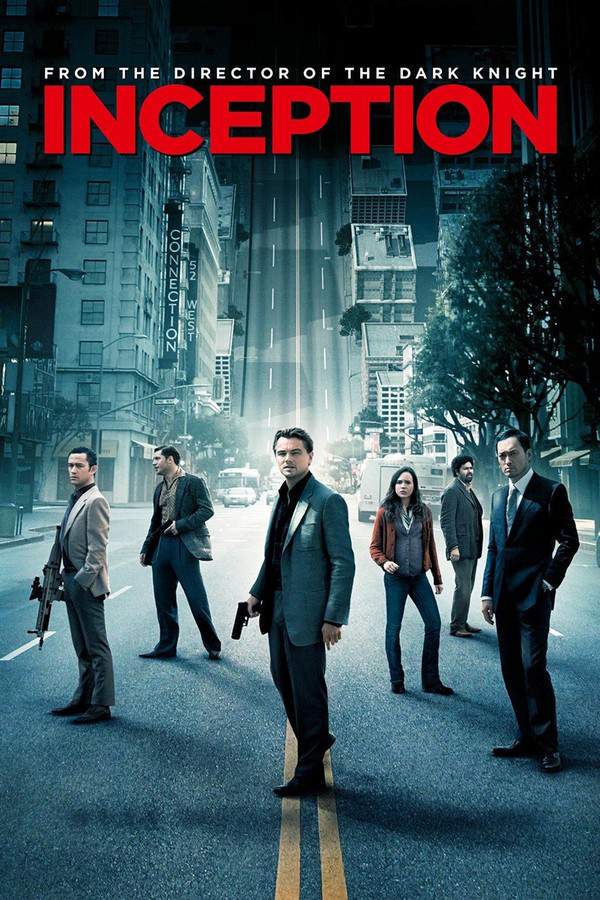
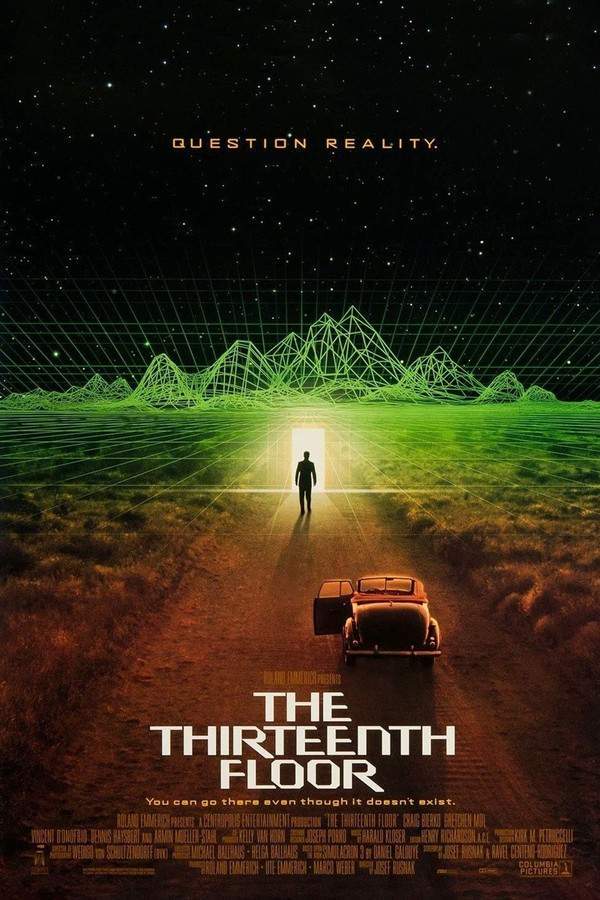
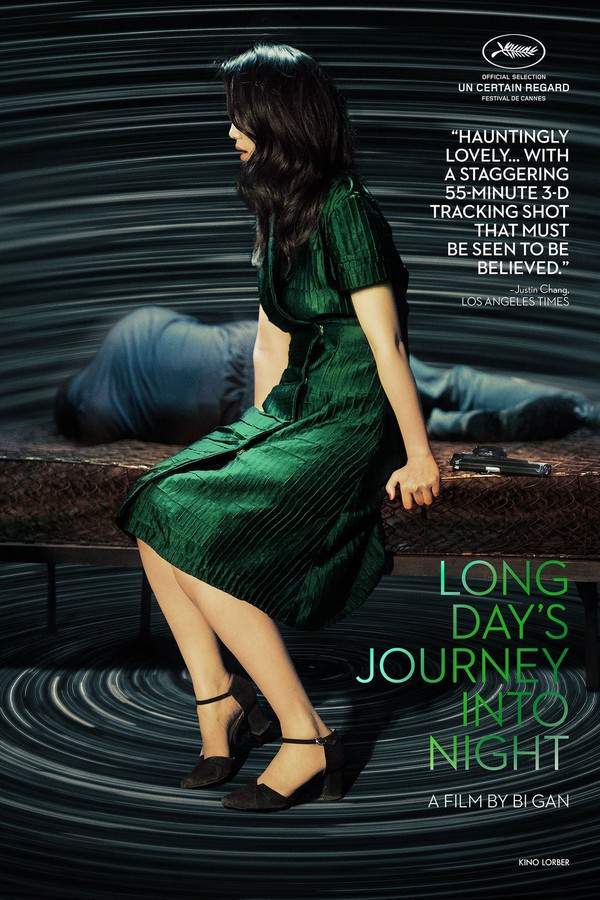
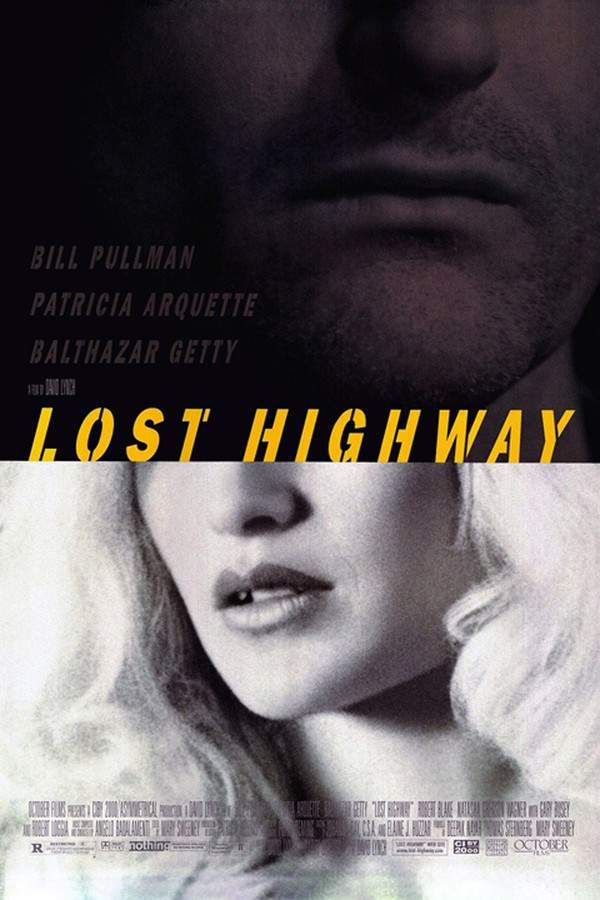
Movies where reality is a dream like in The Woman in the Window

Psychological thrillers where reality unravels into a dreamlike allegory. If you liked the mind-bending twist in The Woman in the Window, you'll enjoy these movies where the story is recontextualized as a dream or fantasy. Discover similar psychological thrillers and dramas that use dream logic to explore guilt, fear, and repressed desires, offering a complex and ambiguous viewing experience.

  • dreamlike
  • disorienting
  • psychological
  • ambiguous
  • mind-bending
  • subconscious
  • Tone: paranoid, ambiguous, melancholic
  • Pacing: methodical, dreamlike
Why these movies?

The story pattern: These stories often begin with a conventional premise—a crime, a relationship, a journey—that unfolds with palpable tension. The narrative rug-pull occurs when it's revealed the events were not real, serving as an allegorical exploration of the protagonist's psyche. The journey is internal, using cinematic language to externalize psychological turmoil.

Why they belong together: Movies are grouped here based on their shared structural deceit and thematic focus on the subconscious. They prioritize psychological exploration over literal narrative, creating a unique, thought-provoking experience that challenges the viewer's perception of events and character motivations.


Psychological crime thrillers with paranoia like The Woman in the Window

Where an ordinary person is trapped in a web of crime and paranoia. Find more movies like The Woman in the Window that feature an innocent protagonist plunged into a dangerous criminal conspiracy. These suspenseful noir and crime dramas focus on psychological tension, moral dilemmas, and the feeling of being trapped, perfect for fans of high-stakes, character-driven thrillers.

  • suspenseful
  • paranoid
  • claustrophobic
  • anxious
  • guilt-ridden
  • noir
  • Tone: dark, tense, suspenseful
  • Pacing: steady, methodical build
Why these movies?

The story pattern: The narrative follows a protagonist, often an 'everyman', who makes a small mistake or encounters a seductive but dangerous figure, triggering a catastrophic chain of events. They are quickly in over their head, grappling with guilt and fear while an investigative net—either from authorities or criminals—tightens around them, creating relentless psychological pressure.

Why they belong together: These films are connected by their core premise of an innocent's descent into a criminal underworld, the constant threat of exposure, and the pervasive mood of suspense and paranoia. They share a dark tone, steady pacing that builds dread, and a focus on the psychological toll of crime.

If you liked this

Movies Like The Woman in the Window

Similar movies to The Woman in the Window: the same genre, themes or kind of story. Each one comes with its own plot summary, timeline and ending explained.

Browse all movie summaries

Every angle

The Woman in the Window (1944) Explained: Plot, Timeline & Characters

Everything about The Woman in the Window in one place: what happens in the plot summary, the timeline in chronological order, the characters and meaning and a spoiler-free summary. What's After the Movie adds the cast, box office and post-credit scenes.

Coming soon on iOS and Android

The Plot Explained Movie Summary App

Plot summaries, endings explained and timelines on your phone. Catch up on any movie in minutes, save your favorites and never miss a twist again.

Be the first to know when we launch. Your email stays private, always.

Learn more about the app