







Plot Explained Spoilers guaranteed!
Plot Explained

Browse by genre

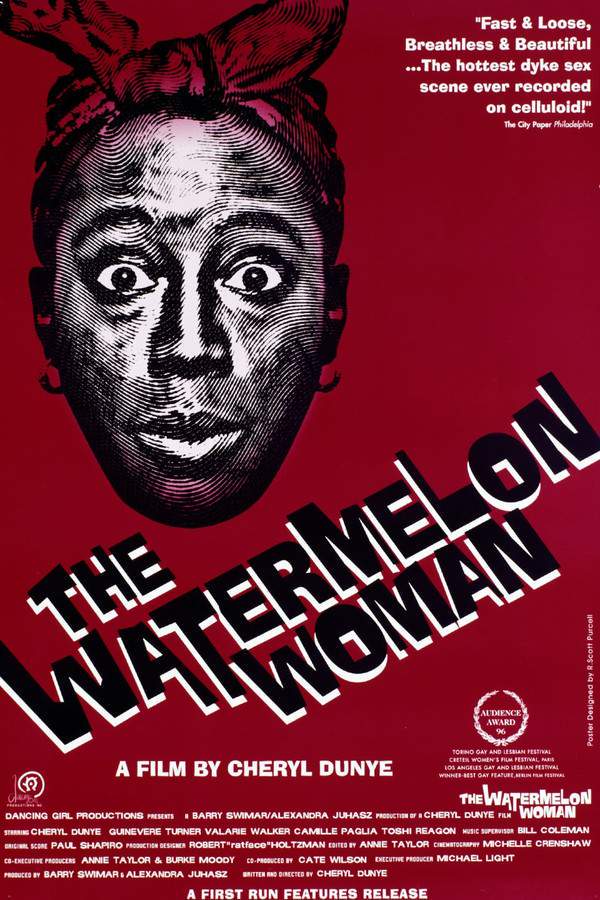
The Watermelon Woman (1997) movie poster

Timeline

The Watermelon Woman (1997) Timeline Explained – Every Event in Order

Release, runtime and language
1997 · 90 min · English
JustWatch #16,564 2
Directed by
Cheryl Dunye

Aspiring filmmaker Cheryl Dunye sets out to create a documentary about Fae Richards, a forgotten black actress from the 1930s known as "The Watermelon Woman." While researching Richards’ life in 1990s Philadelphia, Cheryl explores the complexities of race, sexuality, and representation within the queer community. The project becomes a journey of self-discovery as Cheryl uncovers surprising details about Richards’ career and a hidden same-sex relationship, prompting her to confront her own identity and the challenges of filmmaking.

On this page (6)
  1. 1 Where to watch
  2. 2 Events in order (15)
  3. 3 Timeline questions answered
  4. 4 Movie threads
  5. 5 Movies like The Watermelon Woman
  6. 6 Every angle

Where to watch

Where to Watch The Watermelon Woman (1997)

Where can you watch The Watermelon Woman? Stream, rent or buy it in the US, including on Kanopy, Amazon Video and Apple TV Store: current JustWatch availability with up-to-date prices.

Streaming availability powered by JustWatch

15 events in order · contains spoilers

The Watermelon Woman Timeline: Events in Chronological Order

Every key event of The Watermelon Woman (1997) in order, scene by scene, with when and where it takes place. Use it to untangle flashbacks, time jumps and parallel storylines, to refresh your memory before the sequel or to find the exact scene you are thinking of.

  1. Cheryl's Job

    Cheryl works at a video rental store in Philadelphia alongside her friend Tamara. Their daily routine involves providing excellent customer service while exploring the world of home video creation for clients seeking personal recordings.

    Where
    Philadelphia
  2. Fascination with Classic Films

    Cheryl develops a deep curiosity for classic films from the 1930s and 40s, particularly those featuring black actresses. This exploration leads her to discover the film *Plantation Memories*, which showcases a mysterious actress known only as 'The Watermelon Woman.'

  3. The Documentary Quest

    Determined to learn more about the Watermelon Woman, Cheryl sets out on a quest to create a documentary about her life. This goal becomes a driving force in her journey for identity and representation in cinema.

  4. Tamara's Romantic Setup

    Tamara, hoping to get Cheryl into a relationship, tries to introduce Cheryl to her friend Yvette. However, Cheryl shows no interest in romance and is more focused on her research and passions.

  5. Encounter with Diana

    While working at the video store, Cheryl meets Diana, a white woman who begins to flirt with her. This encounter creates tension, especially for Tamara, who disapproves of the connection due to its racial implications.

    Where
    Video Rental Store
  6. Interviewing the Community

    Cheryl embarks on her documentary journey by interviewing members of her community to identify the Watermelon Woman. Conversations with her mother lead to memories of the woman's performances in various clubs around Philadelphia.

    Where
    Philadelphia
  7. Meeting Lee Edwards

    Cheryl's mother suggests she meet Lee Edwards, a noted expert in black cinema. When visiting Lee, they learn about the social and cultural roles of black women in early 20th-century Philadelphia, deepening Cheryl's understanding of historical contexts.

  8. Discovery of Fae Richards

    Cheryl meets Shirley, a friend of her mother, who reveals that the Watermelon Woman was named Fae Richards. This key piece of information reveals Fae's significance as a fellow lesbian performer who sang in clubs during her time.

  9. Connection with Diana

    After an incident involving leased videos, Diana invites Cheryl over for dinner to reclaim the tapes. During their intimate dinner, they share personal stories, which leads to a deepening connection and physical intimacy.

    Where
    Diana's Home
  10. Engagement with Cultural Critique

    Cheryl meets cultural critic Camille Paglia, who discusses the implications of the Mammy archetype. This meeting provokes Cheryl to reflect on the complexities of race and identity in her quest for understanding the past.

  11. Seeking June Walker

    Cheryl attempts to reach out to June Walker, Fae's long-term partner, to gain further insights into Fae's life. However, their planned meeting is interrupted as June is hospitalized, leaving Cheryl frustrated but determined.

  12. Conflicts with Tamara

    As Cheryl's relationship with Diana develops, Tamara openly disapproves, arguing that Cheryl is trying to assimilate into a white identity. This conflict highlights the complex emotions surrounding race and attraction in Cheryl's life.

  13. Isolation After Rift

    After tensions rise between her and both Diana and Tamara, Cheryl finds herself increasingly isolated. This emotional turmoil serves as a catalyst for her personal growth and motivates her to focus on her documentary.

  14. Completing the Documentary

    Despite the rifts with her friends and the missed connections, Cheryl channels her experiences and newfound knowledge into completing her documentary. This project represents her journey of self-discovery and exploration of identity.

  15. Exploration of Personal Identity

    Cheryl's ongoing exploration of her identity culminates in a profound understanding of her cultural and personal history. Her documentary becomes a testament to her journey and the representation of marginalized voices in cinema.

Last updated: November 04, 2024 at 06:32

Was this helpful?

Timeline questions answered

The Watermelon Woman Timeline Explained: Your Questions Answered

When does it happen, and why in that order? The questions people ask about the chronology of The Watermelon Woman (1997): time jumps, flashbacks, cause and effect between scenes and the correct order of events, each answered with spoilers.

Q1

Why does Cheryl become obsessed with finding the Watermelon Woman?

Cheryl becomes interested in the Watermelon Woman after discovering the film *Plantation Memories* from the 1930s, where a Black actress is only credited as "The Watermelon Woman." As a Black lesbian filmmaker working in a video store in 1990s Philadelphia, Cheryl is already fascinated by classic films featuring Black actresses who weren't properly credited. The mystery of this unnamed actress represents the broader erasure of Black women's contributions to early cinema, which resonates with her own struggles with representation in filmmaking.

Foreshadowing: Cheryl's daily work at the video rental store and her interest in classic films foreshadow her later documentary project.

  • Cheryl Dunye
  • documentary
  • Black actresses
  • film history
  • representation
Q2

Who was Fae Richards and why was she forgotten?

Fae Richards was a Black lesbian performer who sang in Philadelphia clubs during the 1930s and 40s, specifically for audiences of "stone butches." She became forgotten because she was not properly credited in the films she appeared in, particularly in *Plantation Memories* where she was only referred to as "The Watermelon Woman." Her erasure reflects the historical marginalization of Black actresses and queer women in classic Hollywood cinema.

Foreshadowing: Cheryl's mother recognizes the photograph of the Watermelon Woman from her performances in Philadelphia clubs.

  • Fae Richards
  • forgotten actress
  • 1930s
  • Philadelphia clubs
  • lesbian performer
Q3

What was the relationship between Fae Richards and Martha Page?

Shirley, a friend of Cheryl's mother, reveals that Fae Richards was often seen with Martha Page, the white director of *Plantation Memories*. The film implies they had a romantic relationship, though Martha Page's sister later denies this when Cheryl attempts to contact her. This hidden relationship mirrors Cheryl's own complicated romantic dynamics and highlights how queer relationships, especially across racial lines, were suppressed in historical records.

Foreshadowing: Shirley reveals that Fae was seen with Martha Page, establishing the hidden nature of their relationship.

  • Fae Richards
  • Martha Page
  • director
  • Plantation Memories
  • hidden relationship
Q4

Why does Tamara disapprove of Cheryl's relationship with Diana?

Tamara openly disapproves of Cheryl's relationship with Diana, a white woman, accusing Cheryl of wanting to assimilate into white identity. Tamara also criticizes Diana for what she perceives as a fetishistic view of Black individuals. This conflict highlights the complex emotions surrounding race, attraction, and identity within the queer community, representing tensions that Cheryl must navigate as she explores both her racial and sexual identity.

Foreshadowing: Tamara's initial disapproval of Diana's flirtation at the video store establishes the racial tension in their dynamic.

  • Tamara
  • Diana
  • race
  • assimilation
  • interracial relationship
Q5

What does the C.L.I.T. archive reveal about Fae Richards?

The C.L.I.T. archive provides Cheryl with photographs of Fae Richards, including one given to June Walker, Fae's long-term partner. This discovery validates much of Cheryl's research and confirms Fae's identity as a real person who existed and had meaningful relationships. The archive represents a space dedicated to preserving LGBTQ+ and feminist history that might otherwise be lost.

Foreshadowing: Cheryl's earlier discovery that Fae was known as "The Watermelon Woman" leads her to seek further documentation.

  • C.L.I.T. archive
  • photographs
  • June Walker
  • Fae Richards
  • historical documents
Q6

Why does June Walker miss her meeting with Cheryl?

June Walker, Fae Richards' long-term partner with whom she shared a life for two decades, is hospitalized before she can meet with Cheryl. This interruption leaves Cheryl frustrated and unable to complete her documentary with the firsthand account she was seeking. June does leave a letter expressing her frustration with Martha Page, providing some closure but also representing another instance of historical stories being incomplete.

Foreshadowing: Cheryl's earlier discovery that Fae had a long-term partner establishes June Walker's significance.

  • June Walker
  • Fae Richards
  • hospitalization
  • meeting
  • letter
Q7

What is the significance of the Mammy archetype discussion with Camille Paglia?

Cheryl's meeting with cultural critic Camille Paglia provides intellectual context for her search. Paglia discusses the Mammy archetype and its implications for Black women's representation in cinema. This conversation helps Cheryl understand the historical context of how Black women were portrayed in classic films and why figures like the Watermelon Woman represent both problematic stereotypes and complex cultural presences that deserve examination.

Foreshadowing: Cheryl's growing interest in representation and film history leads her to seek expert perspectives.

  • Camille Paglia
  • Mammy archetype
  • representation
  • film criticism
  • historical portrayal
Q8

Why does Cheryl complete her documentary despite being isolated?

Cheryl completes her documentary even after her relationships with both Diana and Tamara become fractured. The isolation she experiences becomes a catalyst for personal growth, channeling her emotional journey and the historical knowledge she uncovered into her creative work. Completing the documentary represents her ultimate act of self-discovery and assertion of identity, transforming her personal struggles into artistic achievement.

Foreshadowing: The earlier conflict with Tamara about Diana foreshadows the growing rifts in Cheryl's personal life.

  • Cheryl
  • documentary
  • isolation
  • completion
  • self-discovery
  • creative journey
Q9

Why was Fae Richards called "The Watermelon Woman"?

In the 1936 film *Plantation Memories*, Fae Richards played a character referred to as "The Watermelon Woman," a stereotypical role common for Black actresses in that era. The name reflects the offensive caricatures and limited roles available to Black women in classic Hollywood cinema. Cheryl's quest to uncover the real identity behind this dehumanizing label represents a broader effort to reclaim and honor forgotten Black voices in film history.

Foreshadowing: Cheryl's discovery of *Plantation Memories* and the mysterious credit "The Watermelon Woman" initiates her documentary quest.

  • Watermelon Woman
  • Plantation Memories
  • stereotype
  • 1930s film
  • character name
Q10

How does the film explore identity and representation?

The film explores identity and representation through Cheryl's dual journey of making a documentary about Fae Richards while navigating her own identity as a Black lesbian filmmaker. Through her research, Cheryl confronts how Black women and queer individuals have been historically erased from cinema history. Her project becomes both an act of historical recovery and a personal exploration of her own place within these marginalized narratives.

Foreshadowing: Cheryl's work at the video store and interest in classic films establishes her passion for representation.

  • identity
  • representation
  • Black lesbian
  • filmmaker
  • cinema history
  • erasure
Q11

What happens to Cheryl at the end of the film?

At the end of the film, Cheryl completes her documentary about Fae Richards despite being emotionally isolated from both Diana and Tamara. The ending is bittersweet, while she achieves her creative goal and gains a deeper understanding of her cultural and personal history, she remains disconnected from the people in her life and never gets to fully connect with June Walker. Her documentary represents both an accomplishment and a poignant resolution to her journey of self-discovery.

Foreshadowing: Cheryl's perseverance through earlier setbacks and her determination to complete the documentary set up this resolution.

  • Cheryl
  • ending
  • documentary
  • resolution
  • bittersweet
  • future

Movie threads

More Movies Like The Watermelon Woman, by Mood & Story

Curated lists built around what makes The Watermelon Woman tick: the same mood, the same kind of story or the same emotional payoff. Each list explains why these movies belong together.

Movies about uncovering queer history like The Watermelon Woman

Characters discovering forgotten queer stories to understand their own place in the world. If you liked the historical research and personal journey in The Watermelon Woman, you'll appreciate these movies about queer artists and researchers. Discover films where characters dive into forgotten archives and stories, finding connections to their own lives and identities through the process of historical recovery.

  • introspective
  • thoughtful
  • melancholic
  • hopeful
  • nostalgic
  • academic
  • Tone: thoughtful, melancholic, hopeful
  • Pacing: steady, investigative
Why these movies?

The story pattern: The narrative follows a protagonist driven by a creative or intellectual goal to document a hidden past. This external research mission parallels an internal journey of self-acceptance and identity formation. The story often blends different formats—like documentary footage, interviews, and personal narrative—to bridge the gap between past and present.

Why they belong together: These movies are grouped by their shared focus on a queer protagonist using historical research as a tool for self-discovery. They combine a thoughtful, investigative pace with themes of representation, memory, and the emotional weight of giving voice to those who were silenced.

Bittersweet movies about artists like The Watermelon Woman

Stories where the creative process leads to both personal accomplishment and poignant realizations. Fans of The Watermelon Woman's portrayal of an artist's journey will enjoy these movies. Find similar stories about filmmakers, writers, and creators where the act of making art leads to a bittersweet self-discovery, blending the joy of creation with the melancholy of personal realizations.

  • bittersweet
  • introspective
  • romantic
  • frustrated
  • hopeful
  • thoughtful
  • Tone: bittersweet, introspective, romantic
  • Pacing: steady, reflective
Why these movies?

The story pattern: The plot revolves around a character undertaking a significant creative endeavor. As they work, their art reflects and impacts their personal life, often straining relationships or forcing a reevaluation of their beliefs. The ending provides a sense of artistic fulfillment but is tempered by the emotional complexity and sometimes isolation that the journey has revealed.

Why they belong together: This thread connects movies that share a specific emotional arc: the intertwining of artistic creation and personal growth, resulting in a bittersweet conclusion. They feature a steady, character-driven pace and a medium emotional intensity, focusing on the internal conflicts and rewards of the creative life.

If you liked this

Movies Like The Watermelon Woman

Similar movies to The Watermelon Woman: the same genre, themes or kind of story. Each one comes with its own plot summary, timeline and ending explained.

Browse all movie summaries

Every angle

The Watermelon Woman (1997) Explained: Plot, Timeline & Characters

Everything about The Watermelon Woman in one place: what happens in the plot summary, the timeline in chronological order, the characters and meaning and a spoiler-free summary. What's After the Movie adds the cast, box office and post-credit scenes.

Coming soon on iOS and Android

The Plot Explained Movie Summary App

Plot summaries, endings explained and timelines on your phone. Catch up on any movie in minutes, save your favorites and never miss a twist again.

Be the first to know when we launch. Your email stays private, always.

Learn more about the app