Plot Explained Spoilers guaranteed!
Plot Explained

Browse by genre

The Virgin Spring (1960) movie poster

Characters & Themes

The Virgin Spring (1960) Characters, Setting & Themes Explained

Release, runtime and language
1960 · 90 mins · Swedish
Directed by
Ingmar Bergman
Starring
Max von Sydow, Gunnel Lindblom, Axel Düberg, Allan Edwall, Birgitta Pettersson, Oscar Ljung

Devout Christians Töre and Märeta send their only daughter Karin and foster daughter Ingeri to deliver candles to a distant church. In the woods they encounter savage goat herders; Karin is raped and murdered while Ingeri hides. The killers later find refuge at the parents’ farmhouse, prompting Töre to exact terrible, vicious revenge.

On this page (7)
  1. 1 Characters explained (8)
  2. 2 Where & when it takes place
  3. 3 Themes & meaning (3)
  4. 4 Character & meaning questions
  5. 5 Movie threads
  6. 6 Movies like The Virgin Spring
  7. 7 Every angle

8 main characters · contains spoilers

The Virgin Spring Characters Explained: Who Is Who

The main characters of The Virgin Spring (1960), heroes and villains: what drives them, how they change over the course of the story and what each of them reveals about the film's bigger ideas.

  • Karin (Birgitta Pettersson)

    Karin is Töre's daughter, sent on a day's journey to deliver church candles. She interacts with the herdsmen at a meal, and her fate culminates in rape and murder by the two older men. Her death becomes the catalyst for the family's crisis and a reckoning with faith, justice, and vengeance.

    • 🎭 Drama
    • 💔 Tragedy
    • 👤 Innocence
  • Ingeri (Gunnel Lindblom)

    Ingeri accompanies Karin and is pregnant with an out-of-wedlock child, secretly worshiping Odin. She experiences fear when confronted by the one-eyed man and later witnesses the assault from a distance. She reveals the rape and murder to Töre and confesses jealous feelings that influenced her wishes, revealing a complex moral state.

    • 🤰 Pregnancy
    • 🕯️ Faith
    • 😨 Fear
  • Töre (Max von Sydow)

    Töre is a prosperous Christian patriarch who seeks justice for Karin's death. He vows to build a church at the site of the tragedy and ultimately murders the two older men and the boy involved. The siege of rage gives way to grief and prayer as he confronts the inexplicable nature of suffering.

    • ⚖️ Justice
    • 🙏 Faith
    • 🔪 Violence
  • Märeta (Birgitta Valberg)

    Märeta is Karin's mother who senses something is wrong when the trio returns and later leads the household in seeking the truth. Her suspicion drives the investigation and frames the emotional core of the family’s response. She mourns Karin and participates in the collective search for answers.

    • 👩 Motherhood
    • 🕵️ Suspicion
    • 💔 Grief
  • Simon (Oscar Ljung)

    Simon is the boy among the trio who reacts with guilt after the murder. He is left with Karin's body for a time and struggles with the horror of what happened, attempting to bury the evidence before fleeing with the others. His turmoil highlights the psychological cost of violence.

    • 😔 Guilt
    • 🧒 Youth
    • 🌀 Trauma
  • Thin Herdsman (Axel Düberg)

    One of the older herdsmen who commits the rape and murder of Karin. His culpability is central to the community's moral crisis and Töre's subsequent violent retribution. He becomes a symbol of brutal impunity in the story.

    • ⚔️ Violence
    • 💀 Crime
  • Mute Herdsman (Tor Isedal)

    The other older herdsman involved in the assault and murder of Karin. His actions contribute to the unraveling of the village's moral order and the cycle of vengeance that follows. He embodies the darker consequences of unchecked desire.

    • ⚔️ Violence
    • 🗡️ Crime
  • Frida (Gudrun Brost)

    Frida is Töre's wife who witnesses the unfolding horror with horror and restraint. Her presence frames the domestic dimension of the tragedy and the shock within the family. Her reaction mirrors the communal devastation caused by Karin's death.

    • 👩‍💼 Family
    • 😨 Shock

Last updated: October 04, 2025 at 19:28

Was this helpful?

Setting

Where and When Does The Virgin Spring Take Place?

The setting of The Virgin Spring (1960): the year and time period, the places and locations, and how they shape the characters, the mood and the tension of the story.

Time period

Medieval period (Middle Ages)

The narrative takes place in a time when Christian institutions dominate social life and small rural communities cluster around estates and churches. Life revolves around landowners, church tasks, and long horseback journeys between hubs of activity. The setting reflects a society grappling with faith, violence, and justice within a tightly knit, hierarchical order.

Location

Medieval Sweden

Set in medieval Sweden, the story unfolds across a forested landscape and a winding journey from a prosperous estate toward a parish church. The route passes mills, streams, and pastoral homesteads, emphasizing a rural world where Christian duty and daily life intersect. The secluded countryside heightens the moral stakes of the crime and its aftermath.

  • 🌲 Forested countryside
  • ⛪ Church-centered society
  • 🏰 Rural manor life

Last updated: October 04, 2025 at 19:28

Was this helpful?

3 major themes

The Virgin Spring Meaning: Themes & Message Explained

What is The Virgin Spring (1960) really about? The emotional, social and philosophical themes the film keeps returning to, its symbolism and the message beneath the surface.

  • Faith and Vengeance

    The film pits religious faith against the impulse for personal retribution. Töre's vow to avenge Karin's death clashes with the idea of divine mercy, driving a chain of violent actions. Ingeri's conflicting beliefs and Karin's fate probe whether justice can be achieved through vengeance or reconciliation.

  • Nature as Witness

    The forest, the stream, and the spring become silent witnesses to the tragedy and its consequences. The landscape isolates the characters and concentrates moral urgency on every action. The eventual emergence of a spring at Karin's resting place hints at renewal amid catastrophe.

  • Innocence and Guilt

    Karin embodies innocence caught in a brutal act, while the younger Simon and the older herdsmen carry burdens of guilt and complicity. Ingeri's jealousy and hidden desires add complexity to the moral calculus. The narrative continually shifts between innocence lost and the weight of conscience.

Last updated: October 04, 2025 at 19:28

Was this helpful?

Character & theme questions

The Virgin Spring Characters & Meaning: Your Questions Answered

The questions people ask about The Virgin Spring (1960): who the characters really are, their relationships, what the symbols mean, where it takes place and what the movie is really about. Each answer contains spoilers.

Q1

What is the setting of the movie?

The movie takes place in medieval Sweden, specifically in a rural forested countryside. The story follows a journey from a prosperous estate toward a parish church, passing through mills, streams, and pastoral homesteads. The setting emphasizes a world where Christian duty and daily rural life intersect, with the secluded landscape heightening the moral stakes of the events.

Foreshadowing: The forest and isolated paths featured early in the journey establish the vulnerability of the travelers.

  • medieval sweden
  • setting
  • rural countryside
  • forest
  • church
Q2

When does the story take place?

The story is set in the medieval period (Middle Ages), a time when Christian institutions dominated social life. Small rural communities clustered around estates and churches, with life revolving around landowners, church tasks, and long horseback journeys between hubs of activity.

  • medieval
  • middle ages
  • time period
  • historical setting
Q3

What is the main theme of faith and vengeance?

The film explores the conflict between religious faith and the impulse for personal retribution. Töre's vow to avenge his daughter's death clashes with the idea of divine mercy, driving a chain of violent actions. The narrative probes whether justice can be achieved through vengeance or if reconciliation might offer a different path.

Foreshadowing: Töre's initial religious devotion establishes the moral framework that his later vengeance will challenge.

  • faith
  • vengeance
  • justice
  • religion
  • retribution
Q4

How does the landscape function thematically?

The forest, stream, and spring serve as silent witnesses to the tragedy and its consequences. The landscape isolates the characters and concentrates moral urgency on their actions. The emergence of a spring at Karin's resting place hints at renewal and potential grace amid catastrophe.

Foreshadowing: The pastoral, idyllic nature of the early journey contrasts sharply with the darker events that follow.

  • nature
  • landscape
  • forest
  • spring
  • symbolism
Q5

What does the theme of innocence and guilt explore?

Karin embodies innocence caught in a brutal act, while other characters carry varying burdens of guilt and complicity. Ingeri's secret worship of Odin and her hidden jealousy add complexity to the moral calculus. The narrative continually shifts between innocence lost and the weight of conscience across different characters.

Foreshadowing: Ingeri's uneasy demeanor and hidden beliefs foreshadow her complex moral position.

  • innocence
  • guilt
  • morality
  • conscience
  • Karin
Q6

Who is Karin in the story?

Karin is Töre's daughter, a young woman sent on a day's journey to deliver church candles. She represents pure innocence in the narrative, and her tragic fate becomes the catalyst for the family's crisis and a profound reckoning with faith, justice, and vengeance.

  • karin
  • daughter
  • innocence
  • victim
Q7

Who is Ingeri and what is her significance?

Ingeri is Karin's companion who is pregnant with an out-of-wedlock child and secretly worships Odin rather than Christianity. She witnesses the assault from a distance and later reveals what happened, while also confessing jealous feelings that influenced her wishes. Her conflicting beliefs and complex moral state embody the tension between Christian and pagan worldviews.

Foreshadowing: Ingeri's secret pagan worship establishes her as morally torn between two worlds.

  • ingeri
  • pagan
  • odin
  • jealousy
  • pregnancy
Q8

Who is Töre and what drives him?

Töre is a prosperous Christian patriarch and Karin's father. After her death, he seeks justice through violent retribution, murdering the perpetrators. He also vows to build a church at the site of the tragedy. His arc moves from rage to grief and prayer as he confronts the inexplicable nature of suffering.

Foreshadowing: Töre's initial role as a devout Christian landowner establishes the religious framework that his revenge will challenge.

  • töre
  • father
  • patriarch
  • revenge
  • christian
Q9

How do Christian and pagan elements contrast in the film?

The film presents a clash between the Christian worldview of Töre's family and the older pagan beliefs represented by Ingeri, who secretly worships Odin. This tension between two spiritual systems creates moral complexity, especially as the Christian path of mercy gives way to violent vengeance, while Ingeri's hidden faith offers an alternative moral framework.

Foreshadowing: Ingeri's secret pagan practices are established early, marking her as spiritually different from the devout family.

  • christianity
  • paganism
  • odin
  • religion
  • spirituality
Q10

What does the film say about justice in medieval society?

The film examines justice within a tightly knit, hierarchical medieval order where Christian doctrine dominates but personal vengeance still occurs. Töre's brutal revenge raises questions about whether secular violence can achieve what divine justice cannot, while the miraculous spring at the end suggests that true justice may ultimately belong to a higher power.

Foreshadowing: The initial scenes establish the Christian moral framework that will be tested by the events to come.

  • justice
  • medieval society
  • revenge
  • moral order

Movie threads

More Movies Like The Virgin Spring, by Mood & Story

Curated lists built around what makes The Virgin Spring tick: the same mood, the same kind of story or the same emotional payoff. Each list explains why these movies belong together.

Grim medieval morality tales like The Virgin Spring

Stories set in harsh historical worlds where violence tests faith and morality. If you liked the harsh setting and moral conflict of The Virgin Spring, explore more movies like it. This collection features intense historical dramas where grief leads to vengeance, set in brutal medieval worlds that challenge faith and justice.

  • grim
  • morally complex
  • oppressive
  • violent
  • devastating
  • ritualistic
  • Tone: dark, morally complex, devastating
  • Pacing: steady, deliberate
Why these movies?

The story pattern: This thread groups stories that typically begin with a peaceful order shattered by a horrific act of violence, often against an innocent. The narrative follows a grieving protagonist, usually a patriarch or community leader, on a path of brutal revenge that forces them to question the very moral codes they live by, leading to a devastating yet contemplative conclusion.

Why they belong together: Movies are grouped here for their shared setting in a harsh, pre-modern era, their central focus on a cycle of violence sparked by personal loss, and their deep exploration of the moral and spiritual cost of vengeance. They share a grim, oppressive tone and heavy emotional weight.

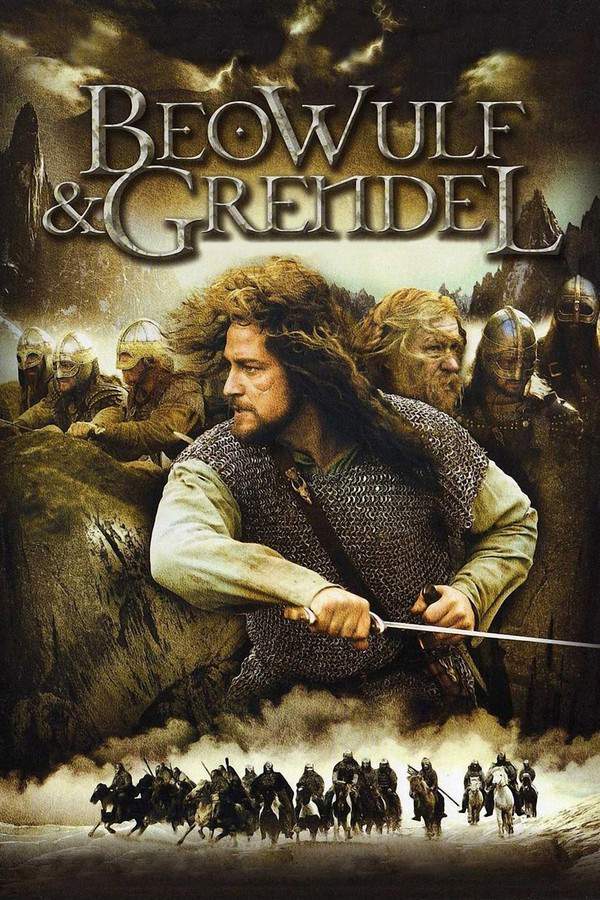
Movies about the heavy cost of revenge like The Virgin Spring

Journeys where revenge is exacted but leaves only emptiness and moral scars. For viewers who appreciated the bleak outcome of vengeance in The Virgin Spring, this list features similar movies about revenge. These films show the brutal act of payback and its devastating emotional aftermath, leaving characters with profound loss and moral ruin.

  • somber
  • devastating
  • morally complex
  • violent
  • grief-filled
  • harsh
  • Tone: dark, devastating, bittersweet
  • Pacing: steady, deliberate build
Why these movies?

The story pattern: Narratives in this thread follow a clear arc: a traumatic inciting incident triggers a deep need for retribution. The protagonist meticulously plans and executes a violent revenge, but the climax is not triumphant. Instead, the story dwells on the aftermath, revealing that the act of vengeance has shattered the protagonist's soul, leaving them in a state of grief, guilt, and existential crisis, often with a bittersweet or bleak resolution.

Why they belong together: These films are united by their central theme of revenge as a destructive, rather than restorative, force. They share a dark tone, high intensity, and a heavy emotional weight that comes from focusing on the aftermath of violence. The pacing is often steady, building dread towards an act that brings no satisfaction.

If you liked this

Movies Like The Virgin Spring

Similar movies to The Virgin Spring: the same genre, themes or kind of story. Each one comes with its own plot summary, timeline and ending explained.

Browse all movie summaries

Every angle

The Virgin Spring (1960) Explained: Plot, Timeline & Characters

Everything about The Virgin Spring in one place: what happens in the plot summary, the timeline in chronological order, the characters and meaning and a spoiler-free summary. What's After the Movie adds the cast, box office and post-credit scenes.

Coming soon on iOS and Android

The Plot Explained Movie Summary App

Plot summaries, endings explained and timelines on your phone. Catch up on any movie in minutes, save your favorites and never miss a twist again.

Be the first to know when we launch. Your email stays private, always.

Learn more about the app