
The Umbrellas of Cherbourg (re-released)

In this poignant and tuneful tale, a tender romance develops between Geneviève, who works in her family’s umbrella shop, and Guy, a young mechanic, in the French town of Cherbourg. Their budding relationship is tested when Guy is drafted into the army, forcing them to confront separation and uncertainty. Geneviève must then navigate a new life, including an unexpected pregnancy and a marriage that doesn’t erase the memory of her lost love.
Where to Watch The Umbrellas of Cherbourg (re-released)?
Find where to stream, rent, or buy The Umbrellas of Cherbourg (re-released) (2004) in the US with current JustWatch availability, up-to-date pricing, and platform listings for subscription, rental, and digital purchase options.















Streaming availability powered by 
Warning: spoilers below!
Haven’t seen The Umbrellas of Cherbourg (re-released) yet? This summary contains major spoilers. Bookmark the page, watch the movie, and come back for the full breakdown. If you're ready, scroll on and relive the story!
The Umbrellas of Cherbourg (re-released) (2004) – Full Plot Summary & Ending Explained
Read the complete plot breakdown of The Umbrellas of Cherbourg (re-released) (2004), including all key story events, major twists, and the ending explained in detail. Discover what really happened, and what it all means.
In the picturesque coastal village of Cherbourg, Normandy, Madame Émery and her 17-year-old daughter Geneviève run a small umbrella shop, striving to make a living. Amidst their struggles, Guy, a devoted auto mechanic, prioritizes caring for his ailing aunt and godmother, Élise. Despite her mother’s disapproval, Geneviève and Guy are completely smitten with each other and dream of a future together, even naming their first child Françoise. However, lurking in the shadows is Madeleine, a reserved young woman who looks after Guy’s aunt while secretly harboring feelings for him.
As Guy prepares to face the Algerian War, he and Geneviève share an unforgettable passionate night, solidifying their love. Back in Cherbourg, Geneviève discovers she’s expecting and reaches out to Guy, but his replies are infrequent. Her mother pressures her to move on, convinced that Guy has forgotten her. Shortly afterward, she catches the attention of Roland Cassard, a thoughtful jeweler from Paris, who promises her stability despite her pregnancy. Interestingly, Roland had previously shown interest in the title character from Demy’s earlier film, Lola, and shares this tale with Madame Émery, encouraging Geneviève to prioritize a secure future over her passionate feelings.
Eventually, Geneviève ties the knot with Roland in an opulent cathedral, though her hesitance about the marriage is evident. Simultaneously, Guy returns from war, grappling with his traumatic experiences and struggling to adapt to life away from the battlefield. Following a fallout with his boss, he resigns and drowns his sorrows at a dingy bar, seeking solace with a prostitute. The next day, Madeleine brings him heart-wrenching news: his aunt Élise has died.
As Guy faces the repercussions of Geneviève’s absence coupled with his internal conflicts, he starts to piece his life back together, aided by Madeleine’s support. With his inheritance, he opens a modern “American-style” gas station, signaling a new chapter. Although Madeleine agrees to marry him, she can’t help but wonder if his feelings are genuine or just a fallout from losing Geneviève.
On a chilly Christmas Eve, four years later, Guy and Madeleine—along with their adorable son François—find themselves cozily situated in their gas station. As Madeleine and François head to visit Santa Claus, a sleek sedan pulls up, revealing Geneviève, now radiating elegance in her mink coat. She is accompanied by Françoise, their lovely daughter.
When Geneviève steps out, Guy warmly invites her into his office, and they share a significant conversation as a diligent attendant services her car. Geneviève mentions this being her first visit back to Cherbourg since her marriage and sorrowfully informs him about her mother’s recent passing. When asked if he wishes to meet his daughter, Guy calmly declines.
As their conversation winds down, Geneviève prepares to leave. She pauses in the cold, adjusting her collar against the chill, and throws one last lingering look at Guy before stepping into the night. With Françoise comfortably seated in her car, she drives off into the wintry landscape.
Meanwhile, Madeleine emerges from her visit to Santa Claus, joined by François, and is greeted with a loving kiss from Guy. After a playful snowball fight, Guy scoops up their son and follows Madeleine inside, where they joyfully bask in the warmth of their home.
Last updated: November 22, 2024 at 19:08
The Umbrellas of Cherbourg (re-released) (2004) Plot Questions Answered – Summary FAQ
Explore frequently asked questions about The Umbrellas of Cherbourg (re-released) (2004) with spoiler-rich answers covering the full plot summary, major story beats, character motivations, hidden details, and ending meaning. This movie summary FAQ helps explain confusing scenes, plot twists, and narrative decisions in clear, searchable detail.
Why did Geneviève choose to marry Roland instead of waiting for Guy?
Geneviève married Roland because she felt abandoned when Guy stopped responding to her letters after being drafted. Her mother encouraged her to move on, and Roland offered her stability and security during her pregnancy. While she had deep feelings for Guy, the combination of his silence, her mother's pressure, and her need for practical support led her to choose a secure future over waiting for a man who seemed to have forgotten her.
Early in their relationship, Geneviève and Guy dreamed of naming their first child Françoise, showing how deeply they imagined their future together before circumstances pulled them apart.
Why did Guy stop writing to Geneviève while he was in the war?
The summary doesn't specify why Guy's replies became infrequent, but it's implied he was struggling with the trauma of war and adjusting to life as a soldier. His sparse communication was enough for Madame Émery to convince Geneviève that Guy had moved on, which influenced her decision to accept Roland's proposal.
Why did Guy refuse to meet his daughter Françoise when Geneviève offered?
Guy declined to meet Françoise because by then he had built a new life with Madeleine and their son François. Meeting his daughter from the past would have reopened emotional wounds and complicated his present family life. His refusal suggests he chose to fully commit to his current family rather than dwell on what could have been with Geneviève.
The earlier scene where Guy and Geneviève planned to name their first child Françoise makes his refusal especially poignant, he had once dreamed of that child but chose to let go.
What happened to Guy's aunt Élise?
Guye's aunt Élise, who he cared for before the war, passed away while he was serving in Algeria. The death was revealed to Guy by Madeleine after his return, adding to his emotional burden as he tried to rebuild his life. Her passing left Guy an inheritance that enabled him to open the gas station.
Why did Madeleine agree to marry Guy despite knowing he still had feelings for Geneviève?
Madeleine had loved Guy secretly for years while caring for his aunt Élise. When Guy returned from war damaged and alone, she supported him through his recovery. Despite suspecting his feelings for Geneviève might not be fully resolved, she chose to marry him, possibly believing that love could develop over time or accepting whatever part of him she could have.
Why is Geneviève and Guy's daughter named Françoise?
Before Guy left for the war, Geneviève and Guy discussed their future together and decided to name their first child Françoise. When Geneviève later gave birth to a daughter, she honored this shared dream by naming her Françoise, despite the fact that Guy was no longer in her life.
Early in their romance, they explicitly named Françoise as their intended first child's name, making this detail a bittersweet callback to their lost love.
What brought Geneviève back to Cherbourg to visit Guy after four years?
Geneviève visited Cherbourg on Christmas Eve to see Guy, possibly seeking closure or wanting to reintroduce him to their daughter. She had not returned since marrying Roland and mentioned that her mother had recently passed away. Her elegant appearance in a mink coat suggested she had achieved the comfortable life Roland promised, but she still felt compelled to confront her past.
Why did Guy open a gas station after returning from the war?
Guy used the inheritance he received from his aunt Élise's death to open a modern American-style gas station. This represented a fresh start after the trauma of war and the loss of his relationship with Geneviève. The gas station became the center of his new life with Madeleine and their son François.
Who is Madeleine and what is her role in the story?
Madeleine is a quiet young woman who cared for Guy's aunt Élise while Guy was at war. She secretly loved Guy throughout this time. After Guy's return and his aunt's death, Madeleine supported him as he rebuilt his life. She eventually married Guy and had their son François, becoming his稳定的生活伴侣 despite uncertain whether his heart was fully in the marriage.
Why did Madeleine doubt whether Guy's feelings for her were genuine?
Madeleine wondered if Guy married her more out of convenience and need for support after losing Geneviève, rather than genuine romantic love. Her uncertainty stemmed from knowing Guy and Geneviève's deep connection and the fact that he had never fully moved on emotionally, as evidenced by his reaction when Geneviève arrived at Christmas Eve.
Madeleine's doubts were confirmed when Guy invited Geneviève into his office for a private conversation, showing the unresolved feelings between the former lovers.
Why did Roland choose to marry Geneviève knowing she was pregnant with another man's child?
Roland, a thoughtful jeweler from Paris, had shown interest in the title character from director Demy's earlier film Lola before meeting Geneviève. He was drawn to her despite her pregnancy and offered stability and a secure future. His willingness to accept her child suggests he valued having a family and partner over biological parentage, or perhaps he genuinely loved her despite her circumstances.
Why does the story end with Guy and Madeleine as a family rather than reuniting with Geneviève?
The film concludes with Guy and Madeleine together because by then they had built four years of married life and had a son together. While Guy and Geneviève shared deep romantic history, the story shows that both chose different paths, Geneviève chose security with Roland, and Guy eventually chose to commit to Madeleine despite his lingering feelings. The ending is bittersweet: they have warmth and family, but the memories of first love remain unresolved.

Explore Movie Threads
Discover curated groups of movies connected by mood, themes, and story style. Browse collections built around emotion, atmosphere, and narrative focus to easily find films that match what you feel like watching right now.
Ill-fated romance stories like The Umbrellas of Cherbourg (re-released)
Passionate relationships defined by separation, difficult choices, and bittersweet endings.For viewers seeking movies like The Umbrellas of Cherbourg (re-released), this group features similar romantic dramas about love tested by separation, duty, or societal pressures. These films share a melancholic, bittersweet tone, focusing on how characters navigate life after a profound, but ill-fated, romance.
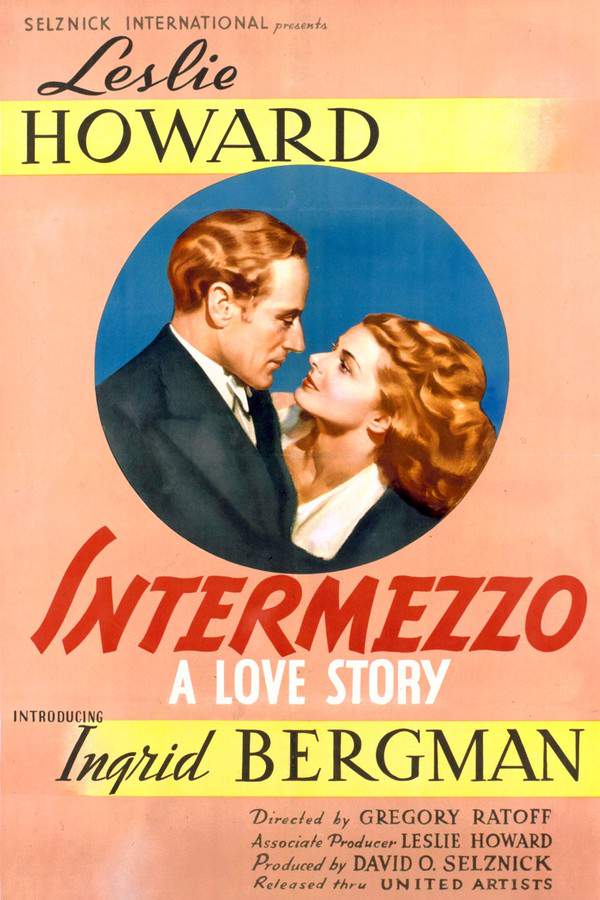
Intermezzo: A Love Story
1939

An Affair of Love
2000
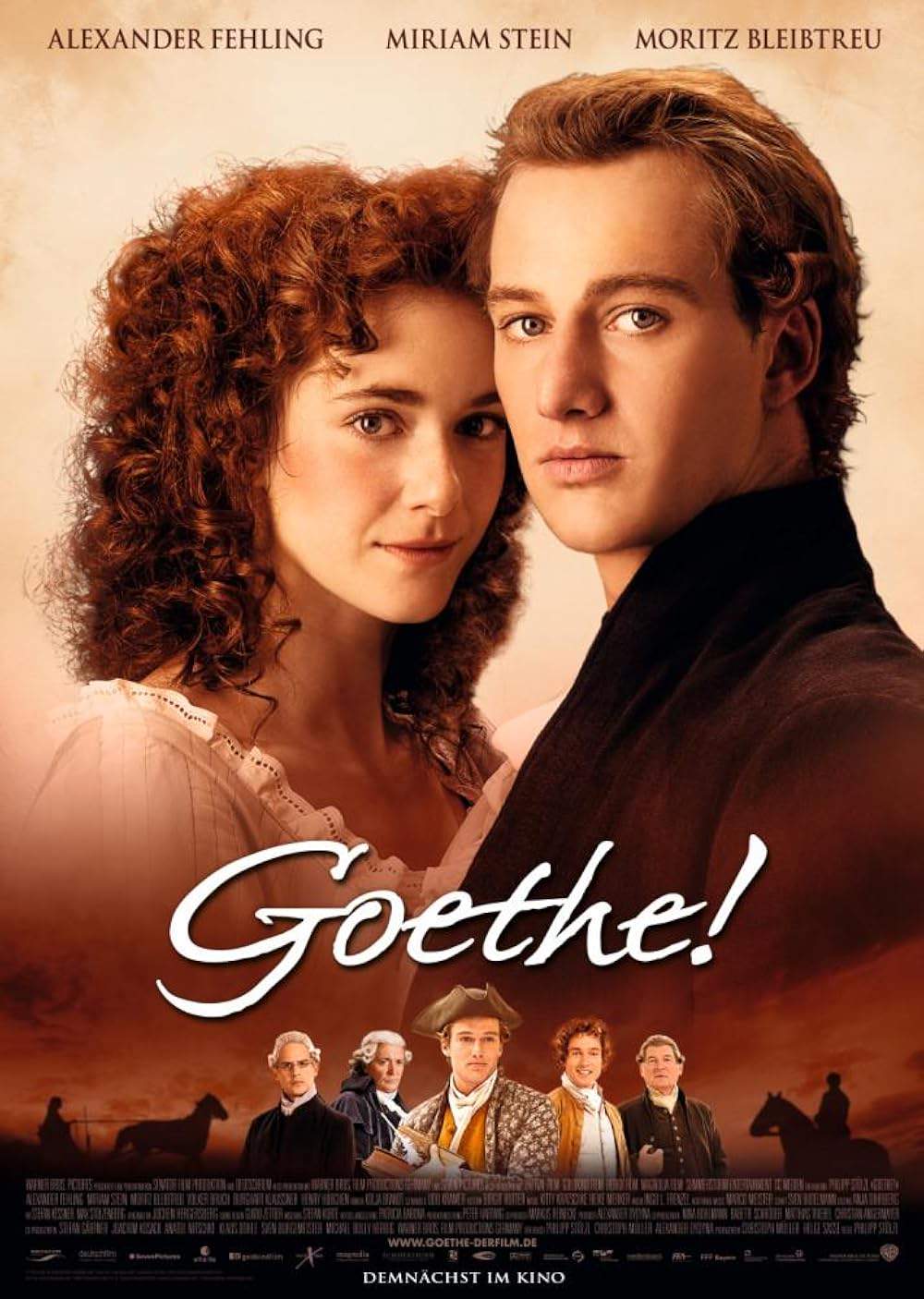
Young Goethe in Love
2011
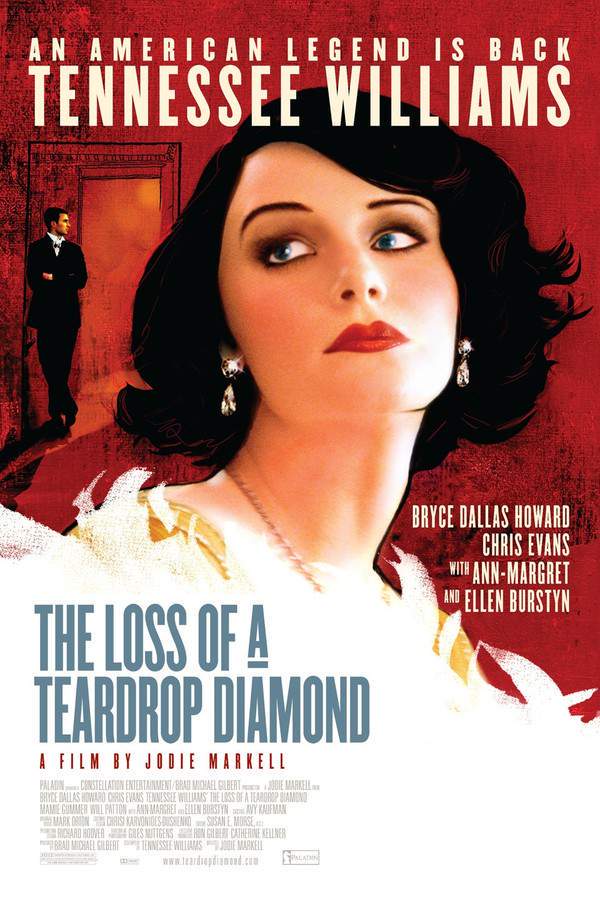
The Loss of a Teardrop Diamond
2009

Message in a Bottle
1999

Falling in Love
1984

The Mistress
2012

Sentimental Destinies
2000

Secret
2007

A Man in Love
1987

My Reputation
1946
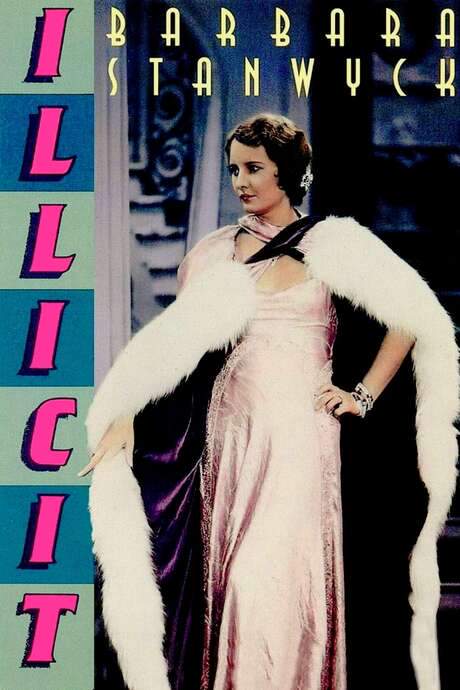
Illicit
1931

The Last Time I Saw Paris
1954

Rhapsody
1954

A Summer Story
2024
Narrative Summary
The narrative pattern typically involves a deep, often youthful, romantic connection that is abruptly interrupted by a major external force like war, family duty, or class differences. The story then follows the characters as they make practical, sometimes loveless, choices, with the central tension revolving around 'what if' and the lingering emotional residue of the original love.
Why These Movies?
These films are grouped by their shared focus on romance as a life-altering memory rather than a happily-ever-after conclusion. They resonate through a consistent mood of yearning and a bittersweet emotional tone, where the sadness of loss is balanced by the warmth of having loved deeply.
Melancholic musicals with a similar feel to The Umbrellas of Cherbourg (re-released)
Musicals that use song to explore deeper feelings of sadness, nostalgia, and longing.If you liked the sung-through, emotionally rich style of The Umbrellas of Cherbourg (re-released), this selection features other musicals that prioritize poignant, bittersweet storytelling over spectacle. These films use music to delve into themes of love, loss, and memory with a similar steady, reflective pace.
Intermezzo: A Love Story
1939
The Umbrellas of Cherbourg (re-released)
2004
Young Goethe in Love
2011
The Loss of a Teardrop Diamond
2009

Love Never Dies
2012

Soundtrack
2011

The Three Stooges
2000

Darling
1965

The Little Mermaid
1968

Stardust
1974
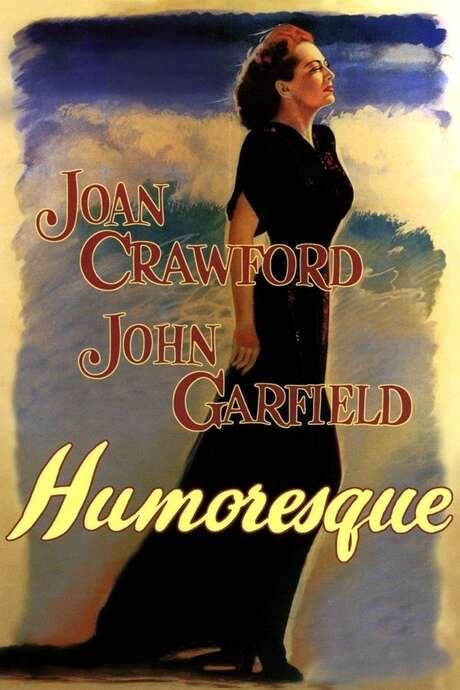
Humoresque
1946

The Little Mermaid
1976

The Song of Songs
1933

The Country Girl
1954
Rhapsody
1954
Narrative Summary
The narrative unfolds almost entirely through music, with dialogue replaced by recitative or song. This technique creates an intimate, slightly surreal atmosphere where emotions are heightened and laid bare. The plots are often straightforward, focusing on intimate character dramas and the bittersweet passage of time.
Why These Movies?
These movies share a unique blend of the musical genre with a deeply melancholic soul. They are connected by their use of continuous music to sustain a specific, reflective mood, their focus on emotional authenticity over theatricality, and their steady pacing that lets the audience sit with the feelings being expressed.
Unlock the Full Story of The Umbrellas of Cherbourg (re-released)
Don't stop at just watching - explore The Umbrellas of Cherbourg (re-released) in full detail. From the complete plot summary and scene-by-scene timeline to character breakdowns, thematic analysis, and a deep dive into the ending - every page helps you truly understand what The Umbrellas of Cherbourg (re-released) is all about. Plus, discover what's next after the movie.
The Umbrellas of Cherbourg (re-released) Timeline
Track the full timeline of The Umbrellas of Cherbourg (re-released) with every major event arranged chronologically. Perfect for decoding non-linear storytelling, flashbacks, or parallel narratives with a clear scene-by-scene breakdown.

Characters, Settings & Themes in The Umbrellas of Cherbourg (re-released)
Discover the characters, locations, and core themes that shape The Umbrellas of Cherbourg (re-released). Get insights into symbolic elements, setting significance, and deeper narrative meaning - ideal for thematic analysis and movie breakdowns.

The Umbrellas of Cherbourg (re-released) Spoiler-Free Summary
Get a quick, spoiler-free overview of The Umbrellas of Cherbourg (re-released) that covers the main plot points and key details without revealing any major twists or spoilers. Perfect for those who want to know what to expect before diving in.

