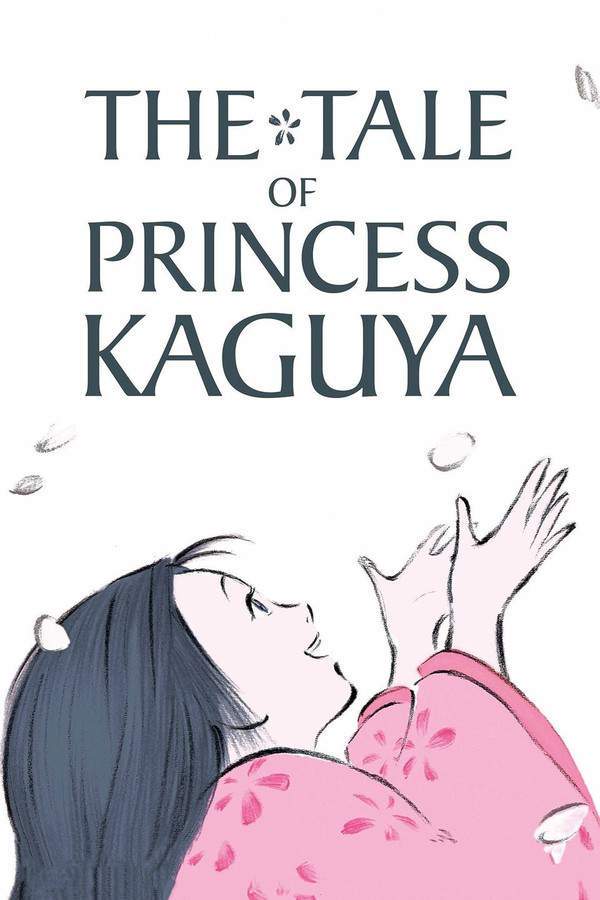
A bamboo cutter discovers a tiny girl inside a bamboo stalk, and he and his wife raise her as their own. She rapidly grows into a beautiful and captivating young woman, attracting the attention of many suitors. However, her extraordinary growth and the lavish lifestyle she’s led draw her into a world of political intrigue and societal pressures, ultimately challenging her sense of self and her freedom to choose her own path.
Find where to stream, rent, or buy The Tale of The Princess Kaguya (2014) in the US with current JustWatch availability, up-to-date pricing, and platform listings for subscription, rental, and digital purchase options.
Warning: spoilers below!
Haven’t seen The Tale of The Princess Kaguya yet? This summary contains major spoilers. Bookmark the page, watch the movie, and come back for the full breakdown. If you're ready, scroll on and relive the story!
Read the complete plot breakdown of The Tale of The Princess Kaguya (2014), including all key story events, major twists, and the ending explained in detail. Discover what really happened, and what it all means.
As the bamboo cutter discovered a radiant bamboo shoot, this pivotal moment sparked a series of events that would dramatically change their lives forever. Within this glowing miracle, they found a tiny maiden, whom they lovingly named Princess. As she grew up, the villagers affectionately called her Takenoko, a name that perfectly captured her astonishing growth and vivacious spirit. Among her closest friends was Sutemaru, a gentle and kind-hearted boy who formed a profound bond with her.
The bamboo cutter later unearthed treasures such as gold and fine fabrics in the bamboo grove, evidence of Princess's celestial heritage. Inspired by these findings, he devised an elaborate plan to elevate her social status. With a heavy heart and a sense of duty, he moved the family from their simple life in the countryside to the opulent capital. Their once modest home was transformed into a grand mansion filled with servants and extravagant luxuries. To mold her into a refined lady, a strict governess was brought in, but the transition proved challenging for the girl, who found it difficult to reconcile her new, opulent surroundings with her humble beginnings.
As Princess Kaguya—her elegant name bestowed upon her at adulthood—navigated this alien world, she sought comfort in the presence of Sutemaru and her group of friends. However, when the truth about her origins surfaced, desperation drove her to flee the capital, longing for the familiar landscapes of her childhood. Unfortunately, upon her return, she found that her friends had moved on, leaving her feeling abandoned and adrift.
With the passage of time, a newfound beauty illuminated Princess Kaguya, attracting admirers from distant lands. Five noble suitors attempted to win her heart, likening her beauty to the treasures of ancient myths. Yet, she remained elusive, declaring that only one who could retrieve her coveted prize would gain her affection.
When spring blossomed, Princess Kaguya longed to witness the cherry blossoms in their full splendor. Accompanied by her mother and a loyal handmaiden, she returned to the countryside to see a magnificent tree near her old home. As she twirled joyfully amid the delicate petals, her happiness was abruptly interrupted when she encountered an innocent child. The family's heartfelt apology and swift departure served as a poignant reminder of the responsibilities tied to her noble new identity.
As the royal carriage drew near to the capital, a sudden uproar outside caught Kaguya's attention. Her quick instincts recognized Sutemaru amid the chaos, as he was caught stealing a chicken. Incensed, she leapt from the carriage, only to retreat in horror as reality struck. The would-be thief faced a vicious beating from pursuers, his cries ringing out through the streets.
After this turmoil, four suitors endeavored to win her heart, each presenting a token—be it a phony gift, a bouquet, or a collection of treasures. Yet, only one suitor, the fourth, displayed genuine kindness, gifting her a bloom instead of something far more valuable. Tragically, this noble gesture was thwarted when his wife intervened before Kaguya could even respond.
These repeated rejections deeply impacted Kaguya, leading her into a profound melancholy. At her lowest point, the Emperor of Japan, intrigued by her otherworldly beauty, set his sights on abducting her. Kaguya, however, expertly turned the tables on him, begging him to desist as she revealed her true essence.
As secrets unfurled, Kaguya openly shared with her parents her extraordinary past: she was originally from the Moon, having violated its laws in her longing for mortal experiences on Earth. When the Emperor's relentless pursuit became unbearable, she silently sought the Moon's help, leading to the restoration of her memories and a promise of reclamation at the next full moon.
Torn between her affection for Earth and the call of the Moon, Kaguya expressed a heartfelt attachment to her life here, which moved her father to take a stand, pledging to protect her by fortifying their mansion into an impregnable fortress.
Amid these challenges, Kaguya returned to her childhood village and stumbled upon Sutemaru again, rekindling their love amidst a whirlwind of joy and fervor. As they reveled in their happiness while soaring above the landscapes, their bliss was fleeting as they encountered a divine procession from the Moon, led by the Buddha. The fortress's strength, once thought unbeatable, crumbled under this celestial onslaught.
As night descended on the eve of the full moon, a servant presented Kaguya with a sacred garment that would erase all her memories of Earth. With tears streaming down her cheeks, she bid an emotional farewell to her family and friends, embracing them one last time before being enveloped by the robe. With heavy hearts, the bamboo cutter and his wife were left to mourn their loss.
As Kaguya turned back to cast her gaze upon the distant Earth, her eyes brimmed with tears—a striking representation of her bittersweet goodbye to the world she had come to love.
Last updated: November 17, 2024 at 17:54
Explore frequently asked questions about The Tale of The Princess Kaguya (2014) with spoiler-rich answers covering the full plot summary, major story beats, character motivations, hidden details, and ending meaning. This movie summary FAQ helps explain confusing scenes, plot twists, and narrative decisions in clear, searchable detail.
The bamboo cutter discovered celestial treasures, gold and fine fabrics, in the bamboo grove, which convinced him that Princess had a special heritage. He believed moving to the capital and raising her as a noble lady would give her the life she deserved, even though it meant abandoning their simple countryside life.
The discovery of celestial treasures in the bamboo grove hinted at Kaguya's otherworldly origins long before her true nature was revealed.
Kaguya struggled because the strict governess and refined society contradicted her free-spirited nature developed in the countryside. She missed the natural landscapes and simple joys of her childhood, making it difficult to reconcile her humble origins with the expectations of aristocratic life.
Her early joy twirling among the cherry blossoms in the countryside foreshadowed her deep longing for natural freedom throughout the film.
Kaguya rejected the suitors because she was not genuinely interested in marriage or material wealth. The suitors presented extravagant gifts, but none could fulfill her emotional needs. Her heart remained with Sutemaru, the boy from her childhood, and she felt trapped by the superficial nature of the courtship.
Her early bond with Sutemaru in the countryside established her true emotional connection, which never wavered despite her elevated status.
The gold and fine fabrics discovered in the bamboo grove were signs of Kaguya's celestial heritage from the Moon. These treasures confirmed that she was not an ordinary child but a being of supernatural origin, which motivated the bamboo cutter to pursue a better life for her.
These early supernatural signs foreshadowed Kaguya's eventual return to the Moon and her divine nature.
The Emperor was captivated by Kaguya's extraordinary beauty, which he found otherworldly and irresistible. Intrigued by her unique appearance and mysterious aura, he attempted to take her by force, not knowing she was actually a celestial being from the Moon.
Kaguya's celestial beauty, which attracted earthly admirers, was a preview of her true nature as a Moon inhabitant.
Kaguya revealed her origin because the Emperor's relentless pursuit became unbearable, and she needed help. Confiding in her parents was a desperate attempt to find support and understanding as her memories of the Moon began returning and the pressure from Earth intensified.
Her earlier discovery of celestial treasures and the suitors' mythic descriptions of her beauty planted seeds about her divine origins.
The sacred garment was a celestial robe brought by the Moon beings on the night of the full moon. It was required for Kaguya to return to the Moon, but its magical property was to erase all her earthly memories, ensuring she would forget her life, family, and love for Sutemaru forever.
This moment directly connected to her earlier longing to forget her troubles, though the reality was far more tragic than she had imagined.
The mansion's fortifications were useless against celestial beings because they possessed supernatural powers beyond human capability. The Moon's procession, led by the Buddha himself, easily dismantled the stronghold, demonstrating that earthly defenses cannot oppose divine forces.
The bamboo cutter's desperate attempt to shield her reflected his human limitations against her celestial destiny.
When Kaguya fled the capital and returned to her childhood village, her friends had already moved on with their lives. Time had passed, and they could not wait indefinitely for her return, leaving her feeling abandoned and alone in the place she once belonged.
This loneliness foreshadowed her ultimate isolation when leaving Earth, reinforcing the theme of loss throughout the film.
The fourth suitor was the only one who showed genuine kindness by giving her a simple flower instead of valuable treasures. However, his wife intervened before Kaguya could respond, preventing any connection from forming and demonstrating that even genuine affection faced insurmountable obstacles.
This moment highlighted how Kaguya's heart belonged to Sutemaru, making any suitor's attempt doomed from the start.
Kaguya wanted to return to the countryside during spring because the cherry blossoms represented her happiest memories as a child. Twirling among the petals connected her to her carefree past and provided brief respite from the suffocating responsibilities of her noble life.
Her joyful twirling among the blossoms was one of her last pure moments of earthly happiness before everything changed.
The celestial procession was a group of divine beings from the Moon who came to retrieve Kaguya. Led by what appears to be the Buddha, they descended to Earth on the full moon night to take her back to the Moon, fulfilling their promise to return her after she had lived her mortal life.
This was the culmination of the foreshadowing about her celestial origins and inevitable departure that had been building throughout the film.
Kaguya cried because she was forced to leave behind everyone she loved, her adoptive parents, Sutemaru, and her friends, while simultaneously having all her cherished memories erased. The tears represented her deep attachment to her earthly life and the unbearable pain of losing both her loved ones and her own memories of them.
This bittersweet moment embodied the film's central theme of finding beauty in impermanence and the pain of forced separation.
Discover curated groups of movies connected by mood, themes, and story style. Browse collections built around emotion, atmosphere, and narrative focus to easily find films that match what you feel like watching right now.
Visually poetic tales about the beautiful, fleeting nature of life and love.If you were moved by the poetic and bittersweet story of The Tale of The Princess Kaguya, discover more movies like it. This list features visually stunning, melancholic folk tales and animated films that explore themes of love, loss, and the impermanent beauty of life.
Stories in this thread often follow a character—sometimes magical or otherworldly—who experiences a profound but temporary connection to life, love, or the natural world. The narrative arc is typically one of arrival, deep connection, and an inevitable, sorrowful departure, emphasizing the theme of impermanence.
These movies are grouped by their shared lyrical tone, visual artistry, and core thematic exploration of transient beauty. They create a specific mood of reflective melancholy and wistful longing, prioritizing emotional resonance and atmosphere over complex plotting.
Stories of characters with magical or celestial origins struggling with earthly expectations.For viewers who enjoyed The Tale of The Princess Kaguya's exploration of a celestial being confined by earthly rules, this list finds similar movies. Discover stories about characters with magical or extraordinary origins facing societal expectations and fighting for their right to choose their own path.
The narrative pattern follows a protagonist whose special nature is discovered, leading them to be thrust into a world of obligation and scrutiny. The central conflict arises from the clash between their innate self and the roles they are forced to play, often culminating in a choice between destiny and personal desire.
These films share a strong thematic focus on fate versus free will, the loss of innocence, and the constraints of societal conformity. They feature a similar emotional journey of yearning and self-discovery, driven by a protagonist who is fundamentally out of place in the world they inhabit.
Don't stop at just watching - explore The Tale of The Princess Kaguya in full detail. From the complete plot summary and scene-by-scene timeline to character breakdowns, thematic analysis, and a deep dive into the ending - every page helps you truly understand what The Tale of The Princess Kaguya is all about. Plus, discover what's next after the movie.
Track the full timeline of The Tale of The Princess Kaguya with every major event arranged chronologically. Perfect for decoding non-linear storytelling, flashbacks, or parallel narratives with a clear scene-by-scene breakdown.
Discover the characters, locations, and core themes that shape The Tale of The Princess Kaguya. Get insights into symbolic elements, setting significance, and deeper narrative meaning - ideal for thematic analysis and movie breakdowns.