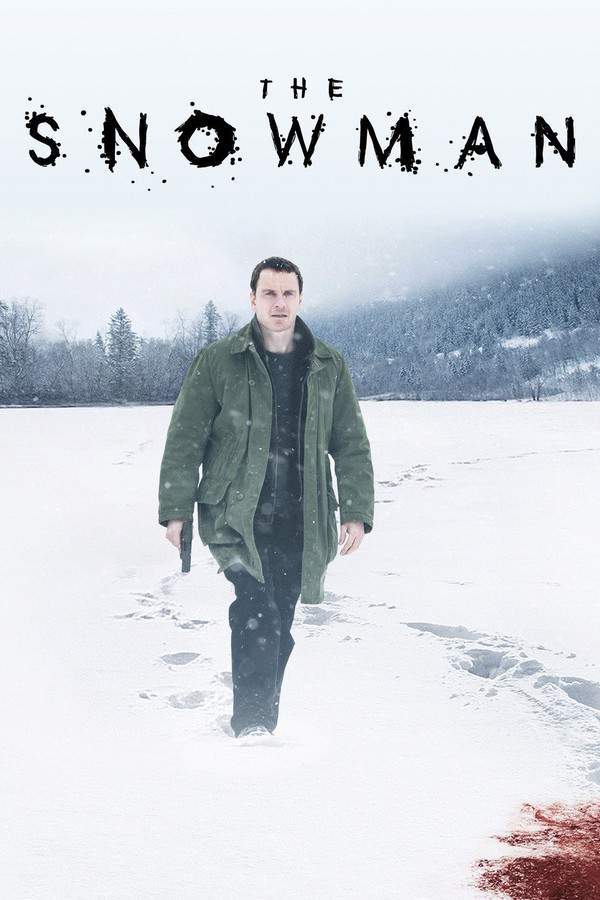
The Snowman's ending reveals that the killer is actually Mathias, a renowned surgeon who uses his professional reputation to hide his dark activities. Throughout the film, Harry and Katrine suspect many people, including Arve Støp and Vetelsen, but it is ultimately Mathias who is behind the murders. The story shows that Mathias's motives stem from childhood trauma and resentment; he is the young boy from the opening scene, witnessing his mother die after her car crashes through the ice. Mathias believes his mother didn't love him, thinking she chose to die rather than face him, but Harry ultimately reveals to him that his father was the one who abandoned him, not his mother. This revelation fuels Mathias’s anger, which he channels into murdering women in situations where they are vulnerable, often related to themes of motherhood and reproductive rights.
What makes the ending particularly poignant is the connection between Mathias and Harry. Mathias, who has been dating Rakel—Harry's ex—remains a prominent figure in her life, especially as a father figure to her son, Oleg. Harry is shocked to realize that Mathias is the killer, knowing him as someone close to Rakel and her family. In the final scenes, Katrine attempts to gather evidence by confronting Støp, but she is captured and murdered by Mathias. Her body is found with a snowman drawn on her car roof, and a severed finger is left nailed to Mathias's door—an ominous clue pointing to her fate.
The film’s deeper message emphasizes how unaddressed childhood trauma and lingering resentment can lead to destructive consequences. Mathias’s anger was rooted in his tragic past and unresolved feelings about his mother’s death and his father’s abandonment. In the end, Mathias’s obsession with this pain causes him to fall through the ice and drown in the same frozen lake where his mother died, symbolizing how unresolved bitterness can lead to one’s downfall. The ending underscores that trauma left unchecked can twist a person’s mind and actions, turning pain into destruction, and reminds viewers of the importance of healing and confronting one’s past before it consumes them. The film’s director acknowledges the complex nature of the story and how production issues led to some confusion, but the core message remains about the dangerous cycle of trauma and resentment that can have fatal consequences.