Plot Explained Spoilers guaranteed!
Plot Explained

Browse by genre

The Second Woman (1950) movie poster

Plot Summary

The Second Woman (1950) Plot Summary Explained

Release, runtime and language
1950 · 91 mins · English
Directed by
James V. Kern
Starring
Steven Geray, Florence Bates, Henry O'Neill, Robert Young, Morris Carnovsky, Betsy Drake

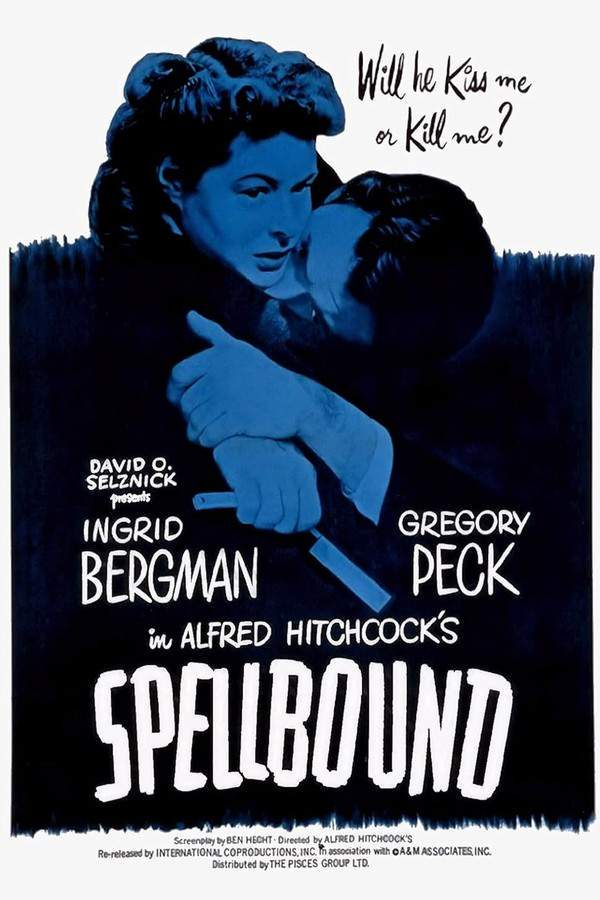
Since SPELLBOUND few films have matched its tension. It opens with a Rebecca‑style flashback: Ellen Foster, staying with her aunt on the California coast, meets neighbor Jeff Cohalan, whose clifftop home is plagued by accidents, minor and serious. Drawn to him but warned he may be dangerous, Ellen faces paranoia as a dark air closes in.

On this page (5)
  1. 1 What happens: full plot
  2. 2 Plot questions answered
  3. 3 Movie threads
  4. 4 Movies like The Second Woman
  5. 5 Every angle

Full plot summary · contains spoilers

What Happens in The Second Woman: Full Plot Summary

The whole story of The Second Woman (1950) explained, from the opening scene to the final frame: every key event, every twist and what it all adds up to. Read it as a quick recap before the sequel, to check a scene you missed, or to finally understand what really happened.

Jeff Cohalan, Robert Young, a successful architect, is tormented by the death of his fiancée Vivian Sheppard, Shirley Ballard, on the night before their wedding. He blames himself and withdraws into the state-of-the-art cliff-top home he designed for his bride-to-be, a residence that stands as both sanctuary and symbol of his loss.

Since that night, misfortune seems to shadow him: his horse turns up horribly injured and must be put down; his dog is poisoned and dies; a creeping sense of fate or curse settles in. Then his modernist house burns to the ground in a definite case of arson. Cohalan moves in with Ellen Foster, Betsy Drake, and her Aunt Amelia Foster, Florence Bates.

Cohalan is attracted to Ellen Foster from the moment they meet. The feeling is mutual. As she learns about Jeff's past, she begins to suspect that he may be much more in danger than he himself realizes.

It turns out that his partner in architecture, Ben Sheppard, Morris Carnovsky, is trying to destroy him. Ben, Vivian's father, holds Jeff responsible for her death. In fact, the driver of the car was Keith Ferris, John Sutton, a married man with whom Vivian was having an affair. Vivian's mother, Sheppard's wife, had run away from him.

When confronted with the truth about his daughter's car crash, Sheppard has a psychotic event: thinking Ellen is Vivian, and angry about his wife running off, he shoots at Ellen. Jeff is hit protecting her, but both survive.

When Ferris says that their boss is nutty as a squirrel, Cohalan knocks him down and orders him to either leave town or be turned in to the authorities.

> "nuttier than a squirrel"

Cohalan and Ellen then resume their romance, free from fear.

Last updated: February 24, 2026 at 09:57

Was this helpful?

Plot questions answered

The Second Woman Plot Explained: Your Questions Answered

The questions people ask most about The Second Woman (1950): what happens in the confusing scenes, why the characters do what they do, the twists, hidden details and what the ending means. Each answer contains spoilers.

Q1

Why does Jeff blame himself for Vivian's death?

Jeff Cohalan believes he is responsible for Vivian Sheppard's death on the night before their wedding, even though he was not driving the car. His guilt stems from the fact that Vivian was on her way to meet him at his cliff-top home when the accident occurred. The truth later emerges that Keith Ferris was actually driving, and Vivian was having an affair with the married man, but Jeff's self-blame persists throughout the film as he retreats into isolation.

Foreshadowing: Early scenes establish Jeff's deep guilt through his withdrawal and the symbolic abandoned home he designed for his bride-to-be.

  • jeff cohalan
  • vivian sheppard
  • guilt
  • car crash
  • blame
Q2

Who is behind the attacks on Jeff Cohalan?

Ben Sheppard, Jeff's architectural partner and Vivian's father, is orchestrating the campaign against Jeff. He is responsible for injuring Jeff's horse, poisoning his dog, and setting fire to the cliff-top house. Ben blames Jeff for his daughter's death and wants revenge, using these malicious acts to torment the man he holds responsible.

Foreshadowing: The run of misfortunes begins shortly after Vivian's death, establishing a pattern of targeted attacks.

  • ben sheppard
  • villain
  • attacks
  • revenge
  • architect partner
Q3

Why does Ben Sheppard want revenge against Jeff?

Ben Sheppard holds Jeff responsible for his daughter Vivian's death. As Vivian's father, Ben never accepted that the accident was not Jeff's fault. His grief transformed into obsession and eventually murder, planning to destroy Jeff both emotionally and physically. However, the truth is that Keith Ferris was the driver, and Vivian was traveling to meet her married lover, not Jeff.

Foreshadowing: Ben's hostility toward Jeff is present from the beginning, though his true motives remain hidden until the revelation.

  • ben sheppard
  • vivian father
  • revenge
  • grief
  • blame
Q4

What really happened the night Vivian died?

On the night before her wedding to Jeff, Vivian Sheppard was driving to meet Jeff at his cliff-top home when she was killed in a car crash. The driver was Keith Ferris, a married man with whom Vivian was having an affair. Jeff was not in the car and was not responsible for the accident, though he has lived with that false guilt throughout the film.

Foreshadowing: The mystery of Vivian's death and who was driving is central to the plot's investigation.

  • vivian sheppard
  • car crash
  • keith ferris
  • affair
  • truth
Q5

Who was driving the car when Vivian died?

Keith Ferris was driving the car that killed Vivian Sheppard. He was a married man having an affair with Vivian, which is why she was on the road that night rather than with Jeff. The truth about Ferris being the driver emerges during the investigation, revealing that Jeff's guilt was misplaced.

Foreshadowing: Keith Ferris is introduced as a character early in the narrative, preparing viewers for this revelation.

  • keith ferris
  • driver
  • car accident
  • married lover
Q6

Why were Jeff's horse and dog harmed?

Jeff's horse was found horribly injured and had to be put down, and his dog was poisoned and died. These were deliberate acts of sabotage orchestrated by Ben Sheppard as part of his campaign to torment Jeff. The attacks were meant to escalate Jeff's psychological torment and make him believe he was cursed or targeted by fate.

Foreshadowing: The misfortunes begin immediately after Vivian's death, establishing a pattern of escalating恶意 acts.

  • horse
  • dog
  • poisoned
  • sabotage
  • ben sheppard
Q7

Why does Ben Sheppard shoot at Ellen?

During the confrontation, Ben Sheppard experiences a psychotic break when confronted with the truth about his daughter's death. In his delusional state, he mistakes Ellen Foster for Vivian, conflating his anger at his daughter's death with his anger about his wife running away from him. He opens fire on Ellen, believing she is Vivian betraying him again.

Foreshadowing: Ben's psychological instability is hinted at through his obsessive behavior and single-minded pursuit of revenge.

  • ben sheppard
  • psychotic break
  • shooting
  • ellen
  • mistaken identity
Q8

Does Jeff survive being shot?

Yes, Jeff survives being shot. He takes a bullet while protecting Ellen from Ben Sheppard's attack. Both Jeff and Ellen survive the confrontation, and the film ends with them resuming their romance and planning a future together.

Foreshadowing: The shooting occurs at the climax, serving as the final confrontation that resolves the central conflict.

  • jeff cohalan
  • shot
  • survives
  • shooting
  • protection
Q9

How does The Second Woman end?

The film ends with Jeff and Ellen safely together after surviving Ben's shooting attack. Jeff confronts Keith Ferris, threatening to turn him in unless he leaves town, removing the last threat. With the danger behind them, Jeff and Ellen resume their romance and commit to building a future together, providing a hopeful resolution to the dark thriller.

Foreshadowing: The final scenes show the couple moving from fear and paranoia into trust and renewed love.

  • ending
  • romance
  • resolution
  • jeff and ellen
  • together
Q10

Why does Jeff move in with Ellen Foster?

Jeff moves in with Ellen and her Aunt Amelia after his cliff-top house is destroyed by arson. The fire leaves him homeless, and Ellen offers him shelter. This proximity is what allows their relationship to develop, as they begin as friends and eventually fall in love as Ellen learns about Jeff's tragic past.

Foreshadowing: The fire serves as the catalyst that brings Jeff and Ellen into close contact.

  • moves in
  • ellen foster
  • aunt amelia
  • fire
  • homeless
Q11

What caused the fire at Jeff's cliff-top house?

Jeff's modernist cliff-top home was destroyed by arson. Ben Sheppard set the fire as part of his systematic campaign to destroy Jeff. The house, which Jeff designed for Vivian and which had become a symbol of his loss and guilt, was burned intentionally to inflict further emotional and material damage.

Foreshadowing: The arson occurs after the earlier attacks on Jeff's animals, showing escalation in Ben's campaign.

  • fire
  • arson
  • cliff-top house
  • ben sheppard
  • destroyed
Q12

What happens to Keith Ferris at the end?

After the truth about Vivian's death is revealed, Jeff confronts Keith Ferris when Ferris mocks the situation. Jeff knocks Ferris down and orders him to either leave town or face authorities. This confrontation removes Ferris as a threat and clears the way for Jeff and Ellen's future together.

Foreshadowing: Ferris appears as a minor antagonist whose true role in Vivian's death is revealed during the investigation.

  • keith ferris
  • confrontation
  • leave town
  • jeff
  • threat

Movie threads

More Movies Like The Second Woman, by Mood & Story

Curated lists built around what makes The Second Woman tick: the same mood, the same kind of story or the same emotional payoff. Each list explains why these movies belong together.

Gaslight Noir Movies Like The Second Woman

Psychological thrillers where reality unravels under a campaign of hidden manipulation. If you enjoyed the psychological torment and gaslighting in The Second Woman, you'll find more movies like it here. This collection features tense, paranoid thrillers where characters are manipulated into questioning their own reality, set against a backdrop of classic noir suspense and mystery.

  • paranoid
  • suspenseful
  • claustrophobic
  • psychological
  • manipulative
  • tense
  • Tone: tense, paranoid, dark
  • Pacing: steady, methodical build
Why these movies?

The story pattern: These stories typically follow a protagonist who becomes the target of a hidden, often intimate, enemy. Through a series of orchestrated 'accidents', lies, and psychological pressure, the victim's perception of reality is systematically undermined. The plot revolves around uncovering the manipulator's identity and motive before the protagonist's mind or life completely fractures.

Why they belong together: Movies in this thread are united by their core focus on psychological manipulation as the primary threat. They share a tense, claustrophobic tone, a steady pacing that builds dread, and a heavy emotional weight centered on themes of trust, sanity, and hidden malice. The visual style often employs classic noir shadows and compositions to enhance the feeling of entrapment.

Coastal Gothic Suspense Films Similar to The Second Woman

Mysteries and thrillers where isolated coastal settings amplify psychological dread and romantic tension. Looking for more movies with the atmospheric, clifftop suspense of The Second Woman? Explore this thread for similar thrillers and dramas where isolated coastal settings heighten the mystery, romance, and psychological tension, creating a haunting and immersive vibe.

  • atmospheric
  • melancholic
  • suspenseful
  • isolated
  • romantic
  • gothic
  • Tone: melancholic, suspenseful, romantic
  • Pacing: steady, atmospheric
Why these movies?

The story pattern: Narratives in this thread often involve an outsider arriving at a remote coastal location, only to become entangled in local secrets, a haunting past, or a present danger. The setting itself—with its fog, crashing waves, and imposing cliffs—contributes to a sense of inescapability and amplifies themes of isolation, hidden trauma, and fragile new relationships tested by external threats.

Why they belong together: These films are grouped by their powerful, evocative use of coastal geography to craft mood and narrative. They share a melancholic, suspenseful, and often romantic tone, with a steady pacing that allows the atmosphere to seep in. The emotional weight is typically medium to heavy, driven by personal drama unfolding against an epic, unforgiving natural backdrop.

If you liked this

Movies Like The Second Woman

Similar movies to The Second Woman: the same genre, themes or kind of story. Each one comes with its own plot summary, timeline and ending explained.

Browse all movie summaries

Every angle

The Second Woman (1950) Explained: Plot, Timeline & Characters

Everything about The Second Woman in one place: what happens in the plot summary, the timeline in chronological order, the characters and meaning and a spoiler-free summary. What's After the Movie adds the cast, box office and post-credit scenes.

Coming soon on iOS and Android

The Plot Explained Movie Summary App

Plot summaries, endings explained and timelines on your phone. Catch up on any movie in minutes, save your favorites and never miss a twist again.

Be the first to know when we launch. Your email stays private, always.

Learn more about the app