







Plot Explained Spoilers guaranteed!
Plot Explained

Browse by genre

The Sea Wolf (1941) movie poster

Timeline

The Sea Wolf (1941) Timeline Explained – Every Event in Order

Release, runtime and language
1941 · 100 min · Unknown language
Directed by
Michael Curtiz
Starring
John Garfield, Alexander Knox, Barry Fitzgerald, Edward G. Robinson, Howard Da Silva, Ida Lupino

A mercenary is caught up in a dangerous struggle aboard a ship traversing the high seas. He becomes entangled in a bitter conflict between two clever twin sisters who are fiercely competing to find a legendary treasure. The sisters' rivalry escalates into a deadly game, testing the mercenary's skills and forcing him to navigate a perilous situation with no clear path to safety.

On this page (7)
  1. 1 Where to watch
  2. 2 Events in order (12)
  3. 3 Timeline questions answered
  4. 4 The book behind the movie
  5. 5 Movie threads
  6. 6 Movies like The Sea Wolf
  7. 7 Every angle

Where to watch

Where to Watch The Sea Wolf (1941)

Where can you watch The Sea Wolf? Stream, rent or buy it in the US, including on Artiflix, Tubi TV and Amazon Video: current JustWatch availability with up-to-date prices.

Streaming availability powered by JustWatch

12 events in order · contains spoilers

The Sea Wolf Timeline: Events in Chronological Order

Every key event of The Sea Wolf (1941) in order, scene by scene, with when and where it takes place. Use it to untangle flashbacks, time jumps and parallel storylines, to refresh your memory before the sequel or to find the exact scene you are thinking of.

  1. Ghost rescues Van Weyden and Webster after ferry sinks

    Humphrey Van Weyden and Ruth Webster survive the ferry collision and are plucked from the water by the Ghost. The rescue marks the beginning of a brutal, power-driven world under Wolf Larsen. The rescued pair must quickly adapt to life at sea and the ship's harsh discipline.

    Where
    Open sea
  2. Larsen asserts control; Van Weyden forced to work in the galley

    Larsen refuses to return to port and orders Van Weyden to work in the kitchen, supervised by Cooky. The arrangement traps Van Weyden in close proximity to the captain, setting the tone for the psychological games to come. The crew follows Larsen's will, and Van Weyden loses his former identity aboard the Ghost.

    Where
    Ghost ship, galley
  3. Cabin discussions reveal Nietzschean creed

    Larsen spends time with Van Weyden alone in his cabin, where they discuss philosophy and the nature of humanity. Larsen argues that man is essentially an amoral animal and that morality is a human construct on board the ship. He predicts Van Weyden's character will change as he adjusts to life among the lawless crew.

    Where
    Larsen's cabin
  4. Transfusion crisis and political fallout

    Prescott asserts Ruth needs a transfusion and Larsen arranges for Leach to donate, regardless of compatibility testing. The transfusion succeeds and Ruth recovers, increasing her reliance on Leach for protection. In retaliation for the humiliation, Prescott reveals that Larsen is hunted by his brother Death, which drives Prescott to commit suicide.

    Where
    Ghost ship, medical area
  5. Mutiny forms; Leach and crew ambush Larsen

    Fear of being hunted drives Leach to lead a mutiny against Larsen. They ambush Larsen and his first mate and throw them overboard in an attempt to seize control. Larsen clings to a rope, climbs back aboard, and quickly asserts his authority, foiling the mutiny.

    Where
    Ghost deck
  6. Cooky punished; shark attack

    Larsen exposes informant Cooky, who is dropped into the water as punishment. Cooky clings to a rope as a shark bites off one of his legs, and the crew drags him back aboard, saving his life. The incident demonstrates Larsen's capricious use of fear to control the crew.

    Where
    Ghost deck
  7. Escape in a dory; vinegar in water supply

    Leach, Webster, Van Weyden, and Johnson escape in a dory and discover that the Ghost has replaced their water with vinegar. The group debates survival and the need to ration water. Johnson sacrifices himself by going overboard to conserve their remaining water.

    Where
    On the dory/sea
  8. Larsen's illness exposed; ship attacked and sinks

    Larsen suffers severe headaches and temporary blindness, which he hides from the crew. When his brother Death's pursuit culminates in cannon fire, the Ghost sinks and the crew must take to lifeboats. Larsen's debility becomes apparent as the ship disappears into a fog bank.

    Where
    Ghost ship at sea; fog
  9. Deserted Ghost; Leach is trapped

    Van Weyden, Leach, and Webster reboard the Ghost after spotting it in the fog, only to find it seemingly deserted. Leach goes below for provisions and is ambushed by Larsen, who locks him in a storage compartment. Van Weyden attempts to intervene as the captain tightens his trap.

    Where
    Ghost ship interior
  10. Van Weyden is shot; key exchange and philosophy questioned

    Van Weyden is fatally shot by Larsen during a struggle over the key to Webster's safety. He hides the wound from Larsen and tricks him into handing over the key by promising to stay with him to the bitter end. This act unsettles Larsen, forcing him to confront the possibility that his philosophy may fail in the face of mortality.

    Where
    Ghost ship interior
  11. Webster and Leach escape toward island

    With Van Weyden's sacrifice, Leach and Webster escape in the dory and head toward a nearby island. They navigate danger at sea, relying on Leach's protection and Webster's survival instinct. The escape marks a turning point away from Larsen's dominion.

    Where
    Sea toward island
  12. Larsen's fate unresolved as ship sinks

    As Leach and Webster set a course for land, Larsen remains aboard the doomed Ghost, intent on going down with it and taking as many others as he can. The story ends with the ship dissolving into the fog and the survivors steering toward safety, leaving Larsen’s ultimate fate open to interpretation.

    Where
    Ghost ship sinking

Last updated: October 09, 2025 at 15:36

Was this helpful?

Timeline questions answered

The Sea Wolf Timeline Explained: Your Questions Answered

When does it happen, and why in that order? The questions people ask about the chronology of The Sea Wolf (1941): time jumps, flashbacks, cause and effect between scenes and the correct order of events, each answered with spoilers.

Q1

Why does Captain Larsen refuse to return to port and keep the Ghost at sea?

Larsen is a nihilistic captain who takes pleasure in asserting absolute power over his crew. He deliberately keeps the ship away from civilization to maintain control and prove his philosophical belief that without societal constraints, man reverts to a brutal, amoral state. Returning to port would restore the moral order he despises and end his dominion over the men.

Foreshadowing: Early in the film, Larsen's cabin conversations with Van Weyden establish his contempt for civilization and his desire to test whether morality survives without social constraints.

  • captain larsen
  • ghost ship
  • sea
  • port
  • control
  • nihilism
Q2

Why does Larsen assign Van Weyden to work in the galley instead of as a sailor?

Larsen intentionally places Van Weyden in the galley under Cooky's supervision to trap him in close quarters with the captain's harsh worldview. This forces the intellectual writer to experience manual labor and depravity firsthand, allowing Larsen to test his theory that Van Weyden's civilized morality will crumble under sea conditions. It also keeps the newcomer isolated from potential allies among the crew.

Foreshadowing: Larsen's prediction in their first cabin conversation, that Van Weyden will reshape himself to sea life, sets up this deliberate positioning.

  • van weyden
  • galley
  • cooky
  • larsen
  • labor
  • control
Q3

What is Captain Larsen's philosophical belief about morality and humanity?

Larsen preaches a Nietzschean creed that man is fundamentally an amoral animal and that societal moral codes are merely surface veneers that collapse under pressure. He believes personal gain and survival of the fittest are the only true laws, and he uses the isolated ship as proof that without civilization's constraints, humans revert to selfish brutality. This philosophy drives every cruel action he takes.

Foreshadowing: The cabin discussions early in the film establish Larsen's philosophy before its consequences unfold through mutiny and violence.

  • larsen
  • philosophy
  • morality
  • nihilism
  • nietzsche
  • power
Q4

Why does the blood transfusion work between Leach and Ruth despite no compatibility testing?

The film portrays the transfusion as successful through dramatic necessity rather than medical realism. Larsen 'volunteers' Leach without any way to verify blood type, and the procedure succeeds, allowing Ruth to recover and strengthen her bond with Leach. This success creates tension as Ruth becomes more dependent on Leach for protection, triggering Larsen's sense of threat.

Foreshadowing: Prescott's urgent insistence on the transfusion and Larsen's casual willingness to risk Leach's life hint at the captain's view of people as expendable tools.

  • transfusion
  • leach
  • ruth
  • prescott
  • blood
  • survival
Q5

Why does Dr. Prescott commit suicide after revealing that Larsen has a brother named Death?

Prescott reveals that Larsen is being hunted by his own brother, Captain Death, as retaliation for humiliating the doctor earlier. Driven to despair by Larsen's cruelty and now aware that the ship faces pursuit from a dangerous adversary, Prescott sees no escape from the deteriorating situation. The revelation about Death becomes the final psychological break that leads him to take his own life.

Foreshadowing: Prescott's humiliation at Larsen's hands earlier in the film plants the seeds of his eventual breakdown when he learns about Death.

  • prescott
  • suicide
  • death
  • larsen
  • brother
  • despair
Q6

Why does the mutiny against Larsen fail and how does he regain power?

Leach leads the crew in ambushing Larsen and the first mate, throwing them overboard in an attempt to seize control of the ship. However, Larsen's extraordinary physical strength and cunning allow him to cling to a trailing rope and climb back aboard. Once back on deck, he quickly asserts dominance and crushes the insurrection, demonstrating that brute force and psychological terror can override collective rebellion.

Foreshadowing: Larsen's earlier assertion that morality is a weak veneer and his ruthless punishments establish his capability to crush any opposition.

  • mutiny
  • larsen
  • leach
  • crew
  • control
  • rebellion
Q7

Why does Larsen punish Cooky by dropping him to the shark and what happens?

Larsen exposes Cooky as an informant who betrayed the mutiny plans to the captain. As punishment, Larsen has Cooky lowered into the water where a shark bites off one of his legs. The crew manages to drag him back aboard and save his life, but the brutal act demonstrates Larsen's willingness to blur the line between discipline and sadistic cruelty, using fear as his primary tool of control.

Foreshadowing: Cooky's earlier role as Van Weyden's supervisor in the galley establishes his position, making his betrayal and punishment more impactful.

  • cooky
  • shark
  • punishment
  • betrayal
  • larsen
  • legs
Q8

Why is the water supply replaced with vinegar on the escape dory?

Larsen deliberately sabotages the escapees by replacing their water supply with vinegar, ensuring they face desperate survival conditions at sea. This act reflects his philosophy that he must destroy anyone who attempts to leave his control. The vinegar forces the group to ration desperately and ultimately leads to Johnson's sacrifice when water runs dangerously low.

Foreshadowing: Larsen's earlier statement that no one escapes his dominion foreshadows his malicious sabotage of their supplies.

  • vinegar
  • water
  • dory
  • survival
  • larsen
  • sabotage
Q9

Why does Johnson sacrifice himself by going overboard during the escape?

With water running critically low and the group barely surviving, Johnson makes the selfless decision to go overboard into the shark-infested sea to conserve the remaining water for Leach, Ruth, and Van Weyden. His sacrifice ensures they have enough resources to potentially reach safety, demonstrating courage and selflessness in contrast to Larsen's brutal philosophy.

Foreshadowing: The discovery of vinegar in their supply and the desperate rationing discussions establish the life-or-death stakes that drive Johnson's decision.

  • johnson
  • sacrifice
  • water
  • survival
  • death
  • escape
Q10

What is Captain Larsen's secret illness and why does he hide it from the crew?

Larsen suffers from severe headaches and temporary blindness, which he carefully conceals from his crew. This illness represents his physical deterioration and undermines the image of invincibility he cultivates. Hiding his weakness is crucial because his dominance depends on projecting absolute strength and control; showing vulnerability would encourage the mutinous crew to rise against him.

Foreshadowing: Earlier displays of Larsen's physical prowess make his secret illness a surprising reversal that undermines his authority.

  • larsen
  • illness
  • headaches
  • blindness
  • weakness
  • crew
Q11

Why does Van Weyden hide his fatal wound from Larsen after being shot?

After being shot during the struggle over the key, Van Weyden realizes he is dying and chooses to hide his wound from Larsen. He cleverly uses the situation to trick Larsen into handing Ruth the key by promising to stay with the captain to the end. This act of sacrifice allows Ruth and Leach to escape while forcing Larsen to confront the possibility that his philosophy fails against genuine selflessness.

Foreshadowing: Van Weyden's earlier philosophical clashes with Larsen about morality have been building toward this moment of proving his beliefs through action.

  • van weyden
  • wound
  • larsen
  • key
  • sacrifice
  • dying
Q12

How does Van Weyden's trick with the key allow Ruth and Leach to escape?

Van Weyden promises Larsen that he will stay and die with him, a promise that temporarily unsettles the captain's nihilistic worldview. This psychological manipulation causes Larsen to hand over the key to Ruth's compartment, believing Van Weyden's loyalty is genuine. Once freed, Ruth and Leach escape in the dory while Larsen is distracted, leaving the captain alone with his dying prisoner.

Foreshadowing: The entire film builds toward this confrontation between Larsen's philosophy and Van Weyden's moral conviction.

  • key
  • escape
  • van weyden
  • ruth
  • larsen
  • trick
Q13

What happens to Captain Larsen at the end of the film?

Larsen remains aboard the sinking Ghost, intent on going down with his ship and taking as many with him as possible. When Leach and Ruth escape in the dory, the Ghost drifts into the fog, taking Larsen with it. His ultimate fate, whether he dies on the sinking ship, perishes in the fog, or survives in some form, remains deliberately unresolved, leaving his philosophical defeat more important than his physical death.

Foreshadowing: Larsen's earlier declaration that he will destroy anyone who tries to escape, combined with his worsening illness, sets up his fate as a man who cannot exist without his ship and power.

  • larsen
  • ghost ship
  • fog
  • sinking
  • death
  • fate

Movie threads

More Movies Like The Sea Wolf, by Mood & Story

Curated lists built around what makes The Sea Wolf tick: the same mood, the same kind of story or the same emotional payoff. Each list explains why these movies belong together.

Brutal shipboard tyranny movies like The Sea Wolf

Stories of survival against sadistic authority figures in claustrophobic settings. If you liked the oppressive atmosphere and cruel captain in The Sea Wolf, explore more movies about tyrannical rule in confined spaces. These dramas and adventures feature psychological torment, desperate survival, and moral conflict against sadistic authority figures.

  • oppressive
  • claustrophobic
  • brutal
  • tense
  • desperate
  • philosophical
  • Tone: dark, oppressive, tense
  • Pacing: variable, with tense dialogue and violent bursts
Why these movies?

The story pattern: These narratives often follow a group or individual pitted against an unchecked, intelligent, and sadistic ruler. The plot unfolds as a test of endurance, with characters facing moral dilemmas and philosophical debates while navigating the constant threat of violence. Escaping the physical and psychological prison is the central goal.

Why they belong together: Movies in this thread share a high-intensity, dark tone and a heavy emotional weight. They are united by their exploration of power dynamics, survival under tyranny, and the psychological toll of confinement, creating a consistently tense and grim viewing experience.
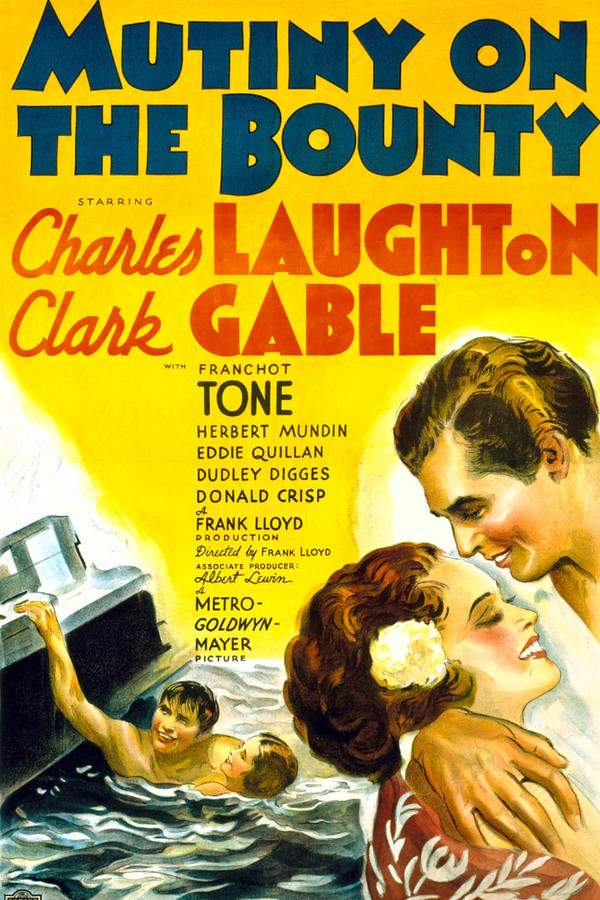
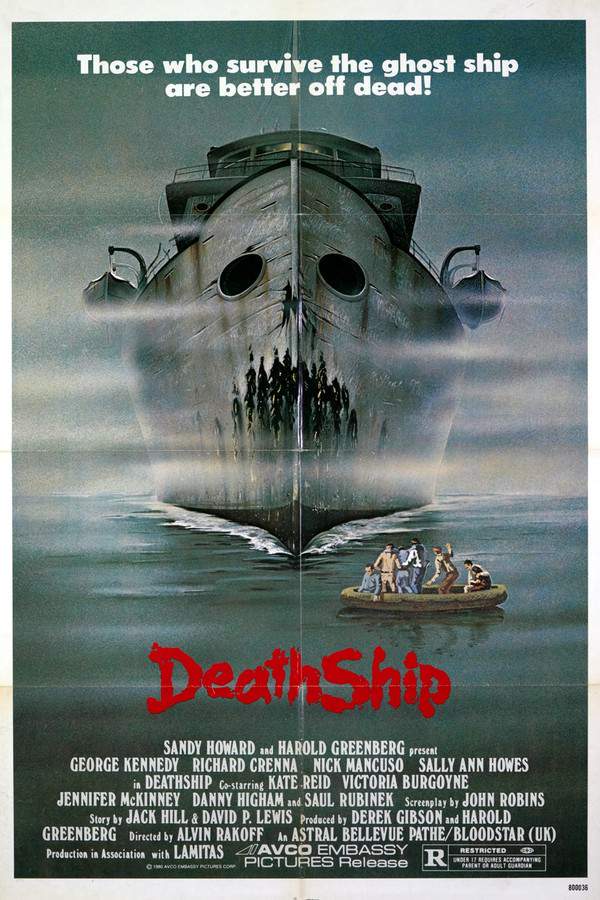
Grim philosophical journeys like The Sea Wolf

Characters endure profound suffering, emerging scarred but alive into a bleak world. For viewers who appreciated the heavy emotional weight and existential themes of The Sea Wolf, this collection features movies with bleak worldviews, profound moral conflicts, and bittersweet resolutions. These films offer a challenging but compelling look at resilience in the face of darkness.

  • grim
  • philosophical
  • existential
  • desperate
  • heavy
  • bittersweet
  • Tone: dark, philosophical, bittersweet
  • Pacing: variable, contemplative with high-tension peaks
Why these movies?

The story pattern: The narrative arc involves a descent into a brutal situation that forces characters to confront fundamental questions about life and morality. The conflict is as much internal as external. The ending provides a form of escape or survival, but it is tempered by significant loss, trauma, or a shaken worldview, resulting in a feeling of grim resilience.

Why they belong together: These films are grouped by their shared dark tone, heavy emotional weight, and bittersweet or bleak conclusions. They prioritize philosophical depth and character endurance over straightforward heroic narratives, creating a consistent vibe of thoughtful despair and hard-earned survival.

If you liked this

Movies Like The Sea Wolf

Similar movies to The Sea Wolf: the same genre, themes or kind of story. Each one comes with its own plot summary, timeline and ending explained.

Browse all movie summaries

Every angle

The Sea Wolf (1941) Explained: Plot, Timeline & Characters

Everything about The Sea Wolf in one place: what happens in the plot summary, the timeline in chronological order, the characters and meaning and a spoiler-free summary. What's After the Movie adds the cast, box office and post-credit scenes.

Coming soon on iOS and Android

The Plot Explained Movie Summary App

Plot summaries, endings explained and timelines on your phone. Catch up on any movie in minutes, save your favorites and never miss a twist again.

Be the first to know when we launch. Your email stays private, always.

Learn more about the app