
The Pumpkin Karver

Every face is a work of art. After Jonathan mistakenly thinks a stranger is a masked killer, he fatally stabs his sister’s boyfriend on Halloween. Exactly one year later, the siblings are stalked by a very familiar masked murderer, forcing them to battle the perpetrator and fight for their lives.
Where to Watch The Pumpkin Karver?
Find where to stream, rent, or buy The Pumpkin Karver (2006) in the US with current JustWatch availability, up-to-date pricing, and platform listings for subscription, rental, and digital purchase options.









Warning: spoilers below!
Haven’t seen The Pumpkin Karver yet? This summary contains major spoilers. Bookmark the page, watch the movie, and come back for the full breakdown. If you're ready, scroll on and relive the story!
The Pumpkin Karver (2006) – Full Plot Summary & Ending Explained
Read the complete plot breakdown of The Pumpkin Karver (2006), including all key story events, major twists, and the ending explained in detail. Discover what really happened, and what it all means.
Jonathan [Michael Zara] and his sister Lynn [Amy Weber] move to a new town to start a fresh life after Jonathan killed his sister’s boyfriend Alec [David J. Wright] in a prank that spiraled into something horrific. The weight of that act haunts every step they take, but they hope a Halloween season away from old memories will offer a chance to rebuild. The move, the silence that follows, and the anticipation of a party set a grim tone as they arrive in a town thick with autumn air and the lingering echo of that night.
At the Halloween gathering, they find themselves caught in a crowded orbit of partygoers who seem to wear smiles as thin as the cobwebs draped across every doorway. Tammy [Minka Kelly], Spinner [Alex Weed], and Tammy’s ex Lance [David Austin] anchor a noisy, combustible crowd, while Lance’s friend Rachel [Charity Shea] moves through the room with a confident, almost perilous charm. Nearby, Lance’s other friend Brian mingles with a group of dancers and drinkers, and two close friends—Yolanda [Mistie Adams] and Viki [Briana Gerber]—hold their own little corner of the party, trading stories and guarded laughter. An old carver, Ben Wickets [Terrence Evans], observes the scene with a knowing, almost tired eye, as if he’s seen this sort of night play out too many times before. Together, these figures sketch a tapestry of desire, bravado, fear, and brittle humor that will soon fracture under a looming terror.
Across the glow of string lights and the pulse of late-night music, Jonathan begins to sense something off, a whisper of Alec that refuses to stay buried. The party’s energy swings between reckless joy and a creeping unease, a reminder that the line between prank and consequence is disturbingly thin. The uneasy feeling he nurses grows as he watches the crowd, half-expecting a reminder of that fateful prank to break through the veneer of normalcy and reveal itself in some indistinct, terrifying way.
In a moment that shifts the night into darker territory, Rachel pairs off with A.J. [Jonathan Conrad] in her van, a fleeting escape from the chaos outside. Their chemistry quickly dissolves into tension, and A.J. leaves after a heated moment, storming off in anger. When Rachel can’t find him, she returns to her van, only to be attacked by a figure who wears Alec’s face in a grotesque, ghostly echo of the past. The assault carves itself into the memory of the night as a sharp, brutal reminder that the party’s merriment has become a trap.
Back in the main house, the violence widens its reach. Brian is pulled into a brutal confrontation by a killer who forces him to walk backward until a fatal impalement ends the horror of the moment. The fear spreads like smoke, curling around the edges of the room and seeping into the corners where, at first, the revelers didn’t even notice the danger.
Yolanda and Viki make a brief, brave attempt to warn Spinner and a friend about the danger outside, but in their intoxicated state they struggle to be believed. The warning arrives too late for many; a shadowy adversary moves through the party with quiet precision, leaving a wake of chaos behind.
The night intensifies as Spinner and his companion are severed from safety: a vicious strike with a scythe silences one, and the other disappears into the confusion, their fate left ambiguous in the dim, flickering light. Jonathan slips away again, slipping deeper into the maze of rooms, trying to keep sight of the truth while the party continues its uneasy, furious rhythm.
Lynn eventually encounters Lance, who attempts to intrude upon her personal space with predatory intent. She escapes his grasp, and in a brutal turn of fate Lance is stabbed to death, the violence mirroring the bookended fury of the night’s earlier shocks. Tammy, pursued by the killer, is trapped in a bear trap and killed in a single, merciless moment, cutting through the party’s bravado with icy finality. The carnage gathers like a storm, and Tammy’s body becomes a grim symbol of the night’s costs.
The remaining survivors, Lynn and Jonathan, finally collide with the truth as they confront Alec, the killer’s grotesque returned presence. Jonathan stabs Alec to death in a brutal echo of the prank’s original action, solving nothing and answering nothing, only intensifying the sense that old wounds have become a new, more dangerous power.
The revelation lands with a dull thud: Alec is Lynn’s dead boyfriend, returned as a vengeful force, and it’s Jonathan’s buried trauma that kept convincing him he was seeing Alec again. The morning after arrives with the police gathering the wounded and the survivors; Jonathan and Lynn prepare to leave the scene, only for a chilling transformation to reveal itself. In a shocking twist, Jonathan shifts into Alec, the dead lover Lynn believed was gone, and Ben’s prior efforts to stop him are reframed as protective anger gone wrong.
The tremor of that final truth settles over the road as the couple moves to depart, and the film closes on a devastating, brutal note: Jonathan, in a final, fatal act, stabs Lynn to death, sealing a night of illusions, revenge, and irrevocable tragedy. The story lingers in your mind with the memory of what was hidden in plain sight—the past coming back not to haunt, but to claim its due, and a future that will never be the same.
Last updated: October 09, 2025 at 16:44
The Pumpkin Karver (2006) Plot Questions Answered – Summary FAQ
Explore frequently asked questions about The Pumpkin Karver (2006) with spoiler-rich answers covering the full plot summary, major story beats, character motivations, hidden details, and ending meaning. This movie summary FAQ helps explain confusing scenes, plot twists, and narrative decisions in clear, searchable detail.
Why does Jonathan think he sees Alec at the Halloween party?
Jonathan mistakenly believes he sees Alec because he suffers from guilt-driven hallucinations. A year earlier, during a prank gone wrong, Jonathan accidentally killed his sister Lynn's boyfriend Alec. The trauma of that night haunts him, causing him to perceive Alec's face in strangers at the party, even though Alec is supposedly dead.
Earlier in the film, Jonathan senses 'a whisper of Alec that refuses to stay buried' while watching the party crowd.
Who is the masked killer and why does he wear Alec's face?
The killer is actually Alec himself, who has returned as a vengeful spirit or entity seeking revenge against Jonathan and Lynn. He wears a mask resembling his own face to terrorize them, using their guilty conscience against them.
The partygoers note strange occurrences, and the killer moves with 'quiet precision' reminiscent of someone with a personal vendetta.
What was the prank that killed Alec?
Jonathan mistakenly thought a stranger in a mask was a killer during a Halloween prank. In panic, he fatally stabbed who he believed was an attacker, but it was actually his sister Lynn's boyfriend Alec in a costume. The tragic misunderstanding stemmed from Jonathan's fear and misidentification.
The opening establishes that Jonathan 'killed his sister's boyfriend Alec in a prank that spiraled into something horrific.'
Why does Jonathan transform into Alec at the end of the movie?
The transformation represents Jonathan's psychological break and the literal manifestation of his guilt. By the film's morning, Jonathan has fully shifted into Alec's form, suggesting his identity has been consumed by the trauma of killing his sister's boyfriend. This transformation is the story's central twist, Jonathan didn't just see Alec's ghost, he became him.
Jonathan'sburied trauma kept 'convincing him he was seeing Alec again,' foreshadowing his complete transformation.
Why does Jonathan kill Lynn at the end of The Pumpkin Karver?
After transforming into Alec, Jonathan murders Lynn in a brutal final act. This represents the completion of the cycle, Jonathan, now embodying the vengeful Alec, kills the girlfriend Alec once had. The ending seals the tragedy where guilt and trauma consume the sibling relationship entirely, offering no redemption or escape.
The narrative emphasizes that 'old wounds have become a new, more dangerous power' and the past returns 'not to haunt, but to claim its due.'
What does the ending of The Pumpkin Karver mean?
The ending represents an irrevocable tragedy where Jonathan's guilt manifests literally, he becomes the very person he killed. The film concludes with no hope or resolution, only the brutal realization that trauma cannot be outrun. Jonathan kills Lynn because the revenge cycle, once begun, consumes everyone involved.
Meta notes describe the ending as 'BLEAK' with 'no hope or resolution' and 'a future that will never be the same.'
Who is Ben Wickets and what role does he play?
Ben Wickets is an old carver at the Halloween party who observes the scene with a 'knowing, almost tired eye.' He appears to understand the danger unfolding, and his attempts to stop the transformation of Jonathan into Alec are later reframed as 'protective anger gone wrong.' He represents a figure who recognizes the supernatural threat but cannot prevent the tragedy.
Ben watches 'as if he's seen this sort of night play out too many times before,' hinting at his awareness of the cycle.
How does Tammy die in the bear trap?
Tammy is pursued by the killer through the house and ultimately ends up caught in a bear trap outside. Her death is instant and merciless, a single violent moment that punctures the party's bravado. This scene demonstrates the killer's methodical cruelty and the futility of escape.
The killer moves through the party with 'quiet precision, leaving a wake of chaos behind.'
Is Alec a ghost or supernatural entity in The Pumpkin Karver?
The film treats Alec's return ambiguously, suggesting either a vengeful spirit or a manifestation of Jonathan's psychological unraveling. Either interpretation works: Alec returns as a literal killer seeking revenge, or Jonathan's guilt has manifested as a killer who looks like Alec. The morning transformation suggests the truth may be supernatural, as Jonathan physically becomes Alec.
The narrative describes Alec as a 'vengeful force' and notes Jonathan's 'buried trauma' that 'kept convincing him he was seeing Alec again.'
What does the title The Pumpkin Karver mean?
The title 'Pumpkin Karver' (a play on 'carver') refers to the Halloween setting and the violent events of the film. A carver typically creates jack-o'-lanterns, but here the title suggests someone who 'carves' people instead. It also connects to Ben Wickets, the old carver at the party, and the Halloween theme of masked terror.
Ben Wickets is introduced as 'an old carver' who watches the party scene with recognition.
Why is Lance killed at the party?
Lance dies after attempting to assault Lynn. When he tries to 'press himself on her with predatory intent,' Lynn escapes his grasp. In the chaos, Lance is stabbed to death, his death mirroring the film's 'bookended fury' and serving as another victim of the violent night, though his demise comes from the killer rather than Lynn's own action.
Lance is characterized as having 'predatory intent' toward Lynn earlier in the party.

Explore Movie Threads
Discover curated groups of movies connected by mood, themes, and story style. Browse collections built around emotion, atmosphere, and narrative focus to easily find films that match what you feel like watching right now.
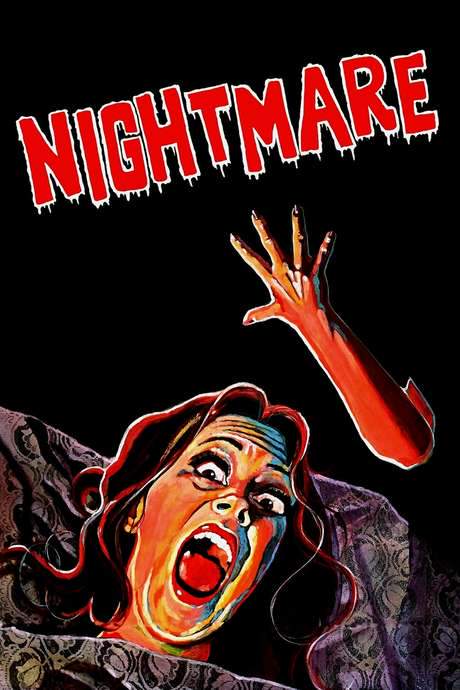
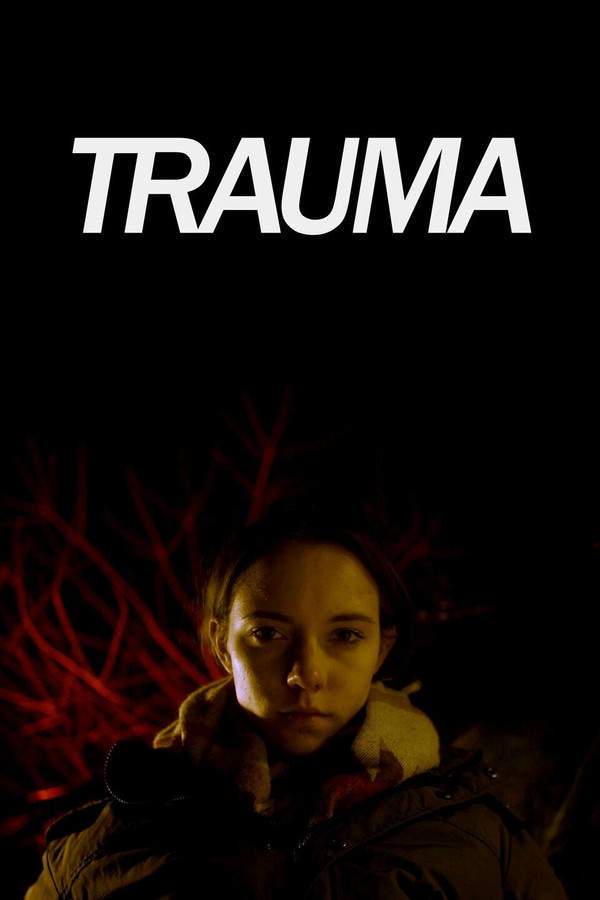
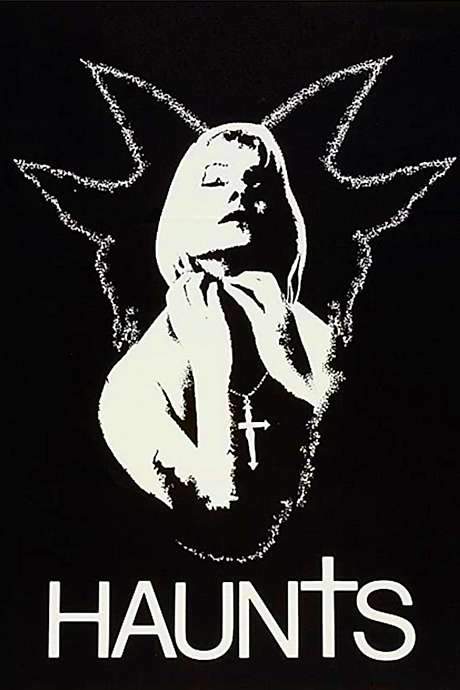
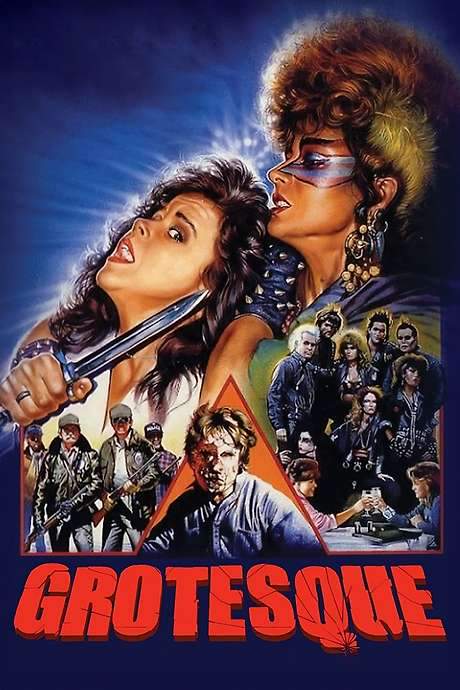
Slasher horrors fueled by guilt like The Pumpkin Karver
Stories where a past sin manifests as a bloody, relentless pursuer.If you liked The Pumpkin Karver, you'll find similar movies here where a character's past trauma and guilt literally stalk them. These stories blend psychological torment with slasher violence, creating a deeply personal and bleak horror experience where the monster is a product of the protagonist's own mind and mistakes.




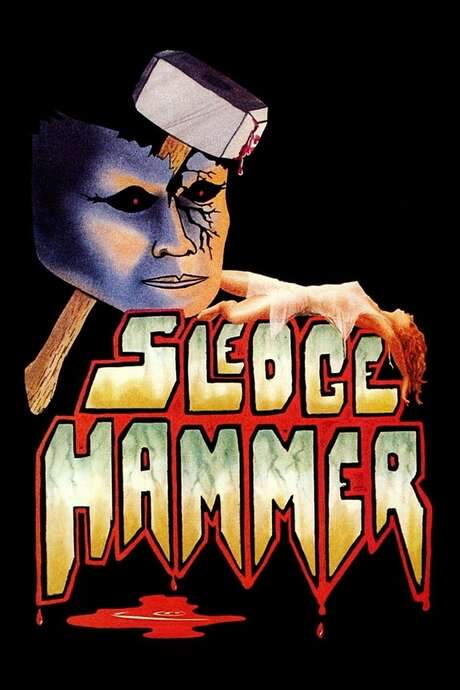


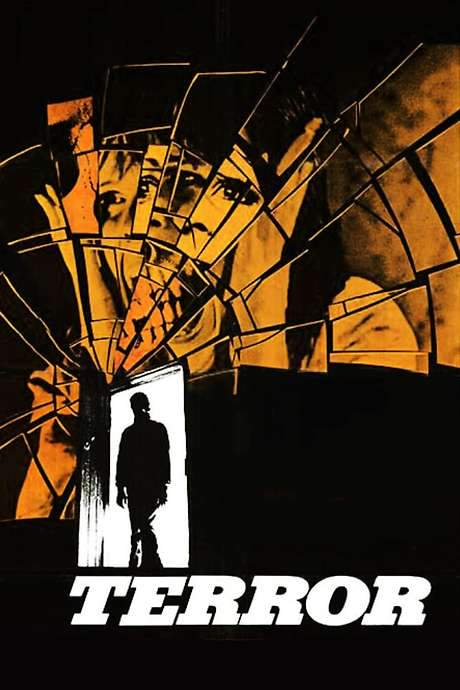


Narrative Summary
The narrative typically begins with a traumatic event that the protagonist represses or is haunted by. On the anniversary or in a similar setting, a masked killer emerges, whose motives and methods are intrinsically linked to the protagonist's unresolved guilt. The story unfolds as a violent confrontation with the past, often revealing the killer's identity is a shocking twist connected to the initial sin.
Why These Movies?
Movies in this thread share a core structure where psychological horror is externalized as a physical slasher threat. The connection between the killer and the protagonist's guilt creates a unique, oppressive atmosphere that differentiates it from random slasher fare, focusing on internal conflict made violently external.
Horror movies with bleak twist endings like The Pumpkin Karver
Horror stories that build to a shocking, soul-crushing revelation.Discover movies similar to The Pumpkin Karver that feature a devastating final twist. These films are for viewers who appreciate a horror story that builds steady dread towards a shocking, bleak conclusion that offers no escape or happy resolution, amplifying the emotional impact.


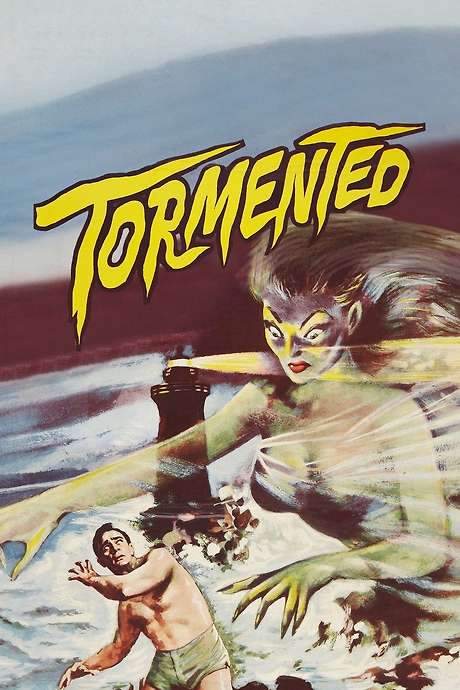


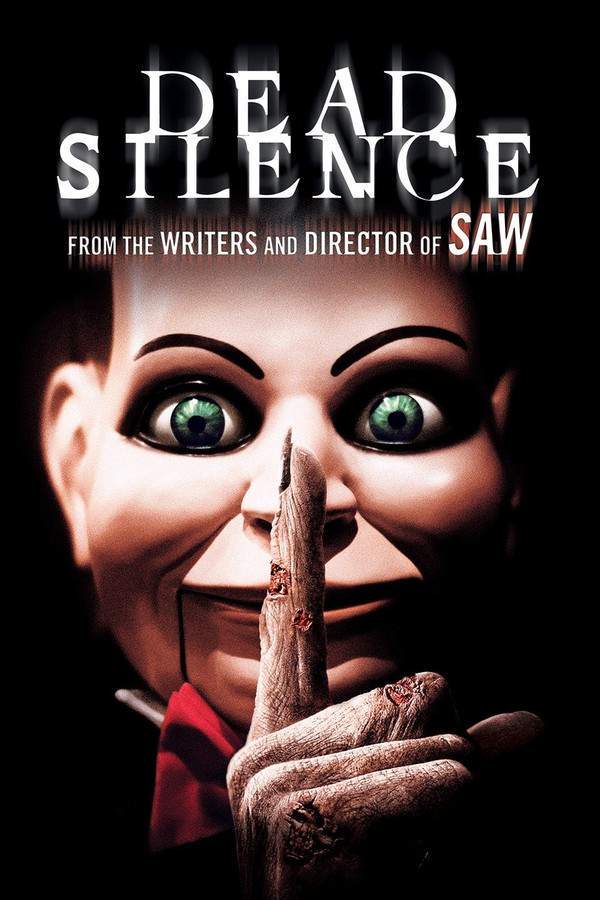
Narrative Summary
The narrative builds suspense and dread in a linear fashion, often following classic horror tropes. The climax, however, subverts expectations with a twist that reveals a deeper, more personal horror—such as the protagonist being the true villain, a trusted figure being the threat, or the entire ordeal being inescapable. The ending feel is unambiguously hopeless.
Why These Movies?
These films are grouped by their shared commitment to a nihilistic conclusion achieved through a clever narrative twist. The experience is defined by the rug-pull moment that transforms the story from a simple scare-fest into a emotionally heavy and intellectually engaging tragedy.
Unlock the Full Story of The Pumpkin Karver
Don't stop at just watching - explore The Pumpkin Karver in full detail. From the complete plot summary and scene-by-scene timeline to character breakdowns, thematic analysis, and a deep dive into the ending - every page helps you truly understand what The Pumpkin Karver is all about. Plus, discover what's next after the movie.
The Pumpkin Karver Timeline
Track the full timeline of The Pumpkin Karver with every major event arranged chronologically. Perfect for decoding non-linear storytelling, flashbacks, or parallel narratives with a clear scene-by-scene breakdown.

Characters, Settings & Themes in The Pumpkin Karver
Discover the characters, locations, and core themes that shape The Pumpkin Karver. Get insights into symbolic elements, setting significance, and deeper narrative meaning - ideal for thematic analysis and movie breakdowns.


