
The Pope of Greenwich Village
Year: 1984
Runtime: 121 mins
Language: English
Director: Stuart Rosenberg
Charlie and his trouble‑making cousin Paulie are two dreamers desperate for a break. They hatch a plan to steal $150,000 to bankroll a racehorse Paulie believes is a sure winner based on insider tips. After the heist, they draw the ire of a powerful local mob boss and face a crooked New York City police force, spiralling into dangerous trouble.
Warning: spoilers below!
Haven’t seen The Pope of Greenwich Village yet? This summary contains major spoilers. Bookmark the page, watch the movie, and come back for the full breakdown. If you're ready, scroll on and relive the story!
The Pope of Greenwich Village (1984) – Full Plot Summary & Ending Explained
Read the complete plot breakdown of The Pope of Greenwich Village (1984), including all key story events, major twists, and the ending explained in detail. Discover what really happened—and what it all means.
In an Italian neighborhood of Greenwich Village, Charlie Moran, Mickey Rourke, a maître d’hôtel with aspirations of someday owning his own restaurant, and Paulie Gibonni, Eric Roberts, a bungling schemer who works as a waiter, live with expensive tastes but not much money. Paulie gets caught skimming checks, and both men are fired. Now out of work and in debt, Charlie must find another way to pay his alimony, support his pregnant girlfriend, Diane, Daryl Hannah, and try to buy a restaurant.
Paulie comes to Charlie with a seemingly foolproof robbery idea involving a large amount of cash in the safe of a local business. Charlie reluctantly agrees to participate, and they manage to recruit Barney, Kenneth McMillan, a clock repairman and locksmith, to help crack the safe. The plan gathers momentum as the trio pulls off the break, but it soon spirals into trouble, drawing in more dangerous players and setting off a chain of consequences that neither Charlie nor Paulie anticipated.
The operation goes sour when a police officer, Walter “Bunky” Ritter, is accidentally killed, and it turns out he had been secretly taping Bed Bug Eddie Grant. Charlie learns that the money they stole belongs to Eddie, a figure entrenched in the local mob world, and the realization pulls the friends deeper into a dangerous game. Eddie’s crew moves quickly, and Paulie finds himself stuck between loyalty to family and the brutal demands of the mob. The consequences are immediate: Eddie’s henchmen cut off Paulie’s left thumb as punishment, underscoring just how quickly missteps can become life-changing losses.
Diane makes a painful decision, leaving Charlie with his money and a future that suddenly looks uncertain, while Paulie is forced to work as a waiter for Eddie. He eventually names Barney to the mob, but at first refuses to identify Charlie as the third man involved. Under mounting pressure, Paulie does reveal the truth, Barney flees town, and Charlie mails him his share of the loot, clinging to a fragile thread of hope. As Charlie finally turns a small profit, making about $20,000 on a horse, the dream of stability flickers back into view.
With a tentative sense of control, Charlie prepares for a final confrontation, armed with a copy of the police tape that could expose Eddie. Yet in a twist of calculated desperation, Paulie adds a last-minute twist—lye in Eddie’s coffee—before both men walk away from Greenwich Village, leaving behind the wreckage of misjudged loyalties and a neighborhood forever haunted by what nearly happened. The film ends on a cautiously resilient note, as Charlie contemplates what it takes to chase a dream in a place where old ties pull just as hard as new ambitions.
Last Updated: October 09, 2025 at 14:48

Explore Movie Threads
Discover curated groups of movies connected by mood, themes, and story style. Browse collections built around emotion, atmosphere, and narrative focus to easily find films that match what you feel like watching right now.
Movies about small-time crime dreams gone wrong like The Pope of Greenwich Village
Ambitious small-timers bite off more than they can chew with the mob.If you liked The Pope of Greenwich Village, explore more films where small-time hustlers and dreamers attempt a big score, only to face dangerous consequences from the mob. These movies capture the desperate ambition and harsh realities of urban crime, often featuring tense heists and misjudged loyalties.
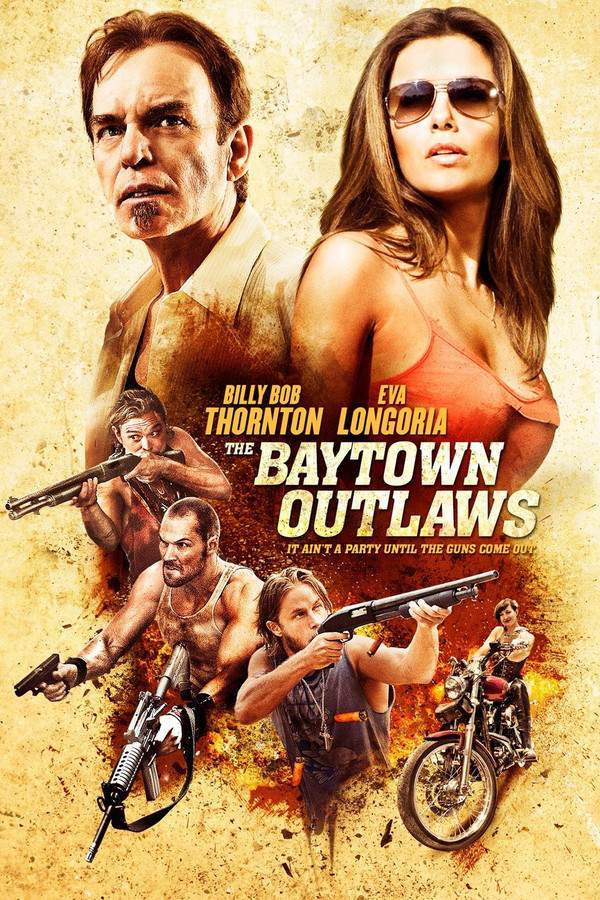
The Baytown Outlaws
2013
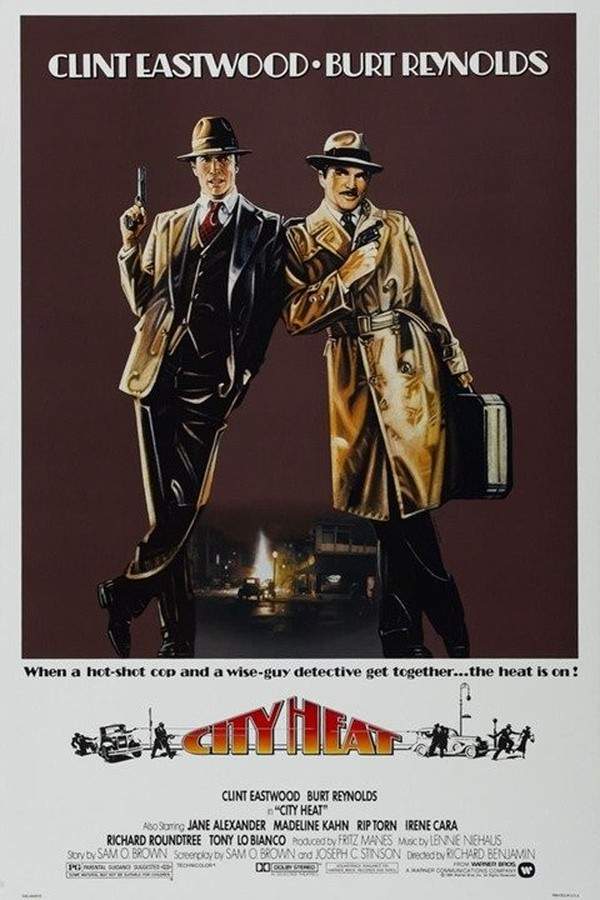
City Heat
1984
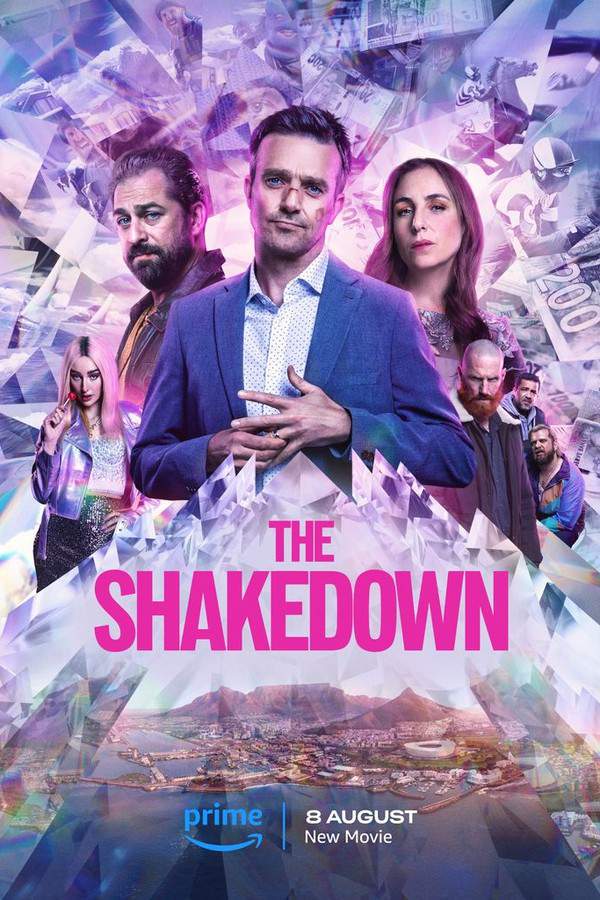
The Shakedown
2024
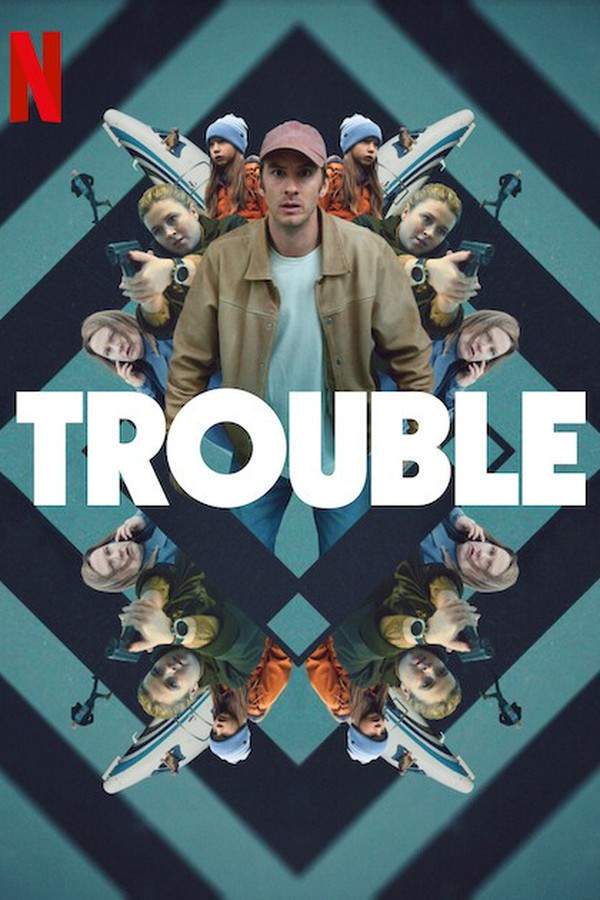
Trouble
2024

The Bad Guys: Reign of Chaos
2019

City in Heat
2007

Crime Spree
2003

Blood and Concrete
1991

Crime Wave
1953

Armored Car Robbery
1950
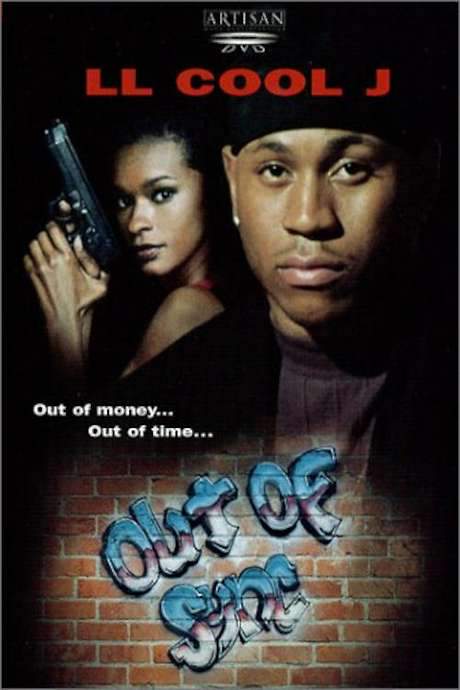
Out-of-Sync
1995

Thick as Thieves
2009

Kansas City Confidential
1952

The Roundup: No Way Out
2023

The Street with No Name
1948
Narrative Summary
The narrative typically begins with a flawed but relatable plan for a quick payoff, driven by desperation or ambition. The central heist or scheme inevitably goes awry, revealing a web of dangerous alliances and brutal retribution. The story then becomes a desperate struggle for survival against overwhelming odds, often resulting in shattered dreams and harsh lessons.
Why These Movies?
These films are grouped by their shared focus on the collision between small-scale ambition and large-scale criminal power. They evoke a specific feeling of anxious desperation, grounded in realistic urban settings, where the consequences of crime are immediate and brutal.
Movies about tense buddy crime partnerships like The Pope of Greenwich Village
A volatile partnership unravels under the pressure of a disastrous plan.Fans of the chaotic dynamic between Charlie and Paulie in The Pope of Greenwich Village will enjoy these films. Discover similar stories of volatile partnerships tested by crime, where loyalties are strained and plans spiral into chaos, capturing a mix of tension and character-driven drama.
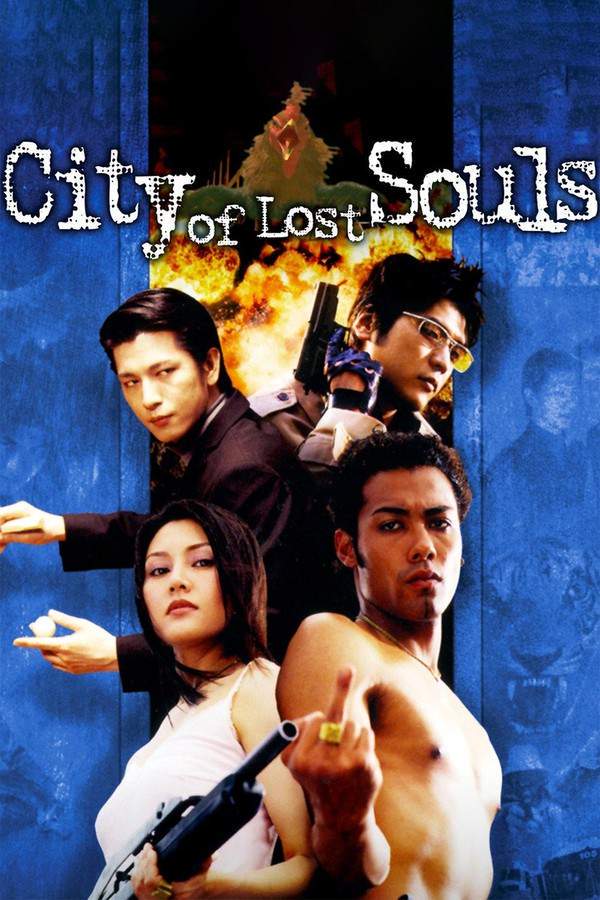
The City of Lost Souls
2002
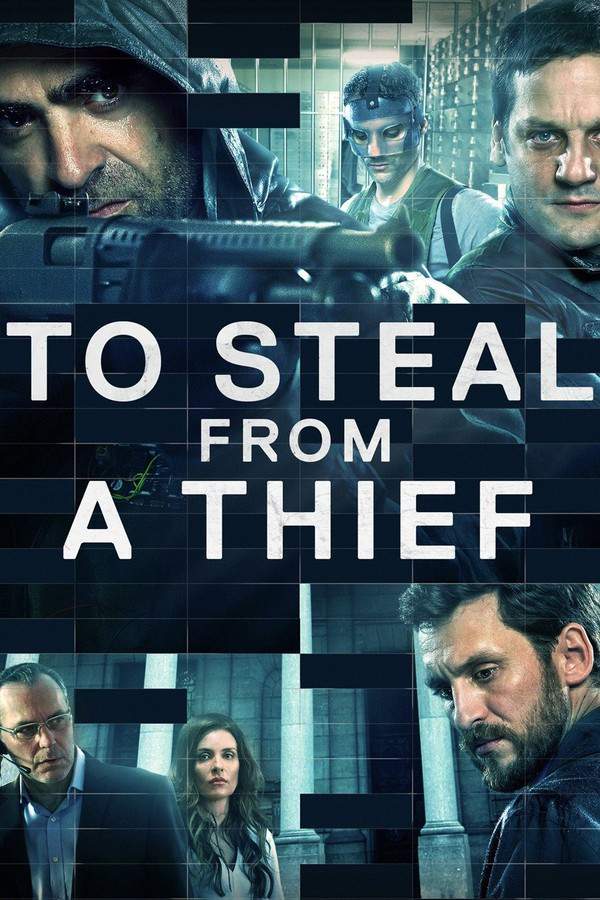
To Steal from a Thief
2016
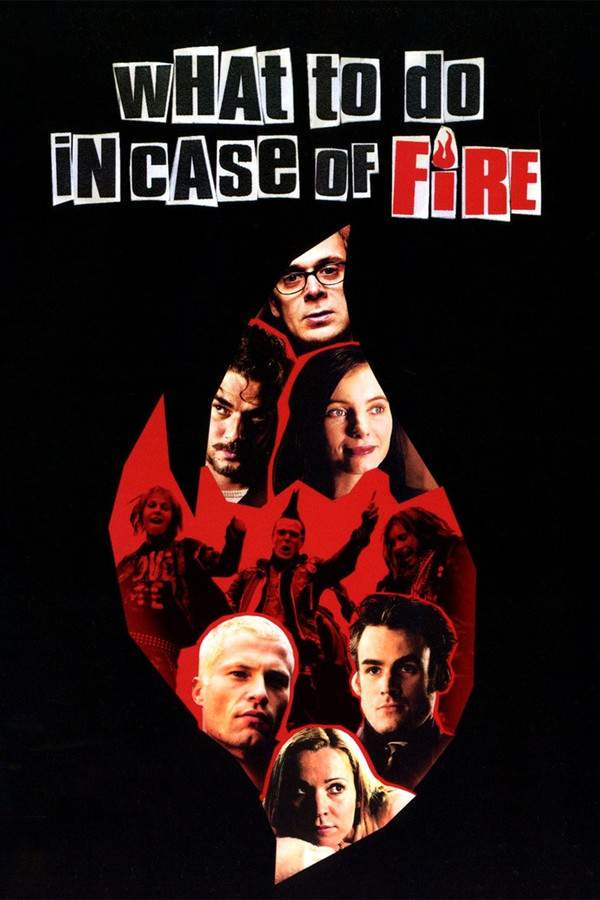
What to Do in Case of Fire
2002
City Heat
1984
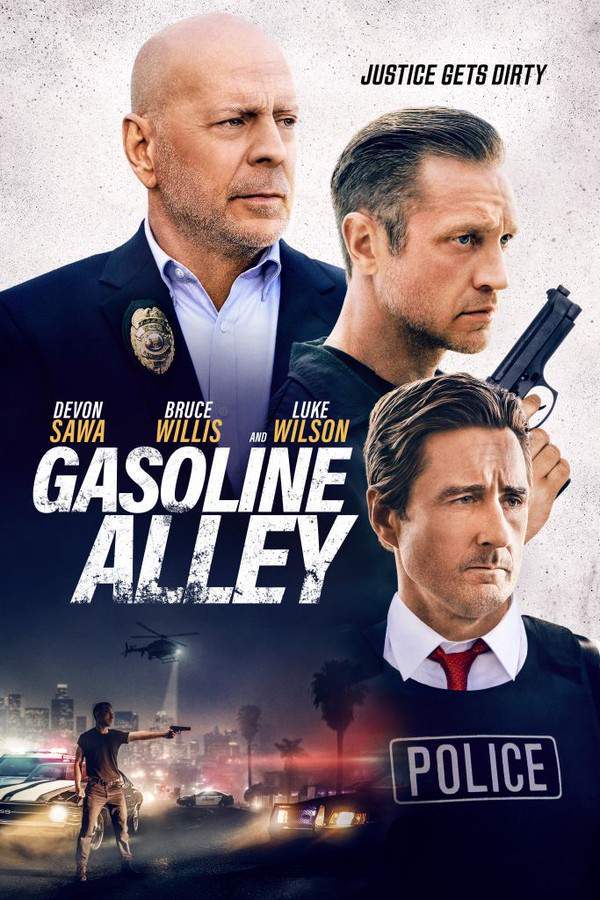
Gasoline Alley
2022
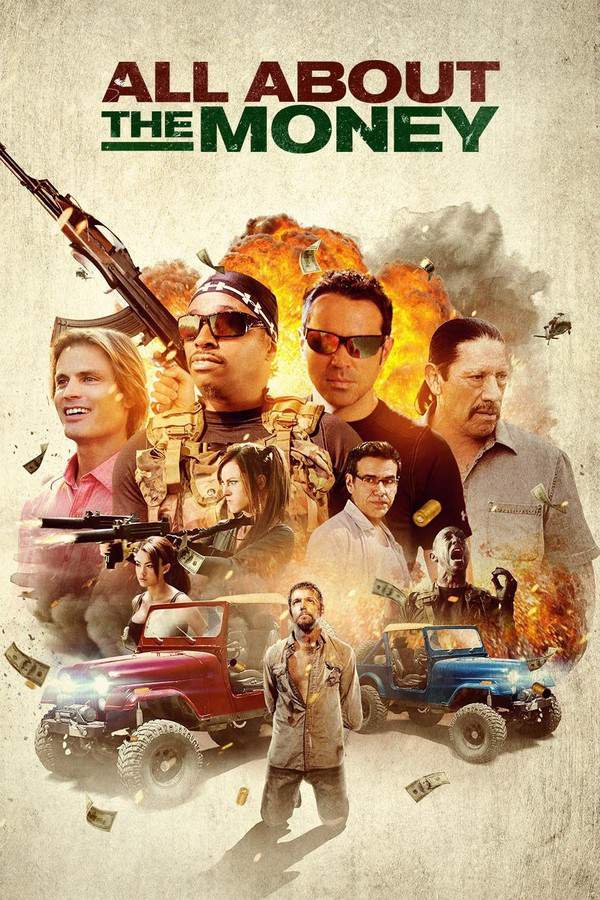
All About the Money
2017
City in Heat
2007
The Pope of Greenwich Village
1984

Number One with a Bullet
1987

The Taking of Pelham One Two Three
1974

Seven Golden Men
1965
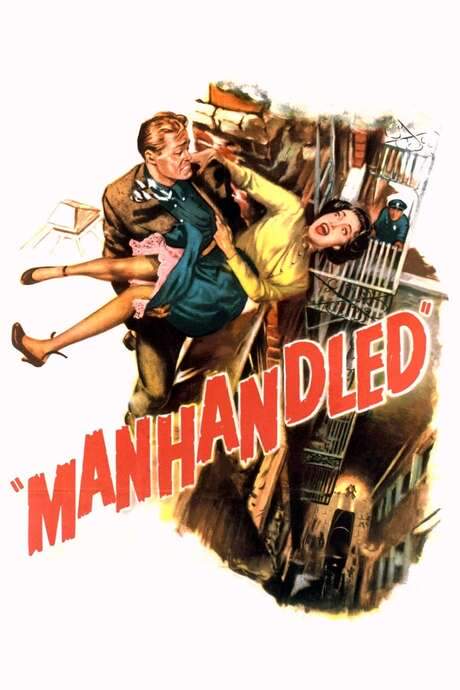
Manhandled
1949
The Roundup: No Way Out
2023

Detective Knight: Rogue
2022
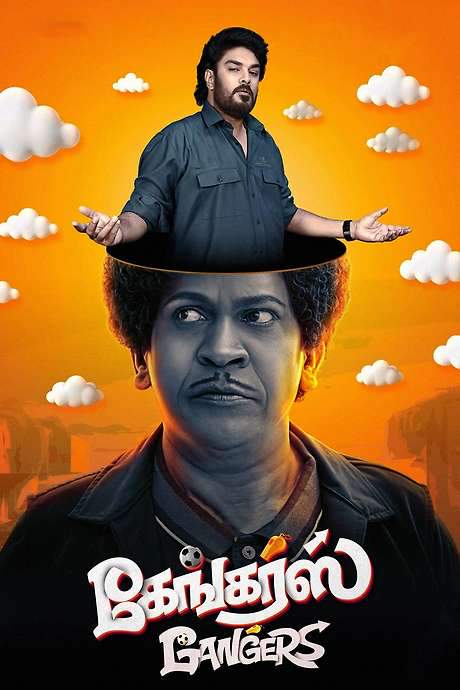
Gangers
2025
Narrative Summary
The core of these stories is the relationship between two central characters whose complementary strengths become fatal flaws under pressure. The plot is driven by their poor decisions and escalating conflicts with external forces, leading to a climax that irrevocably changes their relationship, often leaving it damaged or destroyed.
Why These Movies?
Movies in this thread share a specific character dynamic that fuels the narrative tension. The experience is defined by the uneasy mix of camaraderie and friction between the leads, set against a fast-paced crime plot that pushes their loyalty to the breaking point.
Unlock the Full Story of The Pope of Greenwich Village
Don't stop at just watching — explore The Pope of Greenwich Village in full detail. From the complete plot summary and scene-by-scene timeline to character breakdowns, thematic analysis, and a deep dive into the ending — every page helps you truly understand what The Pope of Greenwich Village is all about. Plus, discover what's next after the movie.
The Pope of Greenwich Village Timeline
Track the full timeline of The Pope of Greenwich Village with every major event arranged chronologically. Perfect for decoding non-linear storytelling, flashbacks, or parallel narratives with a clear scene-by-scene breakdown.

Characters, Settings & Themes in The Pope of Greenwich Village
Discover the characters, locations, and core themes that shape The Pope of Greenwich Village. Get insights into symbolic elements, setting significance, and deeper narrative meaning — ideal for thematic analysis and movie breakdowns.



Similar Movies to The Pope of Greenwich Village
Discover movies like The Pope of Greenwich Village that share similar genres, themes, and storytelling elements. Whether you’re drawn to the atmosphere, character arcs, or plot structure, these curated recommendations will help you explore more films you’ll love.
Gone with the Pope
2010

The Gentlemen
2019

The Pope’s Toilet
2007

A Policewoman in New York
1981

Popeye Doyle
1986

The Pope Must Die
1991

Tony Rome
1967

The Gang That Sold America
1979

Big Deal on Madonna Street
1958

Cop or Hood
1979

Charley Varrick
1973

The Penguin
1000

Street People
1976

Across 110th Street
1972

Operation San Pietro
1967
Explore More About Movie The Pope of Greenwich Village
The Pope of Greenwich Village (1984) Scene-by-Scene Movie Timeline
The Pope of Greenwich Village (1984) Movie Characters, Themes & Settings
The Pope of Greenwich Village (1984) Spoiler-Free Summary & Key Flow
Movies Like The Pope of Greenwich Village – Similar Titles You’ll Enjoy
Gone with the Pope (2010) Detailed Story Recap
The Gentlemen (2019) Spoiler-Packed Plot Recap
The Pope’s Toilet (2007) Ending Explained & Film Insights
A Policewoman in New York (1981) Full Movie Breakdown
Popeye Doyle (1986) Complete Plot Breakdown
The Pope Must Die (1991) Spoiler-Packed Plot Recap
Tony Rome (1967) Ending Explained & Film Insights
The Gang That Sold America (1979) Plot Summary & Ending Explained
Big Deal on Madonna Street (1958) Detailed Story Recap
Cop or Hood (1979) Story Summary & Characters
Charley Varrick (1973) Story Summary & Characters
The Penguin (1000) Movie Recap & Themes
Street People (1976) Spoiler-Packed Plot Recap
Across 110th Street (1972) Full Movie Breakdown
Operation San Pietro (1967) Detailed Story Recap