
The Pearl of Death
Year: 1944
Runtime: 69 mins
Language: English
Director: Roy William Neill
The brilliant detectives confront the legendary Borgia Pearl, a cursed gemstone whose owners have suffered murder and misfortune since the Renaissance. Sherlock Holmes helps bring the pearl to London, but his mistake allows it to be stolen. Soon a spree of gruesome killings begins, each victim found with a snapped spine amid shattered china.
Warning: spoilers below!
Haven’t seen The Pearl of Death yet? This summary contains major spoilers. Bookmark the page, watch the movie, and come back for the full breakdown. If you're ready, scroll on and relive the story!
The Pearl of Death (1944) – Full Plot Summary & Ending Explained
Read the complete plot breakdown of The Pearl of Death (1944), including all key story events, major twists, and the ending explained in detail. Discover what really happened, and what it all means.
In this gripping adaptation of Holmes’s world, the mastermind Giles Conover, [Miles Mander], pulls off a bold theft, stealing the famous “Borgia Pearl” from the Royal Regent Museum right under the noses of the legendary duo, Sherlock Holmes and Dr. John Watson. Yet when the arrest comes, the pearl is noticeably missing from Conover’s possession, and he is released—leaving Holmes with a puzzle that only grows more cryptic as the story unfolds. The case quickly widens beyond a single heist to a disturbing pattern of violence that seems almost merciless in its cruelty and timing.
Holmes’s instincts sharpen when he learns of an apparently motiveless murder: an elderly colonel is found with his back broken, his room strewn with smashed china. The method of killing points decisively to a figure known as The Hoxton Creeper, a brutal killer who is unmistakably connected to Conover as his right-hand man. The Creeper’s frightful signature marks a path of fear and ruin, and Holmes follows it with relentless deduction, each clue echoing the earlier theft and suggesting that the stolen pearl lies at the center of these deaths. The tension escalates with a second murder—this time an unsuspecting little old lady—also surrounded by shattered porcelain, underscoring a chilling pattern that Holmes is determined to untangle. Conover makes two more bold attempts to eliminate Holmes, signaling that the thief is desperate to reclaim the pearl at any cost.
The investigation pivots on a striking common feature: each crime is linked to a Napoleon bust. Holmes learns that Conover, when chased by the police, fled through the workshop where these busts were being produced and concealed the pearl inside one of six identical busts. The hunt shifts to uncover the true location of the final unaccounted-for bust, and Holmes tracks the vendor who supplied them. Conover’s accomplice Naomi Drake, [Evelyn Ankers], also becomes a key figure in the unfolding drama as the mystery tightens around her involvement. As the stakes rise, Conover and The Creeper converge on the home of the final bust’s owner, only to discover that Holmes has already taken the owner’s place, staging a dangerous confrontation that tests every skill Holmes possesses.
In a tense confrontation, Holmes overpowers The Creeper and uses careful psychology to turn him against Conover, revealing that Naomi’s fate—indeed, her life—hangs in the balance. The Creeper, driven by a deadly mix of loyalty and obsession, turns on Conover and kills him in a frenzied clash, just before the police arrive. Holmes wastes no time before stepping in: he dispatched The Creeper in a swift counterstrike, then the authorities close in. The final act centers on the shattered Napoleon busts: Holmes smashes the last remaining bust and recovers the pearl, a weighty symbol bearing “the blood of five more victims on it,” as the case finally closes and the mystery’s threads are tied together.
Last updated: February 24, 2026 at 09:41
The Pearl of Death (1944) Plot Questions Answered – Summary FAQ
Explore frequently asked questions about The Pearl of Death (1944) with spoiler-rich answers covering the full plot summary, major story beats, character motivations, hidden details, and ending meaning. This movie summary FAQ helps explain confusing scenes, plot twists, and narrative decisions in clear, searchable detail.
Why was Giles Conover released after stealing the Borgia Pearl?
Conover was released because the pearl was not found on his person when he was arrested. He had hidden the Borgia Pearl inside one of six identical Napoleon busts during his escape, so when the police searched him at the scene of the theft, they found nothing incriminating. Without the pearl in his possession, there was insufficient evidence to hold him, and he walked free, allowing the larger scheme to unfold.
Why does The Hoxton Creeper kill his victims with broken spines amid shattered china?
The Hoxton Creeper uses his signature killing method, breaking his victims' spines and leaving them surrounded by shattered china, as a form of brutal intimidation and to create a distinctive crime scene signature. This method connects all the murders to him and serves as a terrifying calling card that Holmes uses to track Conover's criminal network.
How did Holmes discover the pearl was hidden in a Napoleon bust?
Holmes traced the connection between all the murder scenes, noticing that each crime occurred near a Napoleon bust. He then learned from the bust workshop that Conover had fled through the premises during his escape and had concealed the pearl inside one of six identical busts. By tracking the vendor who supplied the busts, Holmes narrowed down which busts had been sold and which one remained unaccounted for.
Why did The Creeper turn on and kill Conover?
Holmes psychologically manipulated The Creeper by implying that Naomi Drake, whom The Creeper cared for deeply, would be harmed or killed. Using this leverage, Holmes convinced The Creeper that Conover was responsible for threatening Naomi's life. Driven by loyalty and fear for Naomi's safety, The Creeper turned on Conover and killed him in a frenzied attack.
Why was Conover so desperate to get the Borgia Pearl back?
Conover was desperate to recover the pearl because it was the stolen property that could link him directly to the original heist. Without the pearl in his possession, he had been released by police, but possessing it again would have meant valuable leverage, profit, and proof of his criminal accomplishment. Additionally, the pearl's legendary cursed nature added to its worth and the lengths Conover would go to retrieve it.
How did Holmes locate the owner of the final Napoleon bust?
Holmes tracked down the vendor who had sold the six Napoleon busts and identified which five had been purchased, leaving one bust unaccounted for. From there, he traced the final bust to its owner and arranged to take the owner's place before Conover and The Creeper arrived, setting up the trap that would expose their scheme.
What happened to Naomi Drake at the end of the film?
Naomi Drake, Conover's accomplice, is referenced when Holmes uses her as leverage to turn The Creeper against Conover. While the film does not show her fate directly, Holmes implies her life is in danger to manipulate The Creeper into betraying Conover. She is not among the characters killed in the final confrontation, suggesting she escaped or was rescued after the criminals were neutralized.
How did Holmes survive Conover's attempts to kill him?
Conover made two attempts on Holmes's life, but Holmes's keen observational skills and deductive reasoning allowed him to anticipate the threats. Each time, Holmes outmaneuvered the assassins, staying one step ahead. In the final confrontation at the bust owner's house, Holmes had already taken the owner's place, turning the ambush into a trap for the criminals themselves.
Why were the Napoleon busts important to the plot?
The six Napoleon busts served as the crucial hiding place for the stolen pearl. When Conover fled the museum, he ran through a workshop producing these busts and concealed the pearl inside one of them. The identical nature of the busts made it nearly impossible for anyone to determine which one held the pearl without destroying all of them, creating the central puzzle Holmes had to solve.
How did Holmes connect the murders to the stolen pearl?
Holmes recognized that each murder scene contained a Napoleon bust, linking the killings to the pearl's hiding place. He deduced that Conover, unable to retrieve the hidden pearl himself while being pursued, had ordered his right-hand man The Creeper to eliminate anyone who might have information about the busts or the pearl's location. The murders were attempts to silence potential witnesses and cover tracks.
What does Holmes mean when he says the pearl bears the blood of five more victims?
When Holmes smashes the final bust and recovers the pearl, he notes that it carries "the blood of five more victims on it." This refers to the five additional deaths caused by The Creeper, two murder victims plus Conover and The Creeper themselves, that occurred as a direct result of the pearl's theft and the effort to recover or protect it. It adds a dark, ominous note to the recovered jewel's history.
What was The Creeper's relationship with Naomi Drake?
The Creeper had romantic feelings for Naomi Drake, Conover's accomplice. This emotional connection is what Holmes exploited during the final confrontation. By implying that Naomi's life was in danger and that Conover was responsible, Holmes manipulated The Creeper into betraying and killing his own boss, demonstrating how personal attachments can be weaponized in criminal circles.

Explore Movie Threads
Discover curated groups of movies connected by mood, themes, and story style. Browse collections built around emotion, atmosphere, and narrative focus to easily find films that match what you feel like watching right now.
Cursed Object Thrillers like The Pearl of Death
A high-stakes hunt for a mysterious artifact with a bloody history.A collection of movies like The Pearl of Death where a hunt for a legendary artifact drives the plot. If you enjoyed the deadly pursuit of the Borgia Pearl, you'll find similar high-stakes tension and intellectual intrigue in these tales of cursed treasures and fatal consequences.
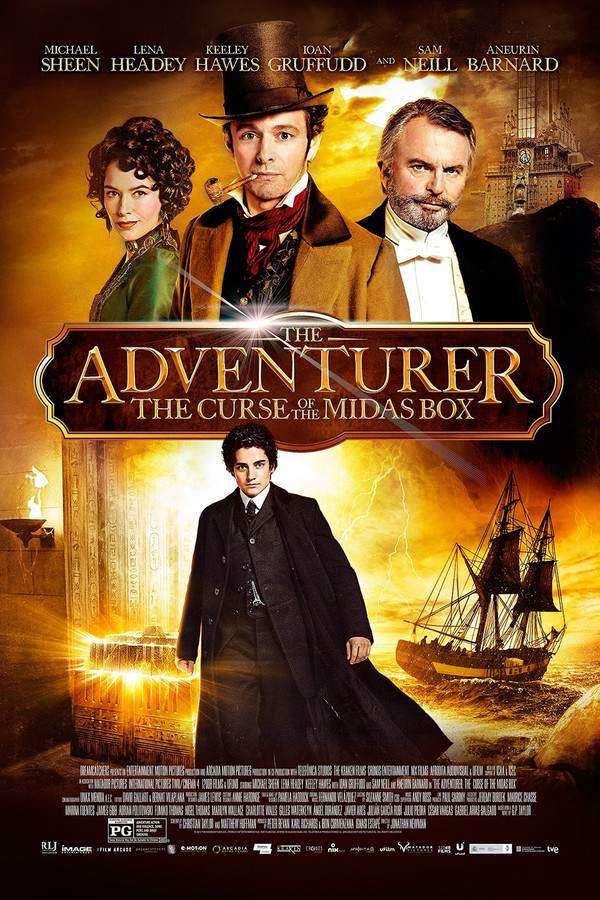
The Adventurer: The Curse of the Midas Box
2014

Blood Money
2017
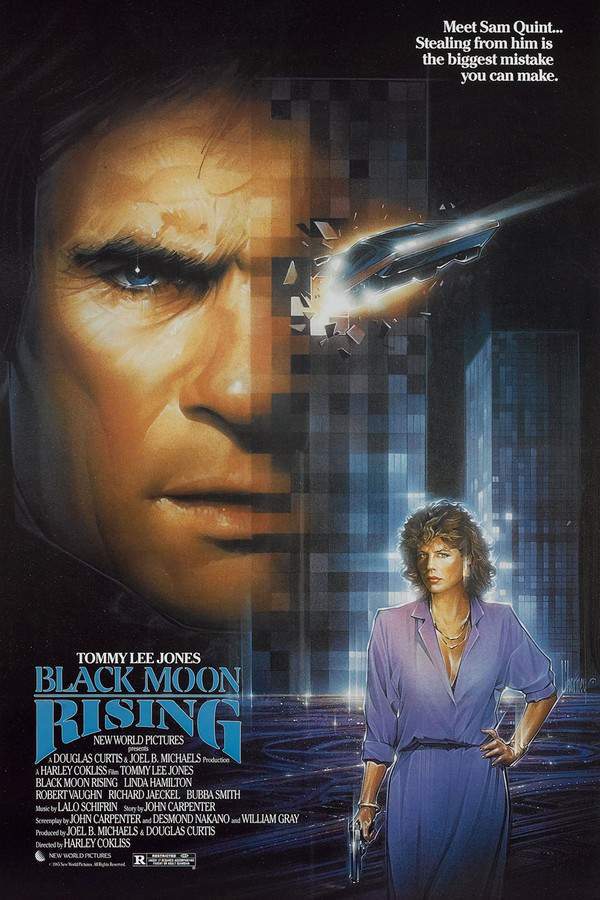
Black Moon Rising
1986

Bulletproof
2012

Confession of Murder
2012

The Curse of King Tut’s Tomb
1000

Treasure of the Four Crowns
1983

Deadly Illusion
1987

Time to Hunt
2020

HIT: The First Case
2020
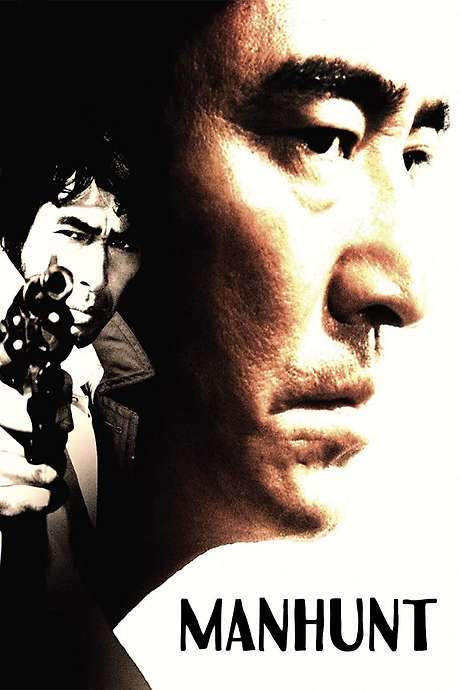
Manhunt
1976

I Love a Mystery
1945
The Pearl of Death
1944

Crystal Hunt
1992

Deadly Inheritance
1968
Narrative Summary
The narrative follows a clear pattern: a powerful object with a dark past is introduced, its theft or discovery sets off a chain of violent events, and a protagonist must use their wits to outsmart dangerous adversaries in a race to recover it before more lives are lost.
Why These Movies?
These movies are grouped by their shared focus on a tangible MacGuffin that embodies danger. They blend mystery with thriller pacing, prioritizing a gripping, clue-driven plot over deep character study, and often feature a satisfying intellectual resolution.
Cerebral Cat-and-Mouse Thrillers like The Pearl of Death
A battle of wits between a brilliant investigator and a cunning foe.For fans of Sherlock Holmes's deductive battle against a mastermind in The Pearl of Death, this group features movies with a similar dynamic. Explore more stories where a brilliant investigator matches wits with a cunning criminal in a tense, high-stakes game of intellectual one-upmanship.
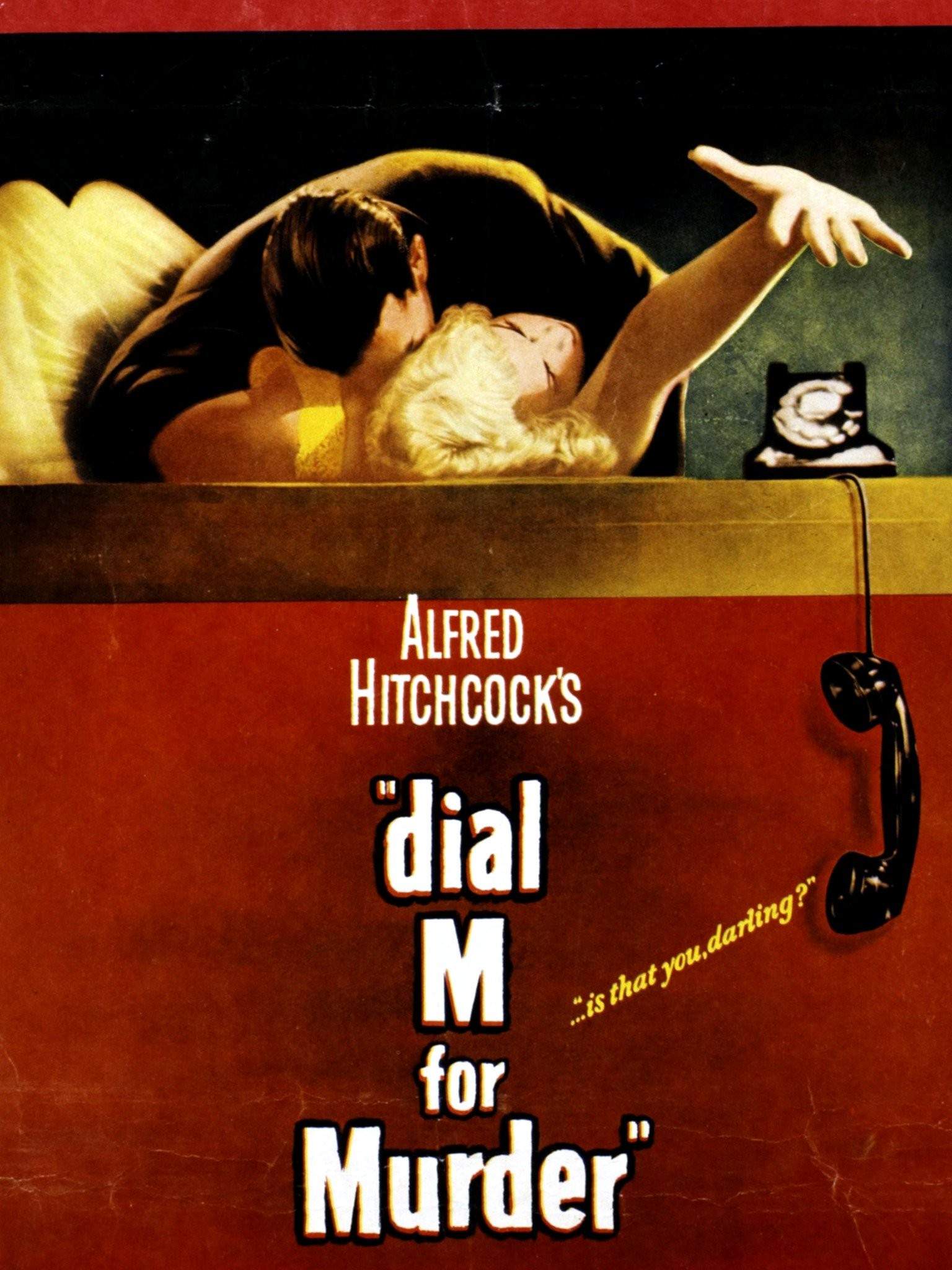
Dial M for Murder
1954
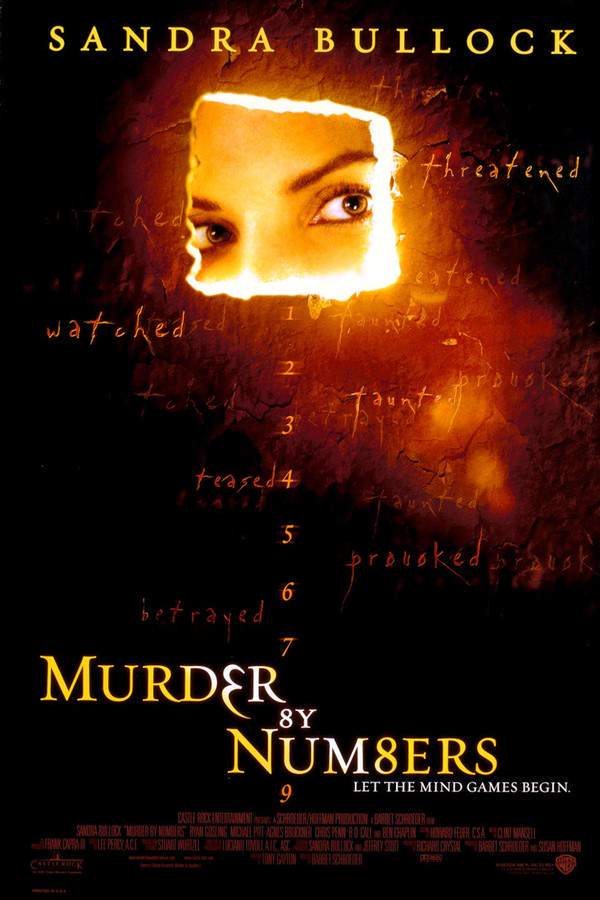
Murder by Numbers
2002
Sherlock: A Study in Pink
1000

Grandmaster
2012

Agatha and the Truth of Murder
2018

Detective
2007

Murder on the Blackboard
1934

The Scarlet Clue
1945

Mystery Street
1950

The Vicious Circle
1957
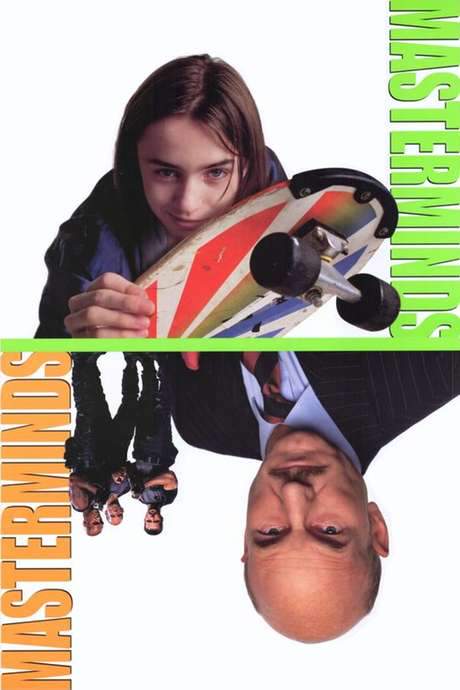
Masterminds
1997

The Kennel Murder Case
1933

Detective Knight: Rogue
2022

The Adventures of Sherlock Holmes
1939

The Twenty Questions Murder Mystery
1950
Narrative Summary
The story is structured around the escalating moves and countermoves of two intellectual rivals. The detective's clever deductions are constantly challenged by the criminal's intricate schemes, creating a satisfying puzzle for the audience that culminates in a decisive, intellectually triumphant conclusion.
Why These Movies?
These films are united by the central dynamic of a high-IQ duel. They prioritize clever plotting and logical problem-solving, creating a specific kind of tension that is more cerebral than purely action-oriented, appealing to viewers who enjoy unraveling a complex mystery alongside the protagonist.
Unlock the Full Story of The Pearl of Death
Don't stop at just watching - explore The Pearl of Death in full detail. From the complete plot summary and scene-by-scene timeline to character breakdowns, thematic analysis, and a deep dive into the ending - every page helps you truly understand what The Pearl of Death is all about. Plus, discover what's next after the movie.
The Pearl of Death Timeline
Track the full timeline of The Pearl of Death with every major event arranged chronologically. Perfect for decoding non-linear storytelling, flashbacks, or parallel narratives with a clear scene-by-scene breakdown.

Characters, Settings & Themes in The Pearl of Death
Discover the characters, locations, and core themes that shape The Pearl of Death. Get insights into symbolic elements, setting significance, and deeper narrative meaning - ideal for thematic analysis and movie breakdowns.


Similar Movies to The Pearl of Death
Discover movies like The Pearl of Death that share similar genres, themes, and storytelling elements. Whether you’re drawn to the atmosphere, character arcs, or plot structure, these curated recommendations will help you explore more films you’ll love.

Sherlock Holmes and the Case of the Silk Stocking
2004

Appointment with Death
1988

A Study in Scarlet
1933

Murder, My Sweet
1944

The Pearl Necklace
1926

Sherlock Holmes and the Deadly Necklace
1962

Murder by Decree
1979

Terror by Night
1946

A Study in Terror
1965

The Scarlet Claw
1944

Murder Over New York
1940

Dressed to Kill
1946

Sherlock Holmes Faces Death
1943
The Adventures of Sherlock Holmes
1939

Doomed to Die
1940
Explore More About Movie The Pearl of Death
The Pearl of Death (1944) Scene-by-Scene Movie Timeline
The Pearl of Death (1944) Movie Characters, Themes & Settings
The Pearl of Death (1944) Spoiler-Free Summary & Key Flow
Movies Like The Pearl of Death – Similar Titles You’ll Enjoy
Sherlock Holmes and the Case of the Silk Stocking (2004) Complete Plot Breakdown
Appointment with Death (1988) Story Summary & Characters
A Study in Scarlet (1933) Plot Summary & Ending Explained
Murder, My Sweet (1944) Film Overview & Timeline
The Pearl Necklace (1926) Movie Recap & Themes
Sherlock Holmes and the Deadly Necklace (1962) Ending Explained & Film Insights
Murder by Decree (1979) Film Overview & Timeline
Terror by Night (1946) Spoiler-Packed Plot Recap
A Study in Terror (1965) Full Movie Breakdown
The Scarlet Claw (1944) Story Summary & Characters
Murder Over New York (1940) Ending Explained & Film Insights
Dressed to Kill (1946) Movie Recap & Themes
Sherlock Holmes Faces Death (1943) Detailed Story Recap
The Adventures of Sherlock Holmes (1939) Full Movie Breakdown
Doomed to Die (1940) Spoiler-Packed Plot Recap