
The Parisian Cobbler
Year: 1927
Runtime: 40 mins
Language: Russian
Director: Fridrikh Ermler
Komsomol member Katya Karnakova (Veronica Buzhinskaya) is the beloved young woman of the tiny provincial town of Old Lopsha. Openly infatuated with fellow Komsomol Andrei (Valery Solovtsov), she makes no effort to conceal her feelings. Their romance leads to an unplanned pregnancy, forcing Katya to face love and duty in the close‑knit community.
Warning: spoilers below!
Haven’t seen The Parisian Cobbler yet? This summary contains major spoilers. Bookmark the page, watch the movie, and come back for the full breakdown. If you're ready, scroll on and relive the story!
Timeline & Setting – The Parisian Cobbler (1927)
Explore the full timeline and setting of The Parisian Cobbler (1927). Follow every major event in chronological order and see how the environment shapes the story, characters, and dramatic tension.
Last updated: February 20, 2026 at 00:09
Main Characters – The Parisian Cobbler (1927)
Meet the key characters of The Parisian Cobbler (1927), with detailed profiles, motivations, and roles in the plot. Understand their emotional journeys and what they reveal about the film’s deeper themes.
Last updated: February 20, 2026 at 00:09
Major Themes – The Parisian Cobbler (1927)
Explore the central themes of The Parisian Cobbler (1927), from psychological, social, and emotional dimensions to philosophical messages. Understand what the film is really saying beneath the surface.
Last updated: February 20, 2026 at 00:09
The Parisian Cobbler (1927) Character & Theme Questions Answered – Info FAQ
Browse frequently asked questions about The Parisian Cobbler (1927) focused on characters, relationships, themes, symbols, setting, and story context. This movie info FAQ gives spoiler-aware explanations for character arcs, world details, and thematic interpretation so readers can better understand what the film is really about.
Where is The Parisian Cobbler set?
The story is set in Old Lopsha, a small provincial Soviet town. This setting is central to the film's tension, as the close-knit community means rumors and judgments spread quickly, and personal matters become public. The town's social hierarchies, shaped by Komsomol circles, create an environment where reputation and duty are closely monitored.
What time period does the film cover?
The film takes place during the Early Soviet era in the 1920s-1930s, a period of rapid ideological change. Komsomol ideals and the promise of a bright future heavily influenced young people's choices. This era created particular tensions around gender roles and personal responsibility, as revolutionary ideals clashed with traditional moral expectations.
Who is Katya Karnakova?
Katya Karnakova is a young Komsomol member in Old Lopsha who is openly infatuated with fellow Komsomol Andrei. Her unplanned pregnancy becomes the central conflict, forcing her to navigate the clash between personal desire and the rigid expectations of her community. She embodies the vulnerability of individuals within a rigid social system.
What does the film say about gender expectations?
The film reveals double standards in Soviet society, where public rhetoric promoted equality while women's bodies and choices were privately policed. Katya's pregnancy exposes how gender norms can be used to control reputations and individual choices. The narrative demonstrates the fragility of personal dignity when subjected to ideological scrutiny.
Who is Andrei Goriunov?
Andrei Goriunov is an ambitious Komsomol member who reacts to Katya's pregnancy with self-preservation and avoidance of responsibility. Rather than facing the situation directly, he seeks help from others to evade consequences. His character illustrates how personal ambition can override communal ideals and accountability.
What does the film say about relationships and morality?
The film explores how personal relationships become entangled with political ideals and social expectations. Andrei's reaction demonstrates self-interest and manipulation, while Katya becomes a pawn in a larger social game. The narrative questions what loyalty and love mean within a rigid moral framework where intimate situations can be used for personal gain.
Who is Motka Tundel?
Motka Tundel is a neighborhood gang figure known for causing trouble and offering cynical counsel. He orchestrates schemes to resolve problems through manipulation, embodying street-level power dynamics. His presence highlights how informal networks can override formal authority and the dark side of social control in the town.
Who is Grisha Sokolov?
Grisha Sokolov is the Komsomol secretary who responds to concerns with bureaucratic detachment. He frames personal problems within an official narrative, even handing Andrei a book on gender issues to end the conversation rather than addressing the real issue. He represents how organizational power can suppress genuine discussion.
How does the small-town setting influence the story?
Old Lopsha's close-knit community makes personal matters feel public and invasive. The setting underscores the tension between personal desires and the rigid expectations of the Soviet era. Rumors spread quickly, and social hierarchies based on Komsomol membership create pressure that shapes how characters respond to crisis.

Explore Movie Threads
Discover curated groups of movies connected by mood, themes, and story style. Browse collections built around emotion, atmosphere, and narrative focus to easily find films that match what you feel like watching right now.
Bittersweet Provincial Dramas like The Parisian Cobbler
Young romance confronts rigid social expectations in close-knit communities.Explore movies like The Parisian Cobbler that delve into young love strained by societal pressures in small towns. These films share a steady, character-driven pace and a bittersweet tone, focusing on the emotional turmoil of characters caught between personal feelings and community expectations.

French Provincial
1975

The Young Philadelphians
1959

Sad Movie
2005

Some Girls
1988

Hello, Goodbye and Everything in Between
2022
The Parisian Cobbler
1927

Devoted to You
1986

Suburban Girl
2007

So Young
2013
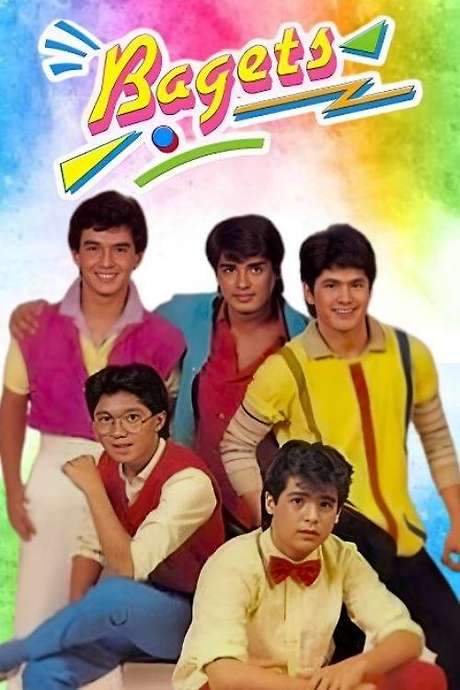
Bagets
1984

The Valley of Decision
1945

All That Glitters
2010

Ordinary
2012

Summer Days, Summer Nights
2018
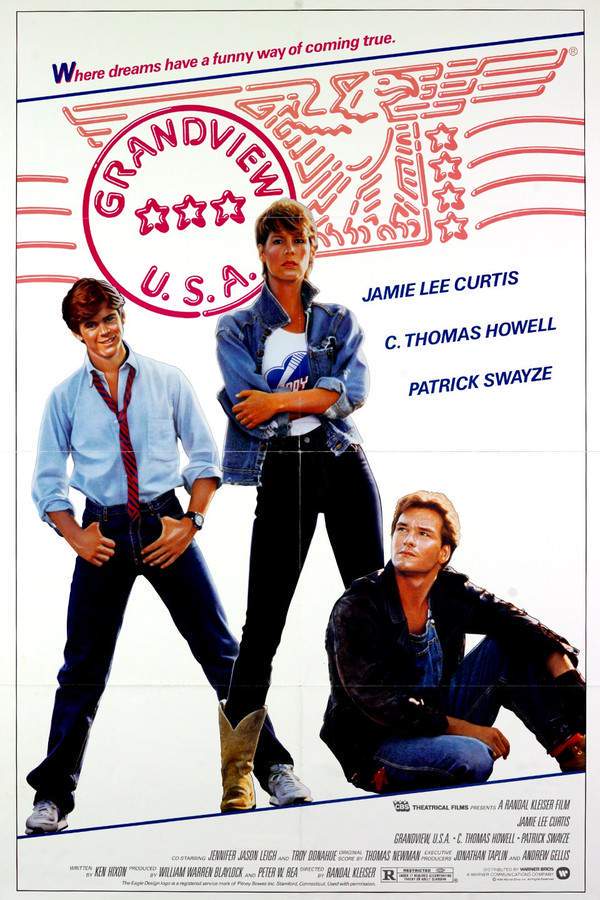
Grandview, U.S.A.
1984
Narrative Summary
The narrative follows young characters in a restricted provincial setting as their romance leads to a significant personal crisis, often an unplanned pregnancy or scandal. The story explores the tension between their individual happiness and the rigid moral codes of their community, building towards an emotionally charged and often ambiguous resolution.
Why These Movies?
These films are grouped together because they share a specific mood of emotional conflict within a small-town setting, a bittersweet tone balancing romance with harsh reality, and a steady pacing that allows character drama to unfold without rush. They focus on the universal theme of youth facing adult consequences.
Movies about Youthful Moral Dilemmas like The Parisian Cobbler
Coming-of-age stories where youthful idealism meets harsh adult responsibilities.Find films similar to The Parisian Cobbler that explore the difficult choices faced by young adults. If you liked the story of Katya grappling with an unplanned pregnancy and societal judgment, you'll appreciate these dramas about love, duty, and the end of innocence.

The Last Kiss
2006
The Parisian Cobbler
1927

The Young Lovers
1954
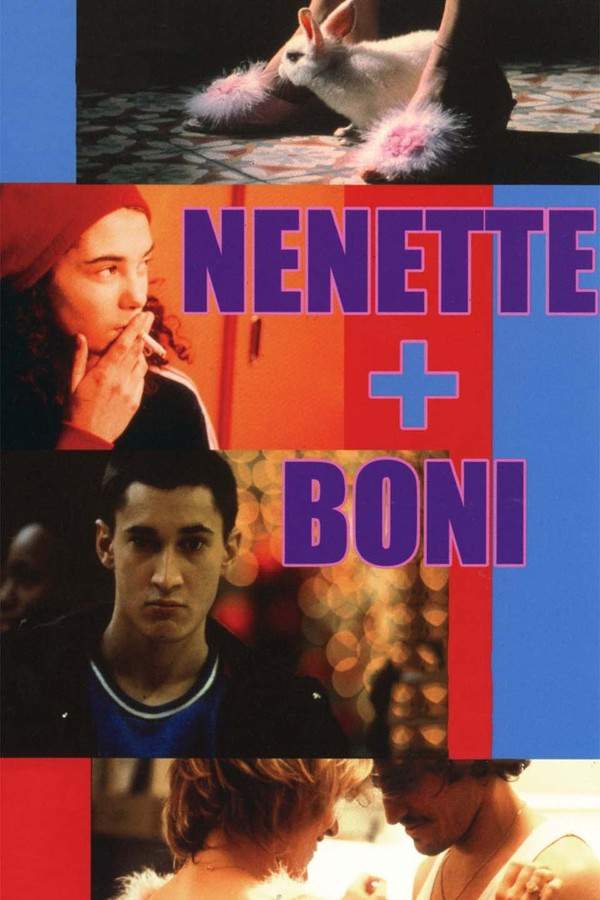
Nenette and Boni
1997
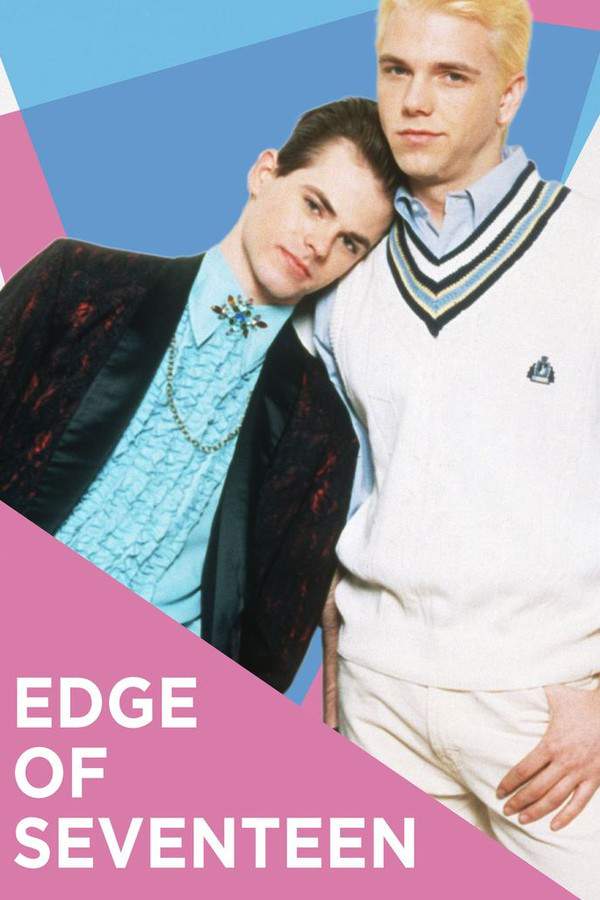
Edge of Seventeen
1998

Dry Season
2024

Sex Is Zero
2002

Girlhood
2015

It Felt Like Love
2014

But What If This Is Love?
1961

Close to You
2024

Seema
1955

Christy
2023
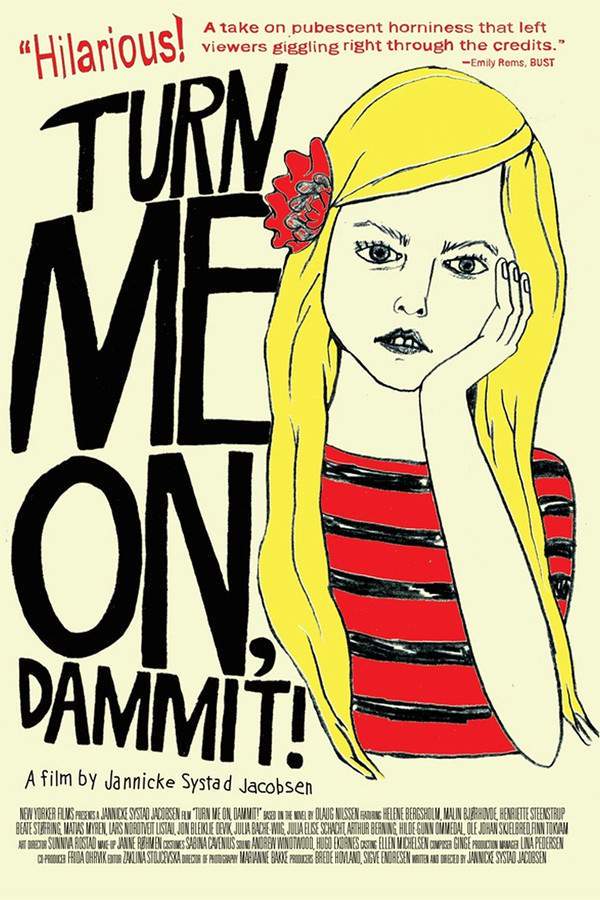
Turn Me On, Dammit!
2012

Change of Habit
1969
Narrative Summary
The narrative centers on a young person, often ideologically pure or naive, whose life is irrevocably changed by a romantic entanglement. A single event creates a moral and practical dilemma that challenges their worldview and forces them to confront complex adult realities, leading to a character-driven study of consequence and growth.
Why These Movies?
These movies share a strong focus on a specific character arc: a young person facing a life-altering decision that tests their morals and relationships. They possess a medium emotional weight, a straightforward narrative complexity that emphasizes cause and effect, and often an ambiguous ending that reflects the uncertainty of the protagonist's future.
Unlock the Full Story of The Parisian Cobbler
Don't stop at just watching - explore The Parisian Cobbler in full detail. From the complete plot summary and scene-by-scene timeline to character breakdowns, thematic analysis, and a deep dive into the ending - every page helps you truly understand what The Parisian Cobbler is all about. Plus, discover what's next after the movie.
The Parisian Cobbler Summary
Read a complete plot summary of The Parisian Cobbler, including all key story points, character arcs, and turning points. This in-depth recap is ideal for understanding the narrative structure or reviewing what happened in the movie.

The Parisian Cobbler Timeline
Track the full timeline of The Parisian Cobbler with every major event arranged chronologically. Perfect for decoding non-linear storytelling, flashbacks, or parallel narratives with a clear scene-by-scene breakdown.


