The Most Assassinated Woman in the World

The Most Assassinated Woman in the World

Year: 2018

Runtime: 102 mins

Language: French

Director: Franck Ribière

ThrillerMystery

Set against the atmospheric backdrop of the Theatre Grand Guignol, this film tells the story of Paula Maxa, a celebrated actress and the theatre's most prominent star. Known as "The Most Assassinated Woman," Maxa was famously portrayed as dying onstage repeatedly throughout the day, captivating audiences with her dramatic performances and enduring legacy in the world of theatre.

Warning: spoilers below!

Haven’t seen The Most Assassinated Woman in the World yet? This summary contains major spoilers. Bookmark the page, watch the movie, and come back for the full breakdown. If you're ready, scroll on and relive the story!

The Most Assassinated Woman in the World (2018) – Full Plot Summary & Ending Explained

Read the complete plot breakdown of The Most Assassinated Woman in the World (2018), including all key story events, major twists, and the ending explained in detail. Discover what really happened—and what it all means.

In the early 1930s, Paula Maxa is one of the leading performers at the Grand Guignol Theatre in Paris, a place famous for its gruesome, highly realistic stage deaths. Paula, often described as the “most assassinated woman in the world,” has built a legendary persona around the onstage visions of death that have dazzled and unsettled audiences for years. The theatre itself is run by a theatrical director known for pushing the limits of gore and spectacle, a figure whose name becomes synonymous with the macabre world behind the curtain.

A reporter from Le Petit Journal, a man simply known as Jean in the story, is tasked with delivering a pointed critique of Maxa’s work. On a night like many others, he is approached by one of Paula’s costars with a bouquet meant for the star, allegedly sent by a devoted admirer. When he reaches Paula’s dressing room, she dismisses the flowers and the note tucked among them, which speaks of a fan who adores her stage deaths and longs to murder her in real life. The note, signed with a single initial, hints at a dangerous intimacy between fiction and reality that will blur as the night unfolds.

The plot thickens when an unnamed man slips into Paula’s dressing room and steals the postcard from her mirror. The next morning, Paula awakens from a nightmare to find a recurring figure: a masked man with a cane, appearing first in a seaside café and later in a vision of a pale girl in a bathtub playing with dolls. Paula is troubled and medicates herself, while the journalist Jean arrives with a self-inflicted wound on his hip, a reminder that his own story is becoming dangerous. His editor and boss reveal that a string of recent murders in town seems to echo the onstage killings, fueling the theory that killers are drawing inspiration from the theatre’s fictional atrocities. Despite the danger, Jean presses on and even asks Paula out for a date.

Paula receives a new dress for her upcoming performance, along with a chilling note that reads, “This is the end, I am going to kill you one final time!” The next evening, as Paula prepares for a date, the same stranger returns to her life, invading the dressing room once more. He explains a dark arrangement: he provides living bodies to a special effects expert for use on stage, and in return, he is allowed to marvel at Paula. He has come to fulfill his grim promise to kill her.

As the night of the date arrives, Paula and Jean grow closer, but the past refuses to stay behind. Paula reveals the trauma of her adolescence: her younger sister Aimée ran away to pursue acting, and Paula describes a brutal assault by a man named Jean, who beat her while attempting to rape her sister. In Paula’s account, Aimée’s life ended in the dunes with her throat slit, and Paula carries the guilt of not saving them or catching the killer before the police claimed the suspect had killed himself. The fear she feels—the sound of a cane tapping in the night—still accompanies her walks home.

Meanwhile, a woman named Violette is introduced at a bar, flirting with the same man from Paula’s dressing room. She goes back to his apartment, but the encounter ends in tragedy as the man slashes her throat. The next morning, the theatre’s effects designer, known simply as Paul, reluctantly retrieves Violette’s body from the killer and resumes his grisly duties behind the scenes.

Jean’s investigation intensifies when a coworker at Le Petit Journal reveals more about Paula’s past: a brutal rape connected to a man named Jean De Lancry, who also killed Paula’s sister. As the clues converge, Jean recalls a fan he met at the theatre—an ominous figure named Eugène—whose existence ties together the threats Paula has faced and the murders tearing through the town. The sense of danger tightens around the theatre, and Paula’s fate seems increasingly bound to the violence that surrounds her.

The director of the theatre, André, and the other powers that govern the venue tighten their grip, making clear that Paula is “the property” of the stage and its people. Jean, in a bid to secure his own future, bargains with his editor for months of salary and two tickets to Los Angeles in exchange for finishing his story. He hurries back to the theatre to rescue Paula, only to be confronted by the jealous husband who now seeks to destroy him. Paula steps into a new, deadly moment on stage, unaware that she is walking into a trap.

As the performance begins, the stage is set to appear as though Paula’s throat is to be sliced, using the elaborate effects crafted by Paul. At the last moment, the real killer—Jean De Lancry—steps forward and uses a real knife to deliver the fatal blow. The audience cheers at first, thinking it’s art, but the blood soon reveals the horror, sending the crowd into panic. In a cruel twist, Paul swaps Paula’s corpse with Violette’s “dead” body, and he is arrested for Paula Maxa’s murder, while the theatre closes its doors.

In death, Paula is laid to rest with her tomb bearing the body of Violette inside, while Paula herself appears alive in the cemetery, still haunted by visions of the man with the cane. She calls out for Jean to join her in a car, and the man who seemed to be dead reappears pale and smiling, a final reminder that the line between performance and reality has collapsed. Paula ultimately leaves in a car driven by Paul, leaving Jean to wander the streets, grieving and disturbed, as he continues to murder women who resemble the actress he cannot forget.

The film closes on a chilling note: the world Paula inhabited—where art, illusion, and real peril collide—persists in the shadows, and the killer’s memory lingers in the streets, echoing the old stage whispers that once named a legend.

Last Updated: October 01, 2025 at 13:05

Mobile App Preview

Coming soon on iOS and Android

The Plot Explained Mobile App

From blockbusters to hidden gems — dive into movie stories anytime, anywhere. Save your favorites, discover plots faster, and never miss a twist again.

Sign up to be the first to know when we launch. Your email stays private — always.

Explore Movie Threads

Discover curated groups of movies connected by mood, themes, and story style. Browse collections built around emotion, atmosphere, and narrative focus to easily find films that match what you feel like watching right now.

Movies where reality blurs like in The Most Assassinated Woman in the World

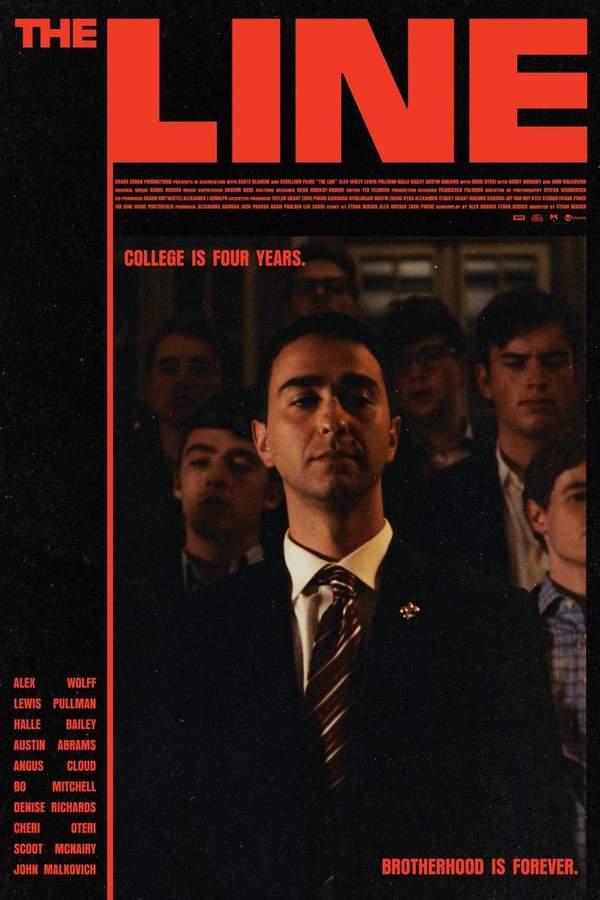
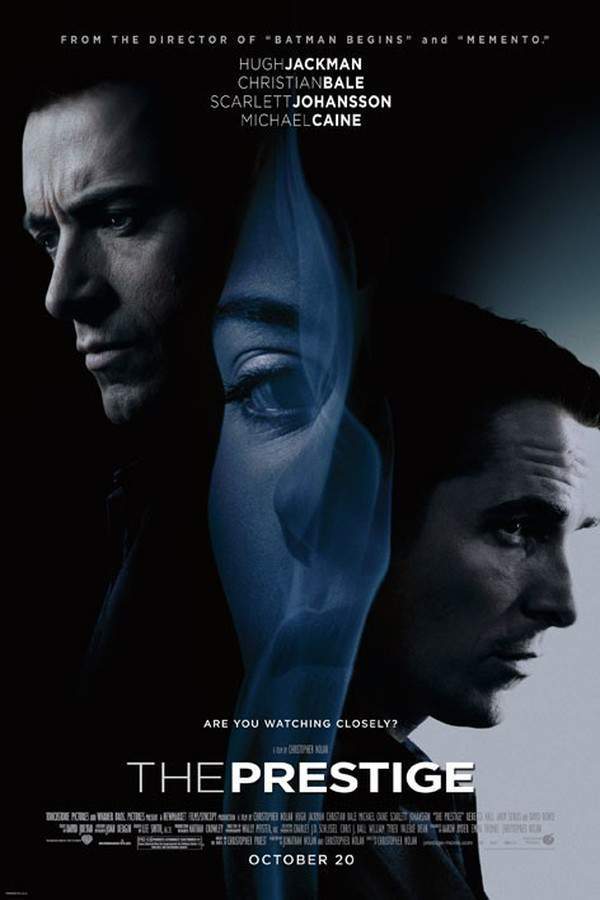
Stories where the line between art and life becomes dangerously thin.If you liked the psychological tension of The Most Assassinated Woman in the World, explore more movies where the line between performance and reality blur. These stories often feature artists in claustrophobic settings, leading to unsettling narratives and a deep exploration of identity.

unsettlingatmosphericparanoidclaustrophobicmetapsychologicalmelancholic

Narrative Summary

Narratives in this thread follow a protagonist, typically an artist, who is consumed by their craft. Their fictional world begins to invade their perceptions, creating paranoia and a crisis of self. The conflict often escalates as an external threat or internal trauma mirrors their art, culminating in a climax where the distinction between the staged and the real is violently erased.

Why These Movies?

These films are grouped by their shared exploration of artifice and identity. They create a consistent mood of unease by trapping characters in worlds of their own making, using a steady pace to build dread and a dark tone to examine the psychological cost of living a double life.

Gothic thrillers with a dark atmosphere like The Most Assassinated Woman in the World

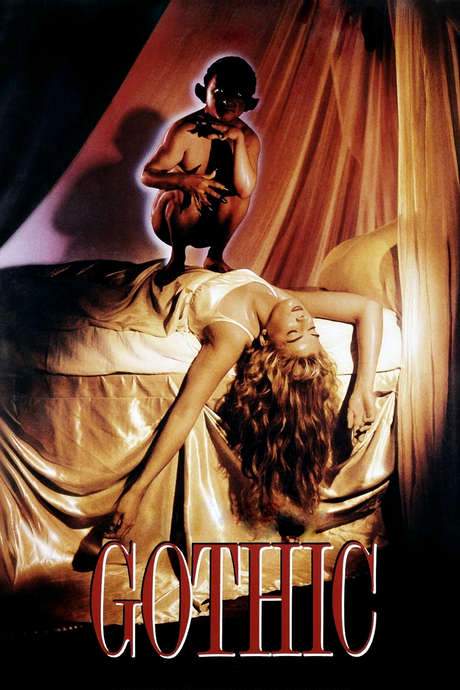
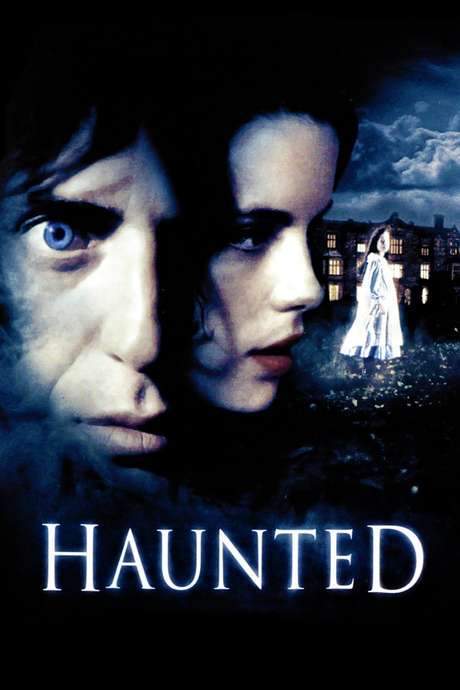
Moody, macabre mysteries steeped in a haunting and historical atmosphere.Fans of the macabre Parisian atmosphere in The Most Assassinated Woman in the World will enjoy these similar gothic thrillers. Discover movies with a heavy mood, historical settings, and mysteries that unfold with a steady, unsettling pace and often bleak conclusions.

gothicatmosphericmacabremelancholicunsettlinghistoricalmysteriousnightmarish

Narrative Summary

The narrative pattern involves an investigation into a dark secret rooted in the past, set within a location heavy with history. The protagonist, often an outsider or someone haunted by their own history, slowly uncovers a truth that is as disturbing as the atmosphere surrounding them. The plot unfolds methodically, relying on mood and setting to build tension towards a revelation that offers little solace.

Why These Movies?

These movies are united by their dominant aesthetic and mood. They share a gothic sensibility, a steady pacing that allows the atmosphere to sink in, and a dark tone that results in emotionally heavy journeys, often culminating in bleak or bittersweet resolutions.

Unlock the Full Story of The Most Assassinated Woman in the World

Don't stop at just watching — explore The Most Assassinated Woman in the World in full detail. From the complete plot summary and scene-by-scene timeline to character breakdowns, thematic analysis, and a deep dive into the ending — every page helps you truly understand what The Most Assassinated Woman in the World is all about. Plus, discover what's next after the movie.

The Most Assassinated Woman in the World Timeline

Track the full timeline of The Most Assassinated Woman in the World with every major event arranged chronologically. Perfect for decoding non-linear storytelling, flashbacks, or parallel narratives with a clear scene-by-scene breakdown.

The Most Assassinated Woman in the World Timeline

Characters, Settings & Themes in The Most Assassinated Woman in the World

Discover the characters, locations, and core themes that shape The Most Assassinated Woman in the World. Get insights into symbolic elements, setting significance, and deeper narrative meaning — ideal for thematic analysis and movie breakdowns.

Characters, Settings & Themes in The Most Assassinated Woman in the World

The Most Assassinated Woman in the World Spoiler-Free Summary

Get a quick, spoiler-free overview of The Most Assassinated Woman in the World that covers the main plot points and key details without revealing any major twists or spoilers. Perfect for those who want to know what to expect before diving in.

The Most Assassinated Woman in the World Spoiler-Free Summary

More About The Most Assassinated Woman in the World

Visit What's After the Movie to explore more about The Most Assassinated Woman in the World: box office results, cast and crew info, production details, post-credit scenes, and external links — all in one place for movie fans and researchers.

More About The Most Assassinated Woman in the World