Plot Explained Spoilers guaranteed!
Plot Explained

Browse by genre

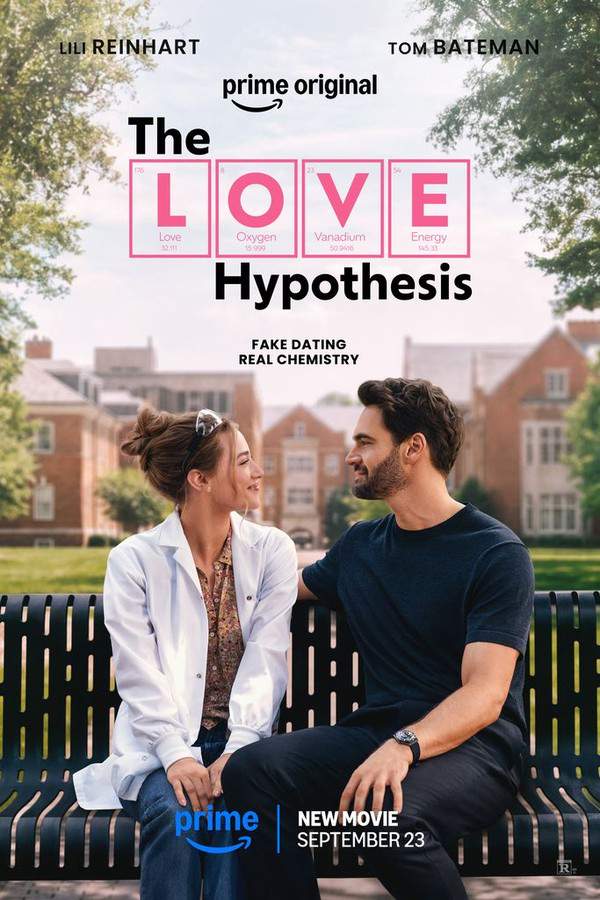
The Love Hypothesis (2026) movie poster

Plot Summary

The Love Hypothesis (2026) Plot Summary & Ending Explained

Release, runtime and language
2026 · 1 h 50 m · English
Loading streaming availability…
Directed by
Claire Scanlon
Starring
Lili Reinhart, Nicholas Duvernay, Tom Bateman, Kenny Wong, Daniel Brochu, Alexandra Petrachuk

When Olive (Lili Reinhart), a Ph.D. candidate focused on an academic career, learns her best friend Ahn (Rachel Marsh) is in love with her crush Jeremy (Nicholas Duvernay), she impulsively kisses professor Adam Carlsen (Tom Bateman) to prove she’s moved on. The kiss sparks chemistry, pulling Olive into a romance that tests her ambitions.

On this page (6)
  1. 1 Where to watch
  2. 2 What happens: full plot
  3. 3 Plot questions answered
  4. 4 How it ends
  5. 5 Movie threads
  6. 6 Every angle
Loading streaming availability…

Full plot summary · contains spoilers

What Happens in The Love Hypothesis: Full Plot Summary

The whole story of The Love Hypothesis (2026) explained, from the opening scene to the final frame: every key event, every twist and what it all adds up to. Read it as a quick recap before the sequel, to check a scene you missed, or to finally understand what really happened.

Biology student Olive Smith begins her journey toward a PhD at Stanford University under a cloud of anxiety and a momentary blur of vision. Early on, she has a brief, anonymous encounter with a researcher who offers her a spark of encouragement before she officially joins the program. Once settled, Olive forms close bonds with her best friend Malcolm Browne and her classmates, Anh Pham and Jeremy Langley.

When Olive discovers that Anh is rejecting Jeremy's romantic advances to protect Olive's own feelings, she decides to fabricate a relationship to clear the way for them. In a moment of desperation to keep the lie alive, Olive kisses the first person she sees: the blunt and hostile postdoctoral fellow Dr. Adam Carlsen. Known as "Dr. Evil," Adam proposes a strategic arrangement: they will fake a relationship to help Olive maintain her lie and to help Adam secure his grant by appearing more settled at Stanford.

As they navigate their facade, attending picnics and faculty parties hosted by Dr. Eugene Fastuca, a genuine connection begins to form. After a stressful encounter with Dr. Thomas Benton, where Olive is grilled about her research on pancreatic cancer, Adam provides emotional support. Olive reveals that her drive for this research stems from the loss of her mother, and she realizes Adam was the stranger who encouraged her before her interview.

Their relationship evolves during a biology symposium in Boston. While Olive's presentation is a success, she is heartbroken to overhear colleagues claiming she only secured her spot because of her relationship with Adam. However, the trip brings them closer; Adam opens up about the abuse he suffered from a former supervisor, and the pair eventually shares an intimate night together.

The situation takes a dark turn when Dr. Tom Benton attempts to coerce Olive, offering her a grant in exchange for sexual favors and threatening to plagiarize her work if she refuses. Returning to Stanford, Olive finds Adam distant, as he believes their "deal" is over now that his funding is secure.

The conflict reaches a breaking point when Anh Pham informs Adam of Tom's predatory behavior. Infuriated, Adam confronts Tom publicly to dismantle his career. After a final emotional confrontation where Olive berates him for his previous coldness, Adam confesses his true feelings for her. The story concludes two years later, with Olive and Anh having earned their PhDs and teaching at Stanford, while Olive and Adam remain happily together.

Last updated: November 01, 2026 at 15:33

Was this helpful?

Plot questions answered

The Love Hypothesis Plot Explained: Your Questions Answered

The questions people ask most about The Love Hypothesis (2026): what happens in the confusing scenes, why the characters do what they do, the twists, hidden details and what the ending means. Each answer contains spoilers.

Q1

Why does Olive kiss Adam in the lab?

In The Love Hypothesis, Olive kisses Adam because she has claimed to be dating someone and panics when Anh nearly catches her during the supposed date. She impulsively kisses the first person she sees so the invented boyfriend will suddenly seem real. The kiss starts as a way to protect Anh and preserve her lie, not as a calculated romantic choice.

Foreshadowing: Olive's earlier claim that she has a boyfriend sets up her need to make the lie physically believable when Anh appears in the lab.

  • olive smith
  • adam carlsen
  • impulsive kiss
  • fake boyfriend
  • anh pham
Q2

What does Tom Benton demand from Olive in Boston?

Tom Benton demands sex from Olive in exchange for a grant. He threatens to ruin her reputation if she reports him and to plagiarize her pancreatic-cancer research using her samples, leaving her with little safe choice but silence.

Foreshadowing: Tom's pointed questions about Olive's research at the faculty party foreshadow his later use of her work as leverage.

  • tom benton
  • olive smith
  • grant for sex
  • coercion
  • plagiarism threat
Q3

Why does Adam act distant after the Boston trip?

Adam becomes distant after Boston because he believes their fake arrangement has served its purpose now that his funding is secure. Olive returns intending to tell him about Tom, but he treats the end of the deal as the end of the relationship and shuts her out before she can explain. His coldness is a painful misunderstanding, not a lack of feelings.

Foreshadowing: Adam's insistence that their relationship is purely practical foreshadows his decision to end it once his funding is secure.

  • adam carlsen
  • olive smith
  • boston trip
  • distance
  • fake relationship
Q4

Why do Olive and Adam agree to a fake relationship?

In The Love Hypothesis, Adam agrees to a fake relationship for two practical reasons: Olive needs a believable partner to preserve her lie, and looking settled at Stanford helps his grant case. He first threatens a Title IX complaint over the nonconsensual kiss, but both choose the arrangement because it serves their immediate interests.

Foreshadowing: Adam's grant concerns and Olive's need to preserve her cover story reveal the practical motives behind their bargain.

  • olive smith
  • adam carlsen
  • fake relationship
  • grant
  • title ix
Q5

How does the fake relationship between Olive and Adam become real?

Their attraction becomes real through repeated acts of trust outside the performance, especially Adam comforting Olive after she is grilled at the faculty party and both sharing fears about their work and pasts. In Boston, Olive tells Adam that her feelings are genuine, and they become intimate. What began as a convenient arrangement gradually becomes a real romance.

Foreshadowing: The awkward department picnic and the faculty-party kiss show genuine attraction developing inside the fake arrangement.

  • olive adam romance
  • real feelings
  • boston conference
  • trust
Q6

Do Olive and Adam end up together?

Yes. By the two-year epilogue of The Love Hypothesis, Olive and Adam are still together, with their once-fake relationship now fully genuine. Olive and Anh have earned their PhDs and teach at Stanford alongside Adam, so both the romance and the academic goals that drove the story reach a happy resolution.

Foreshadowing: Adam's growing comfort with Olive at the picnic and in Boston foreshadows that their partnership will outlast the grant arrangement.

  • olive adam ending
  • phd
  • stanford
  • long term relationship
Q7

Why is Adam called Dr. Evil?

Adam is called "Dr. Evil" because of his blunt, hostile manner. Later, he explains that abuse by a former undergraduate research supervisor shaped his aloofness and defensive attitude, which provides context for why warmth and trust are difficult for him. He begins to soften as he and Olive become vulnerable with each other.

Foreshadowing: His sharp dismissals and rigid boundaries during early faculty interactions hint that his coldness is defensive rather than genuine.

  • dr evil
  • adam carlsen
  • hostile personality
  • supervisor abuse
  • trust
Q8

Why does Tom invite Olive to the Boston conference?

In The Love Hypothesis, Tom invites Olive to the SBD Conference in Boston because he wants to recruit her into his Harvard lab and is prepared to offer her a grant. For Olive, it is a major opportunity to advance her research career. The trip also becomes the setting for Tom's coercive proposal.

Foreshadowing: Tom's intense focus on Olive's research at the faculty party foreshadows his later attempt to use that work as leverage.

  • tom benton
  • sbd conference
  • boston
  • harvard lab
  • research grant
Q9

Was Adam the researcher who encouraged Olive before her Stanford interview?

Yes. Adam is the anonymous researcher who finds Olive in the Stanford lab bathroom on the day of her interview and briefly encourages her before leaving. Olive recognizes him after the faculty party, when his behavior finally makes the earlier encounter click. The reveal shows that Adam's opinion has mattered to her since before their relationship began.

Foreshadowing: Adam's dismissive entrance and unexpected encouragement in the bathroom become significant when Olive recognizes him after the faculty party.

  • adam carlsen
  • anonymous researcher
  • stanford interview
  • olive smith
  • bathroom encounter
Q10

Why does Olive research pancreatic cancer?

Olive focuses on pancreatic cancer because her mother died from the disease, making her research a response to personal grief as well as an academic goal. This explains why she becomes defensive when faculty members question the project's legitimacy and push her to reveal her personal connection to it. Her ambition and her loss are inseparable.

Foreshadowing: Olive's evasive answers about her personal connection to pancreatic cancer at the faculty party foreshadow the grief behind her research.

  • olive smith
  • pancreatic cancer
  • mother
  • grief
  • research motivation
Q11

Did Olive get into Stanford because of Adam?

No. Olive had already been accepted to Stanford's PhD program before she and Adam began pretending to date, and Adam was not her admissions sponsor. The rumor she hears in Boston claims that her conference speaking slot came through Adam's influence, but the story never establishes that as fact. Her successful presentation and later PhD show that her qualifications were earned, even though the rumor damages her confidence.

Foreshadowing: Olive's early anxiety about belonging at Stanford makes the accusation in Boston especially damaging.

  • stanford admission
  • olive smith
  • favoritism rumor
  • adam carlsen
  • qualifications
Q12

How does Adam find out what Tom did to Olive?

Adam learns about Tom's coercion from Anh after Olive has returned to Stanford and Adam has already cut her off. Enraged by the attempted sexual coercion and the threat to plagiarize her work, Adam interrupts Tom's class and vows to end his career. His confrontation is an attempt to protect Olive and punish Tom for abusing his power.

Foreshadowing: Adam's disclosure of his own abuse in Boston helps explain why he reacts to Tom's coercion with such severity.

  • adam confronts tom
  • anh pham
  • olive smith
  • plagiarism
  • academic harassment
Q13

Why do Olive and Adam finally reconcile?

Olive confronts Adam because he ends their arrangement before she can tell him about Tom, leaving her feeling abandoned while she is dealing with the attack. Adam apologizes, admits that his feelings are real, and agrees to pursue the relationship honestly. Their argument forces both of them to acknowledge what the original bargain had concealed.

Foreshadowing: Adam's belief that the deal is finished, combined with Olive's need to report what Tom did, sets up their painful confrontation.

  • olive adam reconciliation
  • tom benton
  • apology
  • real feelings
Q14

Why does Anh reject Jeremy?

Anh rejects Jeremy because she knows Olive still has feelings for him and wants to protect her best friend from a painful rejection. Olive initially misreads Anh's behavior as disinterest, which leads her to invent a boyfriend and then kiss Adam to keep the lie convincing. Once she understands Anh's motive, she tries to clear the way for them by appearing unavailable.

Foreshadowing: Olive's lingering crush on Jeremy is what makes Anh's rejection confusing and prompts the lie that starts the central fake relationship.

  • anh pham
  • jeremy langley
  • olive smith
  • rejection
  • fake boyfriend

Ending explained

What Happens at the End of The Love Hypothesis?

How The Love Hypothesis (2026) ends, in short: the final scene, the last twist and what it means for the characters. The full ending explained, with every spoiler, lives on its own page.

Read the full ending explained

Anh tells Olive that she knew the relationship with Adam was pretend, removing the deception Olive thought she had to maintain for her friend. Olive then tells Adam about Tom's harassment, and Adam rejects Tom rather than asking her to tolerate his behaviour. Olive and Adam admit that their feelings are real and kiss. Two years later, Olive and Anh have earned their doctorates and are leading laboratories at Stanford, while Olive and Adam remain together. The conclusion gives the friendship and scientific careers their own place alongside the romance.

The ending lets Olive stop using a fake relationship to manage other people's feelings and start speaking for herself. Anh's support makes that change possible without treating friendship as an obstacle to love, while confronting Tom connects intimacy with safety and trust. The later academic achievements also prevent the romantic resolution from standing in for Olive's entire future. She can succeed professionally and remain close to both Anh and Adam. The final balance suggests that honest relationships support her agency rather than requiring her to surrender it.

The Love Hypothesis ending explained in full

Movie threads

More Movies Like The Love Hypothesis, by Mood & Story

Curated lists built around what makes The Love Hypothesis tick: the same mood, the same kind of story or the same emotional payoff. Each list explains why these movies belong together.

Slow-Burn Romance and Ambition Like in The Love Hypothesis

Banter becomes genuine love while ambition, grief, and trust raise the stakes. Explore movies like The Love Hypothesis with playful banter, a slow-burn attraction, ambitious protagonists, and relationships complicated by grief or insecurity. These similar romance stories balance warm humor and genuine vulnerability, moving through steady emotional turns toward hopeful, happy endings.

  • playful
  • slow burn
  • warm
  • hopeful
  • bittersweet
  • cerebral
  • Tone: hopeful, playful, bittersweet
  • Pacing: steady, slow burn
Why these movies?

The story pattern: A guarded or professionally focused character begins with a performance, arrangement, or convenient misunderstanding that allows chemistry to emerge through banter. Repeated encounters deepen intimacy, while external pressures and personal wounds test whether the relationship can become safe and honest. The romance resolves through mutual support rather than the abandonment of ambition.

Why they belong together: They are grouped by their buoyant romantic energy and gradual emotional reveal: attraction develops into caring partnership, serious stakes interrupt the comedy, and the steady pacing lets both professional and romantic confidence grow. Their appeal lies in warmth without denying grief, coercion, or vulnerability.


Workplace Power and Ambition Like in The Love Hypothesis

Workplace hierarchies test love, ambition, and the right to trust. Find movies like The Love Hypothesis in which academic or professional ambition collides with workplace harassment and an unequal power dynamic. These similar romance stories pair sharp institutional conflict with vulnerability, grief, and hard-won trust, while steady pacing leads toward healing and professional confidence.

  • tense
  • workplace tension
  • power imbalance
  • ambitious
  • vulnerable
  • bittersweet
  • Tone: tense, bittersweet, ultimately hopeful
  • Pacing: steady, character driven
Why these movies?

The story pattern: An ambitious character enters a professional environment where authority is unevenly distributed, making advancement and intimacy ethically complicated. As misconduct becomes visible, the character must distinguish genuine support from exploitation, process personal loss, and renegotiate boundaries. Romance becomes meaningful when partnership restores agency and confidence rather than excusing the imbalance.

Why they belong together: These movies share a workplace or academic framework in which romance sits alongside institutional conflict. Their narratives use steady, character-driven escalation to expose harassment and coercive behavior, then make emotional honesty and professional self-belief central to the resolution. The result is bittersweet but ultimately empowering.

Every angle

The Love Hypothesis (2026) Explained: Plot, Ending, Timeline & Characters

Everything about The Love Hypothesis in one place: what happens in the plot summary, the timeline in chronological order, the characters and meaning, the ending explained and a spoiler-free summary. What's After the Movie adds the cast, box office and post-credit scenes.

Coming soon on iOS and Android

The Plot Explained Movie Summary App

Plot summaries, endings explained and timelines on your phone. Catch up on any movie in minutes, save your favorites and never miss a twist again.

Be the first to know when we launch. Your email stays private, always.

Learn more about the app