Plot Explained Spoilers guaranteed!
Plot Explained

Browse by genre

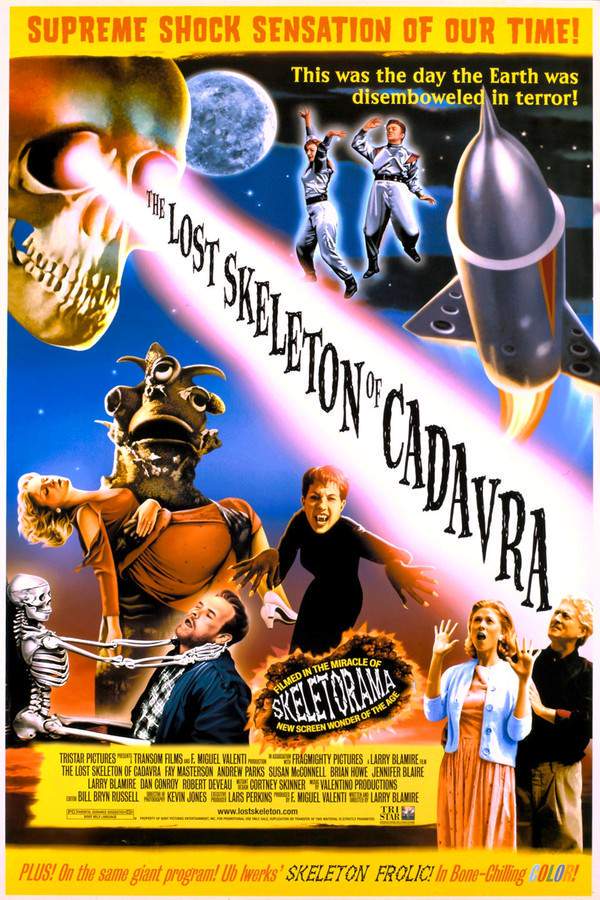
The Lost Skeleton of Cadavra (2004) movie poster

Characters & Themes

The Lost Skeleton of Cadavra (2004) Characters, Setting & Themes Explained

Release, runtime and language
2004 · 90 min · English
Loading streaming availability…
Starring
Brian Howe, Fay Masterson, Larry Blamire

A quirky and comedic horror film follows a brilliant but somewhat clumsy scientist and his wife. They find themselves in a bizarre competition with a ruthless rival, all vying to unlock the secrets held within a mysterious meteorite. Unbeknownst to them, extraterrestrial forces are also seeking the meteorite’s power, leading to a chaotic and hilarious struggle for control.

On this page (7)
  1. 1 Where to watch
  2. 2 Characters explained (3)
  3. 3 Where & when it takes place
  4. 4 Themes & meaning (3)
  5. 5 Character & meaning questions
  6. 6 Movie threads
  7. 7 Every angle
Loading streaming availability…

3 main characters · contains spoilers

The Lost Skeleton of Cadavra Characters Explained: Who Is Who

The main characters of The Lost Skeleton of Cadavra (2004), heroes and villains: what drives them, how they change over the course of the story and what each of them reveals about the film's bigger ideas.

  • Dr. Paul Armstrong (Larry Blamire)

    Dr. Paul Armstrong is depicted as an ambitious scientist, eager to uncover new elements that could revolutionize his field. His determination drives the narrative, leading him into the chaos of both human and alien encounters. Despite facing numerous challenges, he remains resilient, showcasing a blend of brilliance and vulnerability.

    • 👨‍🔬 Scientist
    • 🚀 Ambition
  • Betty (Fay Masterson)

    Betty is characterized by her unwavering support and love for Dr. Armstrong, providing both emotional strength and practical assistance throughout their adventure. Her empathy and bravery are highlighted when facing dangers posed by extraterrestrials and dark forces, showcasing her as a vital partner in their journey.

    • ❤️ Supportive
    • 🌟 Bravery
  • Dr. Roger Fleming (Brian Howe)

    Dr. Fleming serves as the primary antagonist with an obsessive focus on the mysteries of Cadavra Cave. His desire for the atmosphereum leads to manipulation and treachery, demonstrating a flawed yet brilliant mind. His character highlights the darker side of ambition, where desperation transcends morality.

    • 🧪 Obsession
    • ⚔️ Treachery

Last updated: October 23, 2024 at 08:46

Was this helpful?

Setting

Where and When Does The Lost Skeleton of Cadavra Take Place?

The setting of The Lost Skeleton of Cadavra (2004): the year and time period, the places and locations, and how they shape the characters, the mood and the tension of the story.

Time period

Summer of 1961

The events unfold in the summer of 1961, a time marked by both scientific exploration and fascination with outer space. The 1960s brought significant advancements and interest in the realms of science fiction and extraterrestrial life, setting the stage for extraordinary adventures. Amid these societal changes, the characters' pursuits are interwoven with the exploration of both science and the unknown.

Location

Cadavra Cave, a quaint farmhouse, the mountains

The movie takes place in the enchanting mountains and a quaint farmhouse characterizing a picturesque but eerie landscape. Cadavra Cave is known for its mysterious tales and the rumored Lost Skeleton, adding to the film's intrigue. Set against this backdrop of natural beauty, the characters navigate a space filled with both scientific discovery and extraterrestrial mystique.

  • ⛰️ Nature
  • 🏠 Farmhouse
  • 🌌 Mysterious Cavern

Last updated: October 23, 2024 at 08:46

Was this helpful?

3 major themes

The Lost Skeleton of Cadavra Meaning: Themes & Message Explained

What is The Lost Skeleton of Cadavra (2004) really about? The emotional, social and philosophical themes the film keeps returning to, its symbolism and the message beneath the surface.

  • Extraterrestrial Encounters

    The theme of extraterrestrial encounters plays a central role in the story, as two aliens seek to repair their damaged spacecraft. Their plight intertwines with the human characters, leading to a cross-species collaboration that highlights the potential for unity across different worlds. This theme emphasizes the importance of understanding and cooperation in the face of mutual challenges.

  • Scientific Exploration

    Scientific exploration drives the narrative as Dr. Armstrong's quest for atmosphereum reflects mankind's relentless pursuit of knowledge. The film cleverly fuses comedy with elements of sci-fi, critiquing the obsession with scientific advancement. This theme captures the fine balance between ambition and ethical responsibility when delving into the unknown.

  • Betrayal and Alliance

    Betrayal and unexpected alliances shape the movie's plot, revealing how trust can be manipulated, particularly through Dr. Fleming's treachery. Within this chaotic backdrop, characters must navigate their relationships and motivations, showcasing the complex dynamics of trust in unexpected circumstances. Ultimately, it emphasizes the need for unity against a common enemy.

Last updated: October 23, 2024 at 08:46

Was this helpful?

Character & theme questions

The Lost Skeleton of Cadavra Characters & Meaning: Your Questions Answered

The questions people ask about The Lost Skeleton of Cadavra (2004): who the characters really are, their relationships, what the symbols mean, where it takes place and what the movie is really about. Each answer contains spoilers.

Q1

Where is the movie set?

The story takes place in the enchanting mountains and countryside surrounding a quaint farmhouse, with Cadavra Cave serving as a mysterious focal point. This eerie yet picturesque setting blends natural beauty with an atmosphere of intrigue, creating the perfect backdrop for the film's blend of scientific discovery and extraterrestrial mystery.

  • cadavra cave
  • farmhouse
  • mountains
  • setting
  • location
Q2

What time period is the film set in?

The movie is set in the summer of 1961, during an era when scientific exploration and fascination with outer space were at a cultural peak. This specific time period allows the film to pay homage to the classic low-budget sci-fi films of the early 1960s while leveraging the era's enthusiasm for extraterrestrial possibilities.

  • 1961
  • summer
  • 1960s
  • time period
  • era
Q3

What is Cadavra Cave?

Cadavra Cave is a mysterious cavern featured in the film's lore, known for its rumored Lost Skeleton and传说. The cave serves as a key location that draws Dr. Fleming's obsessive attention and plays into the film's themes of scientific obsession and the unknown.

  • cadavra cave
  • mysterious cavern
  • skeleton
  • location
Q4

What is atmosphereum and why is it important?

Atmosphereum is the mysterious element Dr. Armstrong seeks, which could revolutionize scientific knowledge. This fictional substance drives much of the conflict between the human characters, as its potential power attracts both ambitious scientists and extraterrestrial interests.

  • atmosphereum
  • element
  • meteorite
  • scientific discovery
Q5

Who is Dr. Paul Armstrong?

Dr. Paul Armstrong is the film's protagonist, an ambitious scientist portrayed by Larry Blamire. He is determined to uncover new elements and make a groundbreaking discovery. His quest for atmosphereum leads him into encounters with rival scientists, extraterrestrials, and the mysteries of Cadavra Cave.

  • dr paul armstrong
  • scientist
  • protagonist
  • character
Q6

Who is Betty and what role does she play?

Betty is Dr. Armstrong's supportive wife, portrayed by Fay Masterson. She provides emotional strength and practical assistance throughout their adventure. Her empathy and bravery are essential as she faces dangers from extraterrestrials and dark forces, serving as a vital partner in their journey.

  • betty
  • wife
  • dr armstrong's wife
  • character
Q7

Who is Dr. Roger Fleming?

Dr. Roger Fleming is the film's primary antagonist, portrayed by Brian Howe. He is obsessed with the mysteries of Cadavra Cave and desperately seeks the atmosphereum for himself. His character represents the darker side of scientific ambition, where obsession leads to manipulation and treachery against his rivals.

  • dr roger fleming
  • antagonist
  • villain
  • character
Q8

What role do aliens play in the story?

The film centers on two aliens who are trying to repair their damaged spacecraft. Their quest becomes intertwined with the human characters, creating a cross-species collaboration that emphasizes unity and cooperation against shared challenges. This theme explores how understanding between different worlds can overcome mutual threats.

  • aliens
  • extraterrestrials
  • spacecraft
  • ufo
Q9

How does the film approach scientific exploration?

Scientific exploration drives the narrative through Dr. Armstrong's relentless pursuit of atmosphereum, representing humanity's quest for knowledge. The film comedicly critiques scientific obsession while celebrating curiosity. It explores the balance between ambition and ethical responsibility when delving into the unknown.

  • science
  • scientific exploration
  • discovery
  • atmosphereum
Q10

What does the film say about trust and betrayal?

Betrayal and unexpected alliances shape the plot, particularly through Dr. Fleming's treachery as he manipulates situations for personal gain. The film showcases how trust can be manipulated in chaotic circumstances, ultimately emphasizing the need for unity against common enemies.

  • betrayal
  • trust
  • alliance
  • dr fleming
  • antagonist
Q11

What kind of film is The Lost Skeleton of Cadavra?

The Lost Skeleton of Cadavra is a whimsical comedy that parodies low-budget sci-fi and horror films from the 1950s and 1960s. It embraces a loving, affectionate tone toward classic genre tropes, using deliberate camp and theatricality to create humor rather than genuine tension or threat.

  • comedy
  • parody
  • sci-fi
  • horror
  • spoof
  • retro
Q12

What is the film's tone like?

The film maintains a consistently whimsical, lighthearted tone throughout. While it includes elements of horror and science fiction, the stakes remain comedic rather than genuinely threatening. The ending is unambiguously happy, restoring harmony and resolving conflicts with humor rather than gravitas.

  • tone
  • whimsical
  • comedy
  • humor
  • lighthearted

Movie threads

More Movies Like The Lost Skeleton of Cadavra, by Mood & Story

Curated lists built around what makes The Lost Skeleton of Cadavra tick: the same mood, the same kind of story or the same emotional payoff. Each list explains why these movies belong together.

Loving Genre Parodies like The Lost Skeleton of Cadavra

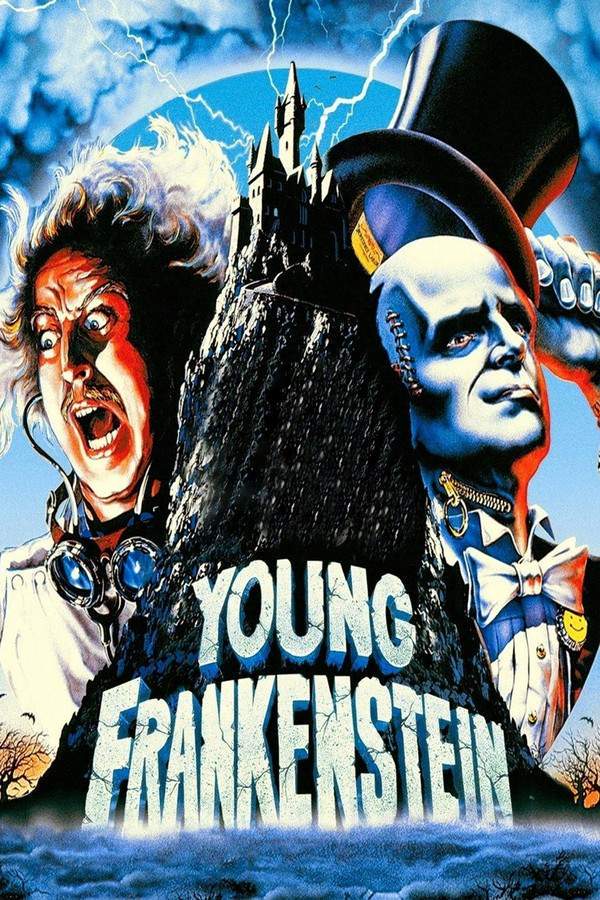
Playful homages that affectionately mock the tropes of classic B-movies. If you liked the affectionate goofiness of The Lost Skeleton of Cadavra, you'll enjoy these movies. This section features films that lovingly parody classic genres, from sci-fi and horror to action, with a focus on comedic homage rather than mean-spirited mockery. Discover movies like Black Dynamite or Young Frankenstein that share this playful, retro vibe.

  • parody
  • homage
  • retro
  • silly
  • campy
  • lighthearted
  • Tone: whimsical, playful, comical
  • Pacing: steady, episodic
Why these movies?

The story pattern: Stories in this thread often follow a recognizable genre plot—scientists discovering a monster, spies on a mission—but deliberately overplay the clichés, awkward dialogue, and low-budget conventions. The narrative journey is less about surprise and more about the joy of recognizing and laughing with the tropes. Character arcs are typically simple and serve the comedic premise.

Why they belong together: Movies are grouped here because they share a core approach: they are comedies built on a foundation of deep affection for a specific style of filmmaking. The similarity comes from the whimsical tone, the light emotional weight, and the focus on replicating and exaggerating a particular cinematic era's aesthetic for laughs.
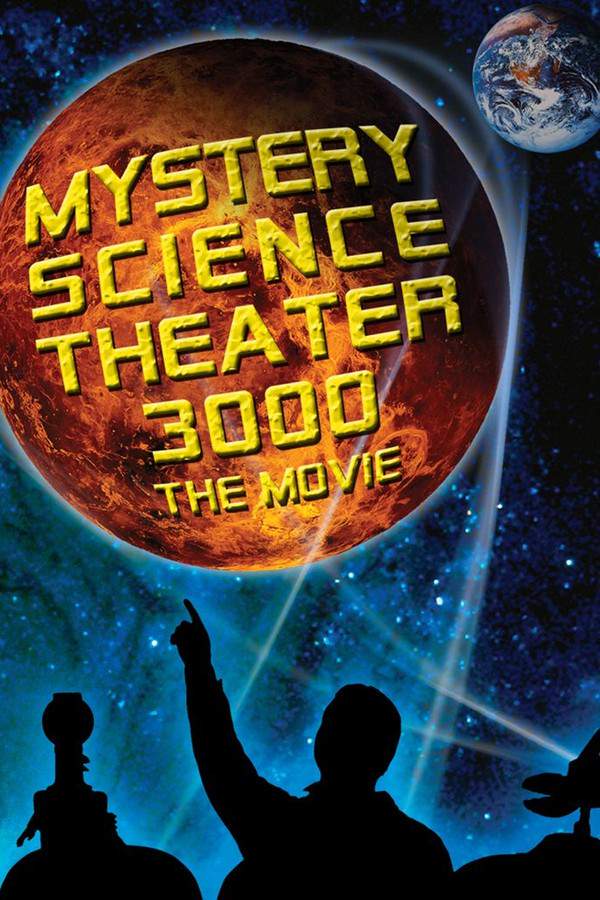
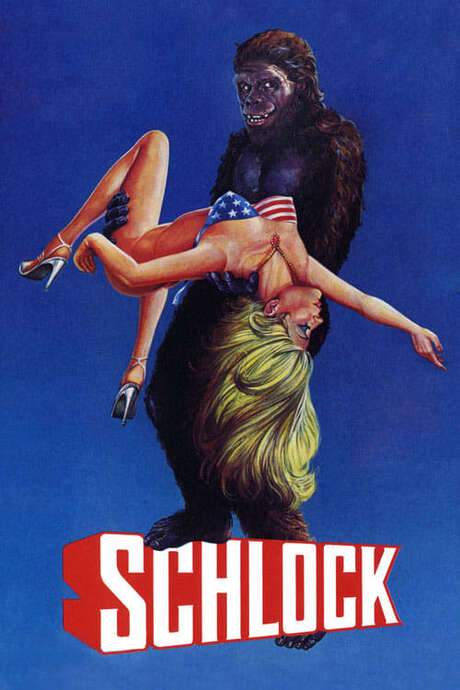
Movies with Whimsical Chaos like The Lost Skeleton of Cadavra

Stories where absurd situations and odd characters collide in harmless, hilarious ways. Fans of The Lost Skeleton of Cadavra enjoy its specific brand of harmless, bizarre fun. This list finds other films where silly scientists, weird monsters, and unlikely alliances create a steady stream of comedic chaos. If you like stories where the plot is an engine for whimsical nonsense and lighthearted humor, explore these similar movies.

  • quirky
  • bizarre
  • silly
  • lighthearted
  • chaotic
  • eccentric characters
  • Tone: whimsical, bizarre, quirky
  • Pacing: steady, building absurdity
Why these movies?

The story pattern: The narrative pattern involves introducing a simple premise that quickly escalates as new, bizarre elements are added one after another. The story is less about deep conflict and more about the humorous domino effect of these oddities interacting. The chaos is contained and resolved happily, often with characters forming unexpected, comedic bonds.

Why they belong together: These films are grouped by their shared vibe of playful absurdity. They maintain a low-stakes, high-fun atmosphere where the primary goal is to generate laughs through quirky characters and escalating silly situations. The steady pacing and straightforward plots ensure the focus remains on the whimsical tone and light emotional weight.

Every angle

The Lost Skeleton of Cadavra (2004) Explained: Plot, Timeline & Characters

Everything about The Lost Skeleton of Cadavra in one place: what happens in the plot summary, the timeline in chronological order, the characters and meaning and a spoiler-free summary. What's After the Movie adds the cast, box office and post-credit scenes.

Coming soon on iOS and Android

The Plot Explained Movie Summary App

Plot summaries, endings explained and timelines on your phone. Catch up on any movie in minutes, save your favorites and never miss a twist again.

Be the first to know when we launch. Your email stays private, always.

Learn more about the app