Year: 2017
Runtime: 83 min
Language: English
Director: Hope Dickson Leach
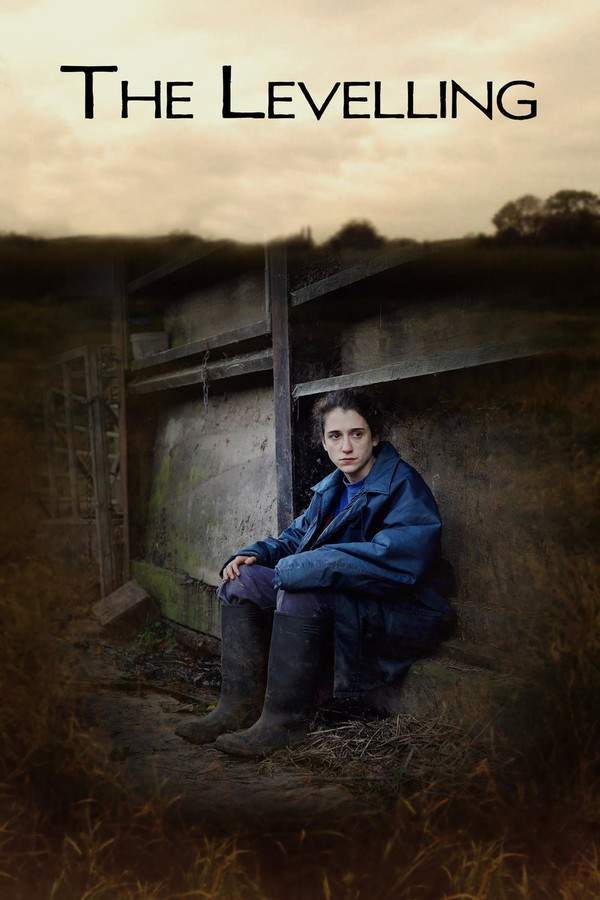
Following devastating floods, Clover Catto returns to her family’s Somerset farm and reconnects with her estranged father, Aubrey. Facing the aftermath of tragedy and her own past absence, a complicated relationship develops between them. While dealing with the circumstances surrounding Charlie’s death, they must confront painful truths and navigate the challenges that threaten their fragile connection.
Find where to stream, rent, or buy The Levelling (2017) in the US with current JustWatch availability, up-to-date pricing, and platform listings for subscription, rental, and digital purchase options.
Warning: spoilers below!
Haven’t seen The Levelling yet? This summary contains major spoilers. Bookmark the page, watch the movie, and come back for the full breakdown. If you're ready, scroll on and relive the story!
Trace every key event in The Levelling (2017) with our detailed, chronological timeline. Perfect for unpacking nonlinear stories, spotting hidden connections, and understanding how each scene builds toward the film’s climax. Whether you're revisiting or decoding for the first time, this timeline gives you the full picture.
Last updated: November 22, 2024 at 15:39
Find frequently asked questions about the The Levelling (2017) timeline, including chronological order, nonlinear jumps, cause-and-effect links, and scene sequence clarifications. This timeline FAQ helps explain when key events happen, how moments connect, and why the story unfolds in that specific order.
Aubrey cannot accept Harry's suicide because doing so would mean acknowledging his own role in his son's death. James reveals that Harry and Aubrey had a fierce argument at a party about Harry taking on farm responsibilities, which placed immense pressure on him. By insisting the death was an accident, Aubrey protects himself from the guilt of believing his demands contributed to Harry's decision to end his life.
Earlier scenes show Aubrey retreating into silence and denial whenever Clover tries to discuss Harry, establishing his inability to confront painful truths.
The film doesn't explicitly explain why Harry buried the badgers, but the discovery occurs alongside revelations about his mental state. The buried badgers symbolize the hidden troubles Harry carried, much like the buried tension in the family. This discovery adds to the sense that Harry was struggling with burdens no one knew about.
Clover initially suspects Aubrey of burying the badgers, but learns it was Harry, foreshadowing that Harry carried secrets and struggles the family was unaware of.
Aubrey insists on culling the male calf because male calves have no economic value on a dairy farm, they cannot produce milk and would require feeding without returning profit. The farm is already in dire financial straits, with Aubrey planning to sell half the herd. This harsh decision reflects the brutal economics of farming and Aubrey's desperation to survive financially.
The financial troubles were earlier revealed when Clover discovers Aubrey's plan to sell half the herd, making the culling request feel consistent with his desperation.
Aubrey's breakdown stems from overwhelming grief combined with guilt and self-medication. On the morning of the funeral, he has been drinking heavily to numb his pain. When Clover discovers the missing gun key, she realizes something is wrong, but before she can act, Aubrey shoots several of his beloved cows. This act represents his complete emotional collapse, he cannot cope with Harry's death, his guilt over their argument, and the farm's failing state, so he destroys the one thing he has left to control.
The missing gun key earlier signals that Aubrey has reached a breaking point, and his self-medication has escalated from earlier scenes where he was already struggling to cope.
James tells Clover that the argument between Harry and Aubrey occurred at a party and involved intense pressure from Aubrey for Harry to take on farm responsibilities. Harry felt burdened by expectations to inherit and run the family farm, while Aubrey pushed him to commit to the agricultural lifestyle. This pressure contributed to Harry's mental state and ultimate decision.
This revelation explains why Aubrey cannot accept Harry's suicide, he knows his own demands played a role in his son's death.
The petrol cans in the kitchen represent the disorder and neglect on the farm following Harry's death. With Aubrey overwhelmed by grief, normal safety protocols have broken down. Clover's discovery raises immediate safety concerns, particularly when she later brings James into the home with these flammable liquids present. It underscores how the family has fallen into disarray.
This moment foreshadows the chaotic, unsafe environment that leads to Aubrey's later breakdown with the gun.
When Clover confronts Aubrey about the TB testing and the farm's troubles, he defensively blames her for leaving and not supporting the family. Aubrey's anger toward Clover stems from his own guilt and inability to process Harry's death. Rather than facing his shortcomings as a father, he redirects his frustration at Clover for being absent, even though she returned specifically to help during this crisis.
This confrontation leads to Aubrey throwing Clover out of the mobile home, showing how his grief has made him push away the one person trying to help.
The ending represents a tentative, fragile beginning of healing. After Aubrey's breakdown and the traumatic act of culling his herd, he begs Clover to return to university, revealing his deepest fear of being abandoned. When Clover asks "You're saying I should go?" she acknowledges the complexity of their situation. Their embrace in the muddy field, both crying, marks the first moment they share their grief openly rather than hiding behind denial or silence. It's hopeful but not resolved, they have started to confront their loss together, but the road ahead remains uncertain.
Throughout the film, Clover's attempts to connect with Aubrey are met with resistance. This embrace shows she has finally broken through his emotional walls through compassion rather than confrontation.
The farm is in severe financial difficulty. Aubrey has decided to sell half of the herd to raise money, indicating desperate straits. The arrival of Animal Health to test for tuberculosis adds another crisis, if the herd tests positive, they could face compulsory culling and further financial ruin. These mounting pressures contribute to the toxic atmosphere that helps explain the family's dysfunction and Harry's struggles.
The financial troubles explain why Aubrey makes harsh decisions like culling the calf and selling the herd, desperation drives his choices.
Discover curated groups of movies connected by mood, themes, and story style. Browse collections built around emotion, atmosphere, and narrative focus to easily find films that match what you feel like watching right now.
Characters return to dying homes to confront shared loss and buried truths.If you liked The Levelling's portrayal of a daughter returning to a decaying farm to process grief, you'll find similar movies here. These dramas explore the complex dynamics of estranged families reuniting under tragic circumstances, set against backdrops that reflect their emotional desolation.
The narrative follows a character, often an adult child, returning to a childhood home after a death or other calamity. The story unfolds slowly, focusing on the awkward, tense interactions with a remaining family member. The process involves uncovering secrets about the tragedy and the family's history, leading to a catharsis that is often bittersweet and doesn't offer easy solutions.
Movies are grouped here for their shared focus on grief as a catalyst for family reunion, the use of a dilapidated setting to enhance mood, and a somber, reflective tone that prioritizes emotional authenticity over dramatic plot twists.
Stories that sit with profound grief and loss without sensationalism.For viewers seeking movies with a similar solemn mood to The Levelling. These films share a slow, deliberate pace and a heavy emotional weight, focusing on the raw, quiet experience of processing immense loss and the often bleak realities that follow.
These narratives are typically straightforward and character-driven, following individuals or small groups in the immediate aftermath of a life-shattering event. The plot is secondary to the exploration of feeling; the journey is one of endurance and subtle shifts in understanding rather than clear resolution. Endings are often bittersweet or bleak, acknowledging that some wounds don't fully heal.
This grouping is defined by a consistent, melancholic tone, a slow pacing that allows the audience to sit with the characters' pain, and a primary thematic focus on the visceral, quiet experience of grief and its lingering aftermath.
Don't stop at just watching - explore The Levelling in full detail. From the complete plot summary and scene-by-scene timeline to character breakdowns, thematic analysis, and a deep dive into the ending - every page helps you truly understand what The Levelling is all about. Plus, discover what's next after the movie.
Read a complete plot summary of The Levelling, including all key story points, character arcs, and turning points. This in-depth recap is ideal for understanding the narrative structure or reviewing what happened in the movie.
Discover the characters, locations, and core themes that shape The Levelling. Get insights into symbolic elements, setting significance, and deeper narrative meaning - ideal for thematic analysis and movie breakdowns.
Discover movies like The Levelling that share similar genres, themes, and storytelling elements. Whether you’re drawn to the atmosphere, character arcs, or plot structure, these curated recommendations will help you explore more films you’ll love.
The Levelling (2017) Plot Summary & Movie Recap
The Levelling (2017) Scene-by-Scene Movie Timeline
The Levelling (2017) Spoiler-Free Summary & Key Flow
Movies Like The Levelling – Similar Titles You’ll Enjoy
The Tale (2018) Complete Plot Breakdown
The Lesson (2015) Full Summary & Key Details
A Teacher (2013) Plot Summary & Ending Explained
The Delinquent Season (2018) Spoiler-Packed Plot Recap
Meadowland (2015) Detailed Story Recap
The English Teacher (2013) Detailed Story Recap
Echo Valley (2025) Full Summary & Key Details
Tutor (2018) Ending Explained & Film Insights
Cavedweller (2004) Film Overview & Timeline
Leef! (2005) Full Movie Breakdown
A Teacher (1000) Plot Summary & Ending Explained
The Teacher (1974) Movie Recap & Themes
Summerfield (1977) Plot Summary & Ending Explained
A Village Affair (1995) Complete Plot Breakdown
All Things Fair (1995) Full Summary & Key Details