Year: 1976
Runtime: 90 mins
Language: Spanish
Director: Raúl de Anda Jr.
The De La Vega family is renowned and affluent across the region. When Diego, the youngest son of Don Alejandro, returns from a four‑year stay in Spain, he discovers his hometown under the thumb of a corrupt military that dispossesses farmers, turns their land into camps, sells it to fund troops and enslaves villagers. Assuming the mantle of Zorro, Diego battles the forces to restore liberty and justice to the oppressed.
Warning: spoilers below!
Haven’t seen The Great Adventure of Zorro yet? This summary contains major spoilers. Bookmark the page, watch the movie, and come back for the full breakdown. If you're ready, scroll on and relive the story!
Read the complete plot breakdown of The Great Adventure of Zorro (1976), including all key story events, major twists, and the ending explained in detail. Discover what really happened—and what it all means.
The De La Vegas are a wealthy and prestigious family known throughout the territory. When the youngest son of Don Alejandro de La Vega, Diego Rodolfo de Anda returns from his four-year stay in Spain, he finds his hometown oppressed by corrupt military forces. Farmers are being run from their homes, their land turned into military camps or sold off to fund the army, and the poor villagers are being treated as slaves. The mood is tense, and the old order is slipping away as soldiers tighten their grip on the countryside.
The film opens with Zorro already in place, presenting a world where the masked avenger operates without an explicit origin tale. Don Diego de la Vega confides in his loyal servant Kino about why he wears the Zorro persona, and the tale hints at a shared history and a secret kept within the household. Zorro’s presence looms large as a myth over the town, a symbol of resistance that many doubt will ever become real in the face of military power. The atmosphere blends daring escapades with a quiet, steadfast resolve to restore freedom to the oppressed, even as the legend grows in the streets.
As the story unfolds, Zorro engages in multiple confrontations with the local military, swearing to restore order and defend the common people from exploitation. Yet to many, Zorro remains nothing more than a legend, a story whispered in taverns and fields rather than a concrete force in the streets. The tension rises when the eldest son of Don Alejandro plans to wed Helena Helena Rojo, the daughter of a fellow wealthy caballero. Helena’s father contemplates selling his mansion and retiring, hoping to secure a comfortable future for his family. The prospect of a new alliance threatens the old power structures, and a buyer appears to facilitate the deal.
The buyer, Pedro Armendáriz Jr., seemingly friendly and charming, wins the trust of both families. But his generosity hides a ruthless motive: after the deal is sealed, he kills the caballero and mortally wounds the elder De la Vega, escaping with the money. In a chilling move, he marks the carriage and the surrounding area with the infamous “Z,” the symbol that Zorro has come to embody. This act of betrayal sows confusion and fear, turning neighbors against the masked defender and painting Zorro as a violator in the eyes of many townsfolk.
Suddenly the town is gripped by a wave of crimes executed under a counterfeit Zorro guise, using a version of the mask and costume to impersonate the hero. The real Zorro must contend with a growing perception that the legend has betrayed them, while the military tighten their investigation and narrow their search back to the De La Vega mansion. The resulting manhunt escalates into a full-blown pursuit, as the real Zorro is forced to clear his name, uncover who is sabotaging his image, and seek justice for the death of the caballero and the threats to his family.
Throughout the turmoil, the story weaves together themes of loyalty, power, and resistance. The De La Vegas’ wealth and influence collide with the ruthlessness of those who would steal land and murder for profit, highlighting the precarious balance between nobility and oppression. As the pursuit intensifies, the true identity of the saboteurs remains a mystery, while Zorro’s legend continues to grow—both a beacon of hope and a target for those who fear his retribution. The film culminates in a tense confrontation that tests courage, trust, and the enduring fight for justice in a land where every oath and alliance can be broken by money and ambition.
Rodolfo de Anda delivers a nuanced portrayal of Diego, the man behind the mask, whose personal loyalties are tested as the town’s fate hangs in the balance. Jorge Russek embodies the Capitan at the center of the conflict, a figure torn between order and the humanity of the people he polices. The looming specter of Zorro’s legend becomes a catalyst for change, forcing every character to question where their true loyalties lie and what they are willing to sacrifice to uncover the truth. The narrative unfolds with a careful balance of action, intrigue, and character-driven moments that keep the story moving while honoring the core themes of justice and resilience.
Last Updated: October 09, 2025 at 14:06
Discover curated groups of movies connected by mood, themes, and story style. Browse collections built around emotion, atmosphere, and narrative focus to easily find films that match what you feel like watching right now.
Daring heroes fight for the common people against oppressive, corrupt systems.If you enjoyed The Great Adventure of Zorro, you'll find more thrilling stories here. This collection features heroic adventures where masked vigilantes or charismatic rebels fight corrupt authorities, perfect for fans of classic action, clear moral stakes, and triumphant endings.
Stories in this thread typically follow a classic heroic arc: a protagonist, often from a privileged background or hiding a secret identity, witnesses injustice and chooses to become a symbol of resistance. The plot involves a series of confrontations with a corrupt antagonist, building towards a final, decisive victory that liberates the oppressed and restores order.
These movies are grouped by their shared core conflict—a lone hero challenging a powerful, unjust establishment—and their specific tone, which blends tense action with a fundamentally hopeful and morally clear outlook. The pacing is usually steady, focusing on the hero's progression and the escalation of their crusade.
Protagonists leading double lives to secretly fight for justice and protect their community.Explore more movies where heroes live double lives, similar to Diego's transformation into Zorro. These films master the art of suspenseful deception, featuring protagonists who must balance their public identity with a dangerous secret mission for the greater good.
The narrative pattern revolves around the protagonist's constant juggling act between their two identities. Key plot points often involve near-discoveries, using the secret identity to gain strategic advantages, and the internal conflict between personal safety and the duty to act. The climax frequently forces a confrontation where the secret is at maximum risk.
Movies are grouped here based on the core trope of the secret identity and the specific moods it creates: suspense from the threat of exposure, intellectual pleasure from the hero's cunning, and the thematic exploration of justice versus personal obligation. The tone is typically tense, and the pacing is steady as the hero's dual life becomes increasingly complex.
Don't stop at just watching — explore The Great Adventure of Zorro in full detail. From the complete plot summary and scene-by-scene timeline to character breakdowns, thematic analysis, and a deep dive into the ending — every page helps you truly understand what The Great Adventure of Zorro is all about. Plus, discover what's next after the movie.
Track the full timeline of The Great Adventure of Zorro with every major event arranged chronologically. Perfect for decoding non-linear storytelling, flashbacks, or parallel narratives with a clear scene-by-scene breakdown.
Discover the characters, locations, and core themes that shape The Great Adventure of Zorro. Get insights into symbolic elements, setting significance, and deeper narrative meaning — ideal for thematic analysis and movie breakdowns.
Get a quick, spoiler-free overview of The Great Adventure of Zorro that covers the main plot points and key details without revealing any major twists or spoilers. Perfect for those who want to know what to expect before diving in.
Visit What's After the Movie to explore more about The Great Adventure of Zorro: box office results, cast and crew info, production details, post-credit scenes, and external links — all in one place for movie fans and researchers.
Discover movies like The Great Adventure of Zorro that share similar genres, themes, and storytelling elements. Whether you’re drawn to the atmosphere, character arcs, or plot structure, these curated recommendations will help you explore more films you’ll love.
The Great Adventure of Zorro (1976) Scene-by-Scene Movie Timeline
The Great Adventure of Zorro (1976) Movie Characters, Themes & Settings
The Great Adventure of Zorro (1976) Spoiler-Free Summary & Key Flow
Movies Like The Great Adventure of Zorro – Similar Titles You’ll Enjoy
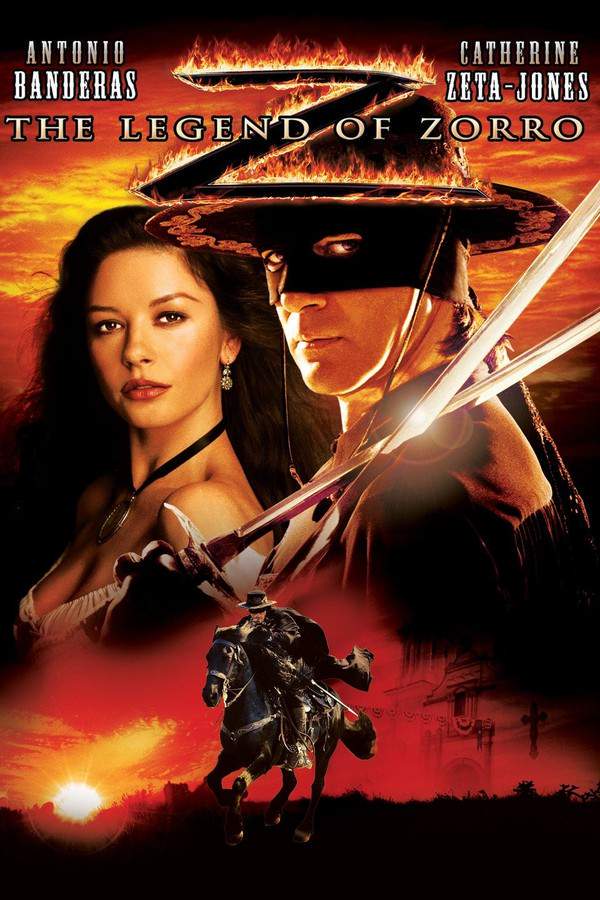
The Legend of Zorro (2005) Detailed Story Recap
Zorro: The Gay Blade (1981) Ending Explained & Film Insights
Zorro the Fox (1968) Ending Explained & Film Insights
The Erotic Adventures of Zorro (1972) Plot Summary & Ending Explained
Zorro the Avenger (1962) Ending Explained & Film Insights
The Sign of Zorro (1958) Full Movie Breakdown
The Shadow of Zorro (1962) Ending Explained & Film Insights
Zorro (1975) Spoiler-Packed Plot Recap
The Mark of Zorro (1940) Movie Recap & Themes
Zorro’s Fighting Legion (1939) Full Movie Breakdown
The Mark of Zorro (1974) Story Summary & Characters
The Legend of Zorro (1000) Detailed Story Recap
Zorro, the Avenger (1959) Plot Summary & Ending Explained
Zorro, Rider of Vengeance (1971) Spoiler-Packed Plot Recap
The Mark of Zorro (1975) Complete Plot Breakdown