They competed to become top bandleaders in the swing era, battling rivals on the “street of broken hearts.” The film follows brothers Tommy and Jimmy Dorsey from their humble Pennsylvania upbringing, their ascent to fame, their eventual estrangement, and their heartfelt reconciliation.
Find where to stream, rent, or buy The Fabulous Dorseys (1947) in the US with current JustWatch availability, up-to-date pricing, and platform listings for subscription, rental, and digital purchase options.
Warning: spoilers below!
Haven’t seen The Fabulous Dorseys yet? This summary contains major spoilers. Bookmark the page, watch the movie, and come back for the full breakdown. If you're ready, scroll on and relive the story!
Trace every key event in The Fabulous Dorseys (1947) with our detailed, chronological timeline. Perfect for unpacking nonlinear stories, spotting hidden connections, and understanding how each scene builds toward the film’s climax. Whether you're revisiting or decoding for the first time, this timeline gives you the full picture.
Last updated: October 09, 2025 at 10:45
Find frequently asked questions about the The Fabulous Dorseys (1947) timeline, including chronological order, nonlinear jumps, cause-and-effect links, and scene sequence clarifications. This timeline FAQ helps explain when key events happen, how moments connect, and why the story unfolds in that specific order.
Tommy and Jimmy Dorsey split because of irreconcilable creative differences. Tommy wanted a livelier, more rhythmic jazz style while Jimmy preferred a more structured, tighter arrangement. Their constant bickering over musical direction escalated until Tommy walked out for good, leaving Jimmy to continue with the renamed Jimmy Dorsey Band.
Their conflicting artistic visions were hinted at during the early radio test when Jimmy objected to Tommy's daring solo.
The American Concerto was an unpublished composition by Robert Burton, Jane's fiancé. Jane secretly gave a copy to Paul Whiteman, who used it to lure both brothers to perform at a charity concert. The concerto served as the catalyst that forced them to rehearse separately at first, but ultimately brought them together for the reunion performance.
Robert Burton had been composing toward 'The American Concerto' as his larger ambition throughout the mid-1920s.
The rivalry stemmed from fundamentally different views on jazz music. Tommy pushed for more energetic, spontaneous performances while Jimmy advocated for tighter, more organized arrangements. These competing artistic visions created constant tension within the Dorsey Brothers Orchestra, eventually driving Tommy to leave and form his own band.
Even during their early radio test, Tommy's solo triggered a clash with Jimmy, hinting at their conflicting musical philosophies.
The brothers reconciled when they learned their father was gravely ill. Both hurried home to Shenandoah and arrived in time to be with him. Their father's last wish was to see them reconcile, and they agreed to set aside their grievances for their mother's sake and their father's final request. They then performed together at the Whiteman charity concert.
Their mother had been a quiet undercurrent throughout the film, mourning the rift between her sons.
News that their father was seriously ill forced both Tommy and Jimmy to return home to Shenandoah. At his bedside, they realized their personal grievances were trivial compared to family unity. Their father's dying wish was to see his sons reconcile, which motivated them to put aside years of resentment and stand together again.
The timeline shows their father's illness as the pivotal moment that changed their priorities.
Paul Whiteman acted as the mediator in Jane's reconciliation plan. After Jane gave him Robert Burton's American Concerto, Whiteman invited both Tommy and Jimmy independently to perform the new concerto at a charity benefit. This strategic move created a situation where both brothers would be performing at the same event, setting the stage for their reunion.
Whiteman was already established as 'The King of Jazz' and had previously worked with the Dorseys.
Tommy left because he could no longer tolerate the constant creative conflict with Jimmy. When the disagreements over musical style became unbearable, Tommy walked out and formed his own orchestra, which later scored a hit with 'Moonlight in Vermont.' Jimmy kept the Dorsey name and achieved his own success with top radio and disc sales.
Tommy and Jimmy's clashing visions about whether the music should be lively or structured had been building throughout their time together.
Jane Howard was the brothers' childhood friend from Shenandoah who became their singer in the early Wild Canaries band. She served as a emotional bridge between Tommy and Jimmy throughout their rivalry. Her crucial contribution was devising the plan to use Robert Burton's American Concerto to bring the brothers back together for a reconciliation.
Jane had been watching the brothers practice since childhood, dreaming of bigger stages alongside them.
Whiteman invited them separately because neither brother was willing to perform together initially. Both Tommy and Jimmy resisted a joint return. By inviting them individually to perform the concerto, Whiteman created a way to get them to the same charity event without forcing them to acknowledge each other upfront, allowing the reunion to happen naturally.
The timeline notes that rehearsals were tense as both brothers resisted a joint return.
Jane secretly gave Whiteman the concerto because she knew it was the only way to orchestrate a reconciliation between the feuding brothers. She did not tell Robert because she needed the plan to work without interference or debate. The secret approach was crucial to her strategy of bringing both Dorseys together for a joint performance.
Jane's earlier plan to bridge the divide had been established when she realized reconciliation was possible.
Discover curated groups of movies connected by mood, themes, and story style. Browse collections built around emotion, atmosphere, and narrative focus to easily find films that match what you feel like watching right now.
Stories where competitive siblings clash, yet find their way back to family bonds.If you liked the story of Tommy and Jimmy Dorsey in The Fabulous Dorseys, discover more movies about competitive siblings. These films explore the intense bond of brotherhood and sisterhood, featuring characters who strive for individual success but ultimately find their greatest strength in coming back together.
These narratives typically follow siblings from a shared origin into a world where they become rivals, driven by professional or personal ambition. A significant estrangement creates emotional conflict, but the story arc is ultimately one of healing, leading to a climactic and rewarding reconciliation that affirms their bond.
Movies are grouped here for their focus on the specific emotional arc of sibling relationships—competitive yet deeply connected. They share a mix of familial tension, heartfelt drama, and a hopeful, uplifting resolution that leaves viewers with a sense of restored harmony.
Journeys through fame, struggle, and the ultimate joy of creative success.Fans of The Fabulous Dorseys will enjoy these similar movies based on true stories of musicians and artists. These films capture the energy of a creative era, follow a steady rise to fame, and deliver a feel-good, hopeful ending that celebrates artistic legacy and personal triumph.
These plots often follow a linear, steady pace, tracing the subject's life from humble beginnings to the peak of their fame. Conflict arises from industry pressures, personal relationships, or internal doubts, but these obstacles are overcome, leading to a finale that reaffirms the value of their art and the fulfillment of their dreams.
These films are connected by their biographical nature, a hopeful and nostalgic tone, and a narrative structure that builds towards a positive, celebratory ending. They blend historical setting with personal drama, creating an inspiring and melodic viewing experience.
Don't stop at just watching - explore The Fabulous Dorseys in full detail. From the complete plot summary and scene-by-scene timeline to character breakdowns, thematic analysis, and a deep dive into the ending - every page helps you truly understand what The Fabulous Dorseys is all about. Plus, discover what's next after the movie.
Read a complete plot summary of The Fabulous Dorseys, including all key story points, character arcs, and turning points. This in-depth recap is ideal for understanding the narrative structure or reviewing what happened in the movie.
Discover the characters, locations, and core themes that shape The Fabulous Dorseys. Get insights into symbolic elements, setting significance, and deeper narrative meaning - ideal for thematic analysis and movie breakdowns.
Discover movies like The Fabulous Dorseys that share similar genres, themes, and storytelling elements. Whether you’re drawn to the atmosphere, character arcs, or plot structure, these curated recommendations will help you explore more films you’ll love.
The Fabulous Dorseys (1947) Plot Summary & Movie Recap
The Fabulous Dorseys (1947) Scene-by-Scene Movie Timeline
The Fabulous Dorseys (1947) Spoiler-Free Summary & Key Flow
Movies Like The Fabulous Dorseys – Similar Titles You’ll Enjoy
Swing Parade of 1946 (1946) Story Summary & Characters
Sweet and Low-Down (1944) Full Summary & Key Details
Doris and Doreen (1978) Ending Explained & Film Insights
Broadway Rhythm (1944) Detailed Story Recap
The Barkleys of Broadway (1949) Complete Plot Breakdown
Three Daring Daughters (1948) Plot Summary & Ending Explained
Sweet Music (1935) Ending Explained & Film Insights
The Life of Jimmy Dolan (1933) Full Summary & Key Details
The Dolly Sisters (1945) Complete Plot Breakdown
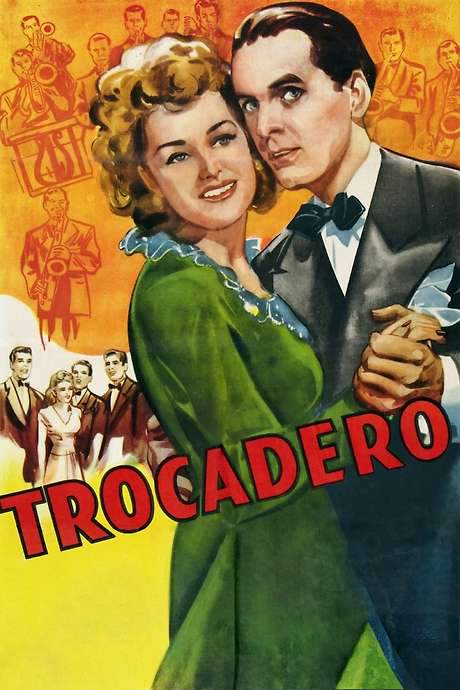
Trocadero (1944) Plot Summary & Ending Explained
Music Man (1948) Spoiler-Packed Plot Recap
Dancing Sweeties (1930) Plot Summary & Ending Explained
Blondie of the Follies (1932) Story Summary & Characters
The Affairs of Dobie Gillis (1953) Full Movie Breakdown
The Eddy Duchin Story (1956) Story Summary & Characters