Year: 1948
Runtime: 82 mins
Language: English
Director: Joseph Losey
Peter, an orphan, is taken in by Gramp Frye after his parents are killed on a European war‑relief mission. Though he feels safe, cruel teasing about his orphan status leaves him demoralised. He awakens with green hair, retreats to a forest, finds a hidden group of orphaned children, and joins them to use his strange new look to expose war's horrors.
Warning: spoilers below!
Haven’t seen The Boy with Green Hair yet? This summary contains major spoilers. Bookmark the page, watch the movie, and come back for the full breakdown. If you're ready, scroll on and relive the story!
Explore the full timeline and setting of The Boy with Green Hair (1948). Follow every major event in chronological order and see how the environment shapes the story, characters, and dramatic tension.
Last updated: October 04, 2025 at 14:50
Meet the key characters of The Boy with Green Hair (1948), with detailed profiles, motivations, and roles in the plot. Understand their emotional journeys and what they reveal about the film’s deeper themes.
Last updated: October 04, 2025 at 14:50
Explore the central themes of The Boy with Green Hair (1948), from psychological, social, and emotional dimensions to philosophical messages. Understand what the film is really saying beneath the surface.
Last updated: October 04, 2025 at 14:50
Browse frequently asked questions about The Boy with Green Hair (1948) focused on characters, relationships, themes, symbols, setting, and story context. This movie info FAQ gives spoiler-aware explanations for character arcs, world details, and thematic interpretation so readers can better understand what the film is really about.
The movie takes place in a small, close-knit American town. Key locations include Peter's school, a local barber shop, and a doctor's office. The everyday rhythms of this community are disrupted by Peter's transformation, and the setting emphasizes how community norms and gossip shape the fate of someone who is different.
The story is set in the late 1940s, in the immediate aftermath of World War II. This postwar era is marked by concerns about displaced children and the possibility of another war. The period provides a backdrop of collective anxiety, empathy, and a search for meaning in a recovering world.
The film explores several interconnected themes: War & Peace, examining how communities process the legacy of war through a child's perspective; Identity & Difference, focusing on accepting one's own identity and the identities of others; Child Agency, showing how children can influence adults when given a voice; and Public Perception & Fear, illustrating how fear can marginalize the innocent.
Peter Fry is the protagonist, a war orphan who lost his parents on a European war-relief mission. He is taken in by his grandfather, Gramp Fry. After being teased about his orphan status, he awakens with green hair, which becomes a powerful symbol of fear, difference, and the responsibilities that come with belief. Peter is earnest, introspective, and determined to warn others about the dangers of war affecting children.
Peter's green hair functions as a symbolic representation of difference and the responsibilities that come with belief. The film uses his altered appearance to critique how communities process the legacy of war. The green-haired boy becomes a symbol that invites fear, sympathy, and responsibility from adults, ultimately serving as a vehicle for the film's message about compassion toward vulnerable children.
Gramp Fry is Peter's caring guardian, a retired actor who provides the boy with stability and a home after his parents are killed. Portrayed by Pat O'Brien, he embodies patience and practical kindness as he navigates Peter's trauma and growing mission to deliver a message about war's dangers.
The film uses Peter's situation to critique how communities process the legacy of war. By centering a child's perspective, the story pushes for compassion over panic and for actions that protect vulnerable children. Peter drives the moral arc by choosing to deliver a message about war's dangers, suggesting that the innocents affected by war deserve attention and protection.
Dr. Evans is a psychologist who interacts with Peter to uncover the boy's past and the consequences of war. He recognizes the power of belief and supports Peter's message as a social warning rather than mere spectacle. Dr. Evans represents the understanding adult perspective that frames the film as a cautionary tale.
Peter's altered appearance forces the town to confront difference rather than suppress it. The tale argues that accepting one's own identity and the identities of others is essential to building a humane community. The posters of orphans that Peter finds mirror his own search for belonging and purpose, reinforcing the theme that difference should be embraced rather than feared.
War orphans are a central concern in the film, reflecting a pressing social issue of the late 1940s. Peter himself is a war orphan whose parents were killed on a European war-relief mission. The story explores how adults respond to war orphans and how these children are affected by the trauma of loss. The film uses Peter's journey to highlight the vulnerability and resilience of children displaced by war.
The town barber serves as a symbol of conformity and community pressure. When he shaves Peter's hair at the climax, it represents the town's attempt to make Peter fit in and erase his visible difference. This act anchors the ordinary life of the community while highlighting the tension between fitting in and staying true to one's identity.
Despite being a child, Peter drives the moral arc by choosing to deliver a message about war's dangers. The film portrays children as capable of influencing adults when given a voice and space to express beliefs. The narrative suggests that genuine beliefs, even when they come from youth, deserve consideration, positioning children as powerful agents of change rather than passive victims.
Discover curated groups of movies connected by mood, themes, and story style. Browse collections built around emotion, atmosphere, and narrative focus to easily find films that match what you feel like watching right now.
Gentle fables where a unique character becomes a symbol for a larger message.Discover movies like The Boy with Green Hair that use gentle fantasy and symbolic characters to explore themes of nonconformity and social justice. If you enjoyed this hopeful fable about prejudice and peace, you'll find similar stories with a melancholic yet uplifting tone.
Stories in this thread follow a character marked as different, often through a magical or symbolic trait. They face ostracism and misunderstanding, but their difference becomes a catalyst for delivering a profound message, leading to a journey of self-acceptance and often, societal awakening. The plots are character-driven and straightforward, focusing on the allegorical meaning.
These movies are grouped together because they share a unique blend of fantastical elements with serious human themes. They possess a reflective, symbolic mood, a steady pacing that allows the allegory to unfold, and a tone that balances melancholy with a hopeful, message-driven core.
Stories where orphaned or lonely children find strength and belonging against the odds.If you liked The Boy with Green Hair's story of a lonely orphan finding purpose, explore these similar movies. They feature young protagonists on hopeful journeys, dealing with sadness but ultimately finding belonging and strength, often with a found family theme.
The narrative pattern begins with a child experiencing profound loss or isolation. They embark on a journey, either literal or emotional, where they encounter new people or ideas that help them heal. The central conflict often involves overcoming external prejudice or internal doubt, culminating in a resolution that emphasizes hope, connection, and personal growth.
These films share a specific emotional mix: they acknowledge the sadness of a child's plight but are fundamentally defined by a hopeful tone. The pacing is steady, allowing for character development, and the intensity is medium, balancing serious themes with an affirming, often happy, ending feel.
Don't stop at just watching - explore The Boy with Green Hair in full detail. From the complete plot summary and scene-by-scene timeline to character breakdowns, thematic analysis, and a deep dive into the ending - every page helps you truly understand what The Boy with Green Hair is all about. Plus, discover what's next after the movie.
Read a complete plot summary of The Boy with Green Hair, including all key story points, character arcs, and turning points. This in-depth recap is ideal for understanding the narrative structure or reviewing what happened in the movie.
Track the full timeline of The Boy with Green Hair with every major event arranged chronologically. Perfect for decoding non-linear storytelling, flashbacks, or parallel narratives with a clear scene-by-scene breakdown.
Discover movies like The Boy with Green Hair that share similar genres, themes, and storytelling elements. Whether you’re drawn to the atmosphere, character arcs, or plot structure, these curated recommendations will help you explore more films you’ll love.
The Boy with Green Hair (1948) Plot Summary & Movie Recap
The Boy with Green Hair (1948) Scene-by-Scene Movie Timeline
The Boy with Green Hair (1948) Spoiler-Free Summary & Key Flow
Movies Like The Boy with Green Hair – Similar Titles You’ll Enjoy
Boy (2012) Film Overview & Timeline
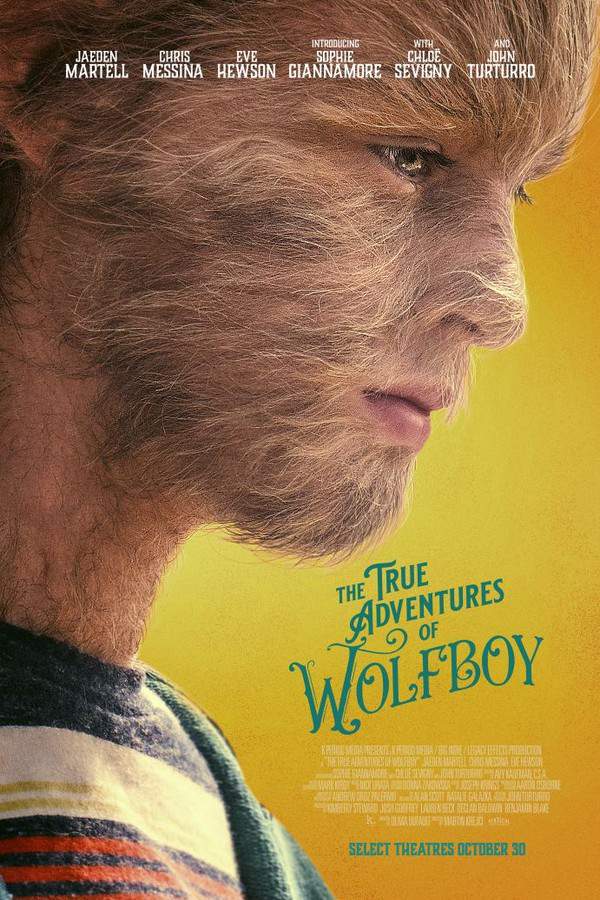
The True Adventures of Wolfboy (2020) Detailed Story Recap
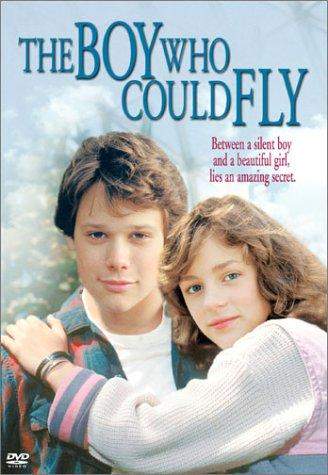
The Boy Who Could Fly (1986) Story Summary & Characters
A Boy and Sungreen (2018) Full Movie Breakdown
The Boy Who Saw the Wind (2000) Spoiler-Packed Plot Recap
The Boy Who Wanted to Be a Bear (2002) Story Summary & Characters
The Boy Who Loved Trolls (1984) Film Overview & Timeline
Friend of the Jolly Devil (1987) Detailed Story Recap
A Journey Through Fairyland (1985) Detailed Story Recap
The Point (1971) Plot Summary & Ending Explained
The Enchanted Boy (1955) Full Summary & Key Details
The Green Promise (1949) Plot Summary & Ending Explained
The Boy Who Turned Yellow (1972) Complete Plot Breakdown
Boy of Two Worlds (1959) Complete Plot Breakdown
The Green Years (1946) Spoiler-Packed Plot Recap