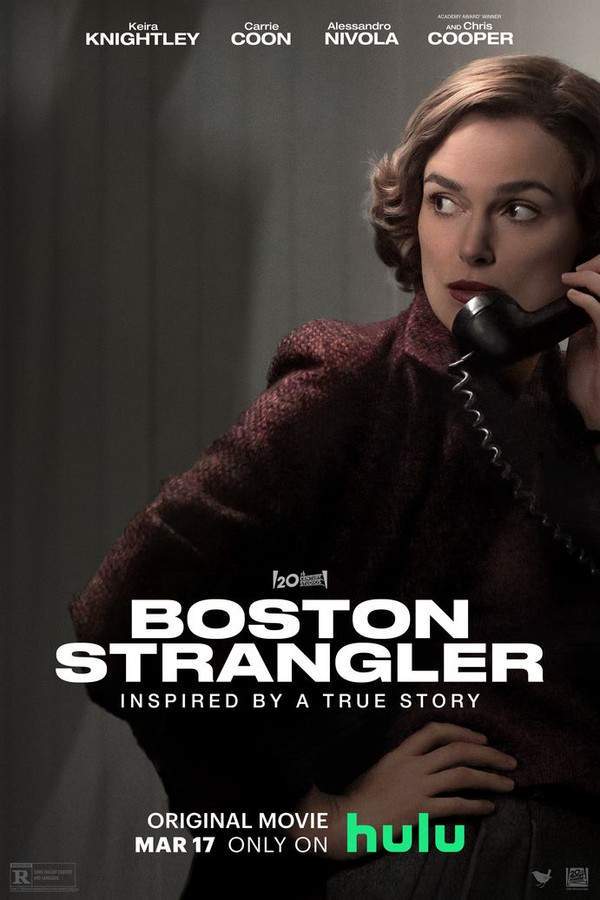
In the early 1960s, the streets of Boston pulse with an uneasy rhythm, the city’s historic charm shadowed by a growing sense of dread. A string of unsettling killings has turned ordinary neighborhoods into places of whispered fear, and the press fuels a climate of anxiety that hangs over every doorway. The atmosphere is thick with the tension of a community trying to comprehend a menace that feels both intimate and untouchable, setting the stage for a relentless hunt that is as much about restoring confidence as it is about stopping a predator.
At the heart of the response is John S. Bottomly, a seasoned investigator summoned by Attorney General Edward W. Brooke to head a newly formed Strangler Bureau. Charged with unifying police, sheriffs, and state agents, Bottomly must navigate bureaucratic friction while keeping the public’s hope alive. His leadership style mixes pragmatic seasoned realism with an unspoken urgency, making him the axis around which the sprawling investigation spins. Every decision he makes reflects the weight of coordinating scarce leads across jurisdictional lines in a city that refuses to yield.
The bureau’s team is a mosaic of contrasting personalities and methods. Veteran detective Phil DiNatale brings street‑wise persistence, while the unconventional inclusion of psychic Peter Hurkos signals a willingness to explore any angle, no matter how fringe. Parallel to this, psychiatrist Dr. Nagy proposes delving into the mind of a suspect whose fractured psyche may hold keys the police cannot reach through evidence alone. This blend of traditional police work and emerging psychological insight creates a charged dynamic, where each member’s perspective both challenges and reinforces the others’ resolve.
Against this backdrop, the film maintains a sober, almost claustrophobic tone, echoing the era’s cold‑war anxieties and the moral quandaries of pursuing a shadowy killer. The relentless pursuit is less about action and more about the grinding, methodical process of piecing together whispers, doubts, and half‑formed leads. As the investigation deepens, the audience is drawn into a world where the line between law and compassion blurs, and where the quest for truth becomes a test of both professional duty and personal conscience.