Plot Explained Spoilers guaranteed!
Plot Explained

Browse by genre

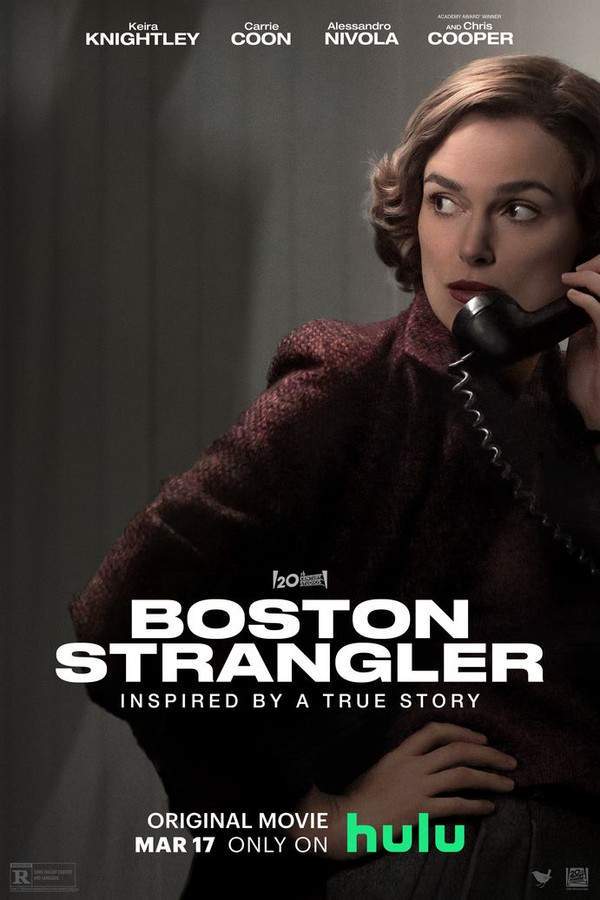
Boston Strangler (2023) movie poster

Plot Summary

Boston Strangler (2023) Plot Summary & Ending Explained

Release, runtime and language
2023 · English
Echo score 52
JustWatch #32,536 2
Directed by
Matt Ruskin
Starring
David Dastmalchian, Carrie Coon, Keira Knightley, Alessandro Nivola, Chris Cooper, Owen Burke

During the early 1960s in Boston, a series of brutal murders grips the city in fear. Loretta McLaughlin, an ambitious and pioneering journalist, relentlessly investigates the crimes, challenging sexism and risking her safety in the process. Partnered with her colleague Jean Cole, she bravely confronts the killer's escalating acts of violence, determined to uncover the truth and bring justice to the victims, even as they place themselves in increasing danger.

On this page (7)
  1. 1 Where to watch
  2. 2 What happens: full plot
  3. 3 Plot questions answered
  4. 4 How it ends
  5. 5 Movie threads
  6. 6 Movies like Boston Strangler
  7. 7 Every angle

Where to watch

Where to Watch Boston Strangler (2023)

Where can you watch Boston Strangler? Stream, rent or buy it in the US, including on Hulu: current JustWatch availability with up-to-date prices.

Streaming availability powered by JustWatch

Full plot summary · contains spoilers

What Happens in Boston Strangler: Full Plot Summary

The whole story of Boston Strangler (2023) explained, from the opening scene to the final frame: every key event, every twist and what it all adds up to. Read it as a quick recap before the sequel, to check a scene you missed, or to finally understand what really happened.

In 1962, investigative reporter Loretta McLaughlin of the Boston Record American embarks on a harrowing journey after uncovering the chilling cases of three older women who were brutally raped and murdered by strangulation in the Boston area. Each victim bore the same haunting signature—stockings tied around their necks in precise bows—suggesting the potential presence of a serial killer lurking in the shadows. The shocking nature of her findings ruffles feathers among Boston law enforcement and her own superiors, who are determined to suppress the story to safeguard the paper's reputation.

When a fourth victim emerges, Loretta teams up with fellow journalist Jean Cole, as they face rampant sexism in a male-dominated newsroom and society. The strain on Loretta's personal life escalates as her long hours take a toll on her marriage, and her family becomes the target of harassment. Amidst these challenges, Loretta coins the infamous moniker "the Boston Strangler" while documenting their findings.

By the following year, tragedy strikes again as a seventh victim, Sophie Clark, is discovered. A neighbor describes a man who could potentially be the murderer, yet this new victim deviates from the established pattern, being considerably younger than the previous ones. As the investigation unfolds, Loretta and Jean realize that the Boston Police Department is mishandling the case, failing to share crucial information with surrounding jurisdictions. They uncover similar murders, including one linked to a man named Paul Dempsey in New York City, that had gone unnoticed.

The plot thickens when Albert DeSalvo, a suspect in this heinous series of murders, is apprehended. A witness is brought in to identify him, but she mistakenly chooses another man, George Nassar. Regardless of this discrepancy, DeSalvo eventually confesses to all 13 murders in 1964. However, due to a lack of physical evidence, he is convicted solely for previous robbery and sexual offenses, receiving a life sentence.

Fast forward to 1965, Loretta discovers through a detective in Ann Arbor, Michigan, that there are six murders there that match the Strangler's methodology. Traveling to Ann Arbor, she investigates and finds that a prime suspect is Daniel Marsh, an ex-boyfriend of one of the Strangler’s victims. Despite being apprehended, Marsh remains uncooperative. In a twist of fate, DeSalvo reaches out to Loretta in 1973, offering to share his version of the events during visiting hours. Tragically, before their meeting can take place, he is fatally stabbed by another inmate.

With the revelation of an anonymous tip, Loretta connects with Harrison, a former patient at Bridgewater State Hospital, who reveals that DeSalvo, Marsh, and Nassar were all housed in the same ward at one point. He alleges that DeSalvo's confession was orchestrated by Marsh and Nassar. In a subsequent prison visit, Nassar denies having coached DeSalvo but admits to hoping for the reward money, throwing doubt on the singular narrative of the Strangler and hinting that multiple killers may exist.

As Loretta and Jean dig deeper, they formulate a compelling theory positing that Paul Dempsey was responsible for the initial six murders before relocating to New York, leading to subsequent copycat killings that targeted much younger victims. The media frenzy surrounding DeSalvo's confessions raised questions about the integrity of the investigative process. Ultimately, Nassar facilitated DeSalvo's representation by high-profile attorney F. Lee Bailey, manipulating the situation to secure a monetary gain and a supposed lucrative book deal for DeSalvo.

The Record American ultimately publishes Loretta and Jean's investigative theory, which contributes to a wider discussion about journalism's role in criminal investigations. In the closing epilogue, Loretta rises to prominence as an award-winning medical reporter at The Boston Globe, while Jean enjoys a flourishing career as a reporter for three decades, maintaining a close friendship with Loretta. In a poignant note, Marsh never faces charges for murder, and Nassar misses out on rewards, remaining incorrectly assumed to linger in prison even as of 2023. The saga reveals that by 2013, DNA evidence linked DeSalvo to the 13th murder, but not to the other twelve, leaving lingering questions about the true identity of the Boston Strangler.
Last updated: November 03, 2024 at 12:37

Was this helpful?

Plot questions answered

Boston Strangler Plot Explained: Your Questions Answered

The questions people ask most about Boston Strangler (2023): what happens in the confusing scenes, why the characters do what they do, the twists, hidden details and what the ending means. Each answer contains spoilers.

Q1

Why was Albert DeSalvo never convicted for the Boston Strangler murders despite confessing?

DeSalvo confessed to all 13 murders in 1964, but he was never convicted for the actual killings because there was no physical evidence linking him to the crimes. Without DNA technology at the time, prosecutors could not prove his involvement beyond his confession. He was only convicted for prior robbery and sexual offenses, receiving a life sentence for those crimes.

  • albert desalvo
  • confession
  • conviction
  • evidence
  • dna
Q2

Who was George Nassar and what was his role in the case?

George Nassar was a man wrongly identified by a witness during the investigation. When police brought in a witness to identify DeSalvo, she mistakenly selected Nassar instead. Later, Nassar was revealed to have been housed in the same ward as DeSalvo and Daniel Marsh at Bridgewater State Hospital. He denied coaching DeSalvo's confession but admitted to hoping for reward money.

  • george nassar
  • witness identification
  • mistaken identity
  • bridgewater
Q3

What was the theory about multiple killers behind the Boston Strangler murders?

Loretta and Jean developed a theory that Paul Dempsey was responsible for the initial six murders before moving to New York City, where similar killings occurred. They believed copycat killers then targeted younger victims, which explained why the seventh victim Sophie Clark was considerably younger than previous victims. This theory suggested multiple people committed murders attributed to the Boston Strangler.

  • paul dempsey
  • copycat
  • multiple killers
  • theory
  • younger victims
Q4

What did the 2013 DNA evidence reveal about the Boston Strangler?

In 2013, DNA technology finally provided answers: DeSalvo was linked to the 13th murder but not to any of the other twelve. This confirmed the theory that multiple killers may have been responsible for the crimes, leaving the central mystery of who committed most of the murders still unresolved.

  • dna evidence
  • 2013
  • genetic
  • unsolved
  • confirmation
Q5

Why did the Boston Police Department fail to properly investigate the murders?

The Boston Police Department failed to share crucial information with surrounding jurisdictions, preventing the connection of similar murders across different areas. This systemic failure allowed the investigation to lag and created gaps that hampered identifying the actual killer or killers.

  • police failure
  • jurisdiction
  • information sharing
  • investigation errors
Q6

What happened to Daniel Marsh, the Ann Arbor suspect?

Daniel Marsh was identified as a prime suspect in Ann Arbor, Michigan, where six murders matched the Strangler's methodology. He was an ex-boyfriend of one of the Strangler's victims. Although apprehended, Marsh remained uncooperative and never faced charges for murder. As of 2023, he remained uncharged while incorrectly assumed to still be in prison.

  • daniel marsh
  • ann arbor
  • suspect
  • uncharged
  • michigan
Q7

Why did Albert DeSalvo want to meet with Loretta McLaughlin in 1973?

In 1973, DeSalvo reached out to Loretta McLaughlin wanting to share his version of events during visiting hours. Before they could meet, DeSalvo was fatally stabbed by another inmate in prison, taking his version of the story to his grave and leaving many questions unanswered.

  • desalvo
  • meeting request
  • 1973
  • prison
  • killed
Q8

Why was Sophie Clark's murder significant in the investigation?

Sophie Clark was the seventh victim and considerably younger than the previous victims, breaking the established pattern of older women being targeted. This deviation suggested the killer or killers were evolving, which later supported the copycat theory that different individuals were responsible for subsequent murders.

  • sophie clark
  • seventh victim
  • younger
  • pattern break
Q9

What was the connection between DeSalvo, Marsh, and Nassar at Bridgewater State Hospital?

A former patient at Bridgewater State Hospital revealed that DeSalvo, Daniel Marsh, and George Nassar had all been housed in the same ward at one point. This revelation suggested a potential conspiracy where Marsh and Nassar may have orchestrated DeSalvo's confession, possibly to secure reward money and a book deal.

  • bridgewater state hospital
  • ward
  • conspiracy
  • connection
Q10

Why did Loretta McLaughlin coin the term 'Boston Strangler'?

Loretta McLaughlin coined the infamous moniker 'Boston Strangler' while documenting her and Jean Cole's findings about the series of murders. The term captured the public's attention and became the widely used name for the unknown killer, increasing pressure on law enforcement to solve the case.

  • term
  • coined
  • moniker
  • media
  • public attention
Q11

How did the media coverage influence the Boston Strangler investigation?

The media frenzy surrounding DeSalvo's confessions raised serious questions about the integrity of the investigative process. The Record American published Loretta and Jean's investigative theory, contributing to wider discussion about journalism's role in criminal investigations. Media pressure also led to potential manipulation, as Nassar helped secure F. Lee Bailey as DeSalvo's attorney in hopes of gaining reward money.

  • media
  • journalism
  • influence
  • public pressure
  • bailey

Ending explained

What Happens at the End of Boston Strangler?

How Boston Strangler (2023) ends, in short: the final scene, the last twist and what it means for the characters. The full ending explained, with every spoiler, lives on its own page.

Read the full ending explained

The film suggests that the true story behind the Boston Strangler might never be fully known. Although Albert DeSalvo confessed to the murders and there was strong evidence linking him to the last victim, the film reveals that his confession was likely fabricated as part of a scheme devised by a fellow inmate, George Nassar. Nassar manipulated DeSalvo into confessing with promises of a lucrative book deal, and it appears that DeSalvo's murder inside prison shortly after speaking to Loretta was orchestrated by Nassar himself, who wanted to silence him. In the real world, and as shown in the film, there was no definitive proof that DeSalvo was the sole killer, and many believe the crimes were committed by multiple individuals or even a copycat killer. The movie emphasizes how the violence against women in Boston was disturbingly pervasive, with some victims possibly killed by different men exploiting the same methods, creating the illusion of a single, terrifying serial killer. Loretta and Jean, driven by their relentless pursuit of the truth, uncovered the flaws in the police investigation and faced significant personal risks, including threats and danger. In the end, while the case was officially closed with DeSalvo's confession, the real identity of the Boston Strangler remains uncertain—highlighting the tragic and unresolved nature of this horrifying chapter in history. Loretta went on to have a distinguished career in journalism, and Jean continued her investigative work, both hard-fought women showing remarkable resilience in the face of systemic sexism and personal danger. Ultimately, the film leaves viewers with the understanding that the fear and violence against women highlighted in the case are still very present today, making the case not just about one man but a wider societal issue.

Boston Strangler ending explained in full

Movie threads

More Movies Like Boston Strangler, by Mood & Story

Curated lists built around what makes Boston Strangler tick: the same mood, the same kind of story or the same emotional payoff. Each list explains why these movies belong together.

Gritty Journalistic Thrillers Like Boston Strangler

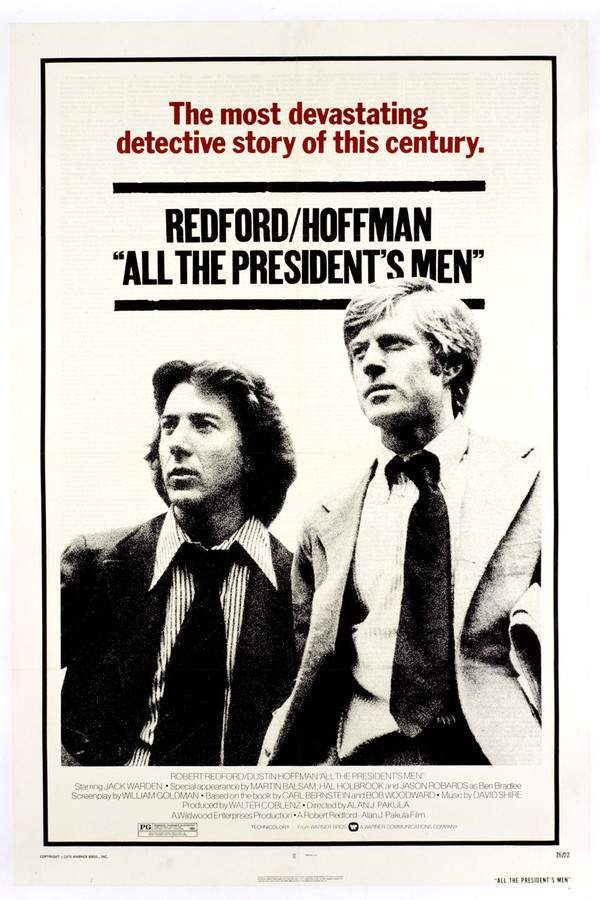
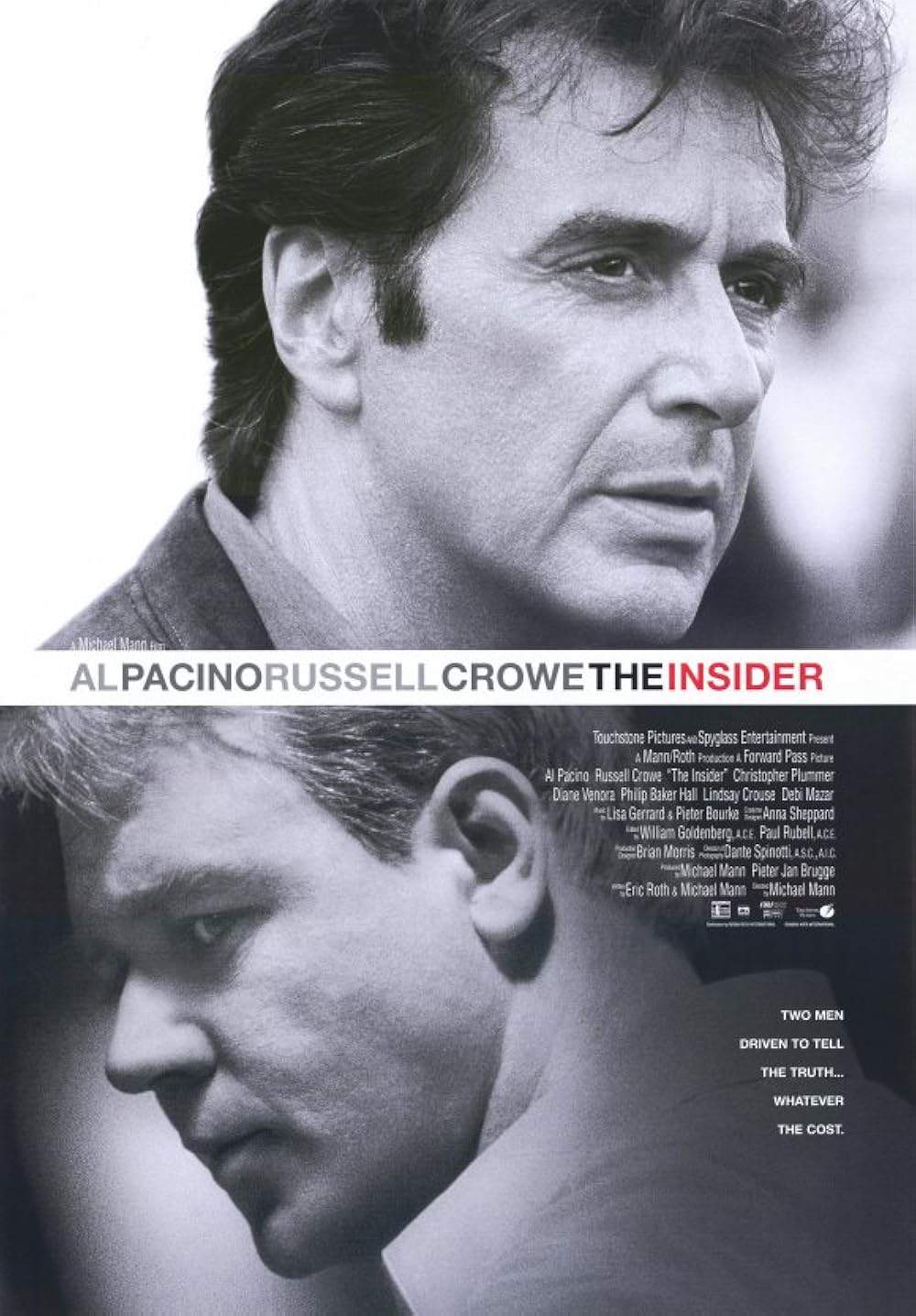
Determined reporters risk everything to uncover dark truths in hostile environments. For viewers who liked Boston Strangler, this section features movies about determined journalists fighting the system. Find similar historical crime dramas and tense thrillers where reporters risk everything to break a major story against all odds.

  • determined
  • investigative
  • gritty
  • suspenseful
  • methodical
  • somber
  • Tone: tense, determined, somber
  • Pacing: steady, methodical
Why these movies?

The story pattern: Stories typically follow a persistent journalist or team who identifies a major story that authorities wish to suppress. The plot involves a steady accumulation of evidence, facing professional and personal setbacks, and often grappling with the ethical implications of their pursuit, leading to a climax that may not yield complete justice but represents a significant professional and moral victory.

Why they belong together: These films are grouped by their central focus on the journalistic process as a form of heroism, the tense mood of fighting an uphill battle, and the heavy emotional weight of dealing with grim subject matter. They share a determined, somber tone and a pacing that mirrors the methodical nature of an investigation.

Bleak True Crime Procedurals Like Boston Strangler

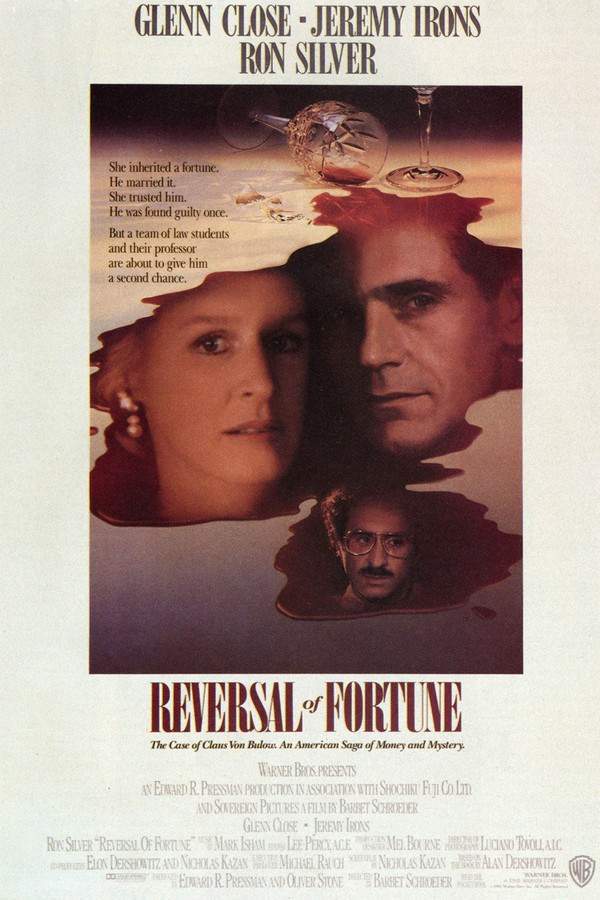
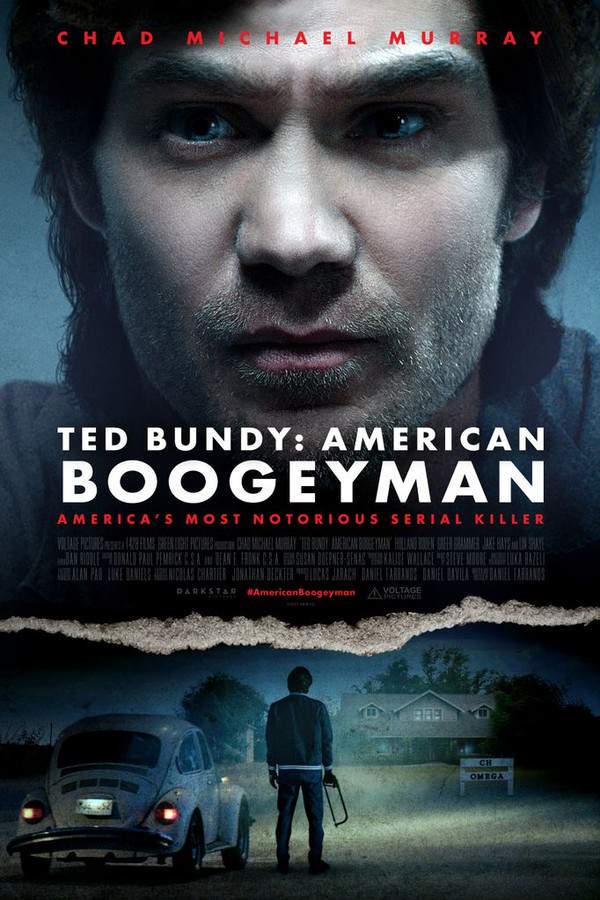
Methodical investigations into brutal crimes that leave unsettling, unresolved questions. If you liked the methodical investigation and unsettling ending of Boston Strangler, explore these similar movies. Find complex true crime dramas and thrillers with a bleak atmosphere, heavy emotional weight, and narratives that don't offer easy resolutions.

  • grim
  • anxious
  • oppressive
  • methodical
  • somber
  • unsettling
  • Tone: grim, tense, oppressive
  • Pacing: steady, methodical
Why these movies?

The story pattern: The narrative follows a linear, investigative path, often from the perspective of law enforcement or journalists. It meticulously details the gathering of clues, interviews with witnesses, and profiling of suspects. The complexity arises from false leads, multiple theories, or bureaucratic obstacles. The journey is more about the pursuit of truth than its attainment, frequently culminating in a mixed or bleak conclusion where justice is incomplete or the full picture remains elusive.

Why they belong together: Movies in this thread share a specific blend of high intensity, complex plotting, a tense and grim tone, and a heavy emotional weight derived from real-world atrocities. They are united by a methodical pacing that builds an oppressive atmosphere and, most distinctly, by an ending that delivers professional closure for the investigators but leaves the central mystery with unsettling ambiguity.

If you liked this

Movies Like Boston Strangler

Similar movies to Boston Strangler: the same genre, themes or kind of story. Each one comes with its own plot summary, timeline and ending explained.

Browse all movie summaries

Every angle

Boston Strangler (2023) Explained: Plot, Ending, Timeline & Characters

Everything about Boston Strangler in one place: what happens in the plot summary, the timeline in chronological order, the characters and meaning, the ending explained and a spoiler-free summary. What's After the Movie adds the cast, box office and post-credit scenes.

Coming soon on iOS and Android

The Plot Explained Movie Summary App

Plot summaries, endings explained and timelines on your phone. Catch up on any movie in minutes, save your favorites and never miss a twist again.

Be the first to know when we launch. Your email stays private, always.

Learn more about the app