Plot Explained Spoilers guaranteed!
Plot Explained

Browse by genre

The Battle at Lake Changjin II: Water Gate Bridge (2022) movie poster

Timeline

The Battle at Lake Changjin II: Water Gate Bridge (2022) Timeline Explained – Every Event in Order

Release, runtime and language
2022 · 149 mins · Chinese
Directed by
Tsui Hark, Chen Kaige
Starring
Jackson Yee, Li Xiaofeng, James Filbird, Duan Yihong, Wang Likun, Wu Jing
Budget
$200M

Following the events of “The Battle at Lake Changjin,” this film continues the story of the People’s Volunteer Army. Brothers Wu Qianli and Wu Wanli are assigned a crucial new mission: to protect a vital bridge that serves as a key escape route for American forces. Facing relentless enemy pressure, they and their comrades must fight bravely to hold their position and prevent the Americans from retreating. The film showcases the intense combat and sacrifices made during this pivotal moment in the war.

On this page (5)
  1. 1 Events in order (13)
  2. 2 Timeline questions answered
  3. 3 Movie threads
  4. 4 Movies like The Battle at Lake Changjin II: Water Gate Bridge
  5. 5 Every angle

13 events in order · contains spoilers

The Battle at Lake Changjin II: Water Gate Bridge Timeline: Events in Chronological Order

Every key event of The Battle at Lake Changjin II: Water Gate Bridge (2022) in order, scene by scene, with when and where it takes place. Use it to untangle flashbacks, time jumps and parallel storylines, to refresh your memory before the sequel or to find the exact scene you are thinking of.

  1. Homecoming and news of the family

    Wu Qianli returns home after the Civil War and informs his family that his brother Wu Baili was killed in action. He promises to use his land allotment to build a house for his parents and secure their future. However, his leave is cancelled as China becomes involved in the Korean War, forcing the family dreams to wait.

    When
    Post-Civil War period (late 1940s–early 1950s)
    Where
    Home village, China
  2. Incheon bombardment in Andong Province

    On 15 September 1950, while the Battle of Incheon unfolds, U.S. aircraft begin indiscriminate bombing of a village in Andong Province, China. The bombardment disrupts movements and foreshadows the broader air war against Chinese forces. The sequence marks the war's expansion beyond Korea into China.

    When
    15 September 1950
    Where
    Andong Province, China
  3. Beijing Politburo meets the war situation

    Beijing hosts a Politburo meeting at Zhongnanhai to assess the war situation. Mao Zedong questions whether crossing the 38th parallel must also mean crossing the Yalu. A military briefer notes that U.S. forces stationed in Taiwan already threaten China's security.

    When
    4 October 1950
    Where
    Zhongnanhai, Beijing
  4. Wanli enlists; Qianli's reaction

    Qianli learns that his younger brother Wanli has enlisted in the 7th Company and is heading to Korea. He initially refuses to help him or even provide a rifle, illustrating the personal cost of war.

    When
    Early October 1950
    Where
    On the way to Korea
  5. Train bombing forces a foot march

    The 7th Company is forced to march on foot after their train is bombed during track repairs, dodging American aircraft along the way. The treacherous journey underscores the hardship of the early Korean War push.

    When
    October 1950
    Where
    Korea front route
  6. First combat and hand-to-hand kill

    The company stumbles into a battle and aids a small unit of Chinese soldiers. Wanli and Qianli shoot four Americans in close-quarters combat and narrowly avoid being hit by a tank.

    When
    October 1950
    Where
    Front-line area, Korea
  7. Rest and Anying distributes clothing

    After a brief rest, Anying—Mao Zedong's son under the pseudonym Liu—helps distribute clothing to the weary troops, showing the party's involvement with the troops.

    When
    October 1950
    Where
    Front-line camp
  8. Winter hardship and looming holidays

    Troops endure freezing temperatures in the mountains while supplies run short. Meanwhile U.S. troops celebrate Thanksgiving and look forward to Christmas back home, highlighting the contrast between front-line hardship and distant leisure.

    When
    November–December 1950
    Where
    Mountain region, Korea
  9. Anying killed during bombing

    Anying is killed when a U.S. bombing raid locates his base; he had rushed back to the base to retrieve a map, sacrificing himself to aid the frontline effort.

    When
    Late November 1950
    Where
    Anying's base, mountains
  10. Sinhung-ni offensive and MacLean encounter

    On 27 November, Chinese forces launch an offensive against the U.S. Army’s 31st Infantry at Sinhung-ni. Qianli shoots the American commander, Colonel Allan MacLean, but stops Wanli from executing him.

    When
    27 November 1950
    Where
    Sinhung-ni, Korea
  11. Lei Suisheng and the Corsair down

    A U.S. Marine Corsair attacks Chinese positions and is shot down by a Chinese soldier using a bazooka. Lei Suisheng retrieves a smoke marker in a jeep and joins the retreating U.S. column, later killed by bombers.

    When
    Late November 1950
    Where
    Sinhung-ni area
  12. Hill 1071 holdout and Yang Gensi’s sacrifice

    The scene centers on Hill 1071 where the 3rd Company, 3rd Division, 58th Corps holds out against U.S. forces. Yang Gensi, the last surviving member of his unit, detonates a satchel charge to explode tanks. A retreating U.S. Marine column later finds Chinese soldiers frozen to death, and General Oliver P. Smith salutes their resolve.

    When
    Late November 1950
    Where
    Hill 1071, Korea
  13. Hungnam evacuation and legacy

    Closing captions recount the Hungnam evacuation: 105,000 U.S. troops evacuated by 24 December and Hungnam captured by the 9th Corps. The film frames the Battle of Lake Changjin as a turning point that helped halt MacArthur's plan to end the war by Christmas and sets the stage for China's broader victory.

    When
    24 December 1950
    Where
    Hungnam, North Korea

Last updated: October 07, 2025 at 20:33

Was this helpful?

Timeline questions answered

The Battle at Lake Changjin II: Water Gate Bridge Timeline Explained: Your Questions Answered

When does it happen, and why in that order? The questions people ask about the chronology of The Battle at Lake Changjin II: Water Gate Bridge (2022): time jumps, flashbacks, cause and effect between scenes and the correct order of events, each answered with spoilers.

Q1

Why did Wu Qianli refuse to give his brother Wanli a rifle?

Wu Qianli refused to give Wanli a rifle because he wanted to protect his younger brother from the dangers of war. As the commander of the 7th Company, Qianli understood the harsh reality of combat and initially hoped to keep Wanli away from the front lines. This refusal reflects the internal conflict between family loyalty and military duty, showing how war forces siblings into impossible positions.

Foreshadowing: Earlier, Qianli had told his family that their brother Wu Baili was killed in action, making him especially protective of Wanli.

  • wu qianli
  • wu wanli
  • 7th company
  • brother
  • rifle
  • korean war
Q2

Why was Mao Anying killed in the film?

Mao Anying, Mao Zedong's son serving under the alias "Liu," was killed when a U.S. bombing raid located his base in the mountains. He had returned to the base specifically to retrieve a map that would help the frontline troops, sacrificing his safety to aid the mission. His death underscores the personal cost of the war even for the leadership's family.

Foreshadowing: Earlier, Anying had helped distribute clothing to weary troops, showing his hands-on involvement with soldiers.

  • mao anying
  • mao zedong
  • liu
  • death
  • bombing
  • map
  • korean war
Q3

Why did Wu Qianli stop Wanli from killing Colonel MacLean?

Wu Qianli shot Colonel Allan MacLean during the Sinhung-ni offensive but prevented Wanli from executing him, likely because Qianli wanted to uphold military discipline and followed the rules of engagement. His action also prevented Wanli from committing what could be considered a war crime, killing a surrendered or captured officer, which would have contradicted the Chinese soldiers' moral standing.

Foreshadowing: This moment occurs after the intense November 27 offensive where Chinese forces attacked the U.S. Army's 31st Infantry Regiment.

  • wu qianli
  • wu wanli
  • colonel maclean
  • sinhung-ni
  • execution
  • american commander
Q4

What was the significance of the frozen Chinese soldiers at Hill 1071?

The frozen soldiers at Hill 1071 were members of the 3rd Company, 3rd Division, 58th Corps who held their position until they perished from the extreme cold. Yang Gensi, the last survivor, made a heroic final attack on American tanks with a satchel charge. The scene represents the extraordinary determination and sacrifice of Chinese soldiers who fought under impossible conditions.

Foreshadowing: Earlier scenes showed troops enduring subzero temperatures and shrinking supplies in the mountain region.

  • hill 1071
  • frozen soldiers
  • yang gensi
  • sacrifice
  • cold
  • korean war
Q5

Why did General Oliver P. Smith salute the frozen Chinese soldiers?

General Oliver P. Smith saluted the frozen Chinese soldiers as a gesture of respect for their incredible determination and bravery. Despite being outmatched in firepower and supplies, these soldiers held their positions until death. The salute acknowledges that the American forces recognized the formidable opposition they faced.

Foreshadowing: The salute follows the scene where U.S. Marines discover Chinese soldiers frozen at their posts during retreat.

  • general oliver p smith
  • frozen soldiers
  • respect
  • salute
  • hill 1071
  • american forces
Q6

What happened to Lei Suisheng after retrieving the smoke marker?

Lei Suisheng took the smoke marker from a jeep and managed to join the retreating U.S. column. However, he was killed when American bombers hammered the retreating column. His death illustrates the constant danger faced by Chinese soldiers even during retreat operations.

Foreshadowing: Lei Suisheng's action occurred during the chaotic aftermath of the Sinhung-ni offensive when Chinese forces were pulling back.

  • lei suisheng
  • smoke marker
  • death
  • bombing
  • retreat
  • sinhung-ni
Q7

Why was the Battle of Lake Changjin strategically important?

The Battle of Lake Changjin was crucial because it halted General MacArthur's plan to end the war by Christmas. Chinese forces successfully disrupted a reinforced U.S. regiment and captured Hungnam, forcing the Americans into a major retreat. This victory shifted the momentum of the Korean War and demonstrated that the Chinese forces could effectively counter the better-equipped American military.

Foreshadowing: Earlier scenes showed the Politburo debating whether to cross the 38th parallel and engage U.S. forces directly.

  • lake changjin
  • strategic importance
  • macarthur
  • christmas
  • hungnam
  • retreat
  • korean war
Q8

What was the significance of the Hungnam evacuation?

The Hungnam evacuation was the mass retreat of U.S. forces from North Korea in December 1950. By December 24, 105,000 American troops had been evacuated. The capture of Hungnam by China's 9th Corps marked a significant strategic victory for Chinese forces and demonstrated the failure of the U.S. offensive that had advanced deep into North Korean territory.

Foreshadowing: The closing scenes showed the city of Hungnam burning during the evacuation.

  • hungnam
  • evacuation
  • 105000 troops
  • december 24
  • 9th corps
  • retreat
  • korean war
Q9

What was the 7th Company's main mission in the film?

The 7th Company, led by Wu Qianli, was assigned to deliver field radios to troops in need while advancing toward the front lines. They also participated in offensive operations against American forces, including the assault on the U.S. Army's 31st Infantry Regiment at Sinhung-ni. Their mission exemplified the broader objective of pushing American forces back across the 38th parallel.

Foreshadowing: The company was shown traveling toward the front after their train was bombed, forcing them to continue on foot.

  • 7th company
  • wu qianli
  • mission
  • field radios
  • front lines
  • sinhung-ni
Q10

Why did the film show American troops celebrating Thanksgiving while Chinese soldiers suffered in the cold?

The contrast between American troops celebrating Thanksgiving and Chinese soldiers enduring freezing conditions in the mountains was deliberately used to highlight the severe hardships faced by the Chinese forces. While Americans had ample supplies and morale for holidays, Chinese soldiers lacked warm clothing, food, and proper equipment. This juxtaposition emphasizes the resource imbalance and the extraordinary determination of Chinese soldiers.

Foreshadowing: Earlier scenes established the freezing temperatures and shrinking supplies affecting the Chinese 7th Company.

  • thanksgiving
  • christmas
  • cold
  • supplies
  • hardship
  • mountains
  • contrast

Movie threads

More Movies Like The Battle at Lake Changjin II: Water Gate Bridge, by Mood & Story

Curated lists built around what makes The Battle at Lake Changjin II: Water Gate Bridge tick: the same mood, the same kind of story or the same emotional payoff. Each list explains why these movies belong together.

Grim War Survival Movies like The Battle at Lake Changjin II: Water Gate Bridge

Stories of soldiers enduring constant combat and extreme conditions to survive. If you liked the intense combat and survival focus of The Battle at Lake Changjin II, you'll find similar gripping stories here. This list features movies about soldiers facing impossible odds, enduring harsh conditions, and fighting for every inch of ground in historical and modern war settings.

  • gripping
  • grim
  • tense
  • heroic
  • oppressive
  • survival
  • Tone: tense, grim, heroic
  • Pacing: fast, relentless
Why these movies?

The story pattern: These narratives follow a linear, mission-driven structure where a group or individual must accomplish a military objective under extreme duress. The plot is propelled by a series of escalating battles and hardships, testing the limits of human endurance and camaraderie.

Why they belong together: They are grouped by their shared focus on the visceral, ground-level experience of warfare—the grit, the cold, the constant threat of death, and the bonds forged in desperation. They create a tense, oppressive atmosphere where victory is measured in survival.
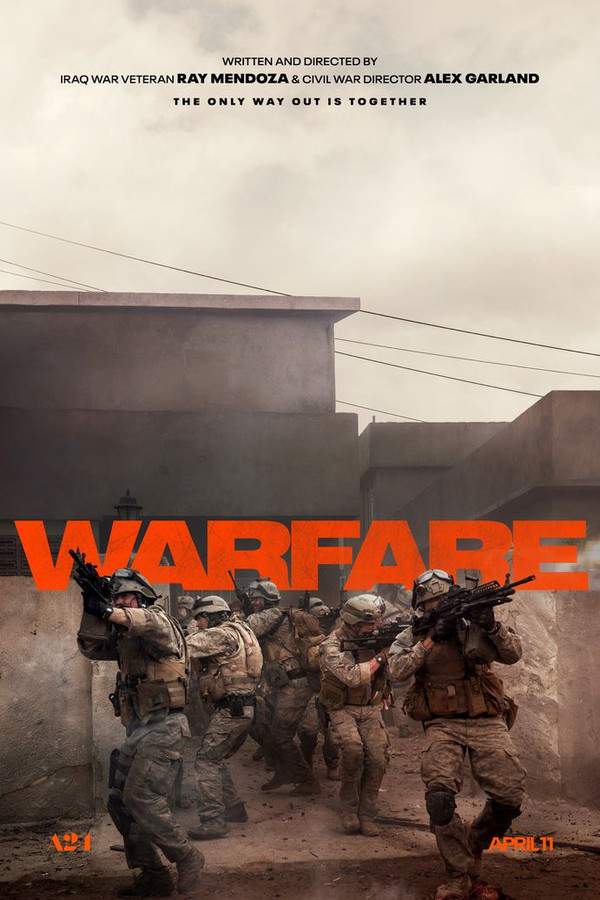
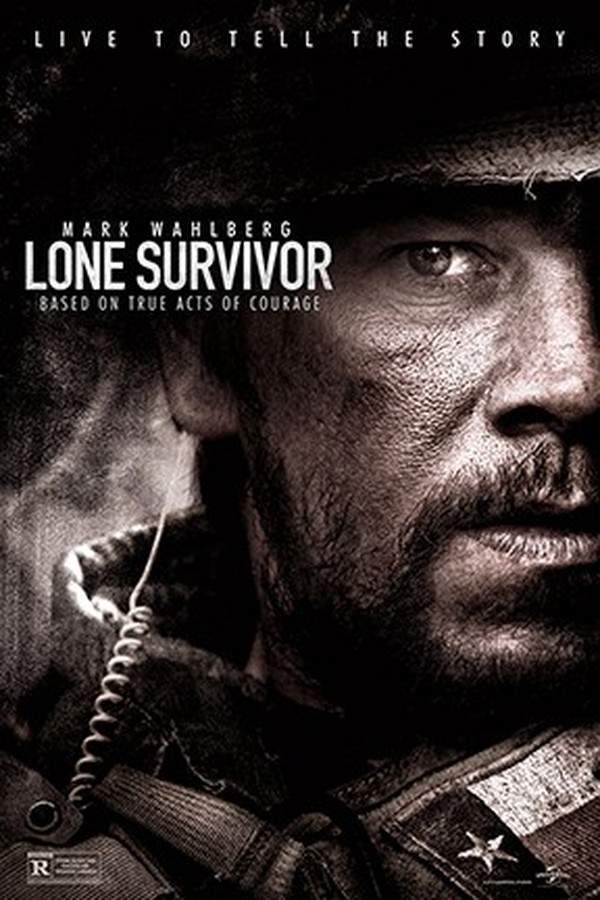
Bittersweet War Victory Movies like The Battle at Lake Changjin II: Water Gate Bridge

War stories where strategic success is weighed against profound human loss. Explore movies similar to The Battle at Lake Changjin II that explore the complex cost of victory in war. These films feature successful missions or battles that are ultimately bittersweet, leaving characters and audiences to grapple with the immense human price paid for the win.

  • somber
  • bittersweet
  • tragic
  • heavy
  • sacrificial
  • solemn
  • Tone: somber, bittersweet, tragic
  • Pacing: steady, culminating
Why these movies?

The story pattern: The narrative builds towards a military objective that is accomplished, but the journey is marked by significant character deaths and immense suffering. The ending acknowledges the success but lingers on the emptiness and sorrow left in its wake, questioning the true meaning of victory.

Why they belong together: They share a specific emotional arc: the achievement of a goal is inextricably linked with grievous loss. This creates a powerful, melancholic resonance, moving beyond simple triumph to explore the enduring scars of conflict.

If you liked this

Movies Like The Battle at Lake Changjin II: Water Gate Bridge

Similar movies to The Battle at Lake Changjin II: Water Gate Bridge: the same genre, themes or kind of story. Each one comes with its own plot summary, timeline and ending explained.

Browse all movie summaries

Every angle

The Battle at Lake Changjin II: Water Gate Bridge (2022) Explained: Plot, Timeline & Characters

Everything about The Battle at Lake Changjin II: Water Gate Bridge in one place: what happens in the plot summary, the timeline in chronological order, the characters and meaning and a spoiler-free summary. What's After the Movie adds the cast, box office and post-credit scenes.

Coming soon on iOS and Android

The Plot Explained Movie Summary App

Plot summaries, endings explained and timelines on your phone. Catch up on any movie in minutes, save your favorites and never miss a twist again.

Be the first to know when we launch. Your email stays private, always.

Learn more about the app