
The Barbarian and the Geisha
Year: 1958
Runtime: 105 mins
Language: English
Director: John Huston
In 1855 Townsend Harris is dispatched by President Pierce as the United States’ first Consul‑General to Japan. Upon arriving he confronts fierce anti‑foreign sentiment, while a young geisha, assigned to win his affection, becomes his guide and lover, intertwining diplomacy with a forbidden romance.
Where to Watch The Barbarian and the Geisha?
Find where to stream, rent, or buy The Barbarian and the Geisha (1958) in the US with current JustWatch availability, up-to-date pricing, and platform listings for subscription, rental, and digital purchase options.






Warning: spoilers below!
Haven’t seen The Barbarian and the Geisha yet? This summary contains major spoilers. Bookmark the page, watch the movie, and come back for the full breakdown. If you're ready, scroll on and relive the story!
Timeline – The Barbarian and the Geisha (1958)
Trace every key event in The Barbarian and the Geisha (1958) with our detailed, chronological timeline. Perfect for unpacking nonlinear stories, spotting hidden connections, and understanding how each scene builds toward the film’s climax. Whether you're revisiting or decoding for the first time, this timeline gives you the full picture.
Last updated: October 07, 2025 at 09:17
The Barbarian and the Geisha (1958) Timeline Questions Answered – Chronology FAQ
Find frequently asked questions about the The Barbarian and the Geisha (1958) timeline, including chronological order, nonlinear jumps, cause-and-effect links, and scene sequence clarifications. This timeline FAQ helps explain when key events happen, how moments connect, and why the story unfolds in that specific order.
Why did Governor Tamura refuse Townsend Harris's credentials?
Governor Tamura refused to accept Harris's credentials because of conflicting interpretations of the treaty terms. Harris believed the Consul should be present whenever either country required, while Tamura argued a consul's status required mutual consent from both sides. Additionally, Tamura cited natural disasters since Commodore Perry's visit as warnings from the gods to avoid foreign influence, reflecting widespread fear of corruption and invasion.
Earlier events showed Japan's deep resentment over how the Perry treaty was imposed, setting the stage for Tamura's resistance.
Why was the geisha Okichi sent to Townsend Harris?
After Harris dined with Governor Tamura, the governor assigned Okichi to attend to Harris's needs as a gesture of partial acceptance. While appearing to be hospitality, the assignment also served as a way to monitor the foreigner. However, Okichi instead became Harris's cultural guide, helping him understand Japanese customs and daily life, deepening their personal connection.
The dinner marked a turning point in their relationship, signaling a cautious opening despite ongoing tension.
How did Townsend Harris earn the right to travel to Edo?
Harris earned the opportunity to go to Edo by successfully helping the village combat a cholera epidemic. His medical knowledge and willingness to assist during the crisis demonstrated his goodwill and value to the community, shifting local perception of him. This success paved the way for him to travel to Edo to persuade the Shogunate to open Japan to trade.
Earlier scenes showed Harris complying with local protocols and taking down the American flag, building trust gradually.
Why couldn't Townsend Harris buy food in Shimoda?
Governor Tamura ordered townspeople not to sell food to Harris as part of the broader hostility toward foreigners. Many Japanese believed the natural disasters since Perry's visit were warnings from the gods to avoid foreign influence. This restriction was designed to make Harris's position untenable and force him to leave, though he endured despite the hardship.
The hostility stemmed from the deeper resentment over the imposed treaty and fears of foreign corruption.
What was the nature of the relationship between Townsend Harris and Okichi?
Harris and Okichi developed a close bond that evolved from her assigned role as his attendant to a genuine personal and cultural connection. She served as his guide to Japanese customs and society, while he represented an unfamiliar world to her. Their relationship became central to the film's exploration of cross-cultural trust and intimacy.
Okichi's introduction followed Harris's careful compliance with local customs, showing his respect for Japanese culture.
Why did Townsend Harris take down the American flag?
Harris voluntarily took down the American flag that marked the consulate site to comply with Governor Tamura's orders and demonstrate his willingness to work within Japanese constraints. This act of cooperation, despite the hostile environment, was noted by locals and marked a turning point in how they perceived him.
This compliance came after weeks of isolation and hostility, showing Harris's diplomatic approach to building trust.
Why was Townsend Harris confined to Shimoda?
Harris was confined to Shimoda because the Japanese authorities denied him official status and prevented him from traveling. The combination of the credential dispute, local hostility, and fears about foreign influence meant he could not leave the town or travel toward Edo until his standing improved through demonstrated goodwill.
The restrictions followed directly from Tamura's refusal to accept Harris's credentials.
How did Commodore Perry's earlier visit affect Harris's mission?
Commodore Perry's 1853 visit forced Japan to sign treaties opening ports to American ships, but many Japanese resentments stemmed from how this was imposed. Perry's treaty two years before Harris's arrival created the diplomatic framework Harris operated under, while also fueling anti-foreign sentiment that made his mission extremely challenging.
The natural disasters after Perry's visit were interpreted by some as divine warnings against foreign contact.
How did Townsend Harris help with the cholera epidemic in Shimoda?
Harris applied his goodwill and practical knowledge to help rid the village of the cholera outbreak. While the summary doesn't detail his specific methods, his involvement demonstrated empathy and resourcefulness, earning him respect from some locals despite his lack of official status.
This was Harris's first major opportunity to prove his value beyond mere diplomacy.
What challenge did Harris face when appealing to the Shogunate in Edo?
When Harris journeyed to Edo, he faced a political climate deeply resistant to change. The Shogunate represented the entrenched feudal order that feared foreign influence and the destabilization that opening Japan could bring. This resistance represented Harris's greatest crisis in the film, requiring all his diplomatic skill to persuade them to reconsider isolation.
The shift from Shimoda's local resistance to Edo's central authority raised the stakes significantly.

Explore Movie Threads
Discover curated groups of movies connected by mood, themes, and story style. Browse collections built around emotion, atmosphere, and narrative focus to easily find films that match what you feel like watching right now.
Movies about diplomatic missions like The Barbarian and the Geisha
High-stakes political pressure meets cultural barrier breaking in a foreign land.Looking for more movies like The Barbarian and the Geisha? This thread gathers stories of high-stakes diplomacy in unwelcoming lands, where characters must use patience and cultural understanding to overcome deep-seated hostility and build fragile alliances.
Operation Mincemeat
2022

A Foreign Affair
2004
A Foreign Affair
1948

Friendly Enemies
1942

Farewell, America!
1951
Ambush
1950

Golden Earrings
1947

King of the Khyber Rifles
1953

A Gathering of Eagles
1963

The Tamarind Seed
1974

Secret Agent
1936
The Barbarian and the Geisha
1958
Tripoli
1950

British Agent
1934

The Big Lift
1950
Narrative Summary
The narrative typically centers on a lone figure or small group representing a foreign power, facing immense pressure from both their own side and the hostile locals. The journey is one of slow, methodical progress against overwhelming odds, often intertwined with a personal connection that humanizes the conflict.
Why These Movies?
These movies are grouped by their tense, patient exploration of cross-cultural diplomacy under duress. They share a steady pacing, medium-to-high political tension, and a focus on the delicate, high-stakes dance of building trust where none exists.
Movies with forbidden cross-cultural romance like The Barbarian and the Geisha
Love blossoms across cultural divides, challenged by prejudice and circumstance.If you liked the forbidden romance in The Barbarian and the Geisha, explore these other films where love crosses deep cultural and societal divides. These stories blend deep emotion with dramatic tension, often set against a backdrop of historical or political conflict.
A Foreign Affair
2004
A Foreign Affair
1948

Strangers in the Night
2012

Strangers in the Night
2015

Duelist
2005

East Side, West Side
1949
Golden Earrings
1947

The Light in the Forest
1958
The Tamarind Seed
1974

The Girl Who Had Everything
1953

Stolen Women, Captured Hearts
1997

The Age of Consent
1932
The Barbarian and the Geisha
1958

The Unholy Garden
1931

The Passionate Stranger
1957
Narrative Summary
The narrative arc involves two individuals from opposing worlds drawn together, with their relationship serving as a microcosm of the larger cultural clash. The central conflict is the tension between their private emotions and the public, often hostile, expectations of their respective societies, leading to poignant sacrifices.
Why These Movies?
Movies in this thread share a specific emotional mix: a strong, hopeful romance tempered by the persistent tension of external disapproval and the high likelihood of a bittersweet resolution. The pacing is often steady, allowing the relationship and its surrounding conflicts to deepen authentically.
Unlock the Full Story of The Barbarian and the Geisha
Don't stop at just watching - explore The Barbarian and the Geisha in full detail. From the complete plot summary and scene-by-scene timeline to character breakdowns, thematic analysis, and a deep dive into the ending - every page helps you truly understand what The Barbarian and the Geisha is all about. Plus, discover what's next after the movie.
The Barbarian and the Geisha Summary
Read a complete plot summary of The Barbarian and the Geisha, including all key story points, character arcs, and turning points. This in-depth recap is ideal for understanding the narrative structure or reviewing what happened in the movie.

Characters, Settings & Themes in The Barbarian and the Geisha
Discover the characters, locations, and core themes that shape The Barbarian and the Geisha. Get insights into symbolic elements, setting significance, and deeper narrative meaning - ideal for thematic analysis and movie breakdowns.


Similar Movies to The Barbarian and the Geisha
Discover movies like The Barbarian and the Geisha that share similar genres, themes, and storytelling elements. Whether you’re drawn to the atmosphere, character arcs, or plot structure, these curated recommendations will help you explore more films you’ll love.
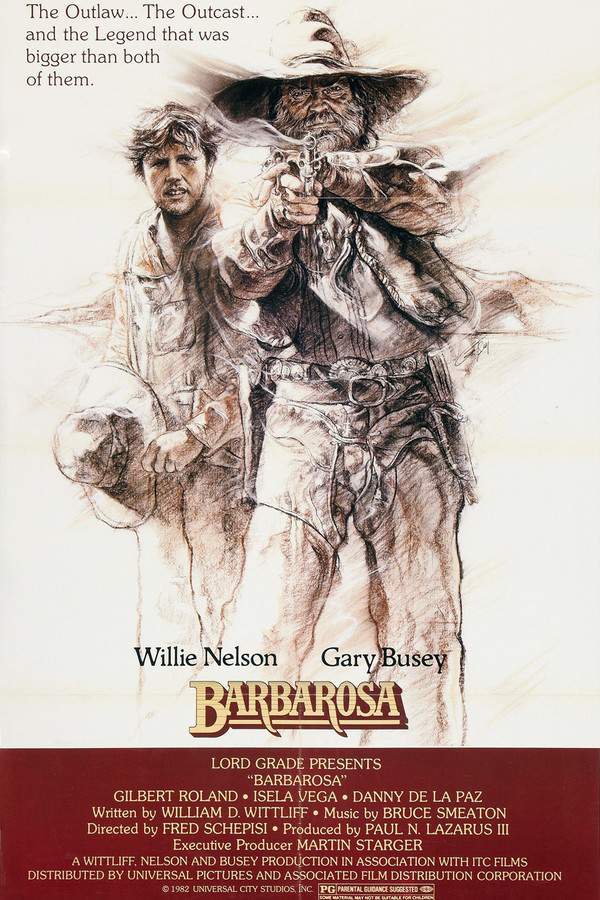
Barbarosa
1982

Waiting for the Barbarians
2019
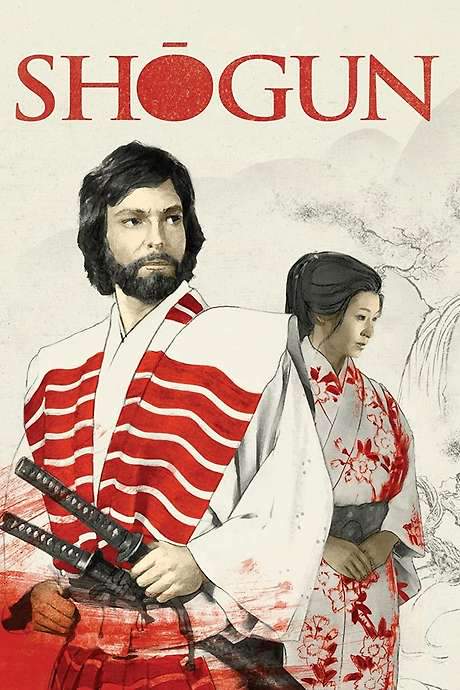
Shōgun
1000

Time Barbarians
1990

The Barbarians
1987

The Forbidden City
1918

Tales of a Golden Geisha
1990

Samurai III: Duel at Ganryu Island
1956

Old San Francisco
1927

The Barbarians
1960
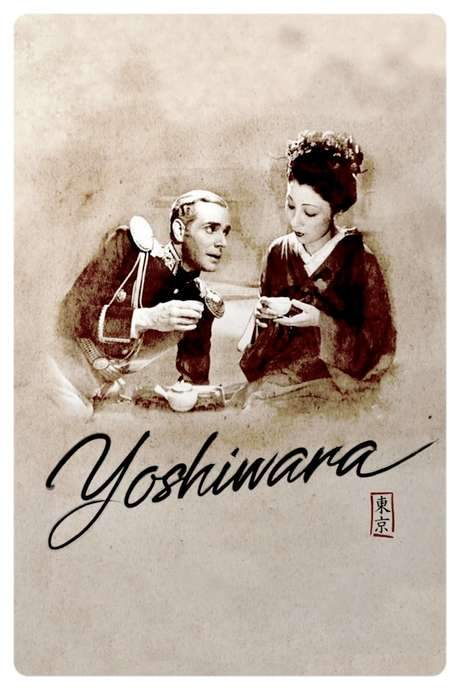
Yoshiwara
1937

The Barbarian
1933

A Girl Named Tamiko
1962

Seven Nights in Japan
1976

The Bitter Tea of General Yen
1932
Explore More About Movie The Barbarian and the Geisha
The Barbarian and the Geisha (1958) Plot Summary & Movie Recap
The Barbarian and the Geisha (1958) Scene-by-Scene Movie Timeline
The Barbarian and the Geisha (1958) Spoiler-Free Summary & Key Flow
Movies Like The Barbarian and the Geisha – Similar Titles You’ll Enjoy
Barbarosa (1982) Spoiler-Packed Plot Recap
Waiting for the Barbarians (2019) Ending Explained & Film Insights
Shōgun (1000) Ending Explained & Film Insights
Time Barbarians (1990) Story Summary & Characters
The Barbarians (1987) Film Overview & Timeline
The Forbidden City (1918) Plot Summary & Ending Explained
Tales of a Golden Geisha (1990) Story Summary & Characters
Samurai III: Duel at Ganryu Island (1956) Story Summary & Characters
Old San Francisco (1927) Detailed Story Recap
The Barbarians (1960) Story Summary & Characters
Yoshiwara (1937) Story Summary & Characters
The Barbarian (1933) Full Summary & Key Details
A Girl Named Tamiko (1962) Movie Recap & Themes
Seven Nights in Japan (1976) Full Movie Breakdown
The Bitter Tea of General Yen (1932) Movie Recap & Themes