









Plot Explained Spoilers guaranteed!
Plot Explained

Browse by genre

The Audrey Hepburn Story (2000) movie poster

Characters & Themes

The Audrey Hepburn Story (2000) Characters, Setting & Themes Explained

Release, runtime and language
2000 · 133 mins · English
JustWatch #23,005 1
Directed by
Steven Robman
Starring
Keir Dullea, Frances Fisher, Gabriel Macht, Dorothée Berryman, Emmy Rossum, Adam MacDonald

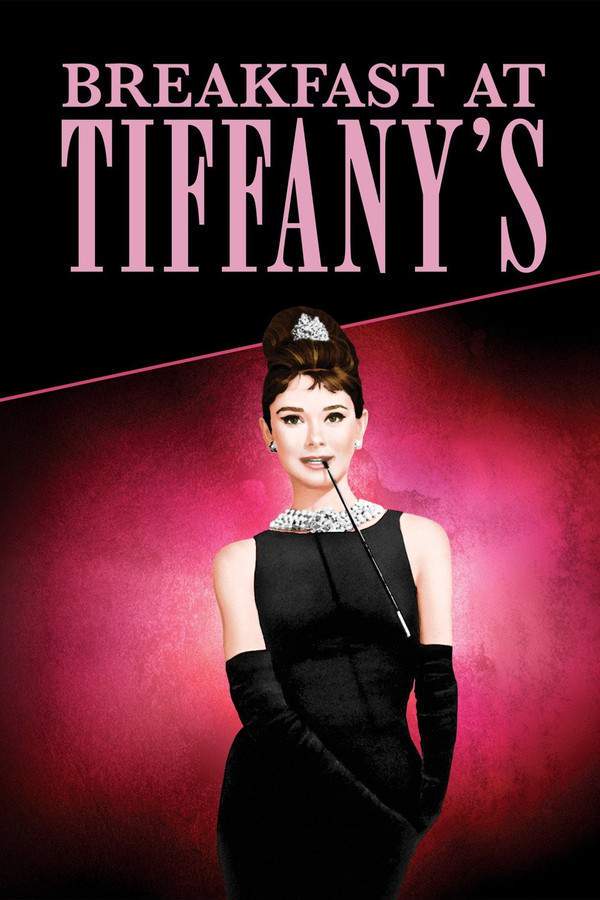
Experience the loves, tragedies and triumphs of a beloved screen legend. The film follows Audrey Hepburn from her childhood in Nazi‑occupied Netherlands, her work as a Dutch ballerina and her parents’ divorce, to her move to the United States where she became a star with iconic roles such as Breakfast at Tiffany’s.

On this page (8)
  1. 1 Where to watch
  2. 2 Characters explained (13)
  3. 3 Where & when it takes place
  4. 4 Themes & meaning (4)
  5. 5 Character & meaning questions
  6. 6 Movie threads
  7. 7 Movies like The Audrey Hepburn Story
  8. 8 Every angle

Where to watch

Where to Watch The Audrey Hepburn Story (2000)

Where can you watch The Audrey Hepburn Story? Stream, rent or buy it in the US, including on UP Faith & Family Amazon Channel , The CW and Tubi TV: current JustWatch availability with up-to-date prices.

Streaming availability powered by JustWatch

13 main characters · contains spoilers

The Audrey Hepburn Story Characters Explained: Who Is Who

The main characters of The Audrey Hepburn Story (2000), heroes and villains: what drives them, how they change over the course of the story and what each of them reveals about the film's bigger ideas.

  • Audrey Hepburn (Jennifer Love Hewitt)

    The adult Audrey Hepburn is the film’s framing centerpiece, charting her ascent from a difficult childhood to becoming a global icon of style and screen. Her choices in love, career, and philanthropy reveal a complex balance between ambition and compassion. The narrative ends by celebrating her humanitarian legacy alongside her cinematic achievements.

    • 🎬 Biopic
    • 🌟 Fame
    • ❤️ Love
  • Audrey Hepburn (12-16, Young) (Emmy Rossum)

    A pre-teen Audrey faces family upheaval and wartime insecurity, forming the early foundations of her resilience. Ballet becomes a lifeline, signaling the discipline that will translate into her film career. The portrayal captures the vulnerability and determination of a girl on the cusp of womanhood.

    • 🧒 Childhood
    • 💃 Dance
    • 🕊️ Resilience
  • Audrey Hepburn (8, Young) (Sarah Hyland)

    An even younger Audrey is shown amid the shadows of war and family strain, setting the emotional stakes for her future ambitions. The scene hints at the tenderness and curiosity that would command her later public persona. A succinct glimpse of a life shaped by hardship.

    • 👶 Early Life
    • 🧭 Ambition
    • 💔 Family
  • Ella van Heemstra (Frances Fisher)

    Audrey's mother who endures hardship during the war, shaping her daughter's resilience and drive. She balances tenderness with the realities of displacement and danger. Their relationship provides the emotional core of Audrey's early development.

    • 👩‍👧‍👦 Mother Figure
    • 💪 Resilience
    • 🎭 Drama
  • Mel Ferrer (Eric McCormack)

    Audrey's partner in life and career, whose relationship illustrates the intersection of romance, ambition, and the pressures of public life. Their marriage frames a period of personal happiness before fame intensifies. He represents support and conflict within the celebrity milieu.

    • 💍 Marriage
    • 🎬 Film
    • ❤️ Love
  • William Holden (Gabriel Macht)

    Co-star and love interest whose romance tests boundaries and highlights the complexities of fame. His proposal and the subsequent heartbreak expose the cost of choosing love within a demanding industry. The relationship remains a defining moment in Audrey's life journey.

    • 💔 Romance
    • 🕰️ Time
    • 🎬 Cinema
  • Truman Capote (Michael J. Burg)

    The cantankerous writer who interacts with Audrey around a major film project, representing critical gatekeeping and the tension between artistry and celebrity. His presence underscores the cultural scrutiny she faces. The dynamic showcases how literary authority can shape an actress's public image.

    • 📝 Literature
    • 🗣️ Critique
    • 🎭 Celebrity
  • Kay Kendall (Seana Kofoed)

    A fellow actor who reflects the professional camaraderie and competition among women in mid-century cinema. Her interactions with Audrey illuminate gender dynamics in the industry. The portrayal emphasizes female solidarity and rivalry.

    • 🎬 Colleagues
    • 👯 Female friendships
    • 💼 Acting
  • James Hanson (Peter Giles)

    A wealthy fiancé whose emotional and financial support anchors Audrey during a pivotal career moment. The eventual break with Hanson signals Audrey's commitment to independence and authenticity. The arc demonstrates the tension between personal happiness and professional aspiration.

    • 💍 Engagement
    • 💼 Wealth
    • ❤️ Support
  • Mme. Rombert (Catherine Colvey)

    A figure within the theatrical world who interacts with Audrey, reflecting the social milieu of stage and screen. The role situates Audrey within the networks that drive her career. The character helps to show the era's professional context.

    • 🎭 Industry
    • 👗 Fashion
    • 🗒️ Networking
  • Gaston (Martin Watier)

    A supporting figure within Audrey's social sphere, contributing to the tapestry of friends and rivals in the industry. The character helps illustrate the era's entertainment world. The scene-stealing moment hints at the bustling life behind the camera.

    • 🎭 Theater
    • 🕺 Social Scene
  • Sister Luc (Lise Roy)

    A nun offering moral guidance and education aspects that anchor Audrey's ethical inquiries during her youth and career. The role underscores themes of faith and personal conscience. The presence of Sister Luc adds a dimension of spirituality to the life story.

    • ✝️ Faith
    • 🧭 Guidance
    • 👩‍🎓 Education
  • Uncle Willem (Vlasta Vrana)

    A relative figure providing context for Audrey's family background and early life. The character contributes to the portrayal of Audrey's upbringing under challenging circumstances. He serves as a narrative touchstone for family history.

    • 👨‍👩‍👧 Family
    • 🕊️ Heritage
    • 🧭 Guidance

Last updated: October 03, 2025 at 14:49

Was this helpful?

Setting

Where and When Does The Audrey Hepburn Story Take Place?

The setting of The Audrey Hepburn Story (2000): the year and time period, the places and locations, and how they shape the characters, the mood and the tension of the story.

Time period

1930s–1990s

The narrative spans from Audrey's childhood during World War II through decades of career milestones in the 1950s–1960s, and into her humanitarian work in later years. It tracks the shift from personal hardship and family estrangement to international fame and public service. The ending commemorates her UNICEF legacy and death in 1993.

Location

Netherlands, London, Switzerland, Belgian Congo (Stanleyville), Ireland, Monaco (Monte Carlo), New York (Broadway)

The story follows Audrey Hepburn across multiple key locations that shaped her life. It begins in wartime Netherlands, continues through London and Switzerland during the postwar era, and moves to Congo and Ireland as her public persona grows. The film also visits Monte Carlo for film work and Broadway as a stage star, underscoring a life lived on global stages.

  • 📍 Historic
  • 🗺️ European Settings
  • ⏳ War Era

Last updated: October 03, 2025 at 14:49

Was this helpful?

4 major themes

The Audrey Hepburn Story Meaning: Themes & Message Explained

What is The Audrey Hepburn Story (2000) really about? The emotional, social and philosophical themes the film keeps returning to, its symbolism and the message beneath the surface.

  • Resilience

    Audrey's life is a study in resilience: enduring abandonment, war, and professional setbacks, she keeps pursuing her art and later uses fame to help others. The story shows how adversity hardens into strength and shapes her ethical choices. Through personal losses and professional joys, she learns to persevere.

  • Fame

    The film examines how stardom propels Audrey into new opportunities while creating personal tensions. It depicts the lure of Hollywood and the theatre, the sacrifices required to maintain a public image, and the way critics and fans shape a star's trajectory. Fame becomes both a platform and a crossroads.

  • Love and Sacrifice

    Romantic entanglements and marital decisions reveal the costs of love within a demanding industry. Audrey navigates heartbreak and loyalty, choosing independence and family at crucial moments. The narrative frames love as powerful, transformative, and sometimes painful.

  • Humanitarian Legacy

    Audrey's later work with UNICEF and her efforts to improve global medical access show a shift from screen icon to humanitarian symbol. The film highlights how personal fame can be redirected toward public good. This legacy transforms the public's memory of her as an actress into a lasting philanthropic influence.

Last updated: October 03, 2025 at 14:49

Was this helpful?

Character & theme questions

The Audrey Hepburn Story Characters & Meaning: Your Questions Answered

The questions people ask about The Audrey Hepburn Story (2000): who the characters really are, their relationships, what the symbols mean, where it takes place and what the movie is really about. Each answer contains spoilers.

Q1

Where does the story take place?

The film spans multiple global locations including wartime Netherlands (where Audrey grew up during Nazi occupation), postwar London and Switzerland, Belgian Congo where she filmed, Ireland, Monte Carlo, and New York where she pursued Broadway. These settings reflect her journey from war-torn Europe to international stardom.

  • locations
  • netherlands
  • london
  • switzerland
  • congo
  • monte carlo
  • broadway
Q2

What time period does the movie cover?

The narrative spans from Audrey's childhood during World War II in the 1930s-1940s through her rise to fame in the 1950s-1960s, and extends into her humanitarian work in the 1980s-1990s until her death in 1993. The story covers over six decades of her life.

  • time period
  • 1930s
  • 1940s
  • 1950s
  • 1960s
  • 1990s
  • world war ii
Q3

What is the main theme of the film?

The film explores several interconnected themes: resilience through adversity (war, family hardship, eating disorders), the complex nature of fame and its sacrifices, love and sacrifice in relationships, and Audrey's transformation from screen icon to humanitarian. The overriding message celebrates perseverance leading to personal fulfillment and public service.

  • themes
  • resilience
  • fame
  • love
  • sacrifice
  • humanitarian legacy
Q4

Why is resilience important to Audrey Hepburn's story?

Resilience serves as the film's central theme, showing how Audrey's difficult childhood in Nazi-occupied Netherlands, her parents' divorce, and professional setbacks shaped her strength. The narrative demonstrates how adversity hardened into determination, leading her to pursue ballet and later acting, eventually using her fame for humanitarian causes.

  • resilience
  • adversity
  • war
  • nazi occupation
  • strength
Q5

How does fame affect Audrey Hepburn?

The film examines how stardom creates both opportunity and tension. Hollywood and Broadway offer her new worlds, but maintaining a public image requires sacrifices. Critics and fans shape her trajectory, making fame both a platform for her humanitarian work and a crossroads that demands personal trade-offs.

  • fame
  • hollywood
  • broadway
  • celebrity
  • public image
  • sacrifices
Q6

Who is Mel Ferrer in Audrey Hepburn's life?

Mel Ferrer was Audrey's partner in both life and career, representing the intersection of romance, ambition, and celebrity pressures. Their marriage illustrated the complexities of maintaining a relationship within the entertainment industry, providing personal happiness during a period when her fame was intensifying.

  • mel ferrer
  • husband
  • marriage
  • partner
  • career
Q7

Who is William Holden to Audrey Hepburn?

William Holden was Audrey's co-star and love interest whose romance tested personal boundaries and highlighted the complexities of fame. His proposal and the subsequent heartbreak exposed the cost of love within the demanding entertainment industry, marking a defining emotional moment in her life journey.

  • william holden
  • love interest
  • co-star
  • romance
  • heartbreak
Q8

What humanitarian work did Audrey Hepburn do?

In her later years, Audrey shifted from screen icon to humanitarian symbol through her work with UNICEF. She traveled to developing countries improving global medical access, transforming her legacy from actress to philanthropist. The film commemorates this transition as her lasting contribution beyond cinema.

  • unicef
  • humanitarian
  • philanthropy
  • charity
  • legacy
Q9

What role did Audrey's mother play in her life?

Ella van Heemstra, Audrey's mother, endures hardship during the war and shapes her daughter's resilience and drive. Their relationship provides the emotional core of Audrey's early development, balancing tenderness with the harsh realities of displacement and danger in Nazi-occupied Netherlands.

  • ella van heemstra
  • mother
  • family
  • war
  • resilience
Q10

How does the film portray Audrey's childhood?

The film depicts Audrey's childhood in Nazi-occupied Netherlands as a formative period marked by family upheaval, wartime insecurity, and hardship. Young Audrey (played by Emmy Rossum and Sarah Hyland) uses ballet as a lifeline, developing the discipline that would later translate to her film career and establishing the foundations of her resilience.

  • childhood
  • war
  • netherlands
  • nazi occupation
  • ballet
  • family
Q11

What is the tone of The Audrey Hepburn Story?

The film carries a primarily melancholic and reflective tone due to coverage of her difficult childhood, parental divorce, and struggles with an eating disorder. However, it balances this with the triumphant arc of her rise to fame, resulting in a bittersweet overall feel that emphasizes resilience and ultimate success.

  • tone
  • melancholic
  • reflective
  • bittersweet
  • emotional

Movie threads

More Movies Like The Audrey Hepburn Story, by Mood & Story

Curated lists built around what makes The Audrey Hepburn Story tick: the same mood, the same kind of story or the same emotional payoff. Each list explains why these movies belong together.

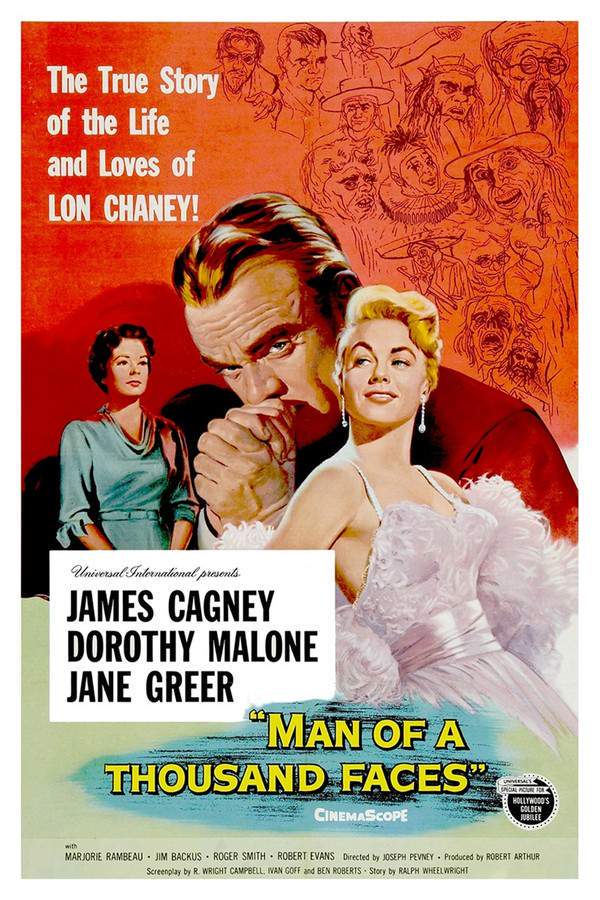
Bittersweet Biographies of Resilience like The Audrey Hepburn Story

Intimate portraits of famous figures who overcame personal trauma to achieve greatness. For viewers who liked The Audrey Hepburn Story, this section features movies that capture similar journeys of famous figures overcoming adversity. These films share a reflective, melancholic tone and a steady pacing, focusing on the emotional scars and triumphant arcs behind the fame.

  • melancholic
  • reflective
  • triumphant
  • heartfelt
  • somber
  • inspirational
  • Tone: melancholic, reflective, bittersweet
  • Pacing: steady, chronological
Why these movies?

The story pattern: The narrative follows a largely chronological path, moving from a difficult or traumatic early life through various personal and professional hurdles. The central conflict is often internal, grappling with past demons, while the story builds towards public success that comes with a private, bittersweet cost.

Why they belong together: Movies are grouped here based on their shared focus on real-life resilience, a blend of somber reflection and triumphant achievement, and a biographical structure that respectfully explores both darkness and light within a single life.
Movies about Artistic Rise from Personal Ruin like The Audrey Hepburn Story

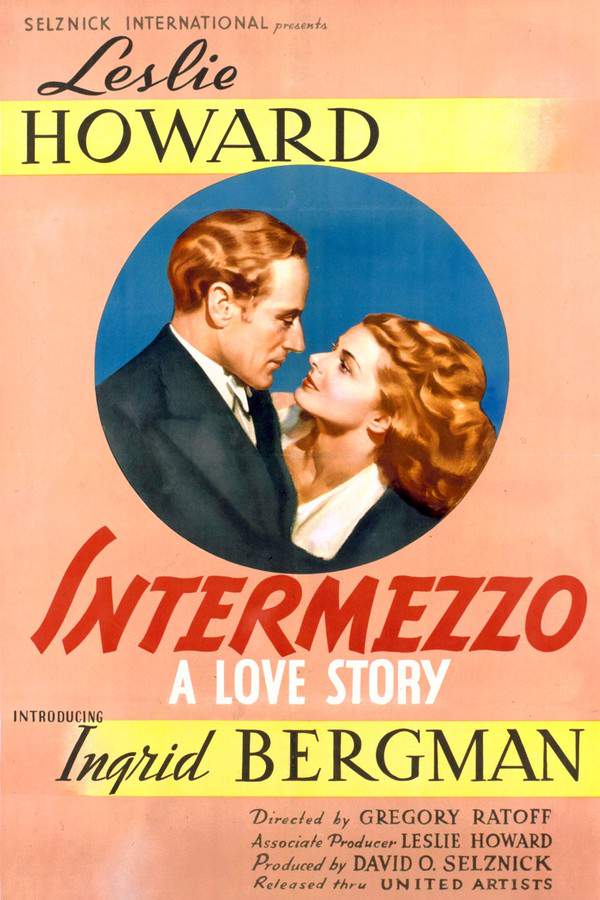
Stories where profound personal suffering fuels a groundbreaking creative journey. If you liked how The Audrey Hepburn Story showed artistry born from hardship, explore these similar films. They feature characters who transform grief, trauma, or struggle into creative success, sharing a medium emotional weight and a focus on the psychological cost of ambition.

  • somber
  • heartfelt
  • triumphant
  • psychological
  • artistic
  • grief
  • Tone: somber, heartfelt, triumphant
  • Pacing: steady, character-driven
Why these movies?

The story pattern: The narrative arc begins with a significant personal downfall or trauma that shatters the protagonist's world. Their journey to rebuild themselves is intrinsically tied to discovering or honing an artistic voice, with their art serving as both an escape and an expression of their pain, leading to public acclaim that is shadowed by private sacrifice.

Why they belong together: These movies are connected by a core theme: the direct link between profound personal suffering and exceptional artistic achievement. They share a thoughtful, sometimes somber mood, and a character-driven focus on the psychological price of creation.

If you liked this

Movies Like The Audrey Hepburn Story

Similar movies to The Audrey Hepburn Story: the same genre, themes or kind of story. Each one comes with its own plot summary, timeline and ending explained.

Browse all movie summaries

Every angle

The Audrey Hepburn Story (2000) Explained: Plot, Timeline & Characters

Everything about The Audrey Hepburn Story in one place: what happens in the plot summary, the timeline in chronological order, the characters and meaning. What's After the Movie adds the cast, box office and post-credit scenes.

Coming soon on iOS and Android

The Plot Explained Movie Summary App

Plot summaries, endings explained and timelines on your phone. Catch up on any movie in minutes, save your favorites and never miss a twist again.

Be the first to know when we launch. Your email stays private, always.

Learn more about the app